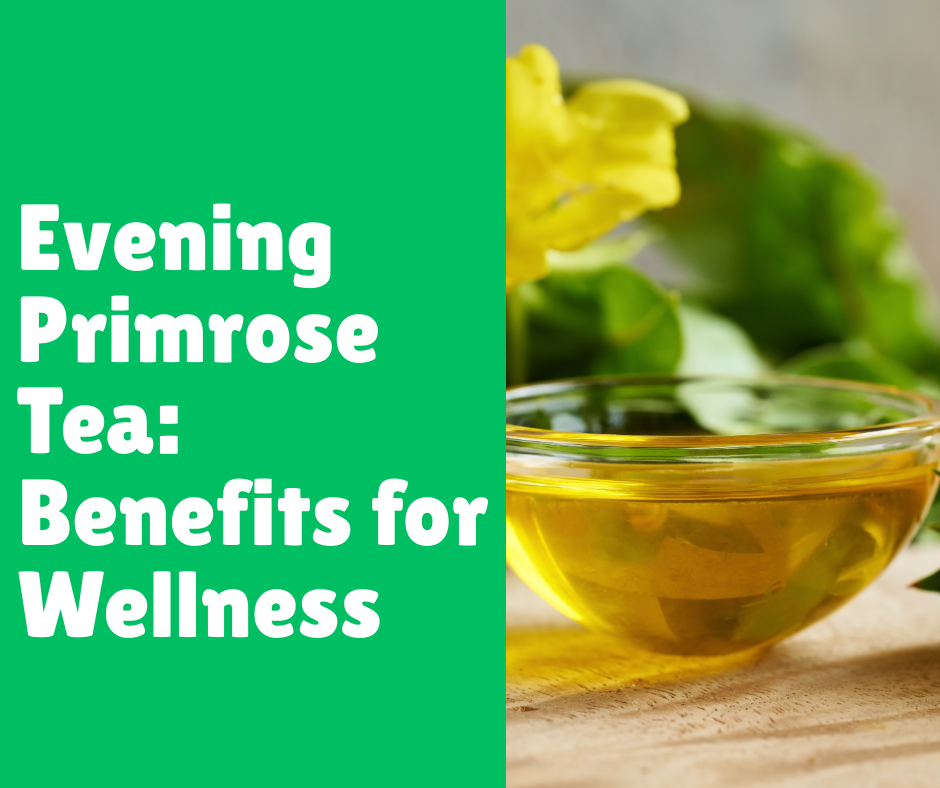
Evening Primrose Tea: Benefits for Wellness
Post Disclaimer
Content on this site is for educational use only and not a substitute for medical advice. Herbal remedies are based on traditional knowledge and not medical recommendations. Please consult a healthcare professional before trying any herb. We do not assume responsibility for any outcomes or adverse effects resulting from the use of information provided here.
Have you ever wondered if there’s a simple, natural remedy that could help improve your skin, hormones, and overall well-being all at once? For many, evening primrose tea might be the answer.
This fragrant and nutrient-rich herbal tea has been used for centuries, and it’s more than just a soothing drink it offers a variety of health benefits that can positively impact your daily life.
In this blog post, I’m diving deep into the numerous benefits of evening primrose tea, and I’ll walk you through its unique properties, how to brew it, and why it might just become your new go-to drink.
Whether you’re looking to manage your hormones, improve your skin, or enjoy a relaxing beverage at the end of a long day, I’ll cover everything you need to know about evening primrose tea. Ready to learn about one of nature’s hidden gems? Let’s get started.
What is Evening Primrose Tea?
Before jumping into the benefits, let’s take a moment to understand what evening primrose tea is and where it comes from.
The evening primrose plant (Oenotherabiennis) is native to North America, though it can now be found in many parts of the world. The plant’s small yellow flowers open in the evening, which is how it earned its name.
The seeds of the evening primrose are rich in a compound called gamma-linolenic acid (GLA), an omega-6 fatty acid that’s thought to provide several of the plant’s health benefits. When brewed into tea, these seeds release their nutrients and can offer various advantages for our bodies.
The Hormonal Benefits: Evening Primrose Tea for Menstrual and Menopausal Support
For women, evening primrose tea is often recommended as a natural remedy for menstrual and menopausal symptoms. The key ingredient here is gamma-linolenic acid (GLA), which is known to support hormonal balance.
How Does Evening Primrose Tea Help with Hormones?
GLA is essential for maintaining healthy hormone levels, and it plays a critical role in balancing prostaglandin production. Prostaglandins are hormone-like substances that affect many physiological functions, including inflammation and pain regulation.
Evening primrose tea can help reduce the symptoms of premenstrual syndrome (PMS) by balancing these prostaglandins, leading to less pain, bloating, and mood swings.
Menstrual Relief
One of the most common reasons people turn to evening primrose tea is to ease PMS symptoms. Many studies have shown that evening primrose oil (which contains GLA) can help reduce the severity of menstrual cramps.
Drinking the tea regularly in the days leading up to your period can help manage cramps, improve mood, and reduce bloating.
Menopausal Support
As women enter menopause, they often experience symptoms like hot flashes, mood swings, and sleep disturbances. Evening primrose tea has been shown to alleviate these symptoms by regulating estrogen levels and improving the overall balance of hormones.
Some studies suggest that evening primrose tea may even help reduce the frequency of hot flashes, making it a natural alternative to over-the-counter treatments.
My Personal Take on Hormonal Benefits
I’ve personally found evening primrose tea to be a game-changer during PMS. The cramps that I usually struggle with weren’t as intense, and I felt much more relaxed during that time of the month. If you’re dealing with hormonal imbalances, this tea could be the support your body needs.
Skin Health: The Anti-Inflammatory Power of Evening Primrose Tea
Let’s talk about skin for a moment. If you’re struggling with acne, eczema, or dry skin, you may want to consider incorporating evening primrose tea into your routine.
Evening Primrose Tea for Acne
Acne is often caused by inflammation in the skin, and the GLA in evening primrose tea has anti-inflammatory properties that may help reduce this. By drinking the tea regularly, you’re providing your body with the essential fatty acids it needs to promote healthy skin from the inside out.
Furthermore, the anti-inflammatory effects of GLA can help reduce redness and swelling associated with acne. While it might not completely clear up stubborn breakouts, it can be an excellent supplement to a good skincare routine.
Evening Primrose Tea for Eczema and Psoriasis
Eczema and psoriasis are chronic skin conditions that cause redness, dryness, and irritation. Studies have shown that GLA may be beneficial in treating these conditions, and drinking evening primrose tea can provide relief from itching and inflammation.
Evening primrose oil is commonly used in topical treatments for eczema and psoriasis, but drinking the tea can support your skin health from within, helping you manage flare-ups more effectively.
Dry Skin and Aging Skin
As we age, our skin loses moisture, and dryness can become a bigger problem. The fatty acids in evening primrose tea help nourish and hydrate the skin, promoting a more youthful appearance. If you’re dealing with dry or aging skin, sipping on this tea could be an easy, natural way to maintain your skin’s elasticity and moisture balance.
The Anti-Inflammatory Effects: How Evening Primrose Tea Can Reduce Inflammation
Chronic inflammation is often at the root of many health problems, from joint pain to heart disease. The anti-inflammatory properties of evening primrose tea make it an excellent choice for those looking to reduce inflammation in the body.
Reducing Joint Pain and Arthritis Symptoms
One of the most well-documented benefits of evening primrose tea is its ability to reduce joint pain. GLA has been shown to help alleviate the pain and stiffness associated with arthritis, making it a useful natural remedy for those dealing with conditions like rheumatoid arthritis.
Chronic Inflammation and Overall Health
Drinking evening primrose tea regularly can help reduce the body’s overall inflammatory response. This means it might help with conditions like asthma, cardiovascular disease, and even digestive issues. By supporting the body’s ability to fight inflammation, evening primrose tea can improve overall health and well-being.
Personal Insight: Why I Recommend It for Inflammation
As someone who has struggled with joint pain in the past, I can personally vouch for the benefits of reducing inflammation with natural remedies. Evening primrose tea has a soothing effect on my joints, and the anti-inflammatory benefits make it a go-to option when I need relief.
Evening Primrose Tea: A Boost for Your Immune System
When it comes to overall health, we all know how important a strong immune system is. Evening primrose tea is packed with antioxidants, which play a crucial role in boosting the immune system and protecting the body from harmful free radicals.
Antioxidants and Immune Support
The antioxidants in evening primrose tea help neutralize free radicals in the body, which can cause oxidative stress and weaken the immune system. By drinking this tea regularly, you’re helping your body stay strong and more resilient to illness.
Supporting Overall Wellness
In addition to its immune-boosting properties, evening primrose tea promotes general well-being by nourishing the body with vital nutrients. Regular consumption of the tea supports energy levels and helps maintain a balanced metabolism, ensuring that your body functions optimally.
Table: Nutritional Breakdown of Evening Primrose Tea
| Nutrient | Amount per Serving (1 cup) |
| Calories | 2 |
| Fat (from GLA) | 0.1g |
| Omega-6 Fatty Acids (GLA) | 0.1g |
| Vitamin E | 0.5mg |
| Vitamin C | 1.3mg |
| Antioxidants | Moderate |
| Fiber | 0g |
Common Mistakes to Avoid When Drinking Evening Primrose Tea
While evening primrose tea offers plenty of benefits, there are some common mistakes you’ll want to avoid to get the most out of it:
- Drinking Too Much Tea: While it’s great for your health, drinking excessive amounts of evening primrose tea could lead to digestive upset or other side effects. Stick to one to two cups per day to avoid potential issues.
- Expecting Immediate Results: Like many herbal remedies, the effects of evening primrose tea take time. Don’t expect instant results—give it a few weeks of regular consumption before assessing its impact.
- Not Considering Allergies: Evening primrose tea can cause allergic reactions in some people, especially those allergic to plants in the evening primrose family. Always consult a doctor before starting any new herbal regimen if you have allergies.
Conclusion: Why You Should Try Evening Primrose Tea
To wrap it up, evening primrose tea is more than just a tasty drink—it’s a powerhouse of health benefits that support everything from hormonal balance to skin health. Whether you’re dealing with PMS, managing your skin, or seeking a natural way to reduce inflammation, this herbal tea can be a simple, yet effective addition to your wellness routine.
I highly recommend giving it a try if you’re looking for a gentle, natural way to improve your health. As with anything, it’s important to stay consistent and be patient. But with all the benefits evening primrose tea has to offer, you might just find it to be your new favorite health beverage.
Frequently Asked Questions (FAQs)
1. Can I drink evening primrose tea every day?
Yes, you can drink evening primrose tea every day. However, it’s recommended to limit consumption to one or two cups per day to avoid any side effects. Always listen to your body.
2. How long does it take to feel the benefits of evening primrose tea?
It typically takes a few weeks of consistent use to start noticing the full benefits of evening primrose tea. Be patient and give it time to work its magic!
3. Can evening primrose tea help with acne?
Yes, evening primrose tea has anti-inflammatory properties that may help reduce acne and promote clearer skin. However, it’s best used as a supplement to a good skincare routine.
4. Are there any side effects of evening primrose tea?
While rare, some people may experience mild digestive upset or allergic reactions. If you have any concerns, it’s a good idea to consult with a healthcare provider before trying it.