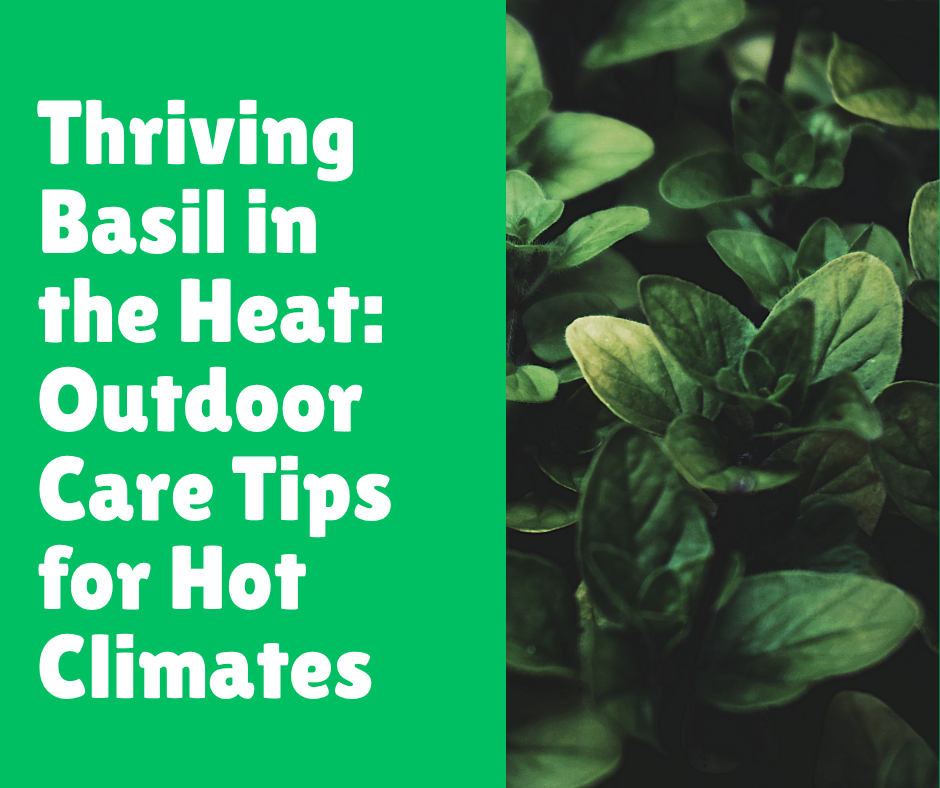
Thriving Basil in the Heat: Outdoor Care Tips for Hot Climates
Post Disclaimer
Content on this site is for educational use only and not a substitute for medical advice. Herbal remedies are based on traditional knowledge and not medical recommendations. Please consult a healthcare professional before trying any herb. We do not assume responsibility for any outcomes or adverse effects resulting from the use of information provided here.
There’s something magical about stepping outside to snip fresh basil for a caprese salad or a homemade pesto. The aroma alone is a little slice of summer. But if you live somewhere the sun likes to show off its full, scorching power, you know the struggle is real.
That beautiful, lush basil plant you brought home from the nursery can quickly turn into a sad, wilted mess. I’ve been there, trust me. I’ve mourned more basil plants than I care to admit.
My first few attempts at a summer basil garden here in the sweltering heat felt like a cruel joke. The leaves would scorch, the stems would bolt, and I’d be left with a bitter, woody plant that was a shadow of its potential. But I’m stubborn. I refused to accept a life of store-bought basil. So, I experimented, I failed, I learned, and eventually, I cracked the code.
Growing basil in a hot climate isn’t impossible; it just requires a different strategy. You have to think less like an Italian nonna with a perfect Mediterranean garden and more like a clever plant parent who knows how to work with the weather, not against it.
This guide is my brain dump of everything I’ve learned the tricks, the triumphs, and the “aha!” moments that finally led to a thriving, season-long basil harvest.
Getting Started: Picking Your Basil and the Perfect Spot
Success with any plant starts long before you even get your hands dirty. For basil in a hot climate, the two most critical initial decisions you’ll make are choosing the right variety and finding the perfect location. Get these right, and you’re already halfway to pesto paradise.
Not All Basil is Created Equal: Heat-Tolerant Varieties
You might stroll into a garden center and see a sea of green labeled simply “Basil.” But did you know there are dozens of varieties, and some are much better suited for a heatwave than others? While the classic Genovese basil is the go-to for pesto, it can be a bit of a diva in high temperatures, quick to bolt (flower) and turn bitter.
Here are a few heat-loving champions I recommend seeking out:
- ‘Prospera’ Basil: This is a fantastic disease-resistant variety, particularly against downy mildew. Its robust nature helps it withstand environmental stress, including heat. I’ve found it to be a reliable performer.
- Spicy Globe or Greek Basil: These are adorable little dome-shaped plants with tiny leaves. Their compact size and smaller leaf surface area mean they lose less water to evaporation, making them naturally more drought-tolerant. The flavor is intense and peppery perfect for sprinkling over dishes.
- Thai Basil: If you’ve ever had a bowl of pho, you know this one. With its purple stems, sturdy leaves, and distinct anise-clove flavor, Thai basil is a culinary star that also happens to be a rockstar in the heat. It was originally cultivated in Southeast Asia, so it’s genetically programmed to handle warmth and humidity.
- Cinnamon Basil: This variety, with its beautiful purplish flowers and spicy, cinnamon-like scent, is another winner for hot climates. It’s originally from Mexico and adds a unique flavor to teas and baked goods. It seems to almost laugh in the face of 95°F days.
My personal journey led me to a mix-and-match approach. I plant some classic Genovese in the most protected spot I have, but the bulk of my basil garden is now made up of Thai and Spicy Globe varieties. They are simply more forgiving.
Location, Location, Location: The Art of Morning Sun
In cooler climates, the advice is simple: give your basil as much sun as possible. In a hot climate, that’s a recipe for disaster. Full, all-day sun is the enemy. Direct afternoon sun, in particular, will scorch the leaves, dehydrate the plant, and stress it into bolting prematurely.
What you’re looking for is the holy grail of hot-climate gardening: morning sun and afternoon shade.
- The Ideal Spot: An east-facing location is perfect. Your basil will get several hours of gentle, direct morning sunlight to fuel its growth. By the time the sun reaches its peak intensity around noon or 1 p.m., your plants will be safely in the shade cast by your house, a tree, or a taller shrub.
- Creating Your Own Shade: Don’t have a perfect east-facing spot? No problem. You can get creative. I planted my main basil patch on the north side of a row of sunflowers one year. The sunflowers grew tall enough to cast a perfect shadow over the basil during the hottest part of the day. You can also use a patio umbrella, a larger potted plant, or even install a simple shade cloth.
- Potted Plants for the Win: This is my number one tip for beginners. Growing basil in pots gives you ultimate control. Is the spot you chose getting more sun than you thought? Just pick up the pot and move it! A 10-12 inch pot is a great size for a single basil plant, giving its roots enough room to thrive without drying out too quickly.
The Foundation of Flavor: Soil, Water, and Food
Once you have your plant and its home picked out, the daily care routine begins. This is where consistency becomes your best friend. Basil isn’t a high-maintenance plant, but it does have specific needs, especially when the weather is trying to cook it.
Building the Perfect Bed (or Pot)
Basil needs soil that is well-draining yet able to retain some moisture. That sounds like a contradiction, doesn’t it? But it’s achievable. If your soil is heavy clay, it will hold too much water and lead to root rot. If it’s too sandy, water will run straight through, and your plant will be constantly thirsty.
For In-Ground Planting:
- Amend Your Soil: Before planting, work a generous amount of compost into the top 6-8 inches of your garden bed. Compost is the miracle worker of soil. It improves drainage in clay soil and helps sandy soil retain moisture and nutrients.
- Check the pH: Basil prefers a soil pH between 6.0 and 7.0. Most garden soils fall in this range, but a simple soil test kit can give you peace of mind.
- Mulch is Non-Negotiable: After planting, apply a 2-3 inch layer of organic mulch (like straw, shredded leaves, or wood chips) around the base of your plants. Mulch is a superhero in hot climates. It suppresses weeds, retains soil moisture, and most importantly, keeps the soil and roots cool.
For Container Planting:
- Choose a Quality Potting Mix: Don’t just use garden soil in a pot. It will become compacted and suffocate the roots. Buy a high-quality, all-purpose potting mix.
- Add Some Oomph: I like to mix in a handful of perlite for extra drainage and a scoop of compost for added nutrients. This creates a light, airy, and rich environment that basil roots love.
- Ensure Drainage Holes: This might seem obvious, but make sure your pot has drainage holes! Basil hates having “wet feet,” and sitting in water is a fast track to root rot.
The Watering Dance: Deep and Infrequent
Watering is the single most challenging part of growing basil in the heat. It’s a delicate balance. Too little, and it wilts. Too much, and the roots rot. The key is to water deeply and less frequently, rather than giving it a shallow sprinkle every day.
Here’s my step-by-step watering method:
- The Finger Test: Before you even think about watering, stick your finger about two inches into the soil next to the plant. If the soil feels dry at that depth, it’s time to water. If it’s still moist, wait another day.
- Water in the Morning: Always water early in the morning. This gives the plant a reservoir to draw from throughout the day and allows the leaves to dry before the intense sun hits, which helps prevent fungal diseases. Watering at night can leave the foliage damp for too long.
- Aim for the Base: Avoid watering the leaves. Use a watering can or soaker hose to direct water directly onto the soil at the base of the plant. This delivers water where it’s needed the roots and helps prevent leaf scorch and disease.
- Go Deep: When you do water, do it thoroughly. You want the water to penetrate deep into the root zone. For potted plants, water until you see it running out of the drainage holes. For in-ground plants, a slow, steady stream for several minutes is best. This encourages the roots to grow deep into the cooler soil, making the plant more resilient.
To Feed or Not to Feed?
Basil is not a heavy feeder. In fact, over-fertilizing can be worse than not fertilizing at all. Too much nitrogen can produce rapid, weak growth and, more importantly, can dilute the concentration of essential oils, resulting in less flavorful leaves.
If you amended your soil with plenty of rich compost at the beginning of the season, you may not need to fertilize at all. However, if your plants start to look a little pale or their growth slows, a little boost can help.
I use a balanced, all-purpose liquid fertilizer diluted to half-strength about once a month. It’s just enough to keep things green and growing without sacrificing that iconic basil flavor.
Pruning for Bushiness and Battling Pests
Your basil is in the ground, it’s well-watered, and it’s starting to grow. Now what? Your job is to guide its growth and protect it from unwelcome visitors.
The Secret to a Bushy Plant: Harvest Often!
This is where so many new gardeners go wrong. They are afraid to cut their precious plant! But here’s the secret: the more you harvest your basil, the more it will grow. Pruning encourages the plant to branch out and become a full, bushy powerhouse instead of a single, leggy stalk.
Start harvesting as soon as the plant is about 6-8 inches tall and has several sets of leaves.
How to Prune Basil Correctly:
- Locate a Leaf Set: Look down the main stem. You’ll see pairs of leaves growing on opposite sides. Just above each of these pairs, you’ll see tiny new leaves starting to form.
- Make the Cut: Using scissors or your fingers, snip the stem right above a set of leaves. Don’t just pick off individual large leaves from the bottom.
- Watch the Magic: In a few days, you’ll see two new stems begin to grow from where you made the cut. You just doubled your basil production!
Regularly pinching back the stems like this, and especially pinching off any flower buds the moment you see them, will keep your plant in a vegetative, leafy state all season long. Once the plant is allowed to flower, it puts all its energy into making seeds, and the leaves turn bitter.
Keeping the Critters Away
Thankfully, basil’s strong scent repels many common garden pests. However, a few might still decide your basil is a tasty snack. Japanese beetles, aphids, and slugs can sometimes be a problem.
My approach is always to start with the least invasive method. A strong spray of water from the hose can dislodge aphids. Hand-picking Japanese beetles in the morning and dropping them into a bucket of soapy water is weirdly satisfying. For slugs, a shallow dish of beer sunk into the soil is an old but effective trap.
For persistent problems, insecticidal soap is a safe, organic option that can handle most soft-bodied pests without harming your plants or beneficial insects.
Common Mistakes I’ve Made (So You Don’t Have To)
We all learn from our mistakes, but it’s even better to learn from someone else’s! Here are some of the basil-killing blunders I’ve made on my journey.
- Mistake 1: Believing “Full Sun” Meant Full Sun. As I’ve stressed, this is the number one killer. I fried my first batch of basil by planting it in the sunniest spot in my yard, thinking I was doing it a favor. It was not a favor. It was a death sentence.
- Mistake 2: Inconsistent Watering. I used to water a little bit every day. The top of the soil was always wet, but the roots were bone dry. The plants were constantly stressed and wilted by noon. Switching to the “deep and infrequent” method was a total game-changer.
- Mistake 3: Harvesting from the Bottom. For a whole season, I would just pluck the biggest, oldest leaves from the bottom of the plant. My basil grew into a tall, sad-looking stick with a few leaves at the top. Pruning from the top down is the only way to get that desirable, bushy shape.
- Mistake 4: Letting it Flower. I once thought the little flower stalks were pretty. Big mistake. Within a week, the flavor of the entire plant had changed. It became sharp and bitter. Now, I am ruthless. The moment I see a flower bud, it gets pinched.
Conclusion: Your Summer of Endless Basil Awaits
Growing basil in a hot climate is absolutely a manageable and rewarding experience. It’s not about fighting the heat, but about learning to work with it. It’s about choosing the right warrior for the job (hello, Thai basil!), giving it a shady spot to rest in the afternoon, and providing cool, moist soil for its roots.
- Choose Wisely: Opt for heat-tolerant varieties like Thai, Spicy Globe, or ‘Prospera’ basil.
- Location is Everything: Provide your basil with gentle morning sun and crucial afternoon shade. Use pots for mobility and control.
- Build a Strong Foundation: Use rich, well-draining soil and don’t forget to mulch to keep the roots cool and moist.
- Water Smart: Water deeply but infrequently, always checking the soil first. Water the soil, not the leaves.
- Harvest Aggressively: Prune from the top down and pinch off flower buds to encourage bushy growth and maintain flavor.
Now you have the knowledge and the strategy. Your days of wilted, sun-scorched basil are over. Imagine the fresh pesto, the vibrant salads, and the aromatic garnishes you’ll be creating all summer long.
I’d love to hear about your basil adventures! Have you tried growing in a hot climate? What tips and tricks have worked for you? Share your stories and questions in the comments below!
Frequently Asked Questions (FAQs)
Why are my basil leaves turning yellow?
Yellowing leaves, especially on the bottom of the plant, are often a sign of overwatering or poor drainage. The roots are sitting in too much water and can’t get enough oxygen. Try letting the soil dry out more between waterings and ensure your pot has good drainage holes.
My basil bolted and is covered in flowers. Is it too late to save it?
It’s not too late, but you need to act fast! You can prune off all the flower stalks, cutting the stem back to the first set of full leaves below the flower. Then, give it a light feeding to encourage new leaf growth.
Can I grow basil indoors in a hot climate?
Absolutely! Growing basil indoors on a sunny windowsill is a great way to control its environment completely. An east-facing window is ideal. You’ll still need to provide at least 6 hours of bright, indirect light.
How can I store my huge basil harvest?
If you follow these tips, you might end up with more basil than you can use at once (a great problem to have!). The best way to preserve its flavor is to make pesto and freeze it in ice cube trays. You can also freeze whole leaves by laying them flat on a baking sheet, freezing them, and then transferring them to a freezer bag.