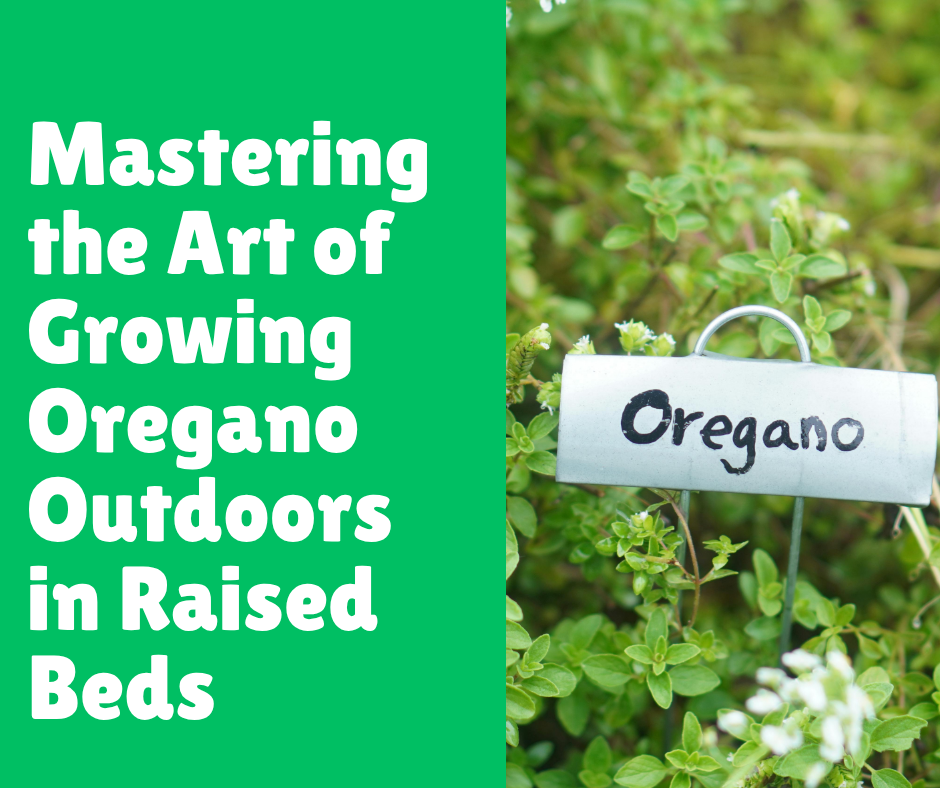
Mastering the Art of Growing Oregano Outdoors in Raised Beds
Post Disclaimer
Content on this site is for educational use only and not a substitute for medical advice. Herbal remedies are based on traditional knowledge and not medical recommendations. Please consult a healthcare professional before trying any herb. We do not assume responsibility for any outcomes or adverse effects resulting from the use of information provided here.
There’s something incredibly satisfying about stepping out into your garden, snipping a few fresh sprigs of an herb you’ve grown yourself, and bringing that vibrant flavor into your kitchen. For me, that herb is often oregano.
Its pungent, earthy aroma and bold taste can transform a simple pasta sauce or a grilled chicken breast into a culinary masterpiece. For years, I struggled to give my oregano plants the perfect environment.
They’d either get waterlogged in my clay-heavy garden soil or spread so aggressively they’d take over everything. Then, I discovered the magic of raised bed gardening, and it completely changed my herb-growing game.
Growing oregano in raised beds is, in my opinion, the absolute best way to cultivate this Mediterranean powerhouse. It offers the perfect trifecta of gardening success: superior drainage, excellent soil control, and easy containment.
You can create the exact soil conditions this sun-loving herb craves, and the raised structure keeps its enthusiastic growth in check. Plus, everything is at a comfortable height, which my back certainly appreciates during weeding and harvesting.
If you’ve ever dreamed of having a lush, continuous supply of fresh oregano right at your fingertips, you’ve come to the right place. In this guide, I’m going to walk you through everything I’ve learned about mastering oregano in raised beds.
We’ll cover everything from building the ideal home for your plants to harvesting them for maximum flavor and troubleshooting any bumps along the way. Get ready to create your own little patch of Mediterranean sunshine.
The Undeniable Benefits of Growing Oregano in Raised Beds
Before we get our hands dirty, let’s talk about why raised beds are the superior choice for oregano. While you can certainly grow it in pots or directly in the ground, raised beds solve many of the common challenges associated with this hardy herb.
Superior Drainage and Soil Control
The number one enemy of oregano is “wet feet.” This herb hails from the rocky, arid hillsides of Greece and Italy, where water drains away quickly. Most garden soil, especially if it’s heavy in clay, retains too much moisture.
This leads to root rot, a fungal disease that is almost always fatal for oregano. I learned this the hard way one particularly rainy spring when my beautiful, in-ground oregano patch turned into a mushy, yellow mess.
Raised beds lift the root system up and away from compacted, slow-draining ground soil. More importantly, they allow you to create the perfect soil mix from scratch.
You can blend compost, topsoil, and materials like perlite or coarse sand to create a light, airy, and fast-draining medium that mimics oregano’s native environment. This single factor is the most critical for ensuring your plants not only survive but thrive.
Containment and Pest Management
Oregano, particularly common Greek oregano, has a vigorous spreading habit. Its roots send out runners that can quickly colonize a garden bed, choking out more delicate neighboring plants. I once planted a small oregano start next to my thyme, and within two seasons, the oregano had completely engulfed it.
The physical barrier of a raised bed frame effectively contains this outward creep, keeping your oregano lush and full within its designated space without it becoming a garden bully.
This elevation also provides a natural advantage against certain pests. Slugs and snails, which love to munch on tender new growth, have a harder time scaling the sides of a raised bed. While not a foolproof solution, it’s a significant first line of defense that reduces the need for other pest control methods.
Ergonomics and Accessibility
Let’s be honest: gardening can be hard on the body. Bending, kneeling, and hunching over for extended periods can lead to a sore back and achy knees. A raised bed brings the garden up to you. A bed that’s 18 to 24 inches high can make planting, weeding, and harvesting a much more comfortable, enjoyable experience.
This is especially beneficial for older gardeners or anyone with mobility issues, making the joy of gardening accessible to more people.
Preparing Your Raised Bed for Oregano Perfection
Setting up your raised bed correctly is like laying a strong foundation for a house. A little extra effort here will pay massive dividends throughout the growing season and for years to come.
Step 1: Choosing the Right Location
Oregano is a sun worshipper. It needs a minimum of six to eight hours of direct, unfiltered sunlight each day to develop the essential oils that give it its signature pungent flavor. A plant grown in the shade will be leggy, weak, and taste more like bland grass than the robust herb you’re expecting.
Before you even build your bed, take a day to observe your yard. I use a simple trick: I go out in the morning, at noon, and in the late afternoon to see which spots receive consistent, direct sun. Mark the area that gets the most sun from late morning through the afternoon.
Remember that the sun’s path changes with the seasons, so a spot that’s sunny in spring might be shaded by a deciduous tree in mid-summer. Try to account for this.
Step 2: Selecting and Building Your Raised Bed
You have countless options for raised bed materials, from untreated cedar and redwood (which are naturally rot-resistant) to galvanized steel, stone, or even recycled composite plastics. My personal favorite is untreated cedar. It lasts for years, weathers to a beautiful silvery-gray, and I don’t have to worry about chemicals leaching into my soil.
For oregano, the depth of the bed is more important than the width or length. I recommend a minimum depth of 12 inches. This provides ample room for the roots to grow downward and ensures there’s enough soil volume for excellent drainage.
A depth of 18 inches is even better. The length and width are up to you and the space you have available, but a width of four feet is standard as it allows you to reach the center of the bed from either side without stepping on the soil.
Step 3: Crafting the Perfect Soil Mix
This is where the magic happens. Do not simply fill your raised bed with bags of topsoil or garden soil from your yard. This will compact over time and defeat the purpose of using a raised bed for drainage. You need to create a custom blend.
My go-to formula for oregano and other Mediterranean herbs is what I call the “Gritty Gold” mix:
- 50% High-Quality Compost: This is the nutritional engine of your bed. It provides a slow-release source of nutrients, improves soil structure, and hosts beneficial microbes.
- 30% Topsoil or Loam: This provides the basic mineral structure and body for your soil mix. Avoid heavy clay soil.
- 20% Drainage Amendment: This is the crucial part for oregano. You can use coarse builder’s sand (not fine play sand), perlite, or small pea gravel. This creates air pockets in the soil, allowing water to drain through freely and preventing the roots from sitting in soggy conditions.
To fill a standard 4’x8’ bed that is 12” deep, you’ll need about 32 cubic feet of material. Mix these components thoroughly on a tarp before shoveling them into the bed, or layer them in the bed and mix them with a garden fork. Fill the bed to within an inch or two of the top. The soil will settle a bit over time.
Planting and Caring for Your Oregano
With your raised bed prepped and ready, it’s time for the fun part: planting!
Starting from Plants vs. Seeds
While you can grow oregano from seed, it can be a slow and sometimes frustrating process. The seeds are tiny and the seedlings are delicate. For this reason, I strongly recommend starting with small plants (starts) from a reputable nursery. You get a huge head start on the season, and you can be sure you’re getting the specific variety you want.
When selecting plants, look for ones that are bushy and green, with no signs of yellowing or wilting. Check the bottom of the pot to make sure the roots aren’t excessively crowded, a sign the plant is root-bound.
Step-by-Step Planting Guide
- Timing is Everything: Plant your oregano starts in the spring after all danger of frost has passed. This gives the plants the entire growing season to establish a strong root system before winter.
- Spacing: Oregano needs good air circulation to prevent fungal issues. Space your plants about 12 to 18 inches apart. It may look sparse at first, but trust me, they will fill in quickly.
- Dig the Hole: Dig a hole in your prepared soil mix that is slightly wider and just as deep as the pot the plant came in.
- Tease the Roots: Gently remove the plant from its container. If the roots are tightly wound in a circle, gently tease them apart with your fingers. This encourages them to grow outward into the new soil instead of continuing to circle.
- Plant and Water In: Place the plant in the hole, ensuring the top of its root ball is level with the surrounding soil. Backfill the hole, gently firming the soil around the plant. Water it in thoroughly to help settle the soil and eliminate air pockets.
Ongoing Care: The Beauty of Benign Neglect
One of the reasons I love oregano is that it thrives on a bit of neglect. Over-caring for this plant is one of the biggest mistakes you can make.
- Watering: This is critical. Water your newly planted oregano regularly for the first few weeks to help it get established. After that, back off significantly. The golden rule for established oregano is to water deeply but infrequently. Allow the top two to three inches of soil to dry out completely before watering again. I check by sticking my finger deep into the soil. If it feels dry, I water. If there’s any moisture, I wait. Overwatering is the fastest way to kill oregano.
- Fertilizing: Do not fertilize your oregano. It’s one of the rare plants that has a more intense and desirable flavor when grown in lean soil. Adding fertilizer will promote lush, green, rapid growth, but it will come at the expense of flavor. The compost in your initial soil mix is all the nutrition it needs for the entire year.
- Mulching: While I mulch most of my garden beds to retain moisture, I use a different approach for oregano. Instead of organic mulch like wood chips or straw, I use a thin layer of pea gravel or chicken grit around the base of the plants. This “rock mulch” keeps the leaves and stems off the soil, improves air circulation, and helps prevent crown rot, all while allowing the soil to dry out quickly.
- Pruning: Regular pruning is key to a bushy, productive plant. Once the plant is about six inches tall, start snipping the top sets of leaves. This encourages the plant to branch out from below, creating a fuller shape instead of a single, leggy stem.
Harvesting, Using, and Preserving Your Bounty
Harvesting is your reward! The more you harvest, the more the plant will produce.
How and When to Harvest
You can start harvesting sprigs as soon as the plant is established and actively growing. The flavor of oregano is most potent right before the plant begins to flower. You’ll see tiny flower buds forming at the tips of the stems. This is the peak time to do a large harvest.
Use sharp scissors or pruning shears to snip off stems, always leaving at least two-thirds of the plant’s growth behind so it can recover. The best time of day to harvest is in the mid-morning, after the dew has dried but before the sun gets too hot. This is when the concentration of essential oils in the leaves is at its highest.
Fresh vs. Dried Oregano
Fresh oregano has a bright, pungent, and slightly peppery flavor. It’s wonderful in salads, marinades, and sprinkled over dishes right before serving.
Dried oregano has a more mellow, earthy, and concentrated flavor. The drying process changes its chemical composition, making it a different but equally delicious ingredient. It’s a staple in pizza sauces, dry rubs, and long-simmering stews. To dry your own, simply tie the harvested stems into small bundles and hang them upside down in a warm, dry, well-ventilated area away from direct sunlight.
Once the leaves are brittle and crumble easily (usually 1-2 weeks), strip them from the stems and store them in an airtight container. The flavor of homegrown dried oregano is leagues ahead of anything you can buy at the store.
Troubleshooting Common Oregano Issues
Even with the best preparation, you might run into a few issues. Here’s how to handle them.
- Yellowing Leaves: This is almost always a sign of overwatering and the beginning of root rot. Immediately stop watering and check your soil drainage. If the problem persists, you may need to amend your soil with more perlite or coarse sand to improve drainage.
- Leggy Growth: Long, sparse stems with few leaves indicate a lack of sunlight. There isn’t much you can do in the current season besides prune it back to encourage bushier growth. However, make a note to move the plant (or the entire raised bed, if possible) to a sunnier location for the next season.
- No Flavor: If your oregano looks healthy but tastes bland, the culprit is likely too much water or too-rich soil. Remember, oregano needs a little stress to produce the best flavor. Cut back on watering and do not add any fertilizer.
- Pests: Oregano is naturally pest-resistant due to its strong oils. However, you might occasionally see aphids or spider mites, especially if the plant is stressed. A strong blast of water from the hose is often enough to dislodge them. For a more persistent problem, a simple insecticidal soap spray will do the trick.
Five Common Mistakes to Avoid with Raised Bed Oregano
Over the years, I’ve made my share of mistakes. Here are the top five I see people make when growing oregano in raised beds, so you can avoid them.
- Using Standard Potting Mix or Garden Soil: Filling your raised bed with a dense, moisture-retentive mix is the #1 mistake. It completely negates the drainage benefit of the raised bed. You must create a custom, gritty, fast-draining blend.
- Watering on a Schedule: Oregano does not want to be watered every other day or on a fixed schedule. This leads to overwatering. The “finger test” checking if the top few inches of soil are dry is the only reliable method.
- Fertilizing for “Better” Growth: It’s counterintuitive, but fertilizing oregano makes it worse. You’ll get a big, beautiful plant with almost no taste. Embrace lean soil for this herb.
- Planting in a Shady “Herb Garden” Spot: Many people create a designated “herb garden” in a convenient spot near the kitchen, which is often partially shaded. While this works for mint or parsley, sun-lovers like oregano, rosemary, and thyme will suffer. Prioritize sunlight over convenience.
- Failing to Prune: If you only snip a leaf here and there, your plant will become tall, woody, and sparse. Regular, assertive pruning (or harvesting) of the top one-third of the stems is essential to encourage the bushy, dense growth you want.
Your Journey to Flavorful Oregano Starts Now
Growing oregano in a raised bed is one of the most rewarding and low-maintenance gardening projects you can undertake. By providing it with the two things it loves most tons of sun and excellent drainage you set the stage for a thriving, productive plant that will supply you with incredible flavor for years to come.
From building the perfect soil to knowing when to hold back on the watering can, you now have all the tools you need for success.
The satisfaction of cooking with herbs you’ve nurtured from a small start to a fragrant, flourishing bush is truly special. It connects you to your food and adds a depth of flavor that money can’t buy.
I encourage you to give it a try. Start with one plant in a well-prepared raised bed and see how it goes. You might just find it becomes your favorite garden staple, too.
Frequently Asked Questions (FAQs)
Can I grow oregano in the same raised bed as other plants?
Absolutely! Oregano is a great companion plant. Just be sure to pair it with plants that have similar needs lots of sun and less water. It does wonderfully with other Mediterranean herbs like rosemary, thyme, sage, and lavender. It’s also a good companion for vegetables like bell peppers, tomatoes, and broccoli, as its strong scent can help deter some common pests.
How do I care for my raised bed oregano during the winter?
Oregano is a hardy perennial in most climates (USDA Zones 5-10). In the fall, the top growth will likely die back after the first hard frost. You can simply leave it in place to provide some insulation for the roots or trim it back to a few inches above the soil line. The roots will remain dormant over the winter and, in most cases, will send up vigorous new growth in the spring.
My oregano is flowering. Should I cut the flowers off?
It depends on your goal. If you want to continue harvesting leaves with the most potent flavor, you should definitely prune off the flower stalks as they appear. This practice, called “deadheading,” redirects the plant’s energy back into leaf production.
How long will an oregano plant live in a raised bed?
With proper care, an oregano plant can be productive for five to seven years, or even longer. You will notice that the center of the plant may become woody and less productive over time. When this happens, you can easily refresh it.