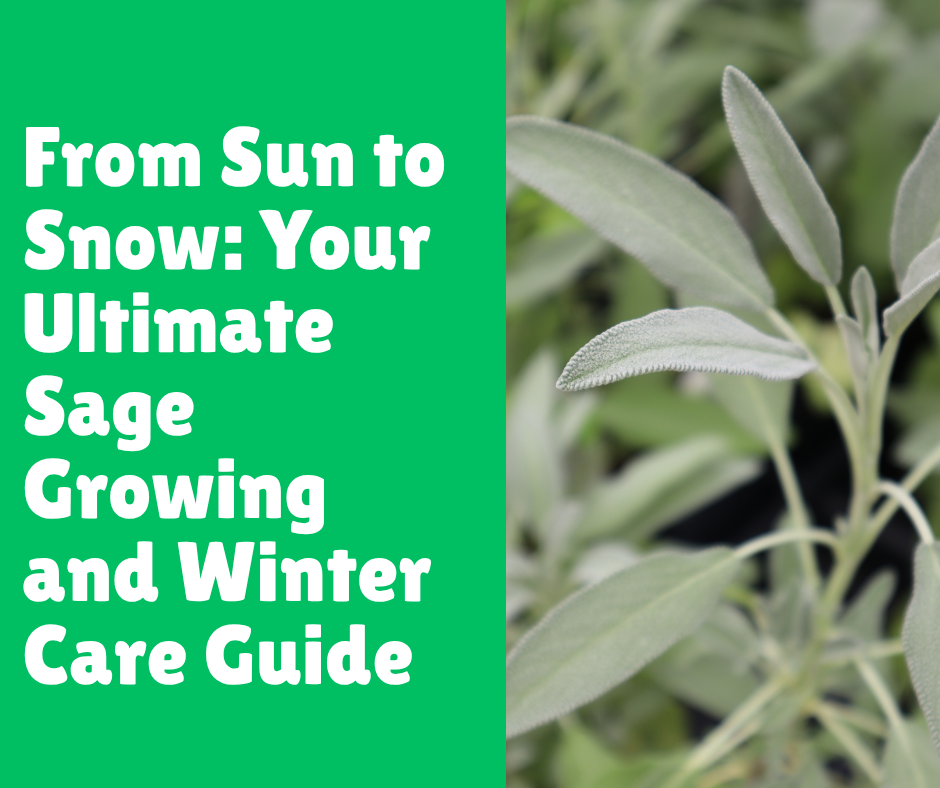
From Sun to Snow: Your Ultimate Sage Growing and Winter Care Guide
Post Disclaimer
Content on this site is for educational use only and not a substitute for medical advice. Herbal remedies are based on traditional knowledge and not medical recommendations. Please consult a healthcare professional before trying any herb. We do not assume responsibility for any outcomes or adverse effects resulting from the use of information provided here.
I’ll admit it. The first time I tried to grow sage, I treated it like any other delicate herb in my garden. I coddled it, worried over it, and basically gave it too much attention. The result? A sad, leggy plant that barely produced enough leaves for one Thanksgiving dinner.
It took me a few seasons of trial and error and a bit of tough love to realize that sage doesn’t just tolerate neglect; it practically thrives on it. This stuff is resilient, and with the right approach, you can have a beautiful, bushy plant that provides fragrant leaves year after year.
So, you want to grow your own sage? Fantastic choice. Whether you’re dreaming of aromatic bundles for cleansing your space or just want to elevate your roast chicken game, you’ve come to the right place.
We’re going to cover everything from planting that tiny sage start to making sure it survives the winter, even if you live somewhere that gets buried in snow. I’ll share what has worked for me, the mistakes I’ve made (so you don’t have to), and how to keep your sage happy and productive.
Getting Started: Planting Your Sage for Success
Before we can even think about winter, we need to get your sage plant established. And like any good relationship, it all starts with the right foundation. Give your sage what it wants from day one, and it will reward you with years of low-maintenance beauty.
Choosing the Right Sage Variety
First things first, not all sage is created equal. When we talk about “sage” for cooking and general gardening, we’re usually referring to Common Sage (Salvia officinalis). This is your go-to for that classic, earthy flavor. But a walk through a garden center will show you there are other options. Have you ever seen them all lined up? It can be a little overwhelming.
- Garden Sage (Salvia officinalis): This is the classic. It has fuzzy, grayish-green leaves and is the most common choice for culinary use. It’s also one of the hardiest varieties, which is great news for winter survival.
- Purple Sage (Salvia officinalis ‘Purpurascens’): Essentially garden sage with a fashion sense. It boasts beautiful purplish leaves when young, which mature to a dusky green. It has the same great flavor and is just as hardy. I have one of these, and the color is a stunning contrast against the green of my other herbs.
- Tricolor Sage (Salvia officinalis ‘Tricolor’): This one is a real show-off, with leaves variegated in shades of green, cream, and pinkish-purple. It’s a bit less hardy than its plain-Jane cousins and might need extra protection in colder zones. It’s gorgeous but a little more high-maintenance.
- Berggarten Sage (Salvia officinalis ‘Berggarten’): This is my personal favorite for a robust plant. It has larger, more rounded leaves than common sage and a milder flavor. It’s also known for being less likely to flower, which means more energy goes into producing those lovely leaves.
For beginners, I always recommend starting with Common Sage or Berggarten Sage. They are reliable, hardy, and give you that quintessential sage experience.
The Perfect Spot: Sun and Soil
Sage is a Mediterranean native. Think hot, sunny, and dry. Your job is to replicate that environment as best you can in your own backyard. If you get this part right, you’ve won half the battle.
Sunlight: Sage demands full sun. I’m talking a minimum of 6 to 8 hours of direct, unfiltered sunlight per day. If you plant it in a shady spot, it will get “leggy,” meaning it will grow long, weak stems with sparse leaves as it stretches desperately for light. It will also have a less intense flavor. Find the sunniest, most unforgiving spot in your garden—that’s where your sage wants to live.
Soil: This is where many gardeners go wrong. We’re trained to think that rich, fertile, moist soil is the key to everything. Not for sage. It needs well-draining soil. Sandy or loamy soil is ideal. If you have heavy clay soil, like I do, you absolutely must amend it.
Step-by-Step Soil Prep for Clay:
- Dig a larger hole: When you’re ready to plant, dig a hole that is twice as wide and deep as the pot your sage came in.
- Amend, amend, amend: Mix the clay soil you removed with equal parts of compost (for some nutrients) and sand or small gravel (for drainage). This mixture will create a pocket of soil that doesn’t hold onto water like a sponge.
- Consider a raised bed: If your entire garden is heavy clay, a raised bed is your best friend. You can fill it with the perfect soil mix from the start, giving your sage the drainage it craves. My main sage plant is in a raised bed, and it’s ridiculously happy.
Planting Your Sage
Whether you’re starting from seed or a nursery plant (I recommend a plant for faster results), the process is straightforward.
- Timing is Everything: Plant your sage in the spring after the last frost has passed. This gives it the entire growing season to establish a strong root system before winter arrives.
- Give It Space: Sage can grow into a small, woody shrub, often reaching 2-3 feet in height and width. Space your plants about 24 inches apart to ensure good air circulation. This helps prevent fungal diseases like powdery mildew, which can happen in humid conditions.
- Planting Depth: Dig a hole just deep enough for the root ball. You want the top of the root ball to be level with the surrounding soil. Planting it too deep can lead to stem rot.
- Water It In: After planting, give it a good, deep watering to help the roots settle. After this initial drink, you’re going to back off. A lot.
Summer Lovin’: Caring for Your Sage During the Growing Season
Your sage is in the ground. Now what? For the most part, you can practice a bit of benign neglect. Sage is not a needy plant, and frankly, it resents helicopter parenting.
Watering: The “Less is More” Approach
This is the number one mistake people make. They overwater their sage. Remember its Mediterranean roots? It’s adapted to dry conditions.
- For newly planted sage: Water it every few days for the first couple of weeks until you see new growth.
- For established sage: Let the soil dry out completely between waterings. How do you know? Stick your finger about two inches into the soil near the plant. If it feels dry, you can water it. If there’s any moisture at all, walk away. In my garden, this often means I only water my established sage once every week or two during the hottest, driest parts of summer. If we get regular rain, I don’t water it at all.
Overwatering leads to root rot, which is a death sentence for sage. The leaves will turn yellow and the plant will wilt, which ironically makes people think it needs more water. Don’t fall into that trap.
To Fertilize or Not to Fertilize?
Here’s another area where you can relax. Sage does not need rich soil or a lot of fertilizer. In fact, too much fertilizer can diminish the concentration of essential oils in the leaves, resulting in a less fragrant and flavorful plant.
A single application of compost or a balanced, slow-release fertilizer in the spring is plenty. Often, if you’ve amended your soil at planting time, you won’t need to fertilize at all for the first year or two.
Harvesting and Pruning for a Bushy Plant
Harvesting is the best part! And the good news is, regular harvesting actually encourages the plant to grow bushier and more productive.
- When to Harvest: You can start harvesting leaves as soon as the plant is established and has plenty of foliage. For a new plant, wait a month or two before you start snipping.
- How to Harvest: You can either pick individual leaves or, for a larger harvest, snip off the top 2-3 inches of a stem. Always cut just above a set of leaves. This will encourage the plant to branch out from that point, creating a fuller shape.
- The Big Prune: To prevent your sage from becoming a woody, leggy mess, you should give it a good prune at least once a year. The best time to do this is in the early spring, just as new growth begins to appear. Cut the plant back by about one-third, focusing on removing any dead or overly woody stems. Avoid cutting into the old, thick wood at the base of the plant, as it may not regrow from there. Never do a hard prune in the fall, as this can stimulate new growth that won’t have time to harden off before the first frost.
Winter is Coming: Prepping Your Sage for the Cold
Alright, your sage has had a great summer. It’s big, it’s bushy, and you’ve made more than a few batches of brown butter sage sauce. Now the days are getting shorter and there’s a chill in the air. It’s time to think about winter. How you prepare your sage depends heavily on your climate zone.
Step 1: Stop Pruning and Fertilizing
This is crucial. Around late summer or early fall (about 6-8 weeks before your average first frost date), stop all pruning and harvesting. Any new, tender growth that is stimulated by cutting is extremely vulnerable to frost damage. You want the existing stems to “harden off” and prepare for the cold. Similarly, do not fertilize in the fall. You don’t want to encourage a late-season growth spurt.
Step 2: The Final Harvest (Optional)
If you live in a very cold climate (Zone 5 or colder), you might want to do one last light harvest before the first hard freeze. This is your chance to gather leaves for drying or freezing to use throughout the winter. Just be gentle and don’t take more than a third of the plant’s foliage.
Step 3: To Mulch or Not to Mulch?
Mulching is key to protecting the roots from the freeze-thaw cycles that can heave plants out of the ground. But with sage, you have to be careful.
- The Problem: Traditional mulch like shredded leaves or wood chips can hold too much moisture. When this wet mulch is packed up against the base of your sage plant all winter, it can lead to crown rot. This is a common way for sage to die over the winter, and it’s a real heartbreaker to find a mushy, dead plant in the spring.
- The Solution: After the ground has frozen, apply a loose, airy mulch like pine boughs or straw around the base of the plant. The goal isn’t to keep the plant “warm,” but to insulate the soil and keep it frozen, preventing heaving. Crucially, do not pile the mulch directly against the plant’s stem. Leave a few inches of space around the crown to allow for air circulation.
Another fantastic option, especially for colder zones, is to use gravel or small stones as a permanent mulch around your sage. This provides excellent drainage and prevents the crown from ever sitting in wet material.
Special Care for Potted Sage
If your sage is in a container, it’s much more vulnerable to cold because the roots are exposed on all sides. You have a few options:
- Bring It Indoors: You can bring your potted sage inside to overwinter on a sunny windowsill. It will likely get leggy and not grow much, but it will survive. Be sure to check for pests before bringing it inside.
- The “Pot-in-Pot” Method: Find a slightly larger pot, place a layer of insulating material (like bubble wrap or straw) inside it, and then place your sage pot inside that.
- Bury the Pot: My favorite method for an unheated garage or shed. Water the plant well, then place it in a protected, unheated space like a garage, shed, or cold frame. The goal is to keep it dormant but protect the roots from extreme freezing. It won’t need light, and you’ll only need to water it maybe once a month, just enough to keep the soil from becoming bone dry. You can also bury the pot in the ground up to its rim in a sheltered garden spot and mulch over the top.
Common Mistakes to Avoid (Yes, I’ve Made Most of These)
We all make mistakes. It’s how we learn, right? But maybe you can learn from mine instead. Here are the most common slip-ups I see when it comes to growing sage.
- The Overwatering Tragedy: I’ve said it before, and I’ll say it again. Too much water will kill your sage. The leaves will yellow, the stems will droop, and you’ll think it’s thirsty. It’s not. It’s drowning. Back away from the hose.
- The Fall Butchering: I once got a little too enthusiastic with my end-of-season cleanup and gave my sage a hard prune in October. It looked so neat and tidy! Then we had an early frost, and the plant was severely damaged. All the open cuts and the tender new growth it tried to push out were zapped. Prune in spring, not in fall.
- Suffocating with “Good” Mulch: My first winter, I lovingly tucked my sage in with a thick blanket of shredded leaves, piling it right up against the stem. Come spring, I pulled back the soggy mess to find a rotten crown. It was a goner. Remember to give the plant breathing room and use a mulch that doesn’t retain water.
- Ignoring the Sun Requirement: A friend of mine planted sage in a spot that only got morning sun. She asked me why it was so tall and floppy, with only a few leaves. It was practically screaming for light! Don’t underestimate its need for at least 6-8 hours of direct sun.
In Conclusion: Your Sage Journey Awaits
Growing sage is one of the most rewarding and, dare I say, easy things you can do in your garden. It’s a plant that asks for so little sun, good drainage, and a bit of common sense—and gives back so much in return. From its beautiful foliage to its incredible aroma and flavor, it’s a true garden workhorse.
- Plant for Success: Give your sage full sun (6-8+ hours) and excellent drainage. Amend heavy soil or use raised beds.
- Easy Summer Care: Water deeply but infrequently, letting the soil dry out completely. Go easy on the fertilizer.
- Prune for Health: Harvest regularly during the growing season and perform a main prune in early spring to maintain a bushy shape.
- Winter Prep is Key: Stop pruning in late summer. After the ground freezes, apply a loose, airy mulch like straw or pine boughs, keeping it away from the plant’s crown.
- Avoid the Big Mistakes: Don’t overwater, don’t prune hard in the fall, and don’t suffocate the crown with wet mulch.
Now you have the knowledge to grow a sage plant that will not only survive but thrive, season after season. There’s nothing quite like stepping outside to snip your own fresh herbs for a meal.
So what are you waiting for? I’d love to hear about your own sage-growing adventures. Have you tried any of these techniques? Do you have a favorite variety? Share your tips and questions in the comments below!
Frequently Asked Questions (That You Were Too Afraid to Ask)
My sage plant’s lower leaves are turning yellow and falling off. What’s wrong?
This is almost always a sign of overwatering or poor drainage. The plant is sacrificing its older, lower leaves as its roots struggle in soggy soil. Reduce your watering schedule immediately and check to make sure water isn’t pooling around the base.
Can I grow sage indoors all year round?
You can, but it’s tough. Sage needs a ton of direct sunlight, which is hard to provide indoors. It will likely become leggy and less flavorful. If you want to try, you’ll need a very bright, south-facing window or a strong grow light.
Why is my sage flowering? Should I stop it?
Flowering is a natural part of the plant’s life cycle. The purple flower spikes are beautiful and attract pollinators like bees. However, when a sage plant flowers, it puts energy into seed production instead of leaf growth, and the flavor of the leaves can become a bit milder.
How long does a sage plant live?
With proper care, a sage plant can be productive for many years, often 5 to 7, and sometimes even longer. They do become increasingly woody over time. After several years, you might notice the center of the plant dying out.
My sage survived the winter, but it looks like a pile of dead sticks. Is it dead?
Probably not! This is a common spring panic. Sage is a woody perennial, and it can look pretty rough after a long winter. Be patient. Look for tiny green buds appearing on the woody stems as the weather warms up. Once you see that new growth, you can confidently prune away the dead tips and any fully dead branches from the previous year.