
Beyond the Sun: 10 Herbs That Thrive in Partial Shade Outdoors
Post Disclaimer
Content on this site is for educational use only and not a substitute for medical advice. Herbal remedies are based on traditional knowledge and not medical recommendations. Please consult a healthcare professional before trying any herb. We do not assume responsibility for any outcomes or adverse effects resulting from the use of information provided here.
It’s a common gardening story, isn’t it? You get inspired, you buy a bunch of herb starts, and you lovingly plant them, only to watch them get leggy, pale, and generally sad. You soon realize your yard, with its beautiful mature trees or the shadow cast by your neighbor’s two-story house, just doesn’t get that glorious “full sun” the plant tags all seem to demand.
I’ve been there. My first apartment balcony got about three hours of direct morning sun, and that was it. I thought my dreams of a fresh herb garden were doomed.
But here’s the thing: many gardening guides act like herbs are all sun-worshipping divas from the Mediterranean. While some, like basil and rosemary, definitely are, a surprising number of culinary and medicinal herbs are perfectly happy, and sometimes even happier, with a little less intense sunlight. They don’t just tolerate shade; they can actually thrive in it.
This guide is for all of us shade-dwellers. We’re going to explore the fantastic world of shade-tolerant herbs. I’ll share my top picks, how to care for them, and how to create a lush, productive herb garden even without a sun-drenched paradise. You absolutely can have fresh herbs at your fingertips, no matter how much shade you’re working with.
Types of Shade in the Garden
Think of your garden’s light conditions as a spectrum. On one end is full sun (6+ hours of direct, unfiltered sunlight), and on the other is deep shade (almost no direct light, like under a dense evergreen). Most of us fall somewhere in the middle.
- Partial Shade: This is the sweet spot for many of the herbs we’ll discuss. It typically means the area receives 3 to 6 hours of direct sun per day. This sun might come in the morning, which is gentler, or in the afternoon, which is more intense.
- Dappled Shade: This is the lovely, shifting light you find under a deciduous tree with a high canopy, like a honey locust or a birch. The light filters through the leaves, creating a moving pattern of sun and shade. Many herbs adore this kind of light.
- Light Shade (or Bright Shade): This describes an area that doesn’t get any direct sun but is still bright. It’s often found on the north side of a building or under a high deck. It’s a challenging spot, but a few tough herbs can still make it work.
A Simple Trick to Map Your Light
Here’s a little “case study” from my own yard. I wanted to plant mint but knew it could get scorched in the afternoon. So, I did a super simple light-mapping exercise. You can do this, too.
Step-by-Step Light Mapping:
- Choose a sunny day. This won’t work on a cloudy one, for obvious reasons.
- Start in the morning. Around 9 a.m., walk around your garden space with your phone camera or a notepad.
- Document the sun. Note which areas are in full sun and which are in shade. Take a picture or sketch a quick map.
- Repeat every two hours. Go back out at 11 a.m., 1 p.m., 3 p.m., and 5 p.m. and do the same thing.
- Analyze your findings. At the end of the day, you’ll have a clear picture of your garden’s light patterns. You’ll know which spot gets that gentle morning sun (perfect for delicate herbs) and which gets blasted by the afternoon heat.
This little bit of prep work is a total game-changer. It helps you put the right plant in the right place, which is like, 90% of the battle in gardening.
Top 10 Herbs That Flourish in Partial Shade
Alright, let’s get to the fun part! Here are my favorite herbs that I’ve personally had great success with in less-than-sunny spots. I’ve included culinary favorites, medicinal powerhouses, and a few that are just plain beautiful.
1. Mint (Mentha species)
If you have shade, you need to be growing mint. Period. This stuff is practically unstoppable. In fact, it’s so vigorous that its main challenge isn’t growing it, but controlling it.
- Why it loves shade: In full, hot sun, mint can get stressed, scorched, and lose some of its flavor. Partial shade keeps the soil moist and the leaves lush and flavorful.
- Varieties to Try: The world of mint is huge! Don’t just stick with generic spearmint. Try chocolate mint (it really smells like a peppermint patty!), apple mint (fuzzy leaves and a fruity scent), or peppermint (for the most potent flavor).
- Growing Tips:Do not plant mint directly in your garden bed. I cannot stress this enough. It spreads through aggressive underground runners and will take over everything. Seriously, it’s the garden equivalent of that one friend who crashes on your couch and never leaves. Plant it in a container. Even if you sink the container into the ground, it will help contain the roots.
2. Parsley (Petroselinumcrispum)
Parsley is an unsung hero of the herb garden. We often see it as a forgotten garnish, but fresh parsley is incredibly flavorful and packed with nutrients.
- Why it loves shade: Parsley is a biennial, meaning it has a two-year life cycle. In its first year, it focuses on leaf production. Afternoon shade protects it from bolting (flowering prematurely), which makes the leaves bitter.
- Varieties to Try: There are two main types: flat-leaf (Italian) and curly. I personally prefer flat-leaf parsley; I find its flavor to be more robust and less “grassy.” However, curly parsley is lovely as an edible border plant.
- Growing Tips: Parsley appreciates consistently moist soil. It’s a heavy feeder, so amending your soil with some compost before planting will make it very happy. You can harvest the outer leaves continuously throughout the season.
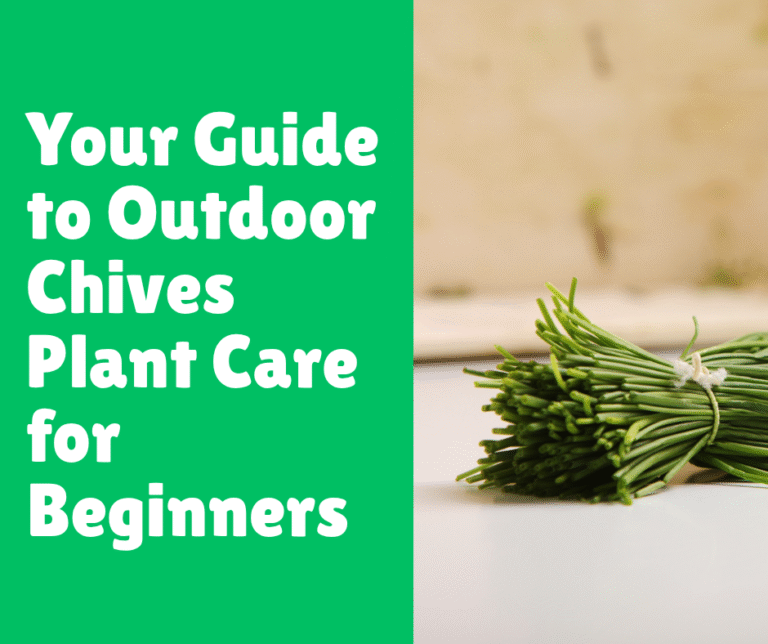
3. Chives (Allium schoenoprasum)
Chives are a must-have for any cook. They provide a mild onion flavor that’s perfect for eggs, potatoes, and salads. Plus, their purple puffball flowers in the spring are beautiful and edible!
- Why it loves shade: While chives can handle full sun, they are surprisingly content in partial shade. The shade keeps their tender green shoots from drying out and becoming tough.
- Varieties to Try:Common chives are the classic. For a hint of garlic, try garlic chives (Allium tuberosum), which have flat leaves and white flowers. They are also very shade-tolerant.
- Growing Tips: Chives grow in clumps and are very low-maintenance. To harvest, just give them a haircut with scissors, cutting about an an inch from the base. They’ll regrow quickly. Divide the clumps every few years to keep them vigorous.
4. Cilantro/Coriander (Coriandrumsativum)
Ah, cilantro. The herb people either love or think tastes like soap. I’m firmly in the “love it” camp. The biggest challenge with cilantro is that it bolts super fast in the heat.
- Why it loves shade: Shade is your secret weapon against bolting! Planting cilantro where it gets afternoon shade keeps the soil cooler and can extend your harvest season by several weeks.
- Varieties to Try: Look for “slow-bolt” varieties at the garden center or in seed catalogs. They are specifically bred to last longer before flowering.
- Growing Tips: Cilantro doesn’t love being transplanted, so it’s best to sow seeds directly into your garden or container. For a continuous supply, plant a new batch of seeds every 2-3 weeks. Once it flowers, you can let it go to seed and harvest the seeds as coriander. Two herbs for the price of one!
5. Lemon Balm (Melissa officinalis)
A member of the mint family, lemon balm has a delightful, citrusy scent that is wonderful in teas or muddled into summer drinks. It’s also known for its calming properties.
- Why it loves shade: Like its minty cousin, lemon balm can become scorched and yellowed in intense sun. It stays much greener and more fragrant in partial shade.
- Growing Tips: Be warned: it shares mint’s aggressive spreading habit. Definitely plant this one in a pot unless you want a lemon balm meadow. It can get a bit leggy, so don’t be afraid to prune it back hard mid-season to encourage bushier, fresh growth.
6. Thyme (Thymus vulgaris)
Most people think of thyme as a sun-loving Mediterranean herb, and it is. However, certain types do surprisingly well in less sun, especially creeping varieties.
- Why it loves shade: While it won’t be as dense or flower as profusely as it would in full sun, thyme will still grow and produce flavorful leaves in 3-4 hours of sun. The key is excellent drainage.
- Varieties to Try:Creeping thyme varieties, often used as groundcovers, are more shade-tolerant than upright English thyme. Lemon thyme also seems to handle a bit of shade quite gracefully.
- Growing Tips: The absolute most important thing for thyme is well-draining soil. It hates having “wet feet.” If you have heavy clay soil, grow it in a container or a raised bed with plenty of sand or perlite mixed in.
7. Dill (Anethumgraveolens)
Dill’s feathery foliage and unique flavor are essential for pickles, fish dishes, and potato salads. Like cilantro, it has a reputation for bolting when things get hot.
- Why it loves shade: You guessed it—afternoon shade helps prevent premature flowering. It keeps the plant focused on producing those lovely fronds for a longer period.
- Growing Tips: Dill develops a long taproot, so direct sowing is the way to go. It can get tall and floppy, so it might need staking, or you can plant it near other plants it can lean on. FYI, it’s a host plant for the beautiful Black Swallowtail butterfly caterpillar!
8. Lovage (Levisticumofficinale)
Lovage is an old-fashioned herb that deserves a major comeback. It tastes like a cross between celery and parsley but is much more intense. A single leaf is enough to flavor a whole pot of soup.
- Why it loves shade: This is a big plant that can grow up to 6 feet tall! In full sun, its large leaves can wilt dramatically on hot afternoons. Partial shade keeps it looking perky and lush.
- Growing Tips: Give it space! This is not a small container herb. It needs rich, moist soil. The stems are hollow and make excellent, flavorful straws for a Bloody Mary. Just saying. 🙂
9. Sweet Woodruff (Galiumodoratum)
While not a culinary herb in the traditional sense, sweet woodruff is a fantastic, shade-loving groundcover. When dried, its leaves smell like freshly mown hay and vanilla. It’s traditionally used to flavor May wine.
- Why it loves shade: This is a true shade plant. It will burn to a crisp in direct sun. It’s perfect for growing under trees or on the north side of your house where nothing else seems to grow.
- Growing Tips: It loves moist, acidic soil, similar to what you’d find on a forest floor. It spreads to form a dense mat, effectively choking out weeds. The tiny white flowers in spring are just darling.
10. Chervil (Anthriscuscerefolium)
Often called “French parsley,” chervil is one of the four herbs in the classic French fines herbes blend. It has a delicate, anise-like flavor and lacy, fern-like leaves.
- Why it loves shade: Chervil is a cool-season herb that bolts at the first sign of summer heat. It absolutely requires shade to survive past late spring. It’s happiest in dappled light or a spot that only gets a little morning sun.
- Growing Tips: Like cilantro and dill, sow it directly and successively for a continuous harvest. Its flavor is delicate and is best added at the very end of cooking or used fresh in salads.
Common Mistakes to Avoid (That I’ve Totally Made)
Gardening is all about trial and error, but maybe you can learn from some of my… well, let’s call them “learning experiences.”
- Mistake 1: Overwatering. Gardeners often assume “shade” means “damp.” While shady spots do dry out slower than sunny ones, soil that is constantly waterlogged is a death sentence for most herbs (even the shade-tolerant ones). It leads to root rot. The Fix: Always check the soil before watering. Stick your finger in about an inch deep. If it feels dry, it’s time to water. If it’s damp, wait another day.
- Mistake 2: Poor Air Circulation. Shady areas, especially against a wall or fence, can have stagnant air. This creates the perfect environment for fungal diseases like powdery mildew. I once lost a whole patch of lemon balm this way. The Fix: Don’t crowd your plants. Give them enough space so that air can move freely between them. If you see signs of powdery mildew (a white, dusty coating on the leaves), prune the affected parts to improve airflow.
- Mistake 3: Forgetting to Fertilize (or Over-fertilizing). Herbs in the shade may grow a bit slower and less vigorously. Some people try to “fix” this with tons of fertilizer. This often just leads to weak, leggy growth with less flavor. On the flip side, container herbs will exhaust their soil’s nutrients. The Fix: For in-ground herbs, amending the soil with compost once a year is usually enough. For container herbs, use a balanced, liquid fertilizer at half-strength every 4-6 weeks during the growing season.
- Mistake 4: Expecting a Sun-Lover to Adapt. This is the big one. You can’t just stick a rosemary or basil plant in the shade and hope for the best. It won’t work. They need that intense sun to produce the essential oils that give them their characteristic flavor and aroma. The Fix: Be realistic. Choose plants that are suited to the light you have, not the light you wish you had. Embrace the shade-lovers!
Conclusion: Embrace Your Shady Side
Your shady yard isn’t a limitation; it’s an opportunity. It’s a chance to grow a whole different palette of flavors and fragrances that many sun-drenched gardens miss out on. You can have the delicate perfume of sweet woodruff, the endless supply of mint for your summer drinks, and the fresh, cool flavor of parsley for your cooking, all without needing 8 hours of blistering sun.
- First, understand your light. Spend a day mapping the sun and shade in your yard to find the perfect spots.
- Choose the right herbs. Focus on plants like mint, parsley, chives, cilantro, and lemon balm that genuinely prefer a break from the afternoon sun.
- Watch out for common pitfalls. Avoid overwatering, ensure good air circulation, and don’t try to force a sun-loving plant to live in the shade.
- Most importantly, have fun with it! Gardening should be a joy, not a chore.
So go ahead, look at that shady patch under the maple tree or that north-facing balcony not as a problem, but as the future home of a lush, delicious, and thriving herb garden.
I’d love to hear from you! What are your favorite shade-loving herbs? Do you have any tips or tricks for gardening in the shade? Share your thoughts in the comments below!
Frequently Asked Questions (FAQs)
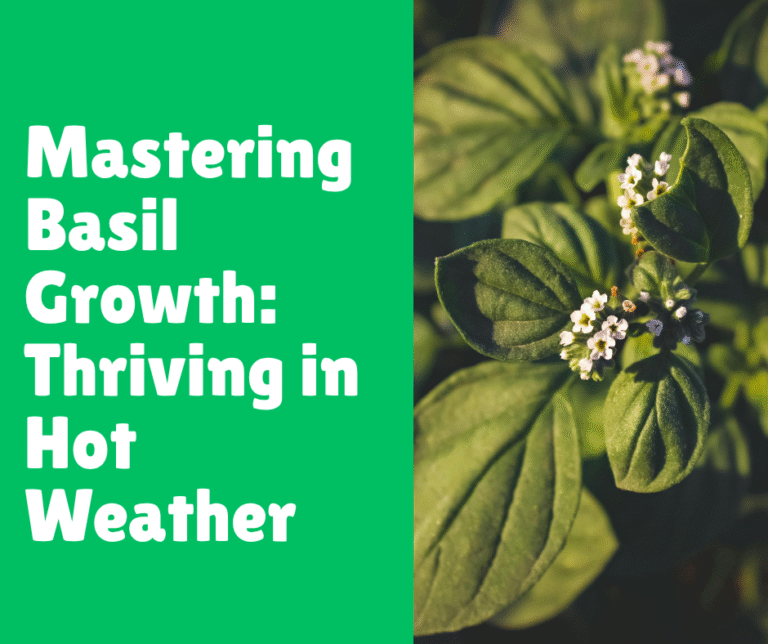
Can I grow basil in the shade? It’s my favorite herb!
I get this question a lot! Unfortunately, basil is a true sun-worshipper. It needs at least 6-8 hours of direct sun to be healthy and flavorful. In the shade, it will be spindly, pale, and very prone to disease. It just won’t produce enough of the oils that give it that classic basil taste.
My “partial shade” herbs look really leggy and stretched out. What am I doing wrong?
“Legginess” is a classic sign that a plant is stretching to find more light. While the herbs on this list are shade-tolerant, they do still need some light. If they are in very deep or dark shade, they will stretch toward the nearest light source. You might need to move them to a spot that gets a little more morning sun or dappled light.
Do herbs grown in shade taste different from those grown in the sun?
Yes, they can! And it’s not always a bad thing. For some herbs, like mint and parsley, a bit of shade can lead to larger, more tender leaves and a more delicate flavor because the plant isn’t stressed by intense heat. For herbs that are borderline sun-lovers, like thyme, the flavor might be slightly less intense than a sun-grown counterpart.
Can I start shade-tolerant herbs from seed indoors?
Absolutely! Starting seeds indoors is a great way to get a head start on the season. Just be aware that most seedlings need a lot of light to get established, even if the mature plant is shade-tolerant. You’ll need a bright, south-facing window or, ideally, a simple grow light.