Beyond the Kitchen: Planting Herbs for Bees and Pollinators
Post Disclaimer
Content on this site is for educational use only and not a substitute for medical advice. Herbal remedies are based on traditional knowledge and not medical recommendations. Please consult a healthcare professional before trying any herb. We do not assume responsibility for any outcomes or adverse effects resulting from the use of information provided here.
There’s a certain magic in an herb garden. It’s a place of scent and flavor, where a quick snip can transform a meal. For a long time, that was my primary focus: growing basil for pesto, rosemary for roasts, and mint for tea. My herbs served me. Then one sunny afternoon, I noticed my oregano was buzzing.
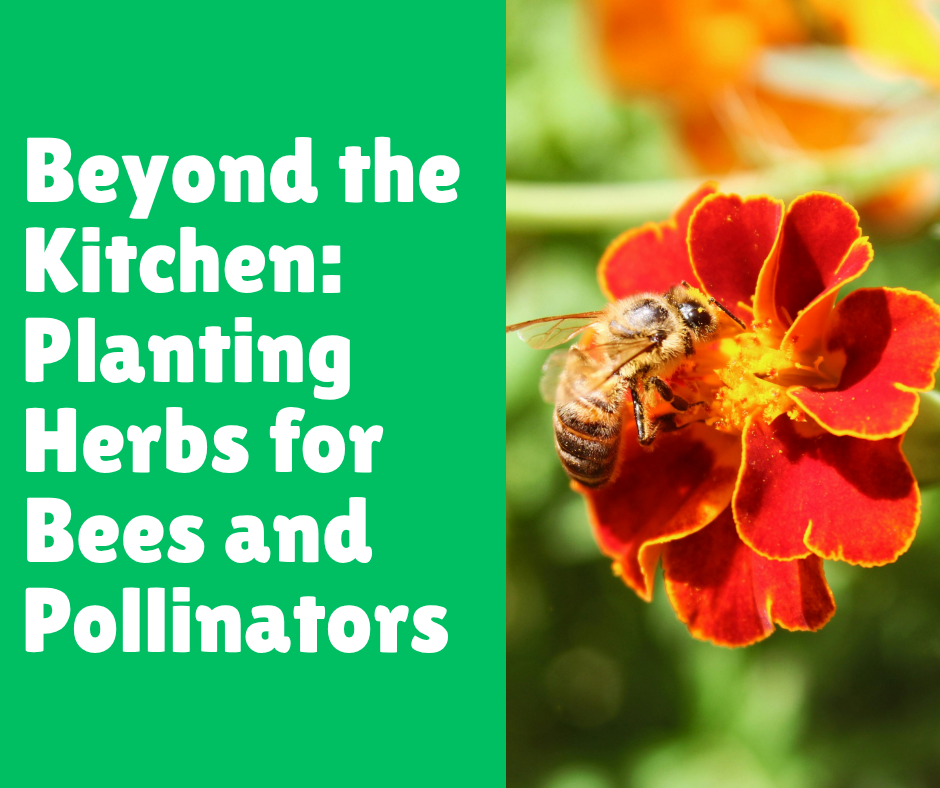
Not with a pest problem, but with a vibrant, thrumming cloud of tiny native bees, honeybees, and hoverflies. They were completely ignoring the showy zinnias nearby and making a literal “beeline” for the tiny white flowers I had almost pruned off.
That was my lightbulb moment. My herb garden wasn’t just a culinary resource; it was a five-star restaurant for pollinators. I realized that by making one simple change in my gardening philosophy letting my herbs flower I could create a thriving ecosystem right on my patio.
This transformed my entire approach. Now, I plant with two purposes in mind: one for my kitchen, and one for the bees, butterflies, and other vital pollinators that keep our world growing.
This guide is for anyone who wants to do the same. We’ll explore the best herbs to plant, how to create a garden layout that pollinators will love, and the simple practices that turn a good herb garden into a brilliant pollinator sanctuary. It’s easier than you think, and the reward is a garden that’s not only productive for you but also humming with life.
The All-Stars: Top Herb Choices for a Pollinator Paradise
Not all herbs are created equal in the eyes of a bee. While most will attract some attention if allowed to flower, a few are absolute superstars that provide an irresistible buffet of nectar and pollen.
When I plan my garden now, I make sure to include a mix from these categories to ensure there’s something blooming from early spring straight through to the first frost.
1. The Mediterranean Powerhouses: Mints, Sages, and Oregano
These herbs are the workhorses of my pollinator garden. They are generally drought-tolerant, sun-loving, and when they bloom, they produce dense clusters of tiny flowers that are perfect for a wide range of bees, from large bumblebees to tiny native specialists.
- Oregano and Marjoram (Origanum species): If I could only plant one herb for pollinators, it might be oregano. Once it starts blooming in mid-summer, it produces clouds of white or pink flowers that are mobbed by pollinators until fall. I’ve seen honeybees, bumblebees, tiny sweat bees, and all sorts of beneficial wasps and hoverflies on my oregano patch. It’s a complete ecosystem on a single plant. Marjoram, its sweeter cousin, is just as popular.
Plant Greek Oregano for that classic culinary flavor, and let at least half the plant go to flower. You can still harvest from the non-flowering stems.
- The Mint Family (Mentha species): This includes Spearmint, Peppermint, Apple Mint, and Mountain Mint (Pycnanthemum). While we often grow mint for its leaves, its delicate whorls of flowers are a crucial late-season food source. Mountain Mint, in particular, is a pollinator magnet unlike anything else. It might not be your go-to for mojitos, but its silvery foliage and long-lasting blooms are a must-have for a wildlife garden.
Always plant mints in containers! They are notoriously aggressive spreaders and will take over a garden bed in a single season. A large pot keeps them contained while still allowing them to flower profusely for your buzzing friends.
- Culinary Sage (Salvia officinalis): The fuzzy leaves are a kitchen staple, but the stalks of purple-blue flowers that emerge in late spring are a feast for bumblebees and other large bees. Their tube-shaped flowers are perfectly designed for bees with long tongues.
Don’t stop at culinary sage! The Salvia genus is enormous. Pineapple Sage (Salvia elegans) offers brilliant red flowers in the fall that are a favorite of late-season hummingbirds and bees. Meadow Sage (Salvia nemorosa) is a perennial that creates stunning purple spikes year after year.
The Umbel-Shaped Wonders: Dill, Fennel, and Coriander
This group of herbs, part of the carrot family, produces large, umbrella-shaped flower heads called umbels. These umbels are composed of hundreds of tiny, shallow flowers, making them accessible to a huge diversity of pollinators, especially beneficial insects with short mouthparts.
- Dill (Anethumgraveolens): I always plant more dill than I need for pickles. Once it bolts and sends up its yellow flower heads, it becomes a landing pad for ladybugs, lacewings, and tiny parasitic wasps. These are the good guys! They are voracious predators of garden pests like aphids. So, by planting dill, you’re not just feeding pollinators; you’re recruiting a natural pest control army.
- Fennel (Foeniculumvulgare): Similar to dill but larger and more robust, fennel’s yellow umbels are a major draw for swallowtail butterflies. They use fennel (and dill) as a host plant, meaning they lay their eggs on the leaves. You might find a few caterpillars munching on your plant, but I consider it a small price to pay for the joy of seeing those gorgeous butterflies in my garden. Bronze fennel, with its smoky foliage, is particularly beautiful.
- Coriander/Cilantro (Coriandrumsativum): Everyone who grows cilantro knows the frustration of it bolting in the summer heat. My perspective changed when I started gardening for pollinators. Now, I embrace the bolt! The lacy white flower umbels that follow are incredibly attractive to hoverflies, whose larvae are aphid-eating machines. I simply practice succession planting: sow new cilantro seeds every few weeks for a continuous leaf harvest, and let the older plants flower for the insects.
The Classic Floral Herbs: Lavender, Borage, and Chamomile
These herbs are as beautiful as they are useful, providing both valuable nectar and a cottage-garden aesthetic.
- Lavender (Lavandula): The iconic purple spikes of lavender are synonymous with bees. The long bloom time and nectar-rich flowers make it a reliable food source all summer long. English lavender (Lavandulaangustifolia) is particularly hardy and a bee favorite. French and Spanish lavenders also work wonderfully, especially in warmer climates. The key is full sun and excellent drainage—lavender hates having wet feet.
- Borage (Boragoofficinalis): Borage is, without a doubt, one of the most bee-friendly plants you can grow. It produces beautiful, star-shaped blue flowers that hang in downward-facing clusters. What’s fascinating is that borage refills its nectar supply as frequently as every two minutes, making it an incredibly rich and reliable food source. Bumblebees, in particular, adore it. It self-seeds readily, so once you have it, you’ll likely have it for years. I just pull up the volunteers where I don’t want them and let them flourish elsewhere.
- Chamomile (Matricariarecutita): The cheerful, daisy-like flowers of German chamomile are not just for tea. Their open faces provide easy access to pollen and nectar for a variety of small bees and hoverflies. It’s an easy-to-grow annual that will flower its head off all summer long with minimal care.
Designing Your Pollinator Herb Garden: Layout and Strategy
Simply planting these herbs is a great start, but a little strategic thinking can elevate your garden from a simple snack bar to a full-service, all-season resort for pollinators.
Create Blooming Blocks
Instead of scattering individual plants around your garden, try planting in “blocks” or “drifts” of at least three to five of the same plant. When pollinators are flying overhead, a large patch of a single color is a much more effective and attractive target than a single, isolated plant. It’s like a giant, colorful landing strip. This also allows them to forage more efficiently, moving from flower to flower of the same type without wasting energy. I dedicate a 3×3 foot square just to oregano, and when it’s in bloom, the entire patch vibrates with activity.
Think in 3D: Layering for a Tiered Buffet
A successful pollinator garden has variety in height. This creates different microclimates and caters to the preferences of different insects.
- Tall Layer: Use taller herbs like fennel, dill, or a climbing rosemary against a fence or trellis as a backdrop.
- Mid-Layer: Fill the middle with bushy, mid-height herbs like sage, borage, lavender, and oregano.
- Low Layer (Edging): Use low-growing, spreading herbs like thyme or Roman chamomile as a fragrant border. Creeping thyme, when it flowers, creates a stunning purple carpet that low-foraging bees love.
This layering creates a visually appealing garden and maximizes your growing space, offering a multi-level buffet for visiting pollinators.
Plan for a Year-Round Calendar
A pollinator’s life is a constant search for food. A garden that only blooms in July is of limited use. Your goal should be to have something flowering from the last frost of spring to the first frost of autumn.
- Early Spring: Chives are one of the first herbs to bloom, offering crucial early-season nectar with their cheerful purple puffball flowers. Rosemary can also flower very early in mild climates.
- Late Spring/Early Summer: Sage, thyme, and lavender kick off the main season.
- Mid-Summer: This is peak time. Borage, oregano, mints, dill, and fennel will be in full swing.
- Late Summer/Fall: This is a critical period when many other flowers are fading. Mountain mint, anise hyssop (a phenomenal licorice-scented herb), and Pineapple Sage become lifesavers for pollinators stocking up for winter or migrating.
Don’t Forget the Water and Shelter
Food is only part of the equation. Pollinators also need water and a place to rest and nest.
- Provide a Water Source: A simple, shallow dish filled with water and some pebbles or marbles is a perfect pollinator drinking station. The pebbles give them a safe place to land so they don’t drown. I have a terracotta saucer on my patio that I refresh every day, and I constantly see bees and wasps stopping for a drink.
- Leave Some Bare Ground: Many of our native bees (around 70%!) are ground-nesters. They need small patches of bare, undisturbed, well-drained soil to dig their nests. Instead of mulching every single inch of your garden, consider leaving a few sunny spots open for them.
- Create Stem Bundles: Other native bees are cavity-nesters. They use hollow stems for their nests. At the end of the season, instead of clearing away all your dead fennel or borage stems, leave a clump of them standing over the winter. Or, you can bundle a handful of hollow stems (like bamboo or raspberry canes) and place them in a sheltered spot.
Common Mistakes to Avoid (That I Learned the Hard Way)
Creating a pollinator-friendly herb garden is a forgiving process, but there are a few common missteps that can hinder your success. Steering clear of these will save you time and help your garden thrive much faster.
1. The “Tidy Gardener” Pruning Reflex
This was my biggest hurdle. For years, my instinct was to deadhead flowers as soon as they looked slightly faded to keep the plant looking neat and encourage more blooms. In an ornamental flower garden, this makes sense. In a pollinator herb garden, it’s counterproductive.
- The Mistake: Pruning off flower heads the moment you see them, or cutting the plant back before it even has a chance to bloom because you’re focused solely on harvesting leaves.
- The Fix: Learn to embrace a little “wildness.” Let your herbs flower! This is the entire point. When a flower stalk appears on your basil or oregano, resist the urge to immediately snip it off. I now use a “harvest half, leave half” rule. I keep one side of the plant pruned for kitchen use and let the other side flower freely for the bees. For herbs like cilantro, I let the first planting bolt and flower completely while I start a second planting for my own use.
2. The Pesticide Panic
You see a few aphids on your dill and your first thought is to reach for a spray. This is a critical mistake in a garden designed to attract insects.
- The Mistake: Using broad-spectrum pesticides (even organic ones like neem oil or insecticidal soap) at the first sign of a pest. These sprays don’t differentiate between “bad” aphids and “good” ladybug larvae or bee species. You will kill the beneficial insects you’re trying to attract.
- The Fix: Practice patience and integrated pest management. First, a few pests are not an infestation; they are food for the beneficial insects you’re inviting. Let nature’s pest control army do its job. If you do have a major outbreak, try physical removal first (a strong jet of water from the hose can dislodge many aphids). If you must spray, use it as a last resort, apply it very late in the evening when bees are not active, and spot-treat only the affected areas, never spraying open flowers.
3. Planting a Monoculture “Miracle” Herb
You read that borage is the best plant for bees, so you plant an entire garden bed of just borage. While the bees will love it for a few weeks, this approach is flawed.
- The Mistake: Relying on only one or two types of “pollinator-friendly” herbs.
- The Problem: This creates a “boom and bust” cycle of nectar. You’ll have a feast for three weeks in July, but a famine in May and September. It also only appeals to the specific pollinators that prefer that one plant. Different bees have different tongue lengths and foraging preferences.
- The Fix: Diversity is everything. Plant a wide variety of herbs with different flower shapes, sizes, colors, and bloom times. A mix of mints, umbels (dill/fennel), and classic floral herbs (lavender/borage) will cater to a much broader range of pollinators and provide a continuous food source throughout the seasons.
4. Ignoring the Native Factor
While culinary herbs from around the world are fantastic, it’s a mistake to completely ignore the native herbs and wildflowers that are adapted to your specific region.
- The Mistake: Only planting herbs of European or Mediterranean origin (like lavender, rosemary, and oregano).
- The Reason It Matters: Native pollinators have co-evolved over thousands of years with native plants. They are often uniquely adapted to feed from them, and some specialist bees can feed on nothing else.
- The Fix: Do a little research on pollinator-friendly herbs and wildflowers native to your area. This could include plants like bee balm (Monarda), anise hyssop (Agastachefoeniculum), or wild bergamot. Integrating these native powerhouses into your herb garden will support local specialist bees and add a new level of ecological function to your space.
Conclusion: A Garden That Gives Back
Transforming your herb garden into a pollinator sanctuary is one of the most rewarding things you can do as a gardener. It shifts your perspective from simply taking from the garden to creating a partnership with it. You’re not just growing ingredients; you’re cultivating a vibrant, living ecosystem that supports the tiny creatures essential to our food web.
I encourage you to start small. Pick two or three herbs from this list, let them bloom, and just watch. See who comes to visit. I promise you’ll be captivated. What herbs are you planning to let flower in your garden this year? Share your plans or ask your questions in the comments below!
Frequently Asked Questions (FAQs)
If I let my basil flower, will the leaves still be good to eat?
Yes, the leaves are still perfectly edible, but they may develop a slightly more bitter or less intense flavor. When a plant flowers, it diverts energy from leaf production to seed production. Many gardeners (myself included) use a hybrid approach: keep one basil plant pruned heavily for a constant supply of prime culinary leaves, and let another one flower for the bees.
I live in an apartment with just a small balcony. Can I still create a good pollinator herb garden?
Absolutely! A few well-chosen pots can make a huge difference. For a small space, I’d recommend a pot of chives (for early spring), a pot of oregano (for summer), and perhaps a pot of anise hyssop or a compact lavender variety. Even this small combination provides blooms across multiple seasons. The key is choosing a spot that gets at least 6 hours of sun. Pollinators will find you, even several stories up.
Will attracting bees to my patio or garden increase my chances of getting stung?
This is a common and understandable concern, but the risk is very low. Foraging bees are not aggressive; they are focused on their “work” of collecting nectar and pollen. They have no interest in stinging you unless they are physically threatened (i.e., stepped on or swatted at). Honeybees die when they sting, so it is an absolute last resort for them.
Some of my herbs, like rosemary, rarely seem to flower. What am I doing wrong?
This often comes down to maturity, sunlight, and pruning. Rosemary needs to be a fairly mature plant before it flowers profusely. It also needs maximum sunlight at least 6-8 hours of direct sun. Finally, be careful with your pruning schedule. Rosemary forms its flower buds on the previous year’s growth.
I saw a huge, fuzzy black bee on my sage. Was it a carpenter bee, and are they bad for my house?
It’s very likely you saw either a carpenter bee or a bumblebee, both of which are excellent pollinators. Large female carpenter bees can look intimidating, but they are quite gentle. They get their name because they excavate nests in soft, unfinished wood. They are not interested in painted or treated wood, so they rarely cause structural damage to homes.