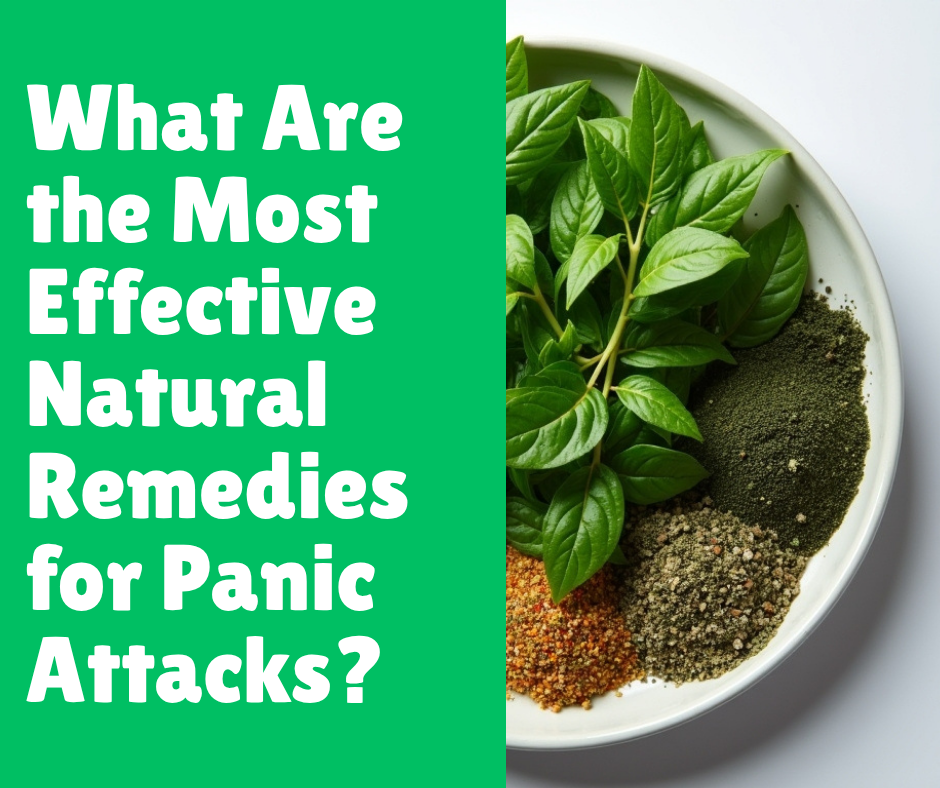
What Are the Most Effective Natural Remedies for Panic Attacks?
Post Disclaimer
Content on this site is for educational use only and not a substitute for medical advice. Herbal remedies are based on traditional knowledge and not medical recommendations. Please consult a healthcare professional before trying any herb. We do not assume responsibility for any outcomes or adverse effects resulting from the use of information provided here.
Panic attacks can feel overwhelming and terrifying, leaving you gasping for air, your heart racing, and your mind spiraling.
For many, the physical and emotional intensity of these episodes is hard to describe to others, and it often leaves people feeling isolated and unsure of where to turn for help.
While medication and therapy are commonly prescribed treatments for panic attacks, there are many natural remedies that can help ease the symptoms and potentially prevent future attacks.
In this blog post, I’ll dive into several effective natural remedies for panic attacks, explain how they work, and give you practical steps on how to incorporate them into your daily routine. These methods are holistic, meaning they treat the body and mind as a whole, promoting long-term healing and mental clarity.
I’ve gathered a range of techniques that can help you regain control, calm your nerves, and start feeling more at ease in your own skin.
Whether you’re looking for quick relief during an episode or seeking preventative measures, there’s something here for everyone.
Breathing Techniques: The Power of Your Breath
One of the most immediate and powerful ways to manage panic attacks is through controlled breathing. Panic attacks often lead to shallow, rapid breathing, which can make the situation worse.
Slow, deep breathing, on the other hand, helps activate the parasympathetic nervous system (your “rest and digest” system) and calms the fight-or-flight response. Let’s take a closer look at some effective breathing techniques.
Diaphragmatic Breathing (Abdominal Breathing)
This technique is great because it engages the diaphragm, allowing you to take deeper, fuller breaths. It helps shift your body from panic mode to a state of relaxation.
Steps to practice diaphragmatic breathing:
- Sit or lie down in a comfortable position.
- Place one hand on your chest and the other on your abdomen.
- Take a slow, deep breath in through your nose, allowing your abdomen to rise (your chest should remain relatively still).
- Hold your breath for a moment, then slowly exhale through your mouth.
- Repeat for 5-10 minutes.
4-7-8 Breathing Technique
This technique, made popular by Dr. Andrew Weil, is especially useful for calming down when panic is at its peak. It’s simple but effective.
Steps to practice 4-7-8 breathing:
- Sit comfortably with your back straight and your tongue on the roof of your mouth (just behind your upper teeth).
- Inhale quietly through your nose for a count of 4.
- Hold your breath for a count of 7.
- Exhale completely through your mouth for a count of 8.
- Repeat this cycle three to four times.
By focusing on your breath and controlling its pace, you can reduce the intensity of a panic attack almost instantly.
Mindfulness and Meditation: Reclaiming Your Present Moment
When you’re in the middle of a panic attack, your mind is often racing with irrational thoughts, doubts, and fears. One of the most effective natural remedies for panic attacks is practicing mindfulness.
By bringing your awareness to the present moment, you can break the cycle of overwhelming thoughts and regain a sense of calm. Meditation is a great tool to help you practice mindfulness and find inner peace.
Guided Meditation for Anxiety
Guided meditation is an easy way to start practicing mindfulness, especially for those who are new to the concept.
During guided meditation, a narrator or instructor leads you through a series of calming exercises designed to reduce anxiety.
Steps to practice guided meditation:
- Find a quiet space where you won’t be disturbed.
- Use an app like Headspace, Calm, or Insight Timer to access free guided meditations.
- Sit comfortably or lie down.
- Follow the voice of the guide, focusing on your breath and letting go of any distractions or tension.
Grounding Techniques
Grounding exercises are great for calming your mind and connecting you with the present moment. A simple yet effective method is the 5-4-3-2-1 grounding technique.
Steps to practice 5-4-3-2-1 grounding:
- Acknowledge 5 things you can see around you.
- Notice 4 things you can feel (the texture of your clothes, the ground beneath you).
- Listen for 3 things you can hear (perhaps the hum of an appliance or distant traffic).
- Identify 2 things you can smell.
- Focus on 1 thing you can taste (perhaps take a sip of water or chew a mint).
This technique helps you focus your attention away from anxious thoughts and onto your surroundings.
Herbal Remedies: Nature’s Calming Power
For centuries, people have turned to herbs and plants to help ease anxiety and panic attacks. Certain herbs contain compounds that promote relaxation and balance the body’s stress response. Here are some well-known natural remedies that may help soothe your nervous system.
Lavender
Lavender is widely recognized for its calming properties. Studies have shown that lavender essential oil can reduce symptoms of anxiety and panic attacks, helping to lower heart rate and blood pressure.
How to use lavender for panic attacks:
- Add a few drops of lavender essential oil to a diffuser and breathe in the soothing scent.
- Use a lavender-scented pillow spray to help you relax before bed.
- You can also add a drop of lavender oil to a handkerchief and inhale deeply during a panic episode.
Chamomile
Chamomile is another herb that can help relax your nervous system and reduce anxiety. It’s commonly consumed as a tea, but you can also use it in aromatherapy.
How to use chamomile for panic attacks:
- Drink chamomile tea in the evening or during stressful moments.
- Use chamomile essential oil in a diffuser or dilute it in a carrier oil for topical use (e.g., on your wrists or temples).
Valerian Root
Valerian root is known for its sedative effects, helping to induce sleep and reduce anxiety. While it’s more commonly used for insomnia, it may also be beneficial for calming panic attacks.
How to use valerian root for panic attacks:
- Take valerian root in capsule form or as a tea (consult a doctor for proper dosage, as it can interact with other medications).
- You can also use valerian root oil in a diffuser to calm your nerves.
Table: Herbal Remedies for Panic Attacks
| Herb | Benefits | How to Use |
| Lavender | Reduces anxiety, promotes calm | Essential oil in a diffuser, pillow spray, or inhale directly from a handkerchief |
| Chamomile | Calms the nervous system, induces sleep | Drink chamomile tea or use chamomile essential oil |
| Valerian Root | Sedative effect, reduces anxiety | Take as a capsule, tea, or use essential oil |
Lifestyle Changes: Building Resilience Against Panic
While natural remedies can offer immediate relief, lifestyle changes are crucial for long-term healing. Incorporating healthy habits into your daily routine can help strengthen your body’s response to stress and reduce the frequency of panic attacks.
Regular Exercise
Exercise is a powerful tool in managing anxiety. Physical activity helps release endorphins (the body’s “feel-good” chemicals), which can improve your mood and reduce stress levels.
Steps to incorporate exercise into your routine:
- Aim for at least 30 minutes of moderate exercise 4-5 times a week.
- Find an activity you enjoy (yoga, running, swimming, or even a walk in the park).
- Focus on the movement and your breath during exercise, which can help you stay grounded and reduce anxiety.
Sleep Hygiene
Poor sleep can exacerbate feelings of anxiety, making panic attacks more likely. Improving your sleep hygiene can help restore balance to your nervous system and reduce stress.
Steps to improve sleep hygiene:
- Establish a consistent sleep schedule by going to bed and waking up at the same time each day.
- Create a relaxing bedtime routine, such as reading or practicing deep breathing.
- Avoid caffeine, alcohol, or heavy meals close to bedtime.
Healthy Diet
What you eat can significantly impact your mental health. Diets high in sugar, caffeine, or processed foods can exacerbate feelings of anxiety and stress.
Steps for a balanced diet:
- Focus on whole foods like fruits, vegetables, lean proteins, and whole grains.
- Avoid too much caffeine or sugar, especially if you’re prone to anxiety.
- Drink plenty of water throughout the day to stay hydrated.
Common Mistakes to Avoid
While trying to manage panic attacks naturally, there are a few common mistakes that many people make that could make the situation worse.
Ignoring the Need for Professional Help
While natural remedies are beneficial, they are not a substitute for professional treatment when necessary. If panic attacks are frequent, severe, or interfere with your daily life, it’s essential to seek support from a therapist or doctor.
Relying on Just One Method
No single natural remedy is a cure-all. It’s important to combine different strategies (like breathing exercises, mindfulness, and herbal remedies) for a holistic approach to managing panic attacks.
Not Giving Remedies Time to Work
Natural remedies, including herbs and lifestyle changes, often take time to show noticeable effects. Be patient and consistent in applying them to your routine.
Conclusion
Panic attacks can be incredibly disruptive, but the good news is that there are many natural remedies that can help manage and reduce their occurrence.
From breathing techniques and mindfulness practices to herbal remedies and lifestyle changes, there are plenty of ways to regain control over your mind and body.
Remember, it’s not about finding a quick fix but rather building a set of practices that will support your mental health in the long term.
I encourage you to experiment with some of the techniques mentioned here, and don’t be afraid to seek professional help if necessary. Healing is a journey, and every small step counts.
- Breathing exercises can instantly calm your nervous system.
- Mindfulness and meditation help you regain control during a panic attack.
- Herbal remedies like lavender and chamomile can provide soothing relief.
- Lifestyle changes, including regular exercise and sleep hygiene, support long-term well-being.
If you’ve found these tips helpful, share this post with someone who might benefit from it. Have you tried any natural remedies for panic attacks? Feel free to leave a comment below and share your experiences!
FAQs
Can natural remedies completely cure panic attacks?
While natural remedies can be incredibly helpful in managing symptoms, they may not completely cure panic attacks, especially if underlying issues like trauma or anxiety disorders are present. It’s best to use natural remedies in combination with professional therapy or medical advice.
How long does it take for herbal remedies to work?
Herbal remedies, like chamomile and lavender, can provide quick relief in some cases, but for long-term benefits, you may need to use them consistently for several weeks.
Are there any side effects to herbal remedies?
Most herbal remedies are safe for most people, but it’s important to consult with a healthcare provider, especially if you’re taking other medications or have pre-existing health conditions. Always follow recommended dosages.