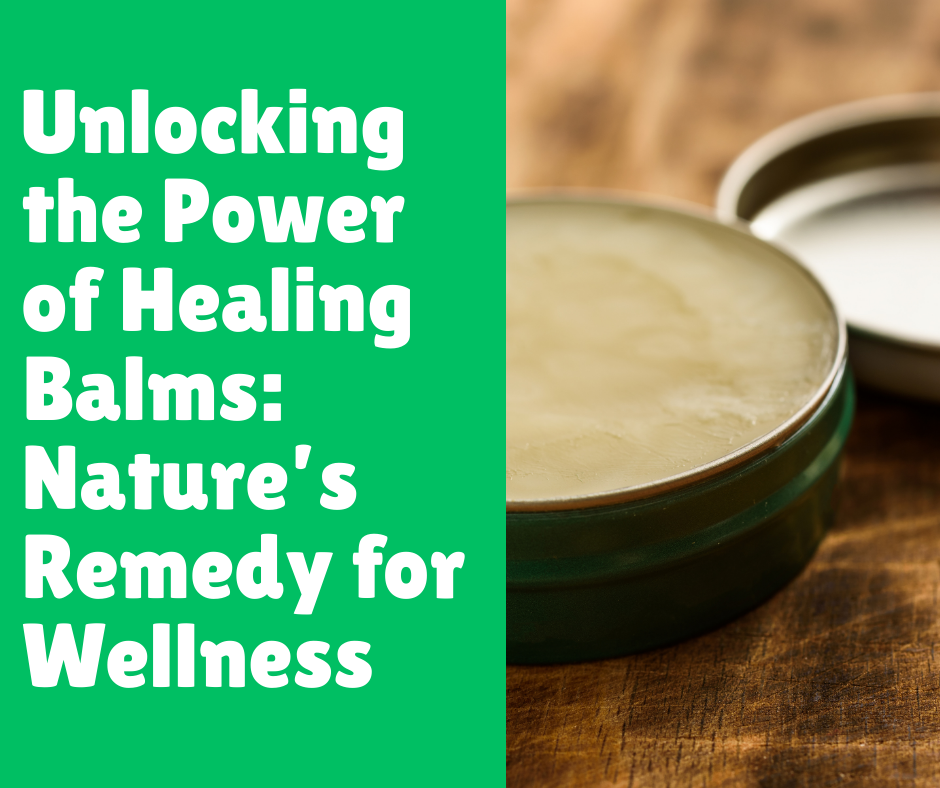
Unlocking the Power of Healing Balms: Nature’s Remedy for Wellness
Post Disclaimer
Content on this site is for educational use only and not a substitute for medical advice. Herbal remedies are based on traditional knowledge and not medical recommendations. Please consult a healthcare professional before trying any herb. We do not assume responsibility for any outcomes or adverse effects resulting from the use of information provided here.
If you’ve ever dealt with sore muscles, dry skin, or the aftermath of a minor injury, you’ve probably heard of healing balms. These small but mighty products have gained quite a reputation for their ability to soothe, repair, and rejuvenate the skin.
But what exactly makes these balms so effective, and how can you use them to enhance your own wellness routine?
In this blog post, I’ll take you on a journey to explore everything you need to know about healing balms.
From the ingredients that make them so powerful to the best ways to incorporate them into your daily life, this article will serve as your ultimate guide to healing balms.
What Are Healing Balms and Why Should You Use Them?
Healing balms are often thick, wax-based ointments or creams formulated with natural ingredients designed to soothe and nourish the skin.
They have been used for centuries across cultures to treat a variety of skin ailments, from minor cuts and bruises to conditions like eczema, psoriasis, and dry skin.
The reason healing balms are so effective lies in their composition. Unlike traditional lotions or creams that are water-based and evaporate quickly, balms typically contain oils, butters, and waxes that help lock in moisture and create a barrier against environmental factors. This makes them ideal for targeting specific problem areas where healing is needed.
Common skin issues that healing balms can address include:
- Minor cuts, scrapes, and burns: The soothing properties of many healing balms help promote faster healing and prevent infection.
- Dry skin and cracked heels: The emollient-rich formula moisturizes and softens, restoring the skin’s elasticity.
- Muscle soreness or inflammation: Many balms include pain-relieving ingredients like menthol or arnica, offering relief for aches and pains.
- Eczema and psoriasis: Healing balms can calm irritated skin, providing much-needed hydration to areas affected by these conditions.
Key Ingredients in Healing Balms: What Makes Them So Powerful?
The ingredients in healing balms are often what set them apart from other skincare products. Here are some of the most common and effective ingredients found in these balms:
| Ingredient | Benefits | Where It’s Found |
| Beeswax | Creates a protective barrier, locks in moisture | Common in many DIY balms |
| Shea Butter | Deeply nourishes and hydrates dry skin | Widely used in skin care |
| Arnica | Reduces inflammation and pain relief for bruises or muscle aches | Found in many muscle balms |
| Lavender Oil | Soothes irritated skin and promotes relaxation | Common in many balms |
| Coconut Oil | Moisturizes the skin, offers antimicrobial properties | Found in natural products |
| Tea Tree Oil | Anti-inflammatory, treats acne, and soothes burns | Common in acne and skin care products |
| Menthol | Provides a cooling effect and alleviates pain from sore muscles | Common in muscle-balms |
Each of these ingredients plays a crucial role in healing and soothing the skin. Whether it’s reducing inflammation, locking in moisture, or providing pain relief, each ingredient has a unique purpose to help your skin recover.
How to Apply Healing Balms: Step-by-Step Guide
Applying a healing balm is simple, but there are a few things to keep in mind to maximize its effectiveness. Here’s a step-by-step guide on how to use healing balms properly:
- Cleanse the Area:
Start by cleaning the area where you plan to apply the balm. Use mild soap and water to ensure the skin is free of dirt or bacteria. Pat the area dry with a clean towel. - Apply a Thin Layer:
Scoop a small amount of balm from the container using clean fingers or a spatula. Gently massage the balm into the skin in circular motions. Avoid over-applying, as a thin layer is typically all you need to see results. - Allow Time for Absorption:
Unlike lotions, balms take a little longer to absorb into the skin. Let the balm sit on the skin for a few minutes before dressing or covering the area. - Reapply as Needed:
Depending on the severity of the condition, you may need to reapply the balm two to three times a day. For muscle aches, applying it after exercise or strenuous activity can help with recovery. - Monitor Results:
Healing balms often show results within a few days of consistent use. If you don’t see improvement, you may want to try a different balm or consult with a dermatologist for advice.
Example Case Study:
After using a healing balm with arnica and menthol for two days, Jane experienced significant relief from muscle soreness after her workouts. She applied it after each workout session and noticed a reduction in both pain and stiffness in her legs. This made her training more comfortable and allowed for quicker recovery between sessions.
Common Mistakes to Avoid When Using Healing Balms
While healing balms are generally safe, there are a few mistakes you should avoid to ensure the best results:
- Overuse: Applying too much balm at once can clog pores and make your skin feel greasy. A small amount is often all you need.
- Ignoring the Ingredients: Some healing balms contain essential oils or other active ingredients that could irritate sensitive skin. Always patch test a small amount before applying it to larger areas.
- Not Using Consistently: Balms require consistent application to provide the best results. Skipping days or applying it sporadically can delay healing.
- Choosing the Wrong Type: If you’re using a balm for muscle soreness but need relief for a skin condition, it’s essential to choose the right product with the right ingredients. Not all balms are suitable for every ailment.
Why Natural Healing Balms Are Better Than Over-the-Counter Medications
Many people opt for pharmaceutical creams or ointments when dealing with skin issues or muscle aches. However, there are several reasons why natural healing balms can be a better option:
- Fewer Chemicals:
Many over-the-counter creams are packed with chemicals and preservatives that can irritate sensitive skin. Natural healing balms, on the other hand, focus on plant-based ingredients that are gentle and nourishing. - Holistic Healing:
Many healing balms contain ingredients like lavender, chamomile, and arnica, which not only heal but also promote relaxation. The holistic benefits can contribute to overall well-being, both physically and mentally. - No Harsh Side Effects:
Unlike some pharmaceuticals, natural balms generally have fewer side effects. You’re less likely to experience irritation, allergic reactions, or dependency on the product. - Versatility:
Natural healing balms can often be used for multiple purposes, from treating burns and bruises to providing relief from muscle soreness or skin dryness. This versatility makes them a great addition to any wellness routine.
Conclusion
Healing balms are a natural and effective way to promote skin recovery, soothe sore muscles, and address a variety of other skin concerns.
By choosing the right balm, applying it correctly, and avoiding common mistakes, you can maximize its benefits. Whether you’re dealing with a small cut, a dry patch of skin, or muscle soreness, there’s a healing balm that can help.
Key Takeaways:
- Healing balms are made from natural ingredients that offer various skin benefits, such as moisture, pain relief, and anti-inflammatory properties.
- They are simple to use, but consistency is key to seeing results.
- Natural healing balms can be a safer and more holistic alternative to over-the-counter medications.
Have you tried healing balms before? Share your experience in the comments below! Or, if you’re new to healing balms, try one out and let us know how it works for you. Don’t forget to share this post with friends and family who might benefit from these natural remedies!