
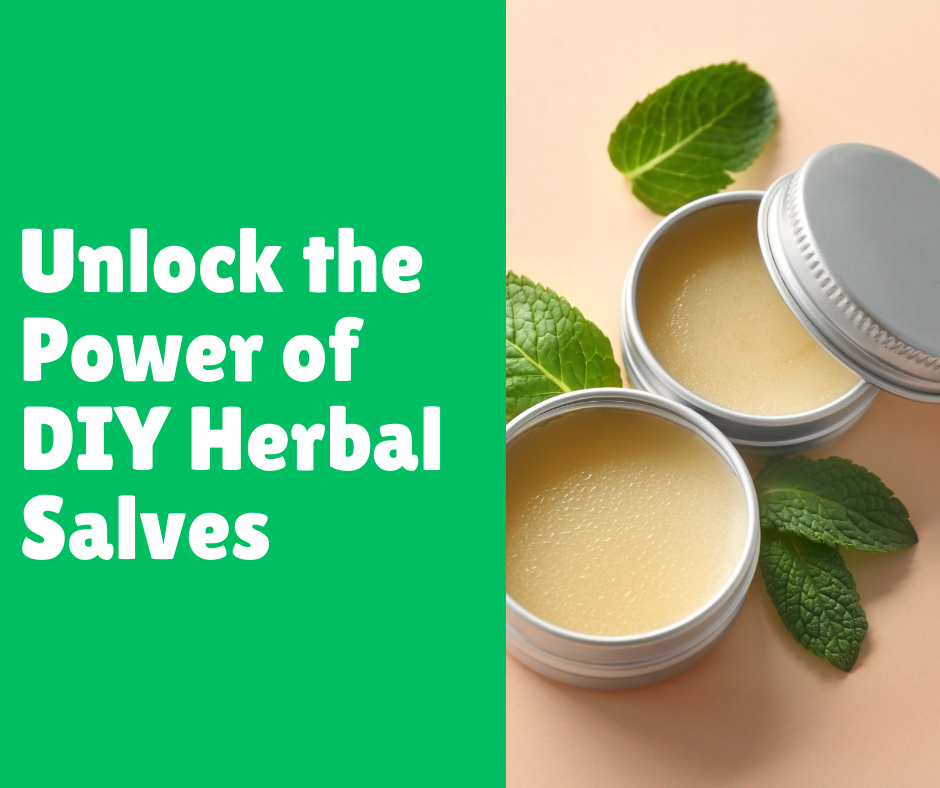
Unlock the Power of DIY Herbal Salves
Post Disclaimer
Content on this site is for educational use only and not a substitute for medical advice. Herbal remedies are based on traditional knowledge and not medical recommendations. Please consult a healthcare professional before trying any herb. We do not assume responsibility for any outcomes or adverse effects resulting from the use of information provided here.
Have you ever reached for a store-bought balm or ointment, only to find that it doesn’t quite work the way you hoped?
Or perhaps you’re concerned about the chemicals and preservatives found in many over-the-counter products.
Well, what if I told you that you could make your own healing salves at home, using natural ingredients that are not only effective but also gentle on your skin?
DIY herbal salves are a fantastic way to harness the healing properties of plants right in your own kitchen.
In this guide, I’ll walk you through everything you need to know about making your own herbal salves, from choosing the right herbs to step-by-step instructions on how to make them.
You’ll be able to craft your own natural remedies that can soothe a variety of ailments, whether it’s dry skin, muscle aches, or even insect bites.
By the end of this article, you’ll have a solid understanding of how to make your own herbal salves, so you can begin using nature’s healing power in your everyday life.
Why Make Your Own Herbal Salves?
Have you ever wondered what goes into the salves and balms that you buy at the store? Many store-bought options contain synthetic chemicals, fragrances, and preservatives that could potentially irritate your skin or contribute to health concerns over time. On top of that, they can be expensive!
Making your own herbal salves at home is a great way to avoid these concerns. Not only can you tailor the salve to your specific needs, but you also get to control the ingredients that go into it.
Plus, it’s a satisfying and empowering experience to create something that’s both effective and natural. Here’s a quick rundown of why DIY herbal salves are so beneficial:
- All-natural ingredients: You know exactly what goes into your salve, which means no harsh chemicals.
- Cost-effective: Making your own salves is far cheaper than buying high-end store products.
- Customizable: You can select herbs that suit your specific needs, whether you’re looking to soothe irritated skin or ease sore muscles.
- Eco-friendly: You can reuse containers, reducing waste and your environmental footprint.
With that in mind, let’s dive into the process of making your own herbal salves!
What You Need to Make DIY Herbal Salves
Before we get into the process, let’s look at the basic ingredients and tools you’ll need:
Ingredients
- Herbs: Choose from a variety of healing herbs based on your needs. Some popular choices include:
- Calendula: Known for its anti-inflammatory and skin-healing properties.
- Arnica: Great for soothing sore muscles and bruises.
- Lavender: Calming and great for skin irritations and cuts.
- Chamomile: Excellent for its anti-inflammatory and calming effects.
- Comfrey: A powerful herb for tissue repair and healing.
- Carrier oils: These oils are the base of your salve and help carry the herbal properties into your skin. Options include olive oil, coconut oil, sweet almond oil, or jojoba oil.
- Beeswax: Beeswax helps give your salve its solid consistency and has natural antibacterial properties.
- Essential oils (optional): For additional scent or therapeutic benefits, you can add essential oils like tea tree oil, peppermint oil, or eucalyptus oil.
- Vitamin E oil (optional): Acts as a natural preservative and skin nourisher.
Tools
- Double boiler or a small saucepan and heatproof glass bowl
- Glass jars or tins for storing your salves
- Cheesecloth or fine mesh strainer for straining the herbs
- Stirring spoon (wooden or metal)
- Measuring spoons and cups
- Small funnel (for easier filling of jars)
- Thermometer (optional, for precise temperature control)
Step-by-Step Instructions to Make Your Herbal Salve
Now that you’ve got your ingredients and tools, it’s time to get started! Follow these simple steps to create your own herbal salve:
Step 1: Prepare the Herbs
To begin, you’ll need to infuse your herbs into the carrier oil. You can do this in two ways: using the cold infusion method or the heat infusion method.
- Cold Infusion Method: This method involves letting the herbs sit in the carrier oil for 2-3 weeks in a cool, dark place. Shake the jar every few days.
- Heat Infusion Method: This is the faster method, and it’s perfect if you’re in a hurry. Combine the herbs and carrier oil in a double boiler (or a saucepan with a heatproof bowl on top) and heat gently for 2-3 hours. Be sure to keep the heat low to avoid damaging the herbs.
Step 2: Strain the Herbs
Once your herbs have infused into the oil, it’s time to strain them. Use cheesecloth or a fine mesh strainer to separate the herbs from the oil. Make sure to squeeze out as much oil as you can from the herbs to get the most out of your infusion.
Step 3: Add Beeswax
Now that you have your herbal-infused oil, it’s time to add beeswax. For a firmer salve, use more beeswax (about 1 ounce of beeswax per 1 cup of infused oil). For a softer salve, use less. Place the beeswax in your double boiler and heat it gently until it’s fully melted.
Step 4: Combine Oil and Beeswax
Once the beeswax is melted, slowly pour the infused oil into the melted beeswax, stirring constantly to combine. Make sure the mixture is smooth and well-blended.
Step 5: Test the Consistency
Before you pour the salve into containers, test the consistency by dipping a spoon into the mixture. Let it cool for a few seconds, then check if it’s firm enough for your liking. If it’s too soft, add more beeswax and heat again. If it’s too hard, add a little more infused oil.
Step 6: Add Essential Oils and Vitamin E (Optional)
Once you’ve achieved the right consistency, you can add a few drops of essential oils for fragrance or therapeutic benefits. A few drops of lavender or tea tree oil can add extra healing power. You can also add a few drops of vitamin E oil to help preserve the salve and nourish your skin.
Step 7: Pour Into Containers
Finally, pour the mixture into clean glass jars or tins. Allow the salve to cool completely before sealing the containers. Your DIY herbal salve is now ready for use!
Table: Common Herbs for DIY Herbal Salves
| Herb | Uses | Best For |
| Calendula | Anti-inflammatory, promotes healing | Cuts, rashes, dry skin |
| Arnica | Reduces bruising, alleviates muscle pain | Sore muscles, bruises, inflammation |
| Lavender | Calming, antiseptic, anti-inflammatory | Skin irritations, burns, bug bites |
| Chamomile | Soothing, reduces redness, anti-inflammatory | Sensitive skin, eczema, cuts |
| Comfrey | Helps with tissue regeneration and healing | Wounds, sprains, sore muscles |
Common Mistakes to Avoid When Making Herbal Salves
Making herbal salves can be incredibly rewarding, but there are a few common mistakes to watch out for:
- Using too much heat: Overheating your herbs can destroy their beneficial properties. Always keep the heat low, especially when infusing the oil.
- Not testing the consistency: It’s easy to end up with a salve that’s too hard or too soft. Be sure to test the mixture before pouring it into containers.
- Using low-quality oils or herbs: The effectiveness of your salve depends on the quality of the ingredients you use. Always choose organic, high-quality oils and fresh herbs.
- Not storing properly: Store your salves in a cool, dry place to avoid them melting or going rancid. Glass jars with tight-fitting lids work best for long-term storage.
Conclusion
Making your own herbal salves is a simple and enjoyable process that empowers you to take control of your health.
By following the step-by-step instructions above, you can create natural, soothing remedies that are free from harsh chemicals and preservatives.
Whether you’re looking to treat dry skin, ease sore muscles, or calm irritated skin, a DIY herbal salve is a versatile and effective solution.
Now it’s your turn to try making your own salves! I’d love to hear about your experiences feel free to share your thoughts in the comments below or share this guide with your friends who might be interested in natural healing. Happy crafting!
FAQs
1. Can I use any type of oil for making salves?
Yes! While olive oil, coconut oil, and almond oil are popular choices, you can experiment with other oils like jojoba or grapeseed oil depending on your skin type or preferences.
2. How long will my DIY herbal salve last?
If stored properly in a cool, dry place, your salve can last up to a year. The addition of vitamin E can help prolong its shelf life.
3. Can I use dried herbs instead of fresh ones?
Yes, dried herbs work just as well as fresh ones. Just be sure to infuse them for a longer period if you’re using the cold infusion method.
4. Is it necessary to use beeswax?
Beeswax helps to give the salve its solid consistency, but if you prefer a more ointment-like texture, you can reduce the amount of beeswax or skip it entirely for a softer consistency.