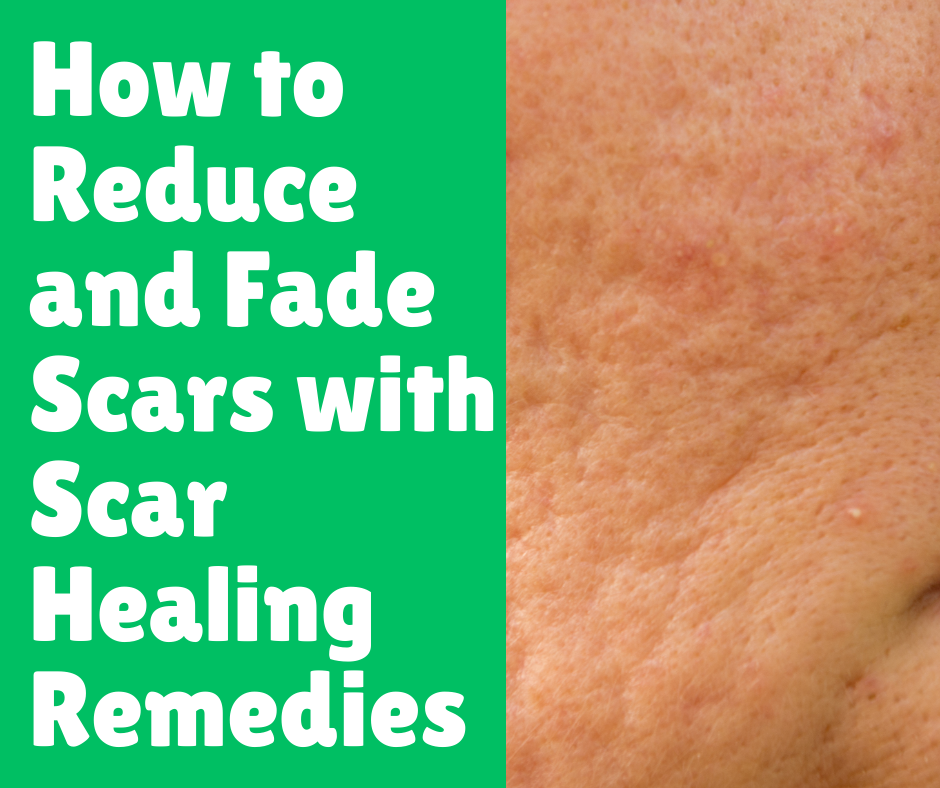
How to Reduce and Fade Scars with Scar Healing Remedies
Post Disclaimer
Content on this site is for educational use only and not a substitute for medical advice. Herbal remedies are based on traditional knowledge and not medical recommendations. Please consult a healthcare professional before trying any herb. We do not assume responsibility for any outcomes or adverse effects resulting from the use of information provided here.
We all have scars. Some are small, barely noticeable, while others can be large and prominent, a constant reminder of a past injury or surgery.
Regardless of their size, scars can sometimes be a source of frustration, causing people to feel self-conscious or uncomfortable.
The good news is that there are many ways to help scars heal and fade faster, especially when approached with a little patience and the right remedies.
If you’ve ever wondered how to improve the appearance of your scars and make them less noticeable, you’re not alone. Many people seek remedies for scar healing, whether they’re dealing with acne scars, surgical scars, or those caused by injuries.
In this post, I’ll walk you through some tried-and-tested scar healing remedies, from natural treatments to medical options, and share tips on how to avoid common mistakes during the healing process.
Natural Scar Healing Remedies: Nature’s Bounty
Many people prefer natural remedies, and luckily, nature provides some great options for helping scars heal.
Whether you’re dealing with old scars or new ones, there are a variety of herbs, oils, and natural ingredients that can promote skin regeneration, reduce inflammation, and speed up the healing process.
Aloe Vera
Aloe vera is one of the most popular natural remedies for scars due to its anti-inflammatory and soothing properties. The gel from the aloe vera plant contains compounds that help reduce redness, swelling, and irritation. Additionally, it can promote the production of collagen, which is essential for skin repair.
How to use:
- Extract fresh aloe vera gel from the leaf.
- Apply the gel directly to the scar.
- Leave it on for about 20-30 minutes before rinsing it off with warm water.
- Repeat this twice a day for the best results.
Vitamin E Oil
Vitamin E is known for its ability to heal scars and promote skin repair. It contains antioxidants that help fight free radicals, which can damage skin cells. Vitamin E is also believed to help improve the appearance of scars by promoting tissue regeneration.
How to use:
- Use pure vitamin E oil or open a vitamin E capsule.
- Gently massage it onto the scarred area.
- Allow the oil to absorb into the skin overnight.
- Repeat this every day.
Coconut Oil
Coconut oil is rich in fatty acids, which can help hydrate the skin, making it more elastic. It also has anti-inflammatory properties that can reduce redness and swelling, especially for scars caused by cuts, burns, or acne.
How to use:
- Warm a small amount of coconut oil between your hands.
- Massage it into the scar in circular motions.
- Leave it on for several hours, or overnight.
- Repeat this daily for optimal results.
Lemon Juice
Lemon juice contains alpha-hydroxy acids (AHAs), which help exfoliate the skin and promote skin cell turnover. This can be particularly beneficial for lightening scars over time.
How to use:
- Apply fresh lemon juice directly onto the scar with a cotton ball.
- Leave it on for 10-15 minutes, then wash it off with warm water.
- Be sure to apply sunscreen afterward as lemon juice can make your skin more sensitive to the sun.
Over-the-Counter (OTC) Scar Treatment Products
If you’re looking for something more effective or quicker, there are several OTC products available that can help with scar healing. These products often contain ingredients that are clinically proven to speed up the healing process.
Silicone Sheets and Gels
Silicone sheets or gels are one of the most effective over-the-counter treatments for scars. They help to hydrate the skin, which can prevent scars from becoming too dry and raised. Silicone also has been shown to reduce scar size, redness, and discomfort.
How to use:
- Clean and dry the scarred area.
- Apply the silicone sheet or gel to the scar.
- Leave it on for as long as the product recommends (often 12-24 hours a day).
- After a few weeks, you should start to see improvements in the scar’s appearance.
Hydrocortisone Cream
Hydrocortisone cream is a topical steroid that reduces inflammation and redness. While it’s not a cure for scars, it can help reduce the swelling around new scars and prevent them from becoming hypertrophic (raised scars).
How to use:
- Apply a thin layer of hydrocortisone cream to the scar.
- Use this twice a day for the best results.
- Be sure not to use it for extended periods without consulting a dermatologist.
Scar Removal Creams
There are many scar removal creams on the market, formulated with ingredients such as retinoids, hydroquinone, and collagen-stimulating compounds. These products can help regenerate skin and fade scars over time. Look for products that have good reviews and dermatologist recommendations.
How to use:
- Cleanse and dry the scarred area.
- Apply a thin layer of the cream.
- Massage it gently into the skin, following the manufacturer’s instructions for frequency.
Lifestyle Changes for Scar Healing
In addition to topical treatments, certain lifestyle changes can also aid in the healing process of scars. By adopting healthy habits, you can ensure that your skin is receiving the nourishment it needs to heal properly.
Eat Scar-Healing Foods
Your diet plays a big role in your skin’s ability to heal. Eating foods rich in vitamins, antioxidants, and protein can accelerate the scar healing process. Focus on:
- Vitamin C-rich foods (oranges, strawberries, bell peppers) for collagen production.
- Zinc-rich foods (nuts, seeds, whole grains) for skin regeneration.
- Protein (chicken, tofu, beans) to repair tissue.
Stay Hydrated
Hydration is key to healthy skin. Drinking plenty of water will help your skin stay moisturized and elastic, which can minimize the appearance of scars. Aim for at least 8 glasses of water a day.
Protect the Scar from the Sun
UV exposure can darken scars, making them more noticeable. Always apply sunscreen to the scarred area, especially if you’re going to be outside. Choose a sunscreen with a high SPF (30 or above) and make sure to reapply regularly.
Avoid Picking at Scabs
As tempting as it may be, avoid picking at scabs or scarring tissue. Picking can lead to further scarring and prolong the healing process. Let the skin heal naturally by keeping it clean and moisturized.
Case Studies: Scar Healing Success Stories
Many people have successfully reduced the appearance of their scars by following a consistent treatment regimen. Below, I’ve compiled a few success stories from people who’ve dealt with various types of scars.
Case Study 1: Acne Scars
Sarah, a 25-year-old woman, struggled with acne scars for years. After trying numerous treatments, she found that combining aloe vera gel with a silicone gel sheet significantly improved the appearance of her scars. After using these remedies consistently for about 6 weeks, her acne scars were less noticeable, and her skin felt smoother.
Case Study 2: Surgical Scars
John, a 40-year-old man, had a large scar after knee surgery. He started using coconut oil to massage the scar twice a day, along with wearing a silicone sheet at night. Within a few months, the scar became much less visible, and he regained confidence in his appearance.
Mistakes to Avoid During the Scar Healing Process
While working towards healing your scars, there are some common mistakes you’ll want to avoid.
- Neglecting Sun Protection
Ignoring sunscreen is one of the biggest mistakes people make when healing scars. UV exposure can make scars darker and more prominent, which can slow the healing process. Always protect your scars from the sun. - Using Harsh Products Too Early
Sometimes, people rush into using strong chemical products like retinoids or acids on fresh scars. While these products can help over time, applying them too early can cause irritation or even worsen scarring. - Not Being Consistent
Scar healing takes time, so consistency is key. Skipping treatments or applying them too sporadically won’t give you the best results. Stick to your scar care routine for several weeks or months. - Scratching or Picking at Scabs
Picking at scabs can result in further damage and lead to even worse scarring. Always let scabs fall off naturally.
Conclusion
Healing scars can be a long and sometimes frustrating process, but it doesn’t have to be impossible. By using the right remedies whether natural treatments like aloe vera and coconut oil or more advanced options like silicone gels you can significantly improve the appearance of your scars. Just remember to stay patient, follow a consistent routine, and avoid common mistakes like neglecting sun protection or picking at scabs.
If you’re committed to your scar healing journey, there’s a good chance you’ll see noticeable improvements over time.