Herbal Treatments for Dry and Damaged Hair
Post Disclaimer
Content on this site is for educational use only and not a substitute for medical advice. Herbal remedies are based on traditional knowledge and not medical recommendations. Please consult a healthcare professional before trying any herb. We do not assume responsibility for any outcomes or adverse effects resulting from the use of information provided here.
If you’ve ever looked in the mirror and felt like your hair has lost its luster, you’re not alone. Dry, damaged hair can make even the most confident person feel self-conscious about their appearance.
We all know the drill shampooing, conditioning, and trying a variety of products that promise to restore shine and health, but sometimes it feels like nothing works.
If you’ve been relying on store-bought treatments that don’t seem to make a real difference, it might be time to turn to nature for a solution.
But don’t worry herbal treatments are here to help! They offer gentle, effective, and nourishing care for your hair without the harsh chemicals found in many commercial products.
From ancient Ayurvedic remedies to modern-day herbal blends, there are plenty of options to explore.
In this article, I’m going to guide you through some of the most powerful and accessible herbal treatments for dry and damaged hair. We’ll look at natural ingredients, their benefits, and how to use them to restore your hair’s vitality.
The Power of Herbs for Hair Care
Herbs have been used for centuries to treat a variety of ailments, and hair care is no exception. These natural remedies provide moisture, nourishment, and protection to your hair, helping to restore its natural shine and health.
But what makes herbs so effective for hair care? The answer lies in the rich concentration of vitamins, minerals, antioxidants, and fatty acids they contain.
Key Herbal Ingredients for Hair Health
Some herbs are particularly powerful when it comes to addressing hair damage. Here are some of the most popular herbs that can help hydrate and repair dry, damaged hair:
Aloe Vera: Known for its soothing and moisturizing properties, aloe vera helps restore moisture to dry hair while calming the scalp. It contains proteolytic enzymes that repair dead skin cells on the scalp, promoting healthier hair growth.
Chamomile: Chamomile is excellent for soothing a dry, irritated scalp and adding natural shine to hair. It also helps reduce dandruff, which can often accompany dryness.
Hibiscus: This vibrant flower is packed with antioxidants and vitamins A and C. It helps promote hair growth, prevent premature graying, and strengthen the hair shaft, making it ideal for damaged hair.
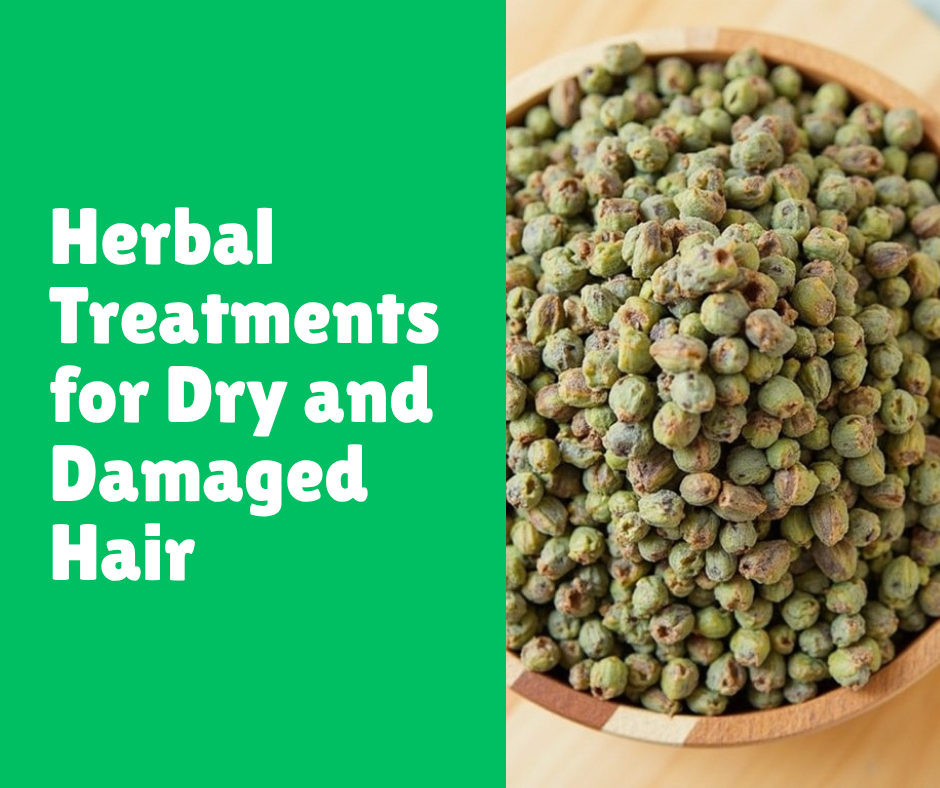
Fenugreek: Often used in traditional hair care practices, fenugreek seeds are rich in protein and nicotinic acid, which help strengthen the hair and reduce split ends. It also helps combat dandruff and hair fall.
Rosemary: Rosemary essential oil is known for stimulating blood circulation to the scalp, which helps improve hair growth. It also prevents dryness and flakiness, making it great for damaged hair.
Bhringraj: A staple in Ayurvedic hair care, Bhringraj has been used for centuries to promote healthy hair. It strengthens the roots and prevents hair loss by improving the circulation to the scalp.
How Herbal Treatments Work
Herbal treatments work by nourishing the scalp and hair follicles, providing the nutrients your hair needs to stay healthy.
The oils, vitamins, and minerals in these herbs help hydrate, repair, and protect your hair from further damage.
Unlike chemical-based products, herbal treatments are gentle and often free from synthetic additives, which means they’re better suited for sensitive or damaged hair.
Step-by-Step Guide to Using Herbal Treatments for Dry Hair
Now that we understand why herbal remedies are beneficial, let’s get into how to use them effectively. Here’s a simple, step-by-step guide to incorporating herbal treatments into your hair care routine.
1. Aloe Vera Hair Mask
Aloe vera is a miracle plant when it comes to dry hair. Its moisturizing and nourishing properties will leave your hair feeling soft and shiny. Here’s how to use it:
Ingredients:
- Fresh aloe vera gel (or store-bought pure aloe vera gel)
- 1 tablespoon of honey (optional, for added moisture)
Instructions:
- Cut a fresh aloe vera leaf and extract the gel. If you don’t have a fresh plant, store-bought aloe vera gel works just as well.
- Mix the aloe vera gel with a tablespoon of honey for an added boost of moisture.
- Apply the mixture to your scalp and hair, focusing on the ends where dryness is most noticeable.
- Leave the mask on for about 20-30 minutes, allowing the aloe to deeply hydrate and repair your hair.
- Rinse thoroughly with lukewarm water.
Tip: You can do this treatment once a week to keep your hair soft and hydrated.
2. Fenugreek Hair Rinse
Fenugreek is excellent for strengthening the hair and preventing hair fall. Here’s how to make a simple fenugreek rinse:
Ingredients:
- 2 tablespoons of fenugreek seeds
- 2 cups of water
Instructions:
- Soak the fenugreek seeds in water overnight.
- The next day, boil the water with the seeds for about 5-10 minutes.
- Let the solution cool, then strain out the seeds.
- Pour the fenugreek water over your hair after shampooing.
- Leave it on for 10-15 minutes, then rinse with cool water.
Tip: Use this rinse once or twice a week to help strengthen your hair and prevent dryness.
3. Hibiscus and Coconut Oil Treatment
Hibiscus flowers are packed with nutrients that promote hair health, and combined with coconut oil, they create a potent hair treatment.
Ingredients:
- 3-4 hibiscus flowers (fresh or dried)
- 2 tablespoons of coconut oil
Instructions:
- Crush the hibiscus flowers into a paste.
- Heat the coconut oil in a small pan and add the hibiscus paste.
- Let it simmer for 2-3 minutes, then remove from heat and let it cool.
- Apply the cooled mixture to your hair and scalp.
- Leave it on for 30 minutes to 1 hour, then wash your hair as usual.
Tip: This treatment helps combat hair thinning and promotes a healthy scalp, making it a great choice for dry, damaged hair.
Herbal Hair Care Products and How to Choose Them
If you don’t have the time or resources to prepare herbal treatments at home, there are plenty of pre-made herbal hair care products on the market. When choosing the right product for dry and damaged hair, here’s what to look for:
Organic Ingredients: Ensure the product is free from synthetic chemicals, parabens, and sulfates. Look for ones that feature organic herbs like aloe vera, chamomile, or hibiscus.
Moisturizing Properties: Choose products designed to hydrate the hair, such as those with added oils (coconut, jojoba, argan) or butter (shea butter, cocoa butter).
For Your Hair Type: Look for products specifically formulated for dry or damaged hair. These products are often richer in moisturizing ingredients and are designed to restore health and shine.
Common Mistakes to Avoid When Using Herbal Treatments
While herbal treatments are generally safe and effective, there are a few common mistakes people make when using them. Here’s what to avoid:
Less is more when it comes to herbal remedies. Overusing them can lead to product buildup or even irritation. Stick to a regular but not excessive treatment schedule, and always listen to your hair’s needs.
Not Rinsing Properly
Sometimes, herbal treatments can leave residues in your hair if they’re not thoroughly rinsed out. Be sure to rinse your hair thoroughly to avoid any buildup that could weigh it down.
Using the Wrong Herbs for Your Hair Type
Not all herbs are suitable for every hair type. For example, if you have oily hair, you may want to avoid heavy oils like coconut oil, which can clog pores and make your hair greasy.
Conclusion
Taking care of dry and damaged hair doesn’t have to mean relying on harsh chemicals or expensive salon treatments.
By incorporating herbal remedies into your hair care routine, you can restore moisture, strength, and shine to your hair naturally.
From aloe vera’s deep hydration to the strengthening properties of fenugreek and hibiscus, the right herbal treatments can help your hair look and feel its best.
- Herbs like aloe vera, chamomile, hibiscus, and fenugreek are fantastic for treating dry and damaged hair.
- Herbal treatments work by nourishing and hydrating the scalp, improving the overall health of your hair.
- You can prepare your own herbal treatments at home, or choose high-quality commercial products with organic herbal ingredients.
Have you tried any of these herbal treatments? Share your experiences or let us know your favorite natural hair care remedies in the comments below. Don’t forget to share this article with your friends who are also looking for healthier, more nourished hair!