
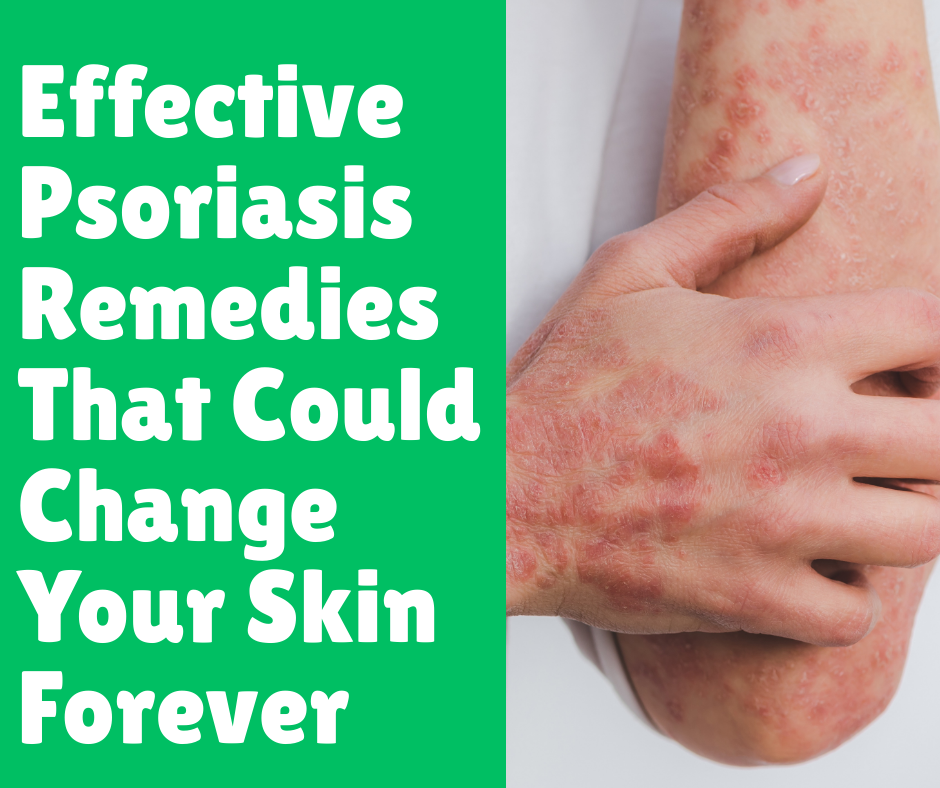
7 Effective Psoriasis Remedies That Could Change Your Skin Forever
Post Disclaimer
Content on this site is for educational use only and not a substitute for medical advice. Herbal remedies are based on traditional knowledge and not medical recommendations. Please consult a healthcare professional before trying any herb. We do not assume responsibility for any outcomes or adverse effects resulting from the use of information provided here.
Psoriasis is more than just a skin condition it’s an unpredictable, often embarrassing, and challenging issue that can affect your confidence and quality of life.
If you’re someone who deals with the discomfort of psoriasis, you’re not alone. It’s estimated that 2-3% of the world’s population suffers from it, but that doesn’t make it any easier to cope with.
The constant itching, the dry patches, and the redness can leave anyone feeling frustrated.
But what if I told you there are several natural, holistic, and medically backed remedies that could help relieve your psoriasis symptoms?
Remedies that don’t require a prescription, are gentle on your body, and can be easily integrated into your daily routine?
That’s what I want to share with you today. In this article, we’ll dive deep into practical psoriasis remedies, lifestyle changes, and common mistakes to avoid on your journey toward clearer, calmer skin.
So, if you’re tired of feeling defeated by your psoriasis and want to discover some game-changing solutions, keep reading. This could be the start of a much-needed breakthrough.
What Is Psoriasis? A Quick Overview
Before diving into remedies, it’s essential to understand psoriasis and what it does to your skin. Psoriasis is an autoimmune disorder that accelerates the skin cell life cycle.
Instead of cells shedding in a normal cycle, they accumulate, forming thick, scaly patches on the skin.
These patches can appear anywhere on your body, though common spots include the elbows, knees, scalp, and lower back.
The exact cause of psoriasis is not known, but it’s believed to involve a combination of genetic and environmental factors, including stress, infection, and certain medications.
It’s also a condition that can come and go, with flare-ups often triggered by changes in lifestyle or the environment.
While there is no cure for psoriasis, understanding your body’s triggers and knowing the best remedies can help reduce flare-ups and bring you much-needed relief.
7 Proven Psoriasis Remedies You Should Try
Now that you know a bit more about psoriasis, let’s dive into practical and effective remedies. Whether you prefer natural solutions or medically backed treatments, these remedies can help control the condition and ease your symptoms.
Aloe Vera: The Cooling Savior for Your Skin
Aloe vera is a natural skin healer. This soothing plant contains anti-inflammatory properties that can calm irritated skin. The gel inside its leaves is packed with vitamins, minerals, and enzymes that may help reduce redness and inflammation.
To use aloe vera for psoriasis:
- Step 1: Extract fresh aloe vera gel from a leaf (or buy organic aloe vera gel).
- Step 2: Apply a thin layer to the affected area.
- Step 3: Leave it on for 15-20 minutes before gently washing it off with lukewarm water.
It’s one of the simplest remedies out there, and it’s often a go-to for people with psoriasis because of its cooling and calming effect.
Epsom Salt Baths for Deep Skin Relaxation
Taking an Epsom salt bath can provide tremendous relief if you’re dealing with inflamed, itchy skin. Epsom salt contains magnesium, which is absorbed through the skin and helps reduce inflammation and ease muscle tension. Adding it to your bathwater can help soften the scales and reduce irritation caused by psoriasis.
Here’s how to make the most of an Epsom salt bath:
- Step 1: Fill your bathtub with warm water (not too hot, as it can worsen irritation).
- Step 2: Add 1-2 cups of Epsom salt to the water.
- Step 3: Soak for about 15-20 minutes.
- Step 4: Pat your skin dry with a soft towel after the bath to avoid irritating the skin further.
You can do this once or twice a week, depending on your needs.
Topical Ointments and Creams (Medically Proven)
If you prefer a more medical approach, topical treatments like corticosteroid creams or Vitamin D analogs can be highly effective in treating psoriasis. Corticosteroids work by suppressing the immune system’s overreaction, which can help prevent flare-ups.
However, keep in mind that these should be used as directed by a healthcare professional to avoid side effects, such as skin thinning.
Coconut Oil for Hydration and Healing
Coconut oil is one of my personal favorites for hydrating the skin and easing the symptoms of psoriasis. Its high-fat content allows it to penetrate the skin, providing moisture and reducing the dry, flaky patches associated with psoriasis.
Here’s how to use coconut oil for psoriasis:
- Step 1: Use extra virgin coconut oil (unrefined) for the best results.
- Step 2: Gently massage a thin layer onto the affected skin after showering.
- Step 3: Leave the oil on overnight for maximum benefit.
Coconut oil not only hydrates the skin but also has anti-inflammatory properties that can help reduce irritation.
Turmeric: The Golden Spice with Healing Properties
Turmeric contains curcumin, a compound that has anti-inflammatory and antioxidant properties. Research has shown that curcumin can help reduce the severity of psoriasis symptoms by calming down the inflammation in the body.
You can consume turmeric in supplement form or add it to your diet by sprinkling it over dishes like soups, stews, and rice.
Another way to use it topically is by mixing turmeric powder with a little water or honey to create a paste and applying it directly to the affected areas for 15-20 minutes.
UV Light Therapy (Phototherapy)
For moderate to severe psoriasis, phototherapy (UV light therapy) is often recommended by dermatologists. This treatment involves exposing the skin to controlled amounts of ultraviolet light, which slows down the rapid skin cell turnover that causes psoriasis.
While UV therapy can be highly effective, it should always be done under medical supervision to avoid potential side effects, such as skin cancer. Most people with psoriasis can benefit from phototherapy 2-3 times a week.
Stress Management: Relax Your Mind and Body
Psoriasis flare-ups are often triggered by stress. It’s no surprise that taking steps to manage your stress can have a significant impact on your condition.
Meditation, deep breathing exercises, yoga, and even regular physical activity can help reduce stress levels and, in turn, help manage psoriasis symptoms.
Common Mistakes to Avoid When Managing Psoriasis
Managing psoriasis is an ongoing journey, and there are a few common mistakes people often make that can hinder their progress. I’ve seen many people make these mistakes, and trust me—avoiding them will save you a lot of frustration.
Ignoring Professional Advice
While natural remedies are great, it’s crucial not to ignore the advice of a healthcare professional, especially when you have severe or persistent psoriasis. A dermatologist can provide customized treatments and even suggest light therapy or biologic drugs, which can be life-changing for some people.
Overusing Topical Steroids
Corticosteroid creams can be effective, but overusing them can lead to thinning of the skin, which could make your psoriasis worse in the long term. Always follow the directions provided by your doctor, and don’t use these treatments more than recommended.
Using Hot Water for Showers or Baths
I know it feels good to take a hot shower, but hot water can actually make your psoriasis worse by drying out your skin. Always opt for lukewarm water, as it’s gentler on the skin and can prevent further irritation.
Skipping Moisturizing
Moisturizing is essential when you have psoriasis. Skipping it can lead to dry, cracked skin, which may worsen flare-ups. Always use a thick, fragrance-free moisturizer after bathing to lock in hydration.
Psoriasis Treatment Table: A Quick Comparison
Here’s a table to give you a quick comparison of some of the most effective psoriasis remedies:
| Remedy | How It Helps | How to Use |
| Aloe Vera | Calms inflammation and soothes irritated skin | Apply fresh gel directly to skin or use store-bought aloe vera gel daily. |
| Epsom Salt Baths | Reduces inflammation and softens psoriasis scales | Add 1-2 cups of Epsom salt to a warm bath and soak for 15-20 minutes. |
| Coconut Oil | Hydrates and nourishes dry, flaky skin | Apply directly to skin after showering and leave overnight for maximum moisture. |
| Topical Creams | Reduces redness and itching | Use corticosteroid or Vitamin D-based creams as directed by a healthcare provider. |
| Turmeric | Reduces inflammation and boosts skin health | Add turmeric to your diet or make a paste for topical use. |
| UV Light Therapy | Slows down skin cell turnover | Done under medical supervision; usually 2-3 times a week for best results. |
| Stress Management | Prevents flare-ups triggered by stress | Practice yoga, meditation, or other stress-reducing activities. |
Conclusion: Taking Control of Psoriasis
Dealing with psoriasis doesn’t have to be a never-ending battle. By incorporating some of these remedies into your routine, you can reduce symptoms and improve your skin’s overall health.
From natural aloe vera to professional treatments like phototherapy, there are many options to try. The key is to experiment with what works best for you and avoid common mistakes that can make things worse.
Remember, psoriasis is unique to each individual, so what works for one person may not work for another.
However, with patience, consistency, and the right treatments, you can manage psoriasis more effectively and regain control of your skin.
I encourage you to try out some of these remedies and share your experiences in the comments below. Let’s help each other on this journey!