
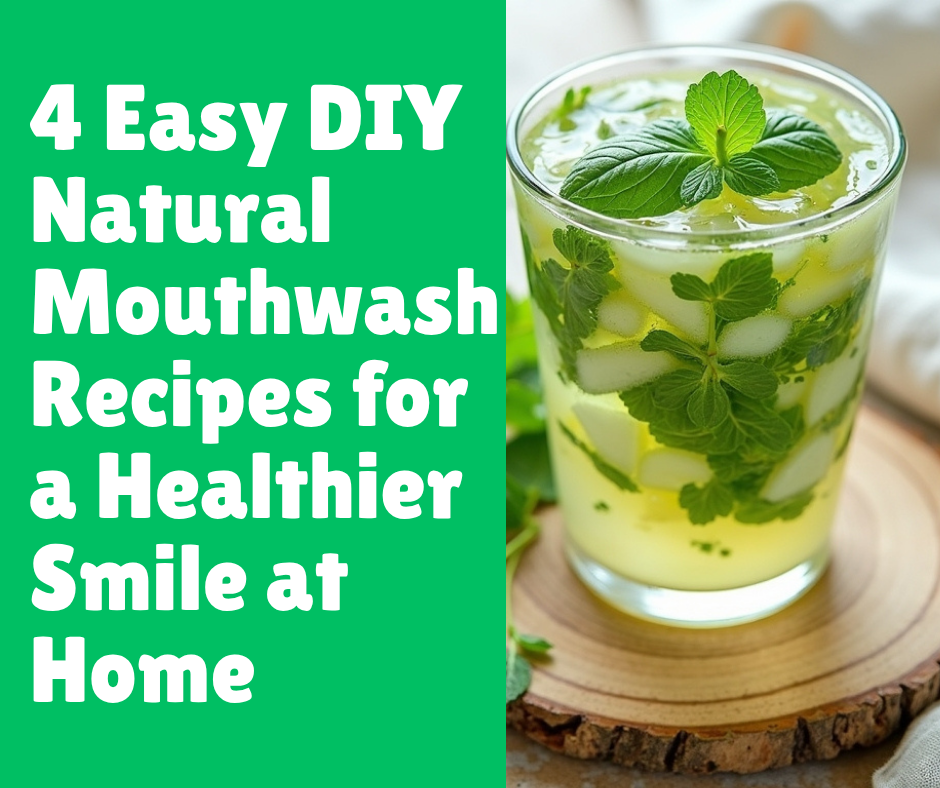
4 Easy DIY Natural Mouthwash Recipes for a Healthier Smile at Home
Post Disclaimer
Content on this site is for educational use only and not a substitute for medical advice. Herbal remedies are based on traditional knowledge and not medical recommendations. Please consult a healthcare professional before trying any herb. We do not assume responsibility for any outcomes or adverse effects resulting from the use of information provided here.
A healthy smile goes beyond just brushing and flossing. While toothpaste and floss are staples in your daily oral care routine, mouthwash plays a crucial role in maintaining fresh breath and promoting overall oral health.
But instead of relying on store-bought versions filled with chemicals and artificial flavors, why not try DIY natural mouthwash recipes? Not only do these alternatives help you avoid harmful additives, but they’re often easy to make and surprisingly effective.
In this post, I’ll guide you through several natural mouthwash recipes that you can make at home. Whether you want to freshen your breath, fight bad bacteria, or promote healthier gums, there’s a recipe that fits your needs.
I’ve also included tips on how to use these mouthwashes correctly, common mistakes to avoid, and some of my personal insights along the way.
Why Choose Natural Mouthwash?
Before jumping into recipes, let’s talk about why you should consider using natural mouthwash over commercial brands.
Many over-the-counter mouthwashes are packed with synthetic chemicals such as alcohol, artificial colors, and preservatives.
These ingredients may not only irritate your gums but can also lead to dryness in your mouth. Plus, some mouthwashes have a strong, overpowering flavor that just doesn’t sit right with everyone.
On the other hand, natural mouthwash recipes typically use soothing herbs, essential oils, and other organic ingredients that support your mouth’s natural balance without stripping it of beneficial bacteria. They’re gentler, more refreshing, and often cost a fraction of what you’d pay for a store-bought product.
Natural mouthwashes also tend to have antibacterial properties, helping reduce plaque, prevent gum disease, and freshen breath without harsh chemicals.
Basic Ingredients for DIY Mouthwash
Before we get into the recipes, here are some common ingredients you’ll find in most natural mouthwash formulas:
Baking Soda: Known for its mild abrasive properties, baking soda helps neutralize acids and freshen your breath. It also helps with whitening teeth.
Essential Oils: Peppermint, tea tree, and eucalyptus oils have natural antibacterial properties and provide a fresh, minty scent.
Aloe Vera: Aloe is soothing and can help reduce gum inflammation.
Apple Cider Vinegar: Known for its ability to balance pH levels, apple cider vinegar can help kill bad bacteria while promoting a healthy mouth.
Salt: Saltwater rinses have been used for centuries to help with oral hygiene by soothing inflamed gums and reducing bacteria.
These ingredients are easy to find and often already in your kitchen. Plus, you can mix and match them to create a mouthwash that suits your specific needs.
DIY Natural Mouthwash Recipes
Now, let’s get to the fun part: making your own natural mouthwash! Below, I’ve outlined several easy-to-follow recipes you can try at home.
Recipe 1: Peppermint and Tea Tree Mouthwash
This combination is fantastic for freshening your breath while also fighting harmful bacteria in your mouth.
Ingredients:
- 1 cup distilled water
- 1 tsp baking soda
- 10 drops peppermint essential oil
- 5 drops tea tree essential oil
Instructions:
- In a small bowl, mix the baking soda with the water until fully dissolved.
- Add the essential oils and stir well.
- Pour the mixture into a small bottle or jar for easy storage.
- Shake the bottle well before each use.
How to Use:
Swish the mouthwash around in your mouth for 30 seconds, making sure to cover all areas, then spit it out. Use this mouthwash up to twice a day.
Recipe 2: Aloe Vera and Salt Mouthwash
This soothing mouthwash helps calm irritated gums while providing antibacterial benefits.
Ingredients:
- 1/2 cup aloe vera juice
- 1/2 cup distilled water
- 1/2 tsp salt
Instructions:
- Mix the aloe vera juice and distilled water in a bowl.
- Add the salt and stir until fully dissolved.
- Pour the mixture into a bottle or jar for storage.
How to Use:
Swish around your mouth for 30 seconds to 1 minute, then spit it out. You can use this mouthwash up to three times a day, especially if you have sore or inflamed gums.
Recipe 3: Apple Cider Vinegar and Honey Mouthwash
Apple cider vinegar helps balance your mouth’s pH, and honey provides soothing, antibacterial properties.
Ingredients:
- 1/2 cup distilled water
- 2 tsp apple cider vinegar
- 1 tsp raw honey
Instructions:
- Warm the water slightly (just enough to dissolve the honey).
- Stir in the apple cider vinegar and honey until fully combined.
- Store the mixture in a jar or bottle for future use.
How to Use:
Swish for about 30 seconds, then spit out. Use once or twice a day, especially if you’re dealing with plaque buildup or want to balance your mouth’s pH levels.
Recipe 4: Lavender and Coconut Oil Mouthwash
This calming recipe not only freshens your breath but also promotes healthy gums with its anti-inflammatory properties.
Ingredients:
- 1 cup distilled water
- 1 tbsp coconut oil
- 5 drops lavender essential oil
- 1 tsp baking soda
Instructions:
- Mix the coconut oil and baking soda into the distilled water, ensuring that the baking soda dissolves completely.
- Add the lavender oil and stir.
- Pour into a bottle for storage.
How to Use:
Swish the mouthwash around for 30 seconds to 1 minute, then spit. This recipe is great to use before bedtime, as lavender helps promote relaxation.
Common Mistakes to Avoid When Making DIY Mouthwash
While making your own mouthwash can be fun and rewarding, there are a few common mistakes people make that you should watch out for.
Using Too Much Essential Oil: Essential oils are powerful, and a little goes a long way. If you use too much, it could irritate your gums and mouth. Stick to the recommended amount in the recipes, and always dilute properly.
Not Shaking Before Use: Some ingredients, like oil, can separate from the water. Always shake your bottle before using the mouthwash to ensure everything is well-mixed.
Overuse of Apple Cider Vinegar: While apple cider vinegar has great benefits, it’s very acidic. Overuse can lead to enamel erosion on your teeth. Be sure to dilute it properly and use it in moderation.
Using Unfiltered Water: Always use distilled or purified water for your mouthwash. Tap water can contain minerals and contaminants that may interfere with the effectiveness of your mouthwash or cause irritation.
Storing Improperly: Some natural ingredients, like essential oils and coconut oil, can spoil if not stored properly. Always keep your mouthwash in a cool, dark place to prevent degradation.
Additional Tips for Maintaining Oral Health
Making your own mouthwash is just one part of the equation when it comes to oral care. To keep your mouth healthy, consider these additional tips:
- Brush Regularly: Make sure to brush your teeth twice a day with fluoride toothpaste.
- Floss Daily: Flossing helps remove food particles and plaque between your teeth.
- Stay Hydrated: Drinking plenty of water throughout the day keeps your mouth hydrated and helps wash away food particles.
- Use a Tongue Scraper: Your tongue can harbor bacteria, so using a tongue scraper once a day can help keep your mouth cleaner.
- Visit Your Dentist: Regular dental checkups are essential for maintaining your oral health. Don’t skip your bi-annual visits.
Conclusion
Creating your own natural mouthwash is a simple and effective way to take control of your oral health. With just a few ingredients you likely already have at home, you can make mouthwash that’s free of harmful chemicals and better for your teeth and gums.
Remember to always use the right proportions and avoid overusing strong ingredients like essential oils or apple cider vinegar. With consistent use, you’ll notice fresher breath, healthier gums, and a cleaner mouth.
- DIY natural mouthwashes are a great alternative to commercial products, offering many oral health benefits.
- Common ingredients like baking soda, aloe vera, and essential oils can provide antibacterial, soothing, and breath-freshening properties.
- Avoid common mistakes like using too much essential oil or not shaking your mouthwash before use.
Have you tried making your own natural mouthwash? Let me know how it worked for you or if you have any additional recipes to share. Don’t forget to share this post with friends who might be interested in a more natural approach to oral care!
FAQs
How often should I use DIY mouthwash?
Most DIY mouthwashes can be used 1-3 times per day, depending on the ingredients. Be mindful of how your mouth reacts, and if you experience irritation, cut back on usage.
Can I use these recipes if I have sensitive teeth?
Yes, many of these recipes are gentle and soothing, but be cautious with ingredients like apple cider vinegar. If you have very sensitive teeth, you might want to avoid using acidic ingredients too often.
How long can I store homemade mouthwash?
Homemade mouthwash can last anywhere from a few weeks to a month, depending on the ingredients. Always store it in an airtight container in a cool, dark place.