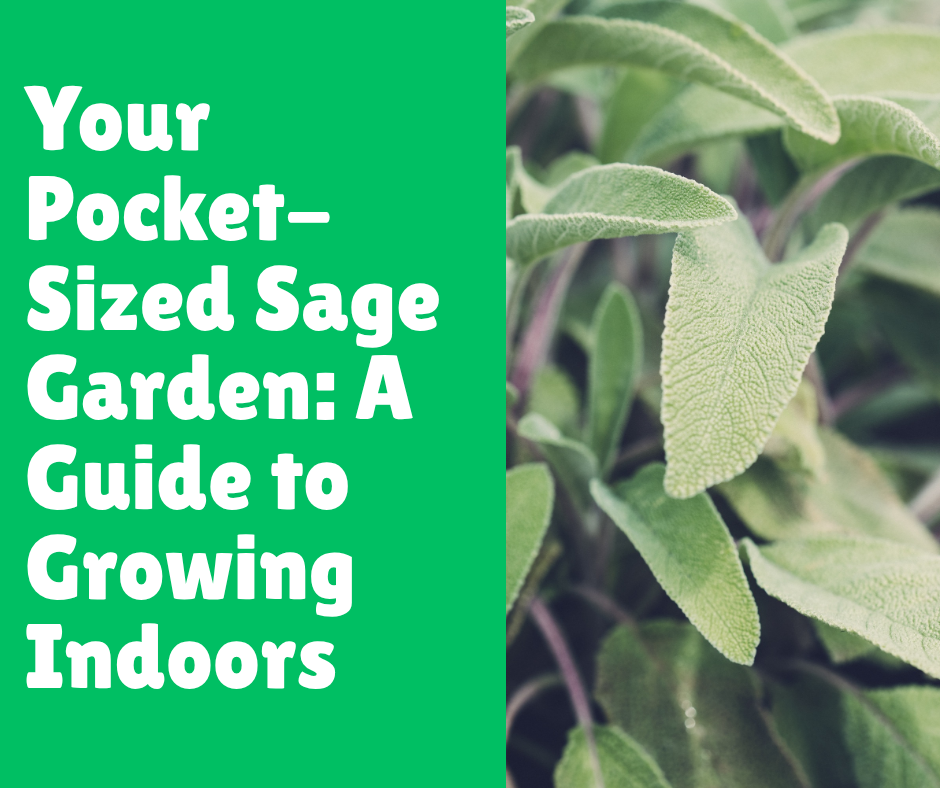
Your Pocket-Sized Sage Garden: A Guide to Growing Indoors
Post Disclaimer
Content on this site is for educational use only and not a substitute for medical advice. Herbal remedies are based on traditional knowledge and not medical recommendations. Please consult a healthcare professional before trying any herb. We do not assume responsibility for any outcomes or adverse effects resulting from the use of information provided here.
I remember the first time I tried to grow an herb indoors. It was a sad, leggy basil plant that gave up the ghost in about three weeks. I thought I just had a “black thumb.” It turns out, I was just missing a few key pieces of information.
Fast forward a few years, and my windowsill is a thriving jungle of fresh herbs, with my trusty sage plant leading the charge. There’s something incredibly satisfying about snipping off a few fresh leaves for a recipe, knowing you grew it yourself.
If you’ve ever wanted to have fresh, aromatic sage at your fingertips but thought you needed a huge garden, I’m here to tell you that’s not the case. Growing sage indoors, even in tiny pots, is not only possible but surprisingly easy once you know the rules of the game. It’s a hardy, forgiving herb that brings so much flavor and fragrance to your home.
This guide is everything I wish I had when I started. We’re going to walk through every single step, from picking the perfect pot to troubleshooting those “what is my plant even doing?” moments. Let’s get our hands dirty and turn your windowsill into a fragrant, delicious sage sanctuary.
Setting the Stage: Your Sage’s New Home
Before you even think about the plant itself, you need to create the perfect environment. Sage isn’t a diva, but it does have some non-negotiable demands. Get these right, and you’re 90% of the way to a happy plant.
The Great Pot Debate: Size, Material, and Drainage
Choosing a pot seems simple, right? Wrong. This is a foundational decision for your plant’s health, especially in a small space.
Pot Size: Go Small, But Not Too Small
For a single sage plant, you want a pot that is at least 6-8 inches in diameter and about the same depth. This might sound bigger than “small,” but here’s my logic:
- Root Room: Sage develops a decent root system. A pot that’s too tiny will cause the plant to become “root-bound,” where the roots circle the bottom of the pot in a desperate search for space. This stunts growth and can eventually kill the plant.
- Watering Forgiveness: A tiny pot dries out incredibly fast—sometimes in less than a day under a sunny window. A 6-inch pot holds more soil, which retains moisture longer, giving you a bigger buffer if you forget to water. I learned this the hard way with a 3-inch terracotta pot that cooked my first sage seedling.
You can start a seedling in a smaller 3-4 inch pot, but be prepared to repot it within a few months once it’s established. My recommendation? Start with the 6-inch pot and save yourself the hassle.
Material Matters: Terracotta vs. Plastic vs. Glazed Ceramic
The material of your pot has a huge impact on moisture levels.
- Terracotta (My Personal Favorite): These classic clay pots are porous, meaning they allow air and water to pass through the walls. This is fantastic for sage, which hates having “wet feet.” The soil dries out more evenly, reducing the risk of root rot. The downside? You’ll need to water more often.
- Plastic: Plastic pots are lightweight, cheap, and retain moisture very well. If you are a forgetful waterer, this might be a good choice. However, you must be extra careful not to overwater, as the soil can get waterlogged easily.
- Glazed Ceramic: These are the stylish ones. They function similarly to plastic pots, as the glaze prevents moisture from escaping through the sides. They look great, but again, be vigilant about overwatering.
The Undeniable Rule: Drainage is Everything
No matter what pot you choose, it absolutely must have at least one drainage hole at the bottom. If you fall in love with a decorative pot that doesn’t have a hole, you have two options:
- Drill one yourself (use a special drill bit for ceramic or glass).
- Use it as a “cachepot.” Plant your sage in a plain plastic pot with drainage, and then place that pot inside the pretty decorative one. Just remember to dump out any excess water that collects in the outer pot after watering.
Let There Be Light: Sage’s Sunshine Addiction
This is the most critical factor for growing sage indoors. Sage is a Mediterranean herb, which means it craves sun. Lots of it.
Your sage plant needs at least 6-8 hours of direct sunlight per day.
- The ideal spot is a south-facing window. This window gets the strongest, most consistent light throughout the day.
- An east- or west-facing window can also work, but you’ll need to monitor your plant. It might get a bit “leggy,” meaning it grows long, spindly stems as it stretches toward the light.
What if you don’t have a sunny window? Are you doomed to a sage-less existence? Not at all. This is where technology comes to the rescue. A simple LED grow light can be a total game-changer. I have one clamped to a shelf in my kitchen, and it supports a whole family of herbs.
Look for a full-spectrum grow light and position it 6-12 inches above your plant. Run it on a timer for 12-14 hours a day to mimic a long, sunny day. It’s a small investment for guaranteed success.
The Perfect Foundation: Soil and Airflow
You wouldn’t build a house on quicksand, so don’t put your sage in the wrong soil. Standard potting mix straight from the bag is often too dense and holds too much water. Remember, sage likes to stay on the drier side.
Here’s my go-to recipe for the perfect indoor sage soil:
- Two parts high-quality potting mix
- One part perlite or coarse sand
- A handful of compost or worm castings (optional, for a nutrient boost)
The perlite or sand is the key ingredient here. It creates air pockets in the soil, improving drainage and preventing compaction. When you water, it should flow through the soil and out the drainage hole relatively quickly.
Finally, think about air circulation. Sage is susceptible to powdery mildew, a fungal disease that thrives in stagnant, humid air. Don’t crowd your plant. Give it some space, and if your home is particularly stuffy, running a small fan for a few hours a day can make a world of difference.
Let’s Get Growing: From Seed to Harvest
With your environment prepped, it’s time for the main event. You have two main paths to getting your sage plant: starting from seed or buying a starter plant.
Path 1: The Patient Gardener (Starting from Seed)
Starting from seed is incredibly rewarding and much cheaper, but it requires patience. FYI, sage seeds can be a bit slow and stubborn to germinate.
Step-by-Step Seed Starting Guide:
- Sourcing Seeds: Buy seeds from a reputable company. Look for common sage varieties like Salvia officinalis, ‘Berggarten’, or ‘Purple Sage’.
- Timing: You can start seeds indoors at any time of year.
- Planting: Fill your small starting pot (or your final 6-inch pot) with your well-draining soil mix. Moisten the soil so it’s damp, not soggy.
- Sow the Seeds: Place 2-3 seeds on the surface of the soil. Sage seeds need light to germinate, so only cover them with a very thin layer of soil, about 1/8 of an inch.
- Create a Mini Greenhouse: Cover the pot with a plastic dome or a piece of plastic wrap to keep the humidity high. This is crucial for germination.
- Patience is a Virtue: Place the pot in a warm spot (not necessarily sunny yet). Germination can take anywhere from 10 to 21 days. Keep the soil consistently moist during this time using a spray bottle.
- First Sight of Green: Once you see sprouts, remove the plastic cover and move the pot to your sunniest window or under your grow light immediately.
- Thin the Herd: When your seedlings have a few sets of true leaves, choose the strongest-looking one and snip the others at the soil line with scissors. It feels cruel, I know, but this ensures the winner has all the resources to grow big and strong.
Path 2: The Instant Gratification Gardener (Buying a Starter Plant)
There is zero shame in this game. Buying a small starter plant from a nursery or grocery store gives you a huge head start.
What to Look For in a Healthy Plant:
- Vibrant, gray-green leaves. Avoid plants with yellowing leaves or brown spots.
- Sturdy, compact growth. Look for a bushy plant, not a tall, spindly one.
- Check for pests. Look under the leaves for any signs of tiny webs (spider mites) or little insects.
- Inspect the roots. If you can, gently slide the plant out of its pot. The roots should be white and firm, not brown, mushy, or tightly wound in a circle.
The First Thing to Do When You Get Home: Repot!
That little plastic pot it came in is temporary housing. Your new plant is likely root-bound and in soil that isn’t ideal for long-term growth.
- Prepare the New Pot: Fill your 6-8 inch pot with your custom well-draining soil mix.
- Gently Remove the Plant: Squeeze the sides of the nursery pot to loosen the plant. Tip it over and gently slide it out.
- Tease the Roots: If the roots are tightly packed, gently tease them apart with your fingers. This encourages them to grow outwards into the new soil.
- Replant: Place the plant in the new pot so that the top of its root ball is about an inch below the rim. Fill in around it with your soil mix, gently firming it down.
- Water Thoroughly: Give it a good, deep watering until water runs out of the drainage hole. This helps settle the soil and eliminates air pockets.
The Art of Sage Care: Watering, Feeding, and Pruning
You’ve got a plant in a pot. Now what? Keeping it alive and thriving indoors involves a simple but consistent routine.
Watering Wisdom: Less is More
The number one killer of indoor sage is overwatering. People see a plant and think, “I must water it!” With sage, you need to fight that instinct.
- The Finger Test: This is the only way to know when to water. Stick your index finger about two inches deep into the soil. If it feels dry, it’s time to water. If you feel any moisture at all, wait another day or two and check again.
- Water Deeply, Not Frequently: When you do water, do it thoroughly. Pour water over the soil until it runs freely from the drainage hole. This ensures the entire root system gets a drink.
- Dump the Saucer: After watering, let the pot drain for about 15-20 minutes, then dump out any excess water that has collected in the saucer. Letting the pot sit in water is a fast track to root rot.
Depending on your home’s humidity, your pot size, and the amount of sun, you might water anywhere from once a week to once every two weeks. Never water on a schedule. Always check the soil first.
To Feed or Not to Feed?
Sage is not a heavy feeder. It actually prefers soil that is a bit lean, as this concentrates the aromatic oils in its leaves, making it more flavorful.
- I recommend feeding your sage only once or twice during the main growing season (spring and summer).
- Use a balanced, all-purpose liquid fertilizer diluted to half the recommended strength.
- Do not fertilize in the fall and winter when the plant’s growth naturally slows down. Over-fertilizing can lead to weak, leggy growth and diminish the plant’s flavor.
Pruning for a Bushy, Productive Plant
Pruning is not just about harvesting; it’s about shaping your plant and encouraging it to become full and bushy rather than tall and woody. Don’t be afraid to give your sage a haircut!
- Regular Harvesting: The best way to prune is to harvest regularly. Snip off the top few inches of a stem, right above a set of leaves. This encourages the plant to branch out from that point, creating two new stems.
- Pinch Off Flowers: If you see flower buds forming, pinch them off. Letting the plant flower diverts its energy from producing tasty leaves.
- The “Hard Prune”: Once or twice a year, especially in the spring, you can give your plant a more significant pruning. Cut back about one-third of the plant’s older, woodier growth. This rejuvenates the plant and promotes a flush of new, tender leaves. Never cut back more than a third of the plant at once.
Common Mistakes and How to Sidestep Them (Like a Pro)
I’ve made all of these mistakes, so you don’t have to. Here are the most common pitfalls when growing sage indoors.
- The Over-Caring Owner: This is the person who waters every other day “just in case.” This well-intentioned love is deadly for sage. Mistake: Watering on a schedule instead of checking the soil. Solution: Embrace the finger test. Trust the soil, not the calendar.
- The Dungeon Dweller: Placing sage in a dim corner of the living room because it “looks nice there.” Mistake: Not providing enough light. Solution: Prioritize a south-facing window. If you don’t have one, invest in a grow light. Aesthetics come second to the plant’s basic survival needs.
- The “One-Size-Fits-All” Soil User: Grabbing a bag of generic potting mix and calling it a day. Mistake: Using soil that is too dense and retains too much water. Solution: Take five extra minutes to mix in perlite or sand. Your plant’s roots will thank you profusely.
- The Timid Trimmer: Being too scared to prune the plant, fearing it will cause harm. Mistake: Allowing the plant to become tall, woody, and sparse. Solution: View pruning as a partnership. Every time you snip a stem, you’re encouraging your plant to grow back stronger and fuller. Start small by just harvesting leaves for your dinner.
- Forgetting About the Pot Upgrade: Keeping a thriving sage plant in its tiny starter pot for a year. Mistake: Allowing the plant to become severely root-bound. Solution: Check the roots every 6-8 months. If you see more roots than soil, it’s time for a pot that’s 2 inches wider.
Conclusion: Your Fresh Sage Awaits
Growing sage indoors in a small pot is more than just a gardening project; it’s a way to connect with your food and bring a bit of nature inside. It transforms your cooking, perfumes your kitchen, and offers a quiet moment of satisfaction every time you look at it. There is nothing quite like the feeling of walking over to your windowsill to snip fresh herbs for a meal you’re about to cook.
You now have all the knowledge you need to succeed. The only thing left to do is start. Go grab a pot, some soil, and a little sage plant. You’ll be amazed at how simple and rewarding it can be.
I’d love to see your progress! Have you tried growing sage indoors before? Share your own tips, questions, or success stories in the comments below!
Frequently Asked Questions (FAQs)
My indoor sage plant is getting really tall and woody at the base. What should I do?
This is a natural tendency for sage, but it’s a sign it needs a good pruning! This “woodiness” happens on old growth that is no longer producing many leaves. In the spring, cut back those older, woody stems by about one-third. Make your cuts right above a set of new leaves.
Why are the bottom leaves of my sage turning yellow and falling off?
The most common culprit for this is overwatering. When the soil stays wet for too long, the roots can’t breathe, and the plant starts to sacrifice its oldest leaves first. Immediately check your watering habits. Make sure you’re letting the top two inches of soil dry out completely.
Can I grow sage in just a glass of water on my windowsill?
You can successfully root a sage cutting in water, which is a fun experiment! However, you cannot grow it long-term this way. Sage is not an aquatic plant and needs the nutrients and air exchange provided by soil to thrive.
My sage leaves don’t have a very strong smell or taste. Am I doing something wrong?
This is usually caused by one of two things: not enough sun or too much fertilizer. Sage produces its aromatic oils as a defense mechanism in response to strong sun and slightly stressful, lean conditions. If your plant is in a lower-light spot or you’re feeding it too often, it will produce lush green leaves with less flavor.
How often should I repot my indoor sage?
It depends on its growth, but a good rule of thumb is to check every year. Gently slide the plant out of its pot and look at the roots. If you see a dense mat of roots circling the bottom, it’s time to move up to a pot that is about 2 inches wider in diameter. If you still see plenty of soil around the roots, it’s happy where it is and can wait another year.