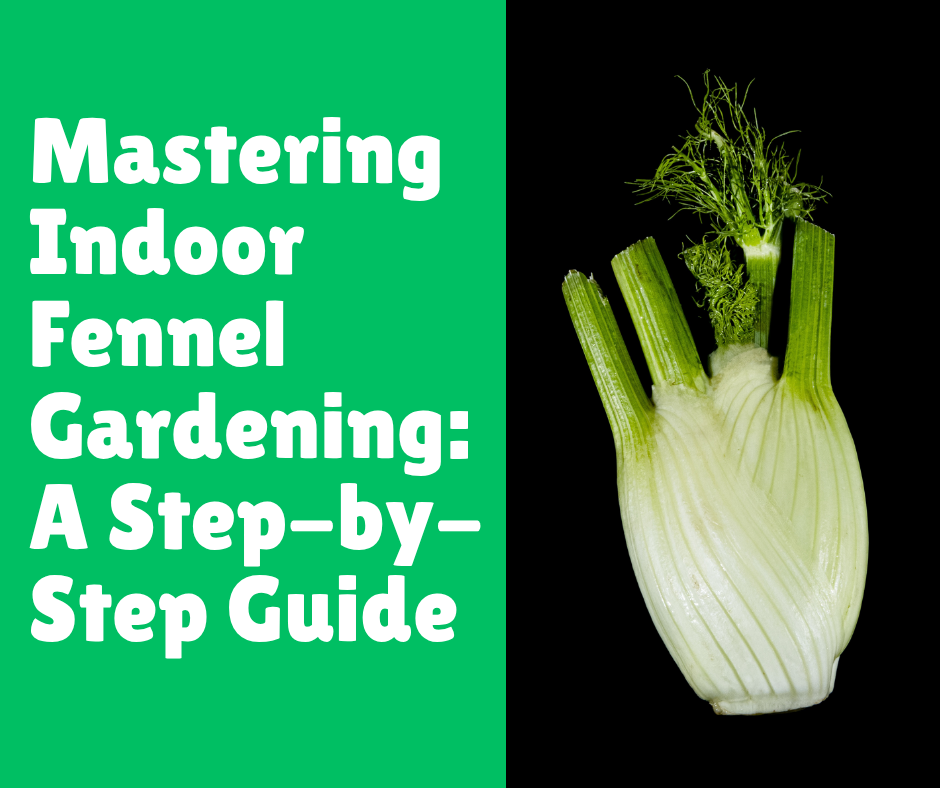
Mastering Indoor Fennel Gardening: A Step-by-Step Guide
Post Disclaimer
Content on this site is for educational use only and not a substitute for medical advice. Herbal remedies are based on traditional knowledge and not medical recommendations. Please consult a healthcare professional before trying any herb. We do not assume responsibility for any outcomes or adverse effects resulting from the use of information provided here.
I remember the first time I tried to grow fennel. I had this grand vision of harvesting crisp, licorice-flavored bulbs right from my sunny kitchen windowsill. Let’s just say my first attempt was… a learning experience.
The plants were spindly, sad-looking things that produced something more akin to a slightly swollen stem than a proper bulb. It was a humbling moment for a gardener who thought they had a green thumb. But I’m stubborn. I was determined to crack the code on growing this slightly fussy, yet incredibly rewarding, vegetable indoors.
Fast forward a few years, and my indoor fennel game is strong. I’ve learned that while it’s not as straightforward as growing a pot of basil, it is completely achievable with the right knowledge and a bit of patience.
Growing fennel inside means you can have a fresh supply of its fronds, stalks, and even bulbs, regardless of the season outside. It brings a unique, gourmet flavor to your kitchen that you just can’t get from store-bought herbs.
So, if you’ve ever been curious about bringing this Mediterranean delight into your home, you’re in the right place. This guide is the culmination of my trials, errors, and eventual successes.
We’ll walk through everything you need to know, from picking the perfect pot to finally harvesting that crunchy, aromatic bulb. Forget the gardening disasters of the past; let’s grow some amazing fennel together.
Getting Started: The Foundation of Indoor Fennel Success
Before you even think about scattering seeds, we need to lay the groundwork. The success of your indoor fennel crop hinges almost entirely on getting these initial steps right.
Think of it as building a house you wouldn’t start with the roof, would you? Getting the variety, container, and soil mixture correct from the get-go will save you a world of frustration later.
Choosing the Right Fennel Variety
First things first, not all fennel is created equal, especially when you’re planning to grow it in a container. There are two main types of fennel, and picking the right one is critical.
- Florence Fennel (Foeniculumvulgare var. azoricum): This is the one you want. Florence fennel, also known as bulb fennel or finocchio, is cultivated for its large, swollen, bulb-like stem base. This is the part you roast, shave into salads, and braise. When growing indoors, look for compact or “baby” varieties like ‘ZefaFino’ or ‘Perfection’, as they are better suited to container life and mature a bit faster.
- Common Fennel (Foeniculumvulgare): This type is typically grown as an herb for its feathery leaves (fronds) and seeds. It doesn’t form the big, juicy bulb that Florence fennel does. While you can certainly grow it indoors for its foliage, if your goal is that crisp bulb, make sure the seed packet explicitly says “Florence” or “Bulb” fennel. Trust me on this; it’s a rookie mistake I’ve made myself.
The Perfect Pot: Why Size Really Matters
Here’s where many indoor gardeners, myself included, have gone wrong. Fennel has a secret weapon: a long, powerful taproot. This root needs space to grow downwards. If it hits the bottom of a shallow pot, it gets stressed, and a stressed fennel plant is one that will “bolt” (flower prematurely) instead of forming a bulb.
For one fennel plant, you need a container that is at least 10-12 inches deep and 8-10 inches wide. A 5-gallon pot is an excellent choice. I can’t stress the depth enough. It’s more important than the width. A deep pot gives that taproot the room it needs to stretch out, leading to a happy plant and a healthy bulb.
Make sure your chosen container has excellent drainage holes. Fennel hates “wet feet,” and waterlogged soil is a fast track to root rot. I prefer terracotta pots because they are porous and allow the soil to breathe, which helps prevent it from becoming too soggy. However, plastic or glazed ceramic pots work just fine as long as the drainage is top-notch.
Crafting the Ideal Soil Mix
Fennel isn’t terribly picky about soil, but it does have preferences. It thrives in well-draining, loose, and fertile soil. Bagged potting mix from the garden center is a good starting point, but I like to create my own custom blend to give my plants the best possible environment. It’s like cooking a gourmet meal for your plant they’ll thank you for it later.
Here is my go-to recipe for happy indoor fennel:
- 60% High-Quality Potting Mix: This forms the base of your medium. Look for one that contains ingredients like peat moss or coco coir for moisture retention.
- 20% Perlite or Coarse Sand: This is for drainage. Perlite is a lightweight volcanic glass that looks like little white Styrofoam balls. It creates air pockets in the soil, preventing it from becoming compacted and waterlogged.
- 20% Compost or Aged Manure: This is the nutrition. Fennel is a moderate feeder, and mixing in some rich, organic matter provides a slow and steady supply of nutrients throughout its growing cycle.
Mix these components together thoroughly in a large bucket or on a tarp until the blend is uniform. Before you fill your pot, you can add a layer of gravel or broken pottery shards at the very bottom, but honestly, if you have good drainage holes, this isn’t strictly necessary. Fill your pot with the soil mix, leaving about an inch of space at the top.
From Seed to Sprout: The Growing Process
With your setup complete, it’s time for the exciting part: planting the seeds. The journey from a tiny seed to a vibrant green sprout is one of the most rewarding parts of gardening. Let’s break it down step-by-step.
Sowing Your Fennel Seeds
Unlike many other plants, fennel does not like having its roots disturbed. That long taproot we talked about is quite sensitive. For this reason, I strongly recommend sowing seeds directly into their final, large container. Trying to start them in small seed trays and then transplanting them often triggers shock, which can lead to bolting.
- Moisten the Soil: Before planting, lightly water your soil so it’s damp but not soaking wet. This gives the seeds a nice, hospitable place to germinate.
- Planting Depth: Plant the fennel seeds about 1/4 to 1/2 inch deep. I usually poke a small hole with my finger or a pencil, drop in 2-3 seeds, and gently cover them with soil. Planting a few seeds per spot increases the chances of at least one germinating successfully.
- Spacing: If you are using a larger, rectangular planter for multiple plants, space your seed groupings about 6-8 inches apart to give each plant room to develop its bulb. In a 5-gallon round pot, I typically plant one grouping right in the center.
- Thinning the Seedlings: After the seeds germinate and the seedlings are about 2-3 inches tall, it’s time for the toughest part of gardening: thinning. You must choose the strongest-looking seedling in each group and snip the others off at the soil line with a small pair of scissors. Don’t pull them out! Pulling can disturb the roots of the seedling you want to keep. It feels cruel, I know, but it’s essential for a good harvest.
Providing the Right Environment
Once your seedling is established, your job is to play mother nature and provide the perfect conditions for it to thrive.
Let There Be Light!
Fennel is a sun-worshipper. It needs at least 6-8 hours of direct sunlight per day to have any chance of forming a bulb. An unobstructed, south-facing window is the absolute best location. If you don’t have a spot that gets this much natural light (and let’s be honest, few of us do, especially in winter), you’ll need to supplement with a grow light.
A simple full-spectrum LED grow light will work wonders. Position the light 6-12 inches above the plant and keep it on for 12-14 hours a day. I use an automatic timer to manage this, which makes my life a whole lot easier.
You’ll know if your fennel isn’t getting enough light if it becomes “leggy”tall, pale, and weak-looking as it stretches desperately toward the light source.
Watering Wisely
Consistent moisture is key for bulb fennel. The soil should be kept evenly moist, like a well-wrung-out sponge. Do not let the soil dry out completely, as this can stress the plant and cause it to bolt. Conversely, don’t let it sit in a saucer of water.
Check the soil every day or two by sticking your finger about an inch deep. If it feels dry at that depth, it’s time to water.
Water thoroughly until you see it running out of the drainage holes at the bottom, then discard any excess water from the saucer. I’ve found that my indoor fennel needs watering more frequently as it gets larger and the bulb starts to form.
Temperature and Feeding
Fennel is a cool-weather crop. It performs best in temperatures between 60-75°F (15-24°C). It can tolerate some heat, but very high temperatures might encourage it to bolt. Standard indoor home temperatures are usually perfect.
As for feeding, if you amended your soil with compost at the beginning, your plant should be happy for the first month or so. After that, I recommend feeding it with a balanced, all-purpose liquid fertilizer every 2-3 weeks.
Dilute it to half the strength recommended on the package to avoid burning the roots. A fertilizer formulated for vegetables is a great choice.
Nurturing Your Plant to Harvest
You’ve got a healthy, growing fennel plant. Now what? The next phase is all about maintenance and encouraging that delicious bulb to form. This involves a simple but crucial technique called “hilling.”
The Art of Hilling
About four to five weeks after your seedling has established itself, you will notice the base of the stem starting to swell. This is the very beginning of your fennel bulb! To encourage it to become large, white, and tender, you need to “hill” it.
Hilling is simply the process of mounding soil up around the base of the developing bulb. Why do we do this? It blanches the bulb, meaning it blocks sunlight from reaching it.
This keeps the bulb from turning green, developing a tough texture, and having an overly strong, sometimes bitter, flavor.
- When to Start: Begin hilling when the bulb is about the size of a golf ball.
- How to Do It: Gently mound loose soil or compost up around the base, covering the swelling bulb about halfway up. Be careful not to bury the entire plant or the feathery fronds.
- Continue Hilling: As the bulb continues to grow, you may need to add more soil every week or so to keep it covered. This is why we left that inch of space at the top of the pot when we first planted.
Harvesting Your Indoor Fennel
The moment you’ve been waiting for! The entire fennel plant is edible, so you can actually harvest parts of it at different times.
- Fronds: You can start snipping off the delicate, fern-like fronds as soon as the plant is well-established (about 8-10 inches tall). Use them as you would dill or parsley—they are fantastic in salads, as a garnish for fish, or mixed into sauces. Just don’t take more than a third of the foliage at any one time.
- Stalks: The celery-like stalks can also be harvested and used. They have a more fibrous texture but are wonderful when chopped and added to stocks, soups, and stews for their anise flavor.
- The Bulb: The main event! Your fennel bulb is ready to harvest when it reaches the size of a tennis ball or a small apple, which is typically 90-120 days after sowing. Don’t wait for it to get huge; smaller bulbs grown indoors are often sweeter and more tender. To harvest, use a sharp knife to slice the plant off at the soil line, just above the root. You can then leave the root in the pot, and it may send up some small shoots for a secondary harvest of fronds.
Once harvested, you can store the bulb in your refrigerator’s crisper drawer for up to a week. The flavor is truly something special crisp, refreshing, and so much more vibrant than anything you’ll find at the supermarket.
Common Mistakes to Avoid (That I’ve Definitely Made)
Growing fennel indoors can be tricky, and there are a few common pitfalls that can derail your efforts. Here are the biggest ones I’ve encountered, so you can hopefully avoid them.
- Using a Pot That Is Too Shallow: I can’t say this enough. This was my number one mistake in my early days. A shallow pot guarantees a stressed plant and no bulb. Go deep, or go home. Seriously, a 10-inch deep pot is the absolute minimum.
- Transplanting Seedlings: Fennel’s taproot is a diva. It hates being moved. Starting seeds in a small tray with the intention of moving them to a bigger pot later is a recipe for a bolted plant. Sow directly into the final container.
- Inconsistent Watering: Letting your fennel plant dry out completely, even once, can signal to it that a drought is coming. Its survival instinct kicks in, and it will immediately try to produce seeds to ensure the next generation survives. This means it bolts. Keep the soil consistently moist. Set a reminder on your phone if you have to!
- Not Enough Light: Fennel needs a ton of energy to produce that big, fleshy bulb. Inadequate light will result in a plant with lots of leafy growth but a disappointing, non-existent bulb. If your window isn’t cutting it, invest in a grow light. It’s a game-changer for all indoor gardening.
- Skipping the Hilling Process: If you don’t hill the bulb, it will photosynthesize and turn green. It will also be tougher and have a much stronger, sometimes acrid flavor. It’s still edible, but it won’t be the sweet, tender bulb you were hoping for. Don’t skip this simple step.
Conclusion: Your Indoor Fennel Adventure Awaits
Growing bulb fennel indoors is undoubtedly a project that requires a bit more care and attention than a forgiving houseplant. It demands the right container, consistent watering, and plenty of light. But the reward is more than worth the effort.
There is a special kind of magic in harvesting a vegetable you nurtured from a tiny seed, especially one as unique and flavorful as fennel.
We’ve covered everything from selecting the right variety and pot to the crucial steps of watering, lighting, and hilling. Remember that the keys to success are a deep pot, direct sowing, consistent moisture, and abundant light.
If you can provide those four things, you are well on your way to harvesting your very own crisp, aromatic fennel bulbs right from your kitchen. And don’t forget to learn from my mistakes they’re free lessons!
Now it’s your turn. Have you ever tried growing fennel indoors? Do you have any tips or tricks to share? I’d love to hear about your experiences, successes, or even your “learning opportunities” in the comments below. Let’s build a community of happy indoor fennel growers!
Frequently Asked Questions (FAQs)
My fennel plant is very tall and leafy but has no bulb. What did I do wrong?
This is a classic sign of a few potential issues. The most common culprits are insufficient light, not enough space (a pot that’s too small), or heat stress. Ensure your plant is getting at least 6-8 hours of direct sun or supplemental light and is in a deep pot.
Can I grow fennel indoors during the winter?
Absolutely! This is one of the biggest advantages of indoor gardening. As long as you can provide the necessary light with a good quality grow light, you can grow fennel year-round. Just be sure to keep it away from cold drafts from windows or doors.
Why did my fennel plant suddenly grow a flower stalk?
This is called bolting. It’s the plant’s response to stress. The stress could be from its roots being disturbed (transplanting), the soil drying out completely, a sudden heatwave, or not having enough root space. Once a fennel plant bolts, it will not form a bulb, so prevention is key.
Can I reuse the soil after I harvest my fennel?
It’s best to start with fresh soil for each new plant. The previous plant will have used up many of the nutrients in the soil. However, you can add the old soil to an outdoor compost pile to be rejuvenated and used elsewhere in the garden later.
The fronds of my fennel are turning yellow. What does that mean?
Yellowing fronds can indicate a couple of things. The most likely cause is overwatering, leading to root rot. Ensure your pot has excellent drainage and you’re letting the top inch of soil dry out between waterings.