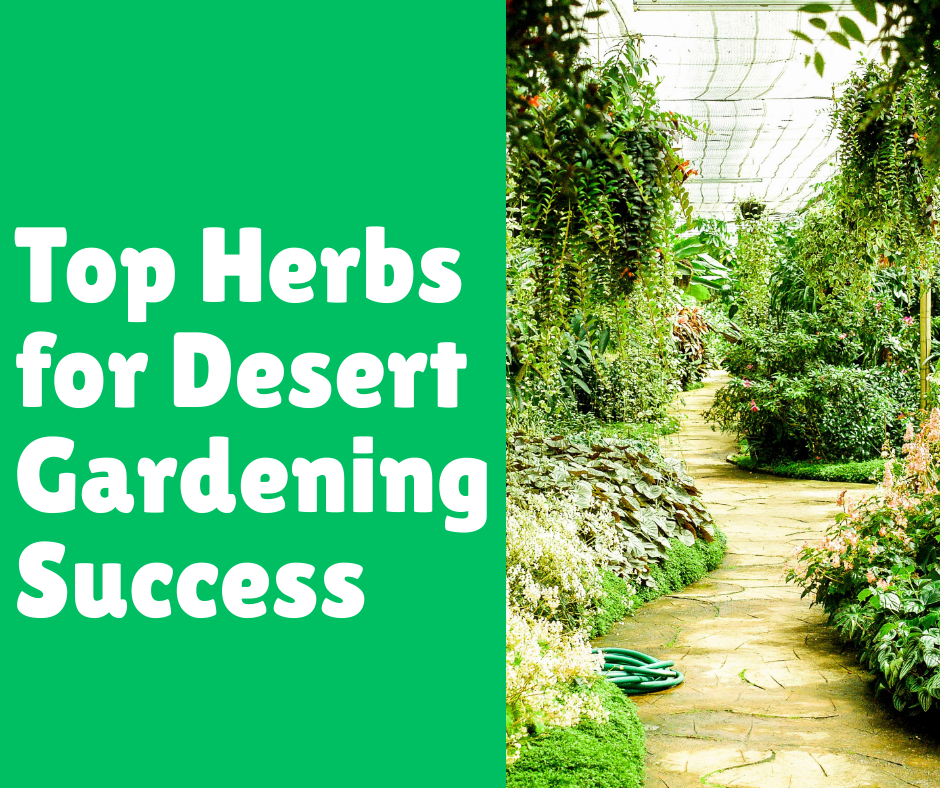
Top Herbs for Desert Gardening Success
Post Disclaimer
Content on this site is for educational use only and not a substitute for medical advice. Herbal remedies are based on traditional knowledge and not medical recommendations. Please consult a healthcare professional before trying any herb. We do not assume responsibility for any outcomes or adverse effects resulting from the use of information provided here.
If you’ve ever tried gardening in a desert, you know that it can be a real challenge. The scorching sun, dry winds, and lack of rainfall can make even the hardiest of plants wilt under the pressure.
But what if I told you that, despite the harsh conditions, there are several herbs that not only survive but thrive in desert climates?
Whether you live in a desert or just want to add a touch of green to your arid garden, this article will guide you on the best herbs to grow in desert conditions.
Have you ever wondered how desert dwellers manage to cultivate fresh herbs in an environment where rain is scarce and the sun is relentless?
Growing herbs in such challenging conditions might seem impossible, but with the right knowledge and techniques, you can successfully grow your own little herb garden, even in the driest of climates.
In this article, we’ll explore which herbs can flourish in desert environments, how to plant and care for them, and provide useful tips and tricks to make sure your herb garden thrives. Let’s get started on the exciting journey of cultivating your own desert-friendly herbs!
Why Growing Herbs in the Desert is Possible
Before we dive into the specific herbs you can grow, it’s important to understand why some herbs can thrive in desert climates.
Desert plants have evolved over thousands of years to adapt to extreme conditions. These plants are typically drought-tolerant, heat-resistant, and have deep or specialized root systems that help them access water deep within the ground.
When choosing herbs to grow in the desert, it’s essential to pick varieties that share these qualities.
Many of the best herbs for desert gardening are Mediterranean or drought-resistant plants that require little water and love the sun.
Top Herbs to Grow in Desert Climates
Here are some of the best herbs that can thrive in desert environments:
Thyme
Thyme is a hardy herb that thrives in hot, dry conditions. It requires very little water once established and grows well in well-drained, rocky soil. Its small leaves are packed with flavor, making it a favorite for seasoning meats, soups, and sauces.
Care Tips for Thyme:
- Water sparingly.
- Ensure the soil drains well.
- Trim regularly to encourage new growth.
Lavender
Known for its fragrant flowers and leaves, lavender is a drought-tolerant herb that thrives in desert gardens. Its silvery-green leaves reflect the intense sun, helping the plant conserve moisture. Lavender also attracts pollinators like bees and butterflies.
Care Tips for Lavender:
- Plant in full sun.
- Ensure the soil is sandy or loamy and drains well.
- Prune after blooming to maintain shape.
Sage
Sage is another Mediterranean herb that does well in hot, dry climates. It has woody stems and silver-green leaves that help it retain moisture. Sage is not only a versatile herb for cooking but also has medicinal properties.
Care Tips for Sage:
- Grows best in well-drained soil with minimal water.
- Can be planted in containers or directly in the ground.
- Trim regularly to prevent legginess.
Oregano
Oregano is a robust herb that tolerates a wide range of temperatures and soil types, making it perfect for desert gardening. This herb loves the sun and can handle drought, provided it’s not overwatered.
Care Tips for Oregano:
- Plant in full sunlight.
- Use containers or raised beds for better soil drainage.
- Avoid overwatering, as it can cause root rot.
Rosemary
Rosemary is not only a fantastic culinary herb but also an incredibly hardy plant for desert climates. It can withstand dry soil and intense sunlight, making it an excellent choice for arid gardens.
Care Tips for Rosemary:
- Prefers well-drained soil and full sun.
- Water sparingly; rosemary is drought-tolerant once established.
- Prune regularly to encourage bushy growth.
Best Soil Conditions for Desert Herbs
While these herbs are known for their drought resistance, they still need the right soil conditions to grow well. The soil in most desert areas tends to be sandy or rocky, which can either help or hinder your plant’s growth. Here’s how to improve the soil for desert herbs:
Amend the Soil for Better Drainage
Desert soil often lacks the nutrients herbs need to grow. To make it suitable for herbs, you’ll need to amend the soil with compost or organic matter. This helps improve soil structure, retains moisture, and provides the necessary nutrients.
Use Raised Beds or Containers
If your garden’s soil is too poor, you can use raised beds or containers to give your herbs better-draining, nutrient-rich soil. Raised beds also make it easier to control the temperature and water levels for your plants.
Step-by-Step Guide to Planting Herbs in the Desert
Now that we know which herbs thrive in the desert and how to prepare the soil, let’s dive into how to plant them. Follow this simple step-by-step guide to grow your own herb garden:
Step 1: Choose the Right Location
- Select a sunny spot in your garden, as most desert herbs require at least 6 hours of direct sunlight per day.
Step 2: Prepare the Soil
- Amend the soil with compost or organic matter to improve drainage.
- If using containers or raised beds, fill them with a mix of potting soil, sand, and compost for optimal growth.
Step 3: Plant Your Herbs
- Dig small holes for each herb, following the instructions on the plant’s label for spacing.
- Gently remove the herbs from their pots, place them in the holes, and cover the roots with soil.
Step 4: Water Sparingly
- Water your herbs deeply after planting, but avoid overwatering. Most desert herbs are drought-tolerant and don’t need constant watering.
Step 5: Mulch Around the Plants
- Apply a layer of mulch around the base of your herbs to help retain moisture and keep the soil temperature consistent.
Step 6: Maintain and Harvest
- Trim your herbs regularly to encourage new growth.
- Harvest the leaves when they are mature, but avoid over-harvesting to ensure the plant remains healthy.
Common Mistakes to Avoid When Growing Herbs in the Desert
While desert gardening can be rewarding, there are a few common mistakes you’ll want to avoid to ensure your herbs thrive:
Mistake 1: Overwatering
- Herbs like thyme, rosemary, and oregano are drought-tolerant, but overwatering can lead to root rot. Make sure your herbs are planted in well-draining soil and water only when necessary.
Mistake 2: Not Providing Enough Sun
- Desert herbs need plenty of sunlight to thrive. Make sure you plant your herbs in a location that gets at least 6 hours of sunlight per day.
Mistake 3: Ignoring Soil Quality
- The desert soil can be harsh on plants. To give your herbs the best chance at survival, amend the soil with organic material or plant in containers.
Table: Summary of Desert Herbs and Care Tips
| Herb | Water, Sun & Soil Needs | Special Care Tips |
|---|---|---|
| Thyme | Low water; full sun; well-drained soil | Prune regularly to encourage new growth |
| Lavender | Low water; full sun; sandy/loamy soil | Prune after blooming to shape and refresh |
| Sage | Low water; full sun; well-drained soil | Trim regularly to prevent legginess |
| Oregano | Low water; full sun; well-drained soil | Avoid overwatering to prevent root issues |
| Rosemary | Very low water; full sun; well-drained soil | Prune regularly to maintain bushy shape |
Conclusion
Gardening in the desert may seem daunting, but with the right knowledge and approach, you can create a thriving herb garden. By choosing the right herbs like thyme, lavender, sage, oregano, and rosemary, you can not only survive but thrive in desert conditions.
Remember to amend your soil, water sparingly, and provide plenty of sunlight, and you’ll soon enjoy a fresh, fragrant herb garden.
FAQs:
1. Can herbs grow in desert soil without any amendments?
- While some herbs can tolerate poor soil, most desert herbs will benefit from soil amendments like compost or organic matter to improve nutrient levels and water retention.
2. How often should I water my desert herbs?
- Water your desert herbs sparingly. Most of these herbs are drought-tolerant, and overwatering can lead to root rot. Water only when the soil feels dry.
3. Can I grow herbs in containers in the desert?
- Yes! Containers are an excellent option for growing herbs in desert climates. They allow you to control the soil conditions, water, and temperature more easily.