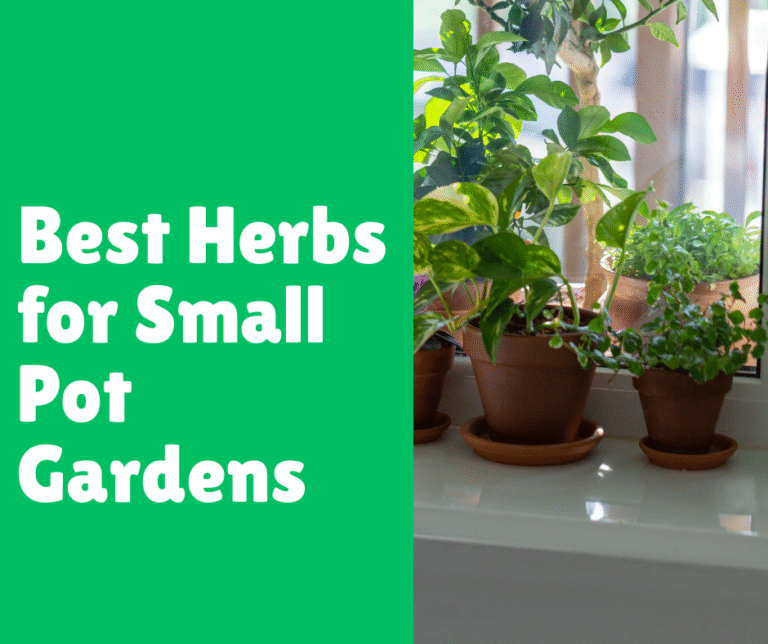
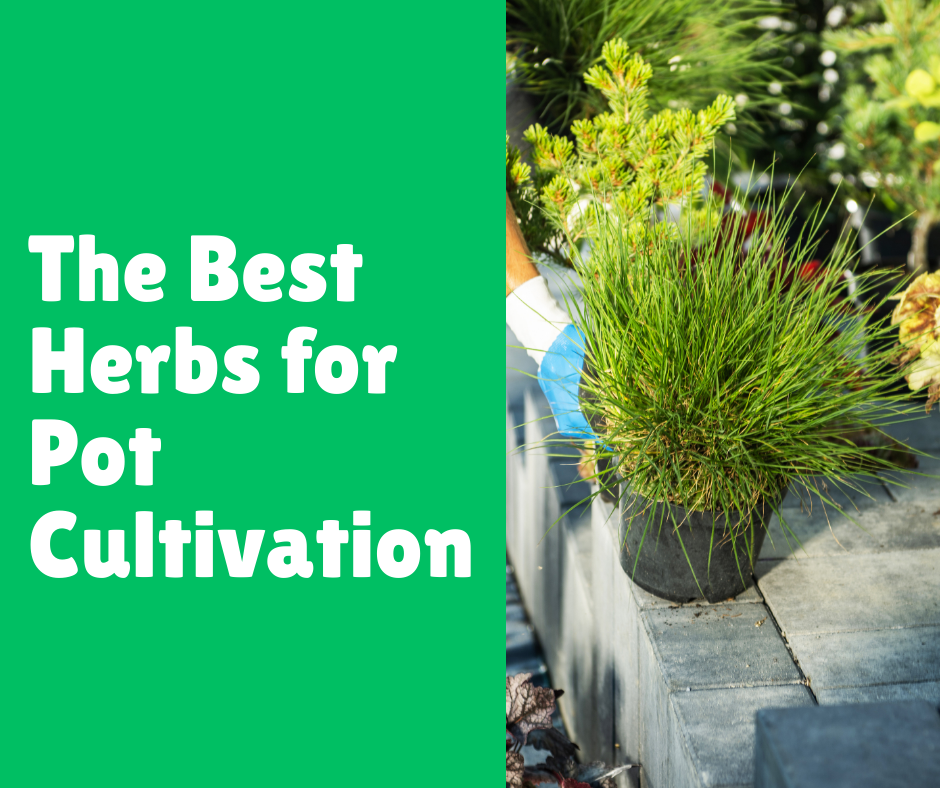
The Best Herbs for Pot Cultivation
Post Disclaimer
Content on this site is for educational use only and not a substitute for medical advice. Herbal remedies are based on traditional knowledge and not medical recommendations. Please consult a healthcare professional before trying any herb. We do not assume responsibility for any outcomes or adverse effects resulting from the use of information provided here.
Have you ever wanted to grow your own herbs but felt restricted by space? Perhaps you live in an apartment or have a small yard, but you still crave the fresh flavor of home-grown basil, mint, or rosemary.
Well, you’re in luck! Growing herbs in pots is the perfect solution, whether you’re a seasoned gardener or a complete beginner.
In this blog post, I’ll walk you through the process of growing herbs in pots, share my personal experiences, and give you a deep dive into the best herbs to plant in containers.
By the end of this article, you’ll be ready to start your own herb garden right on your windowsill, balcony, or patio!
Why Grow Herbs in Pots?
Ever found yourself buying a bunch of herbs at the store, only to use a sprig or two and toss the rest? Growing your own herbs in pots eliminates waste and offers a continuous supply of fresh herbs that will enhance your cooking and daily life. Not to mention, it’s a rewarding experience to nurture your own plants!
The Benefits of Growing Herbs in Pots
Why bother with pots when you can plant directly in the ground? Well, there are a few distinct advantages that come with container gardening, especially for herbs:
- Space Efficiency
Pots are perfect for small spaces whether you’re on a city balcony, a windowsill, or even in a corner of your kitchen. You can grow a variety of herbs without needing a large garden. - Portability
One of the joys of container gardening is that you can move your pots to follow the sun, protect your plants from extreme weather, or even bring them indoors during colder months. - Easier Maintenance
Potted herbs are easier to manage because they are less exposed to pests, and you can control the soil quality more easily. Plus, with proper drainage, you reduce the chances of root rot. - Aesthetics
A well-maintained herb garden in decorative pots can be a beautiful addition to your space. Herbs like lavender or thyme, when arranged neatly, add both color and fragrance. - Better Drainage and Soil Quality
When you grow herbs in pots, you have complete control over the soil mix, ensuring optimal growing conditions for your plants. You can even use organic or specialized potting soil to boost growth.
Best Herbs to Grow in Pots
Now that we know the benefits, let’s dive into the best herbs to grow in containers. These herbs are not only perfect for pot gardening but are also some of the most popular and versatile ones!
| Herb | Why It’s Great for Pots | Best Use |
| Basil | Loves sun, grows quickly, and has a compact root system. | Perfect for Italian dishes, salads, and pesto. |
| Mint | Grows well in pots and prevents it from taking over your garden. | Great for teas, cocktails, and garnishes. |
| Thyme | Tolerant of drought and requires little care once established. | Excellent for stews, roasted vegetables, and meats. |
| Rosemary | Thrives in containers and has a low-maintenance growth habit. | Ideal for roasted meats, bread, and Mediterranean dishes. |
| Parsley | Grows well in partial sun, making it a versatile option for most spaces. | A classic garnish and addition to soups and salads. |
| Chives | Grows in small spaces and loves a sunny location. | Perfect for dips, salads, and as a garnish. |
| Cilantro | A fast-growing herb that works well in pots, especially in cooler climates. | Great in salsas, curries, and garnishes. |
Let’s break down each of these herbs, why they thrive in pots, and how to take care of them.
- Basil
Basil is one of the most rewarding herbs to grow. It loves warmth, so make sure to place it in a sunny spot. Basil does not like to be overwatered, so be sure the pot has good drainage. Pruning the plant regularly will help it grow more vigorously and prevent it from becoming leggy. - Mint
Mint can be quite invasive if planted in the ground, but in pots, it remains well-contained. It thrives in moist, slightly shady areas. Just be mindful of its rapid growth; you might want to trim it back regularly to avoid it taking over the pot. - Thyme
Thyme is a hardy herb that tolerates drought, making it ideal for container gardening. It requires full sun and only needs to be watered when the soil is dry. Overwatering can lead to root rot, so a well-drained pot is essential. Thyme is great for adding flavor to meats, stews, and roasted vegetables. - Rosemary
Rosemary thrives in pots because it enjoys good drainage and doesn’t mind being a little root-bound. Rosemary likes sunny, dry spots, so make sure it gets plenty of light. It is perfect for adding flavor to meats, especially lamb, and for making delicious rosemary bread. - Parsley
Parsley is versatile and grows well in a variety of conditions. It can handle both full sun and partial shade, making it a great option for windowsills or balconies. It’s perfect for garnishes, and it’s also a common ingredient in Mediterranean cooking. - Chives
Chives are easy to grow and love a sunny spot. They are perfect for small containers and don’t require much attention. Just ensure they get watered regularly, especially during the warmer months. Chives are often used in salads, soups, and as a garnish for various dishes. - Cilantro
Cilantro grows quickly in cooler weather and doesn’t mind being in a pot. Make sure it’s planted in well-drained soil and kept in a spot that gets a lot of sunlight. Cilantro is essential for many Latin and Asian dishes, adding flavor to salsa, curries, and more.
Step-by-Step Guide to Growing Herbs in Pots
Now that you know which herbs are great for pots, it’s time to get your hands dirty! Here’s a step-by-step guide to growing your own herb garden in containers:
Step 1: Choose the Right Pot
Select pots that are large enough to accommodate the herb’s root system. The pot should have drainage holes to prevent water from sitting at the bottom. Aim for a pot that is at least 6–12 inches in diameter, depending on the herb you’re planting.
Step 2: Use Quality Potting Soil
Herbs prefer loose, well-draining soil. Avoid using regular garden soil in pots, as it can become compacted. Look for a good-quality potting mix, and if you can, opt for an organic version that’s free of chemicals.
Step 3: Position Your Pots for Maximum Sunlight
Most herbs need at least 4-6 hours of direct sunlight each day to thrive. Make sure to place your pots in a sunny location, such as a windowsill, balcony, or patio.
Step 4: Planting Your Herbs
Fill the pot with soil, leaving about an inch of space from the top. Dig a hole for your herb plant (or seed), and gently place it in the pot. Cover the roots with soil and pat it down gently.
Step 5: Watering
Herbs in pots dry out faster than in-ground plants. Water them thoroughly but make sure the pot has good drainage. Most herbs prefer slightly dry conditions, so let the top inch of soil dry out between waterings.
Step 6: Pruning and Harvesting
Regular pruning helps your herbs grow stronger and bushier. Harvest herbs by cutting just above a leaf node, which will encourage new growth. Don’t harvest more than a third of the plant at once to avoid stressing it out.
Common Mistakes to Avoid When Growing Herbs in Pots
- Overwatering
Herbs in pots need well-drained soil and should not sit in water. Always ensure that your pots have drainage holes and let the soil dry out between waterings. Overwatering can lead to root rot. - Using the Wrong Soil
Herbs don’t thrive in dense, clayey soil. Always use a good-quality potting mix to ensure the roots have plenty of air. - Not Pruning Regularly
Herbs need regular pruning to stay healthy and productive. Without proper pruning, they can become leggy and sparse, resulting in poor flavor. - Placing Pots in Too Much Shade
Herbs need sunlight to grow well. Avoid placing them in spots that are too shady or tucked away from natural light. Aim for at least 4-6 hours of sunlight per day. - Underestimating Pest Control
While herbs are often resistant to pests, they can still attract aphids and other insects. Keep an eye on your plants and treat any pest problems early with natural remedies, such as neem oil or insecticidal soap.
Conclusion
Growing herbs in pots is not only an enjoyable hobby but also a practical way to have fresh ingredients on hand all year round. Whether you’re a beginner or a seasoned gardener, it’s easy to get started, and the results are always rewarding. From basil to cilantro, there’s no shortage of herbs that will thrive in pots with a little care and attention.
Key Takeaways:
- Herbs are perfect for container gardening, especially for small spaces.
- Choose the right pots, soil, and placement for your herbs.
- Regular pruning and proper watering are key to healthy herb growth.
- Be mindful of common mistakes such as overwatering or using the wrong soil.
FAQs
- Can I grow herbs indoors?
Yes! Many herbs like basil, mint, and thyme do well indoors if placed near a sunny window. - How often should I water my herbs in pots?
Herbs in pots should be watered when the top inch of soil is dry. Always check the moisture level before watering to avoid overwatering. - Can I grow herbs in the winter?
Yes! Some herbs, like rosemary and thyme, are hardy enough to survive through winter, especially if kept indoors or in a sheltered spot outside.