
Simple Herbs to Grow in an Apartment
Post Disclaimer
Content on this site is for educational use only and not a substitute for medical advice. Herbal remedies are based on traditional knowledge and not medical recommendations. Please consult a healthcare professional before trying any herb. We do not assume responsibility for any outcomes or adverse effects resulting from the use of information provided here.
Living in an apartment doesn’t mean you have to give up on the idea of growing fresh herbs. In fact, growing herbs indoors can be an incredibly rewarding experience, whether you’re using them for cooking, home remedies, or simply enjoying their fresh, fragrant scent.
Imagine plucking a few basil leaves for your pasta dish or cutting fresh mint to make a cup of tea all without stepping foot outside your apartment. Sounds like a dream, right?
If you’re thinking about starting your own herb garden but aren’t sure where to begin, you’re in the right place! In this guide, I’ll walk you through everything you need to know about growing herbs in your apartment.
From choosing the right herbs for small spaces to step-by-step instructions on how to care for them, this article has it all. Plus, I’ll share some of my personal insights and experiences to help you avoid common mistakes and make your herb garden thrive!
Why Grow Herbs in Your Apartment?
Before diving into the specifics of which herbs to grow and how to care for them, let’s first explore why you should consider growing herbs in your apartment.
1. Freshness at Your Fingertips
Having fresh herbs right at your fingertips is one of the greatest benefits of growing them in your apartment. Whether you’re an aspiring chef or someone who enjoys cooking occasionally, having access to fresh herbs can elevate the flavor of your dishes in no time.
2. Low Maintenance
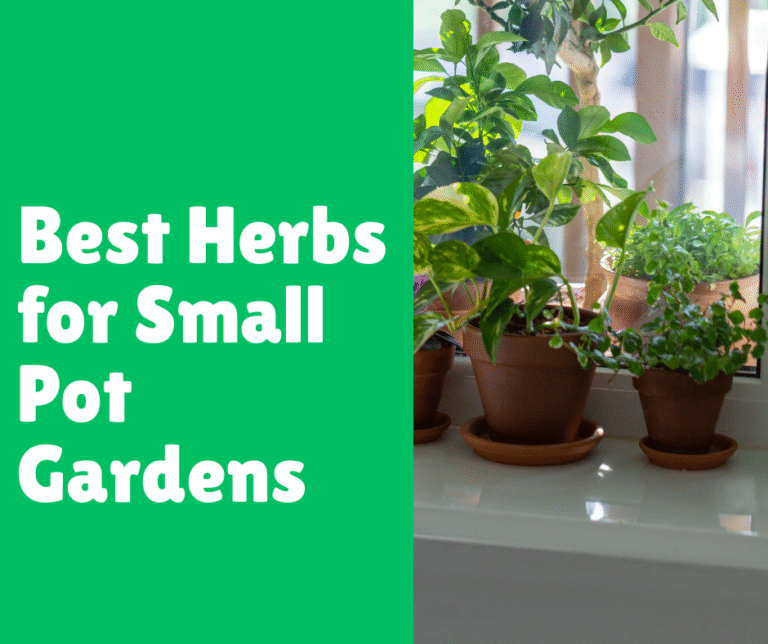
Many herbs are relatively low maintenance compared to other houseplants. They typically don’t require much space, and you can easily grow them in small containers on windowsills, countertops, or even in hanging baskets. Plus, you won’t need to worry about them getting too big for your apartment herbs stay compact and manageable.
3. Therapeutic and Aesthetic Benefits
The act of gardening no matter how small is known to reduce stress and increase feelings of well-being. Plus, the lush green leaves and colorful flowers of herbs add a natural touch to your apartment’s decor. Imagine walking into a room with pots of basil, rosemary, and thyme, filling the space with fresh greenery. It’s a sight that never gets old.
4. Money-Saver
Herbs can be surprisingly expensive to buy at the store. Growing your own herbs can save you money in the long run, as you’ll only need to purchase seeds or small plants once, and you’ll be able to use them for months or even years.
Choosing the Right Herbs for Your Apartment
Not all herbs are suited for apartment life, so it’s important to choose the right ones. Factors like light requirements, humidity, and container size all play a role in which herbs will thrive indoors. Here are some of the best herbs to grow in an apartment, based on their adaptability to indoor conditions:
1. Basil
Basil is one of the most popular herbs for indoor growing, and for good reason. It loves warmth and sunlight, making it perfect for a sunny windowsill. There are several types of basil, including sweet basil, Thai basil, and lemon basil. All of them have slightly different flavors, so you can choose one that suits your cooking style.
- Light Requirements: Full sun (at least 6 hours of direct sunlight per day)
- Container Size: 8-10 inch pot
- Watering: Keep the soil consistently moist, but not waterlogged
2. Mint
Mint is an incredibly versatile herb that can grow in almost any indoor environment. It can be used in tea, cocktails, and even in savory dishes like lamb or vegetables. Mint tends to spread quickly, so it’s best to plant it in a container to keep it from overtaking your space.
- Light Requirements: Indirect sunlight
- Container Size: 6-8 inch pot
- Watering: Keep soil moist but not soggy
3. Rosemary
Rosemary is a woody herb that can tolerate slightly drier conditions than many other herbs. It’s perfect for a sunny spot near a window and can be used in everything from roasted meats to bread. Plus, it has a lovely scent that can fill your apartment with a fresh, pine-like aroma.
- Light Requirements: Full sun (at least 6 hours of direct sunlight per day)
- Container Size: 10-12 inch pot
- Watering: Let the soil dry out slightly between waterings
4. Parsley
Parsley is easy to grow and can be used in a variety of dishes, from salads to garnishes. It’s relatively low-maintenance and doesn’t require a lot of space, making it perfect for apartments.
- Light Requirements: Partial to full sunlight
- Container Size: 8-inch pot
- Watering: Keep the soil moist but not soggy
5. Thyme
Thyme is another great herb for small spaces. It’s compact, easy to grow, and doesn’t need too much attention. You can use it to flavor roasted vegetables, meats, and stews.
- Light Requirements: Full sun
- Container Size: 6-8 inch pot
- Watering: Let soil dry out between waterings
6. Chives
Chives are hardy, and their onion-like flavor can enhance a variety of dishes. They grow well in small containers and are ideal for windowsills or kitchen countertops.
- Light Requirements: Full sun
- Container Size: 6-8 inch pot
- Watering: Keep the soil moist
Step-by-Step Instructions on How to Grow Herbs in Your Apartment
Now that you know which herbs to grow, let’s dive into the process of planting and caring for them. Here’s a step-by-step guide to getting started with your indoor herb garden.
Step 1: Select Your Containers
Choose containers that are at least 6-8 inches deep and have drainage holes. Herbs don’t like to sit in water, so proper drainage is essential for their health. You can use traditional plant pots, decorative containers, or even repurpose items like old mason jars or cups.
Step 2: Choose the Right Potting Mix
Herbs need well-draining soil. You can purchase pre-made potting mix specifically for herbs or make your own by combining regular potting soil with perlite or sand for added drainage. Avoid using garden soil, as it can be too dense for indoor plants.
Step 3: Plant Your Herbs
Fill your container with potting mix, leaving about an inch from the top. Plant your herb seeds or seedlings, ensuring they are spaced out according to the specific requirements for each herb (check the seed packet or plant label for guidance). Gently press the soil around the plant to secure it in place.
Step 4: Watering and Light
After planting, water the herbs lightly to settle the soil. Keep the soil consistently moist, but not soggy. Place your containers in a location where they will receive the appropriate amount of sunlight (check the specific light requirements for each herb). Most herbs do well in bright, indirect light, but some, like basil, need full sunlight.
Step 5: Regular Care and Maintenance
Herbs will need regular care to thrive. This includes:
- Watering them regularly, but making sure the soil doesn’t become too soggy.
- Fertilizing them once a month with a balanced, water-soluble fertilizer.
- Pruning and harvesting regularly to encourage new growth.
Step 6: Harvesting
Once your herbs are established, it’s time to start harvesting! When picking leaves, cut them with scissors or pruning shears, and always leave some of the plant behind to continue growing. For herbs like basil and mint, regular harvesting encourages bushier growth.
Common Mistakes to Avoid When Growing Herbs Indoors
Growing herbs in your apartment can be incredibly rewarding, but there are a few common mistakes that many beginners make. Let’s talk about them so you can avoid these pitfalls and ensure your herb garden thrives.
Mistake 1: Overwatering
One of the most common mistakes is overwatering your herbs. Indoor plants generally need less water than those grown outdoors, so always check the soil before watering. If the top inch of soil feels dry, it’s time to water. If it’s still damp, wait a few more days.
Mistake 2: Lack of Sunlight
While most herbs need sunlight to grow, it’s easy to forget that they still need a good amount of it. If your herbs aren’t getting enough sunlight, they will become leggy and weak. Consider investing in grow lights if your apartment doesn’t receive much natural light.
Mistake 3: Using the Wrong Container
If your containers don’t have drainage holes, your herbs will suffer from root rot. Make sure to choose pots that allow excess water to escape.
Mistake 4: Forgetting to Prune
Not pruning your herbs can lead to them becoming leggy and less productive. Regularly trim back your plants to promote healthier, fuller growth.
Table of Essential Herb Growing Tips
Here’s a helpful table summarizing the essential growing tips for your apartment herb garden:
| Herb | Light, Container & Watering Needs | Best Use |
|---|---|---|
| Basil | Full sun (6 hrs/day); 8–10″ pot; keep soil moist, not soggy | Pesto, salads, pasta dishes |
| Mint | Indirect sunlight; 6–8″ pot; keep soil moist | Teas, desserts, garnishes |
| Rosemary | Full sun (6 hrs/day); 10–12″ pot; let soil dry slightly | Roasted meats, potatoes |
| Parsley | Partial to full sun; 8″ pot; keep soil moist | Garnishes, soups, salads |
| Thyme | Full sun; 6–8″ pot; let soil dry slightly | Roasted vegetables, meats |
| Chives | Full sun; 6–8″ pot; keep soil moist | Salads, egg dishes |
Conclusion: Your Herb Garden Awaits!
Growing herbs in your apartment is an enjoyable and practical way to enhance your cooking, improve your well-being, and add a touch of greenery to your living space.
With the right herbs, containers, and care, you can create a thriving indoor herb garden that will provide you with fresh ingredients all year round.
Remember to choose herbs that suit your apartment’s light conditions, water them appropriately, and enjoy the process. If you haven’t already started, why not give it a try today?
FAQs
Q: How often should I water my herbs?
It depends on the type of herb and the conditions in your apartment, but generally, water when the top inch of soil feels dry. Avoid letting your herbs sit in water to prevent root rot.
Q: Can I grow herbs in low light?
While most herbs need plenty of light, some, like mint and parsley, can tolerate lower light levels. If you have limited natural light, consider using grow lights to supplement.
Q: Can I grow herbs in small pots?
Yes, many herbs do well in small pots, as long as the container has proper drainage. Just make sure the pot is large enough to accommodate the roots and allow for healthy growth.


Nice