Outdoor Pot Herbs You Can Grow Easily
Post Disclaimer
Content on this site is for educational use only and not a substitute for medical advice. Herbal remedies are based on traditional knowledge and not medical recommendations. Please consult a healthcare professional before trying any herb. We do not assume responsibility for any outcomes or adverse effects resulting from the use of information provided here.
Imagine stepping outside your door and being greeted by the delightful aroma of fresh basil, mint, or thyme in the air.
Whether you’re a seasoned gardener or just starting, growing herbs in pots outdoors is an incredibly rewarding experience. It’s a great way to elevate your outdoor space and enjoy fresh, homegrown flavors right at your fingertips.
But where do you start? What herbs are best for pots? And how can you make sure your plants thrive all season long?
Why Grow Herbs in Pots?
Have you ever found yourself staring at the empty corner of your balcony, thinking, “I could really use some fresh herbs for my meals, but I don’t have a garden”?
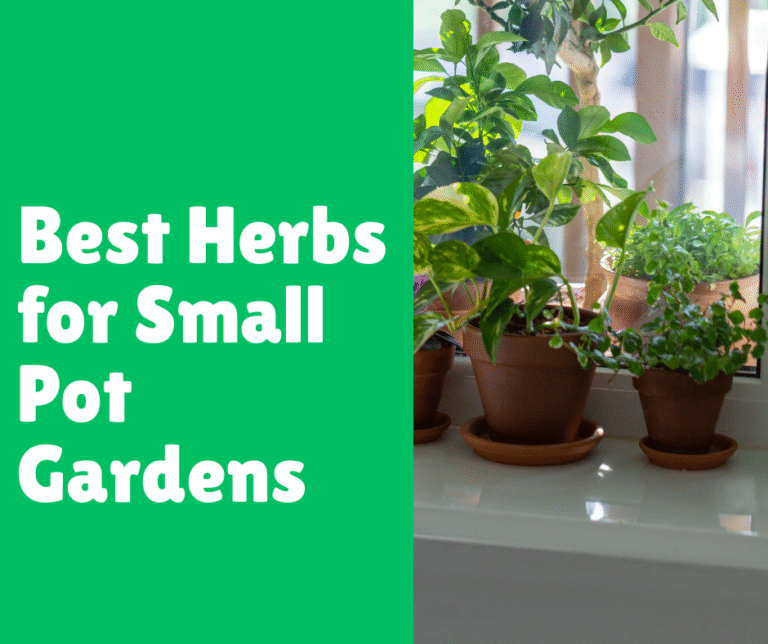
If so, you’re not alone! Growing herbs in pots is a fantastic solution for anyone with limited space, whether you live in an apartment or have a small yard.
Pots provide flexibility, allowing you to control the environment for your herbs, making them perfect for outdoor growing.
In this article, we’ll cover everything from choosing the right herbs, pot types, and soil, to step-by-step care instructions, mistakes to avoid, and helpful tips that will ensure your herbs flourish.
Choosing the Best Herbs for Pots
When it comes to growing herbs in pots, it’s essential to pick varieties that are well-suited to container life. Not all herbs thrive in pots, so here are some of the best options to consider:
1. Basil: A Summer Favorite
Basil is an absolute must-have for any herb garden. It loves the sun and warm temperatures, making it perfect for outdoor pots. It thrives in containers, and you can harvest it frequently for fresh leaves in your salads, sauces, or homemade pesto.
2. Mint: A Fragrant, Fast-Growing Herb
Mint is an easy-to-grow herb, but it can quickly become invasive. Growing it in pots helps contain its growth, preventing it from taking over your garden. Its fragrant leaves are perfect for teas, cocktails, or desserts.
3. Thyme: A Hardy, Versatile Herb
Thyme is a hardy herb that grows well in pots. It’s low-maintenance and adds a lovely earthy flavor to dishes like roasted vegetables, meats, and soups. It also pairs well with other Mediterranean herbs.
4. Rosemary: A Robust Herb for Outdoor Pots
Rosemary is another fantastic option for pots. It enjoys a lot of sunlight and can tolerate dry conditions once established. Its fragrant needles make it perfect for grilling or flavoring roasted dishes.
5. Parsley: A Cool-Weather Herb
Parsley is a great herb to grow in pots because it doesn’t require a lot of space, and it’s very versatile in cooking. It prefers cooler temperatures, so it’s perfect for spring and fall planting.
Selecting the Right Pots and Soil
Now that you’ve chosen your herbs, it’s time to think about the containers and soil. Choosing the right pots and soil is essential to help your herbs grow strong and healthy.
Choosing the Right Pots
- Size Matters: The size of the pot is crucial for healthy herb growth. Herbs like basil and rosemary need larger pots, while smaller herbs like parsley or thyme can thrive in more compact containers. A 12-14 inch pot is a good standard for most herbs.
- Drainage: Ensure the pots have drainage holes at the bottom to allow excess water to escape. Poor drainage can lead to root rot and other issues.
- Material: Opt for pots made from breathable materials like terracotta, ceramic, or fabric. These materials allow air to reach the roots and prevent overheating. Avoid plastic pots, as they can retain too much heat and moisture.
Choosing the Right Soil
- Well-Draining Soil: Herbs need soil that drains well to avoid root rot. A mix of potting soil and sand is ideal. You can also add perlite or vermiculite to improve drainage.
- Organic Matter: Use a soil mix with plenty of organic matter to provide your herbs with the nutrients they need. Compost is a great addition to your potting mix.
Step-by-Step Instructions for Planting Herbs in Pots
Planting your herbs properly is the first step to ensuring their success. Here’s a step-by-step guide to help you get started:
Step 1: Preparing Your Pot
Before you plant, make sure your pot is clean and has adequate drainage holes. Fill the bottom with a layer of gravel or broken pottery shards to improve drainage further.
Step 2: Adding the Soil
Fill the pot with your soil mix, leaving about an inch of space from the rim. Gently pat down the soil to remove any air pockets.
Step 3: Planting the Herbs
Carefully remove the herbs from their nursery containers and place them into the pots. For most herbs, ensure the roots are slightly above the soil level. Fill around the roots with more soil, pressing gently to secure them.
Step 4: Watering the Plants
Water your herbs thoroughly right after planting. Make sure the soil is moist but not soggy. Moving forward, water the herbs when the top inch of soil feels dry to the touch.
Step 5: Placement
Place the pots in a sunny location. Most herbs require at least 6 hours of sunlight a day to thrive, so choose a spot that gets plenty of light throughout the day.
Common Mistakes to Avoid When Growing Herbs in Pots
- Overwatering: One of the most common mistakes in container gardening is overwatering. Herbs prefer to dry out slightly between waterings, so be sure to check the soil moisture before watering.
- Choosing the Wrong Pot Size: A pot that’s too small restricts root growth, while a pot that’s too large can lead to waterlogging. Find a balance and make sure the pot is just the right size for your herb.
- Neglecting Fertilization: Herbs in pots need regular feeding. Use a balanced, organic fertilizer every 4-6 weeks to keep your plants healthy and productive.
- Incorrect Placement: Herbs need a lot of sunlight to thrive, so don’t place them in shady corners. Ensure they get plenty of light to produce strong, flavorful leaves.
Tips for Maximizing Your Herb Garden’s Potential
- Harvest Regularly: Regular harvesting encourages new growth and keeps your herbs from becoming leggy. Cut just above the leaves to promote fresh growth.
- Mulch for Moisture Retention: Add a thin layer of mulch to help retain moisture and regulate soil temperature.
- Rotate Herbs: If you’re growing several herbs in one large pot, rotate them occasionally to ensure each plant gets equal exposure to sunlight.
Table: Essential Herbs for Pots and Their Care Requirements
| Herb | Sunlight, Water & Pot Size | Additional Tips |
|---|---|---|
| Basil | Full sun (6+ hrs); keep soil moist; 12–14″ pot | Prune regularly to prevent flowering |
| Mint | Partial to full sun; water regularly (not soggy); 10–12″ pot | Keep in its own pot to prevent spreading |
| Rosemary | Full sun (6+ hrs); let soil dry between waterings; 14–16″ pot | Tolerates dry conditions once established |
| Parsley | Partial sun; keep soil moist (not wet); 10–12″ pot | Prefers cooler temperatures |
| Thyme | Full sun (6+ hrs); water when dry; 10–12″ pot | Tolerates dry conditions |
Conclusion: Start Your Herb Garden Today
Growing herbs in pots outdoors is a simple and rewarding way to enhance your cooking and outdoor space. With the right herbs, pots, soil, and care, you can enjoy a lush, fragrant herb garden all year round.
So, why wait? Get started today, and soon you’ll be enjoying the fresh flavors of homegrown herbs in every meal.
FAQs
Q1: Can I grow herbs indoors in pots too?
Yes! Many herbs, like basil, mint, and parsley, can thrive indoors as long as they get enough light. A sunny windowsill is the perfect spot.
Q2: How often should I water my herbs in pots?
Water your herbs when the top inch of soil feels dry. Be sure to check the moisture regularly to avoid overwatering.
Q3: Can I grow herbs in pots all year round?
Yes, with proper care, many herbs can be grown year-round, especially if you live in a mild climate. You can also bring pots indoors during winter for colder months.