Growing Medicinal Herbs in Your Backyard
Post Disclaimer
Content on this site is for educational use only and not a substitute for medical advice. Herbal remedies are based on traditional knowledge and not medical recommendations. Please consult a healthcare professional before trying any herb. We do not assume responsibility for any outcomes or adverse effects resulting from the use of information provided here.
Have you ever wondered how the herbs that hold medicinal properties are grown? From soothing chamomile to powerful echinacea, the world of medicinal herbs is not only fascinating but also incredibly beneficial for health.
In today’s world, as we shift toward more natural remedies, the demand for homegrown medicinal herbs is growing.
But how do you start? What do you need to know to grow these herbs effectively? This article will walk you through everything you need to know about cultivating your own medicinal garden, whether you have a spacious backyard or a small windowsill.
From planting and nurturing to harvesting and storing, I’ll guide you through each step of the process, with helpful tips and real-life examples.
So, grab your gardening gloves, and let’s dive into the wonderful world of medicinal herbs!
The Basics of Growing Medicinal Herbs
Before you jump into planting, it’s important to understand some key basics that will help you grow your medicinal herbs successfully.
Growing herbs isn’t just about throwing some seeds in the ground and waiting for them to grow. There are several considerations:
- Choosing the Right Location: Different herbs require different levels of sunlight. Some herbs, like basil, thrive in full sun, while others, like mint, are more tolerant of shade. Choose a spot in your garden or home that matches the needs of your chosen plants.
- Soil Quality: Medicinal herbs need well-draining, fertile soil. Most herbs prefer slightly acidic to neutral soil. If you’re growing herbs in containers, use good-quality potting soil mixed with some compost to provide the nutrients they need.
- Watering Needs: Herbs typically need regular watering, but not too much. Overwatering is one of the most common mistakes when growing herbs. The soil should be moist but not soggy. Most herbs prefer being watered at the base, not from overhead, to prevent mildew.
- Climate Considerations: Check if the herbs you want to grow are suitable for your climate. Some herbs are hardy and can survive in colder climates, while others need warmth to thrive.
Step-by-Step Process to Grow Medicinal Herbs
Now that we have the basics down, let’s walk through the process of growing medicinal herbs, step by step.
Step 1: Selecting Your Herbs
Not all herbs are created equal. Some are easier to grow, while others might require more attention. If you’re a beginner, I recommend starting with herbs that are relatively easy to grow and maintain.
Here are some excellent options for medicinal herbs:
- Lavender: Great for calming, sleep-inducing properties.
- Chamomile: Known for its relaxing qualities.
- Peppermint: Great for digestion.
- Echinacea: A powerful immune booster.
- Lemon Balm: Helpful for anxiety and stress relief.
When choosing your herbs, consider what you want to use them for. For example, if you’re interested in making your own tea blends, herbs like chamomile and peppermint are great options.
Step 2: Preparing the Soil and Planting
Once you’ve selected your herbs, it’s time to get your hands dirty! Whether you’re planting in a garden bed or containers, the steps are fairly similar:
- Test Your Soil: A soil test kit can help you determine the pH and nutrient levels of your soil. Most herbs prefer soil that’s slightly acidic to neutral (pH 6-7).
- Planting Depth: Each herb has a specific planting depth. For example, small seeds like chamomile should be planted just under the soil surface, while larger seeds like echinacea might need to be planted a bit deeper.
- Spacing: Don’t crowd your herbs! They need space to grow. Typically, you’ll want to space herbs like basil 12-18 inches apart, depending on the variety.
Step 3: Caring for Your Herbs
Caring for your herbs is where the magic happens. These plants aren’t particularly high-maintenance, but they do require consistent attention:
- Watering: Water your herbs deeply, but don’t let them sit in water. If you’re growing herbs in pots, make sure the pots have drainage holes.
- Fertilizing: Fertilizing isn’t always necessary, but herbs may benefit from a light feeding every few weeks, especially if the soil is poor. Use a balanced, organic fertilizer to promote healthy growth.
- Pruning: Prune your herbs regularly to encourage bushy growth. For example, with basil, pinch off the top leaves to promote side shoots. Regular pruning also helps prevent herbs from flowering too soon, which can affect their flavor and medicinal properties.
Step 4: Harvesting
Herbs are most potent when harvested at the right time. To harvest your herbs:
- Harvest in the Morning: The best time to harvest herbs is early in the morning, right after the dew has dried but before the sun is too hot.
- Use Clean Tools: Use sharp scissors or pruning shears to avoid damaging the plants. Cut leaves and stems without removing too much of the plant at once, allowing it to continue growing.
- Don’t Overharvest: Never harvest more than one-third of your plant at once. This allows the herb to regenerate and continue producing.
Common Mistakes to Avoid When Growing Medicinal Herbs
While growing medicinal herbs is relatively simple, there are a few mistakes that I’ve made (and others have too!) that can be avoided to ensure the success of your plants.
Mistake 1: Overwatering
I can’t stress this enough – overwatering is the most common issue I see when it comes to herb gardening. While it’s tempting to water frequently, especially in hot weather, it’s better to let the soil dry out slightly between waterings. Many herbs, like rosemary and thyme, are drought-tolerant and don’t like “wet feet.”
Mistake 2: Not Pruning Regularly
Many gardeners forget to prune their herbs. Pruning encourages bushier growth, which means more leaves to harvest and better overall plant health. Don’t let your herbs go to seed unless you plan to collect seeds. If they start flowering too soon, they may lose their potency and flavor.
Mistake 3: Choosing the Wrong Herbs for Your Climate
It’s easy to get excited about a certain herb, but not all herbs are suitable for all climates. Some need a lot of sun, while others thrive in partial shade. Do your research before you plant, or consult with a local garden center to choose herbs suited to your area.
The Best Medicinal Herbs to Grow at Home
If you’re just starting out, here are a few of the best medicinal herbs to grow at home:
| Herb | Medicinal Benefits & Growing Conditions | How to Use |
|---|---|---|
| Chamomile | Calming, digestive aid, anti-inflammatory; full sun, well-drained soil | Tea, extracts, skincare |
| Peppermint | Relieves indigestion, headaches; full sun, moist soil | Tea, tinctures, oils |
| Lavender | Stress relief, sleep aid, antibacterial; full sun, well-drained soil | Tea, oils, sachets |
| Echinacea | Immune booster, anti-inflammatory; full sun, well-drained soil | Tea, tinctures, supplements |
| Lemon Balm | Anxiety relief, aids digestion; partial shade, moist soil | Tea, oils, tinctures |
Each of these herbs is easy to grow and offers a variety of medicinal benefits.
How to Harvest, Dry, and Store Medicinal Herbs
Once your herbs have grown to their full potential, it’s time to enjoy them! But before you start using them, proper harvesting, drying, and storing are essential for preserving their potency.
Harvesting
As mentioned earlier, harvest your herbs in the morning when they are most potent. You can use fresh herbs right away, but if you want to store them, drying is the best method.
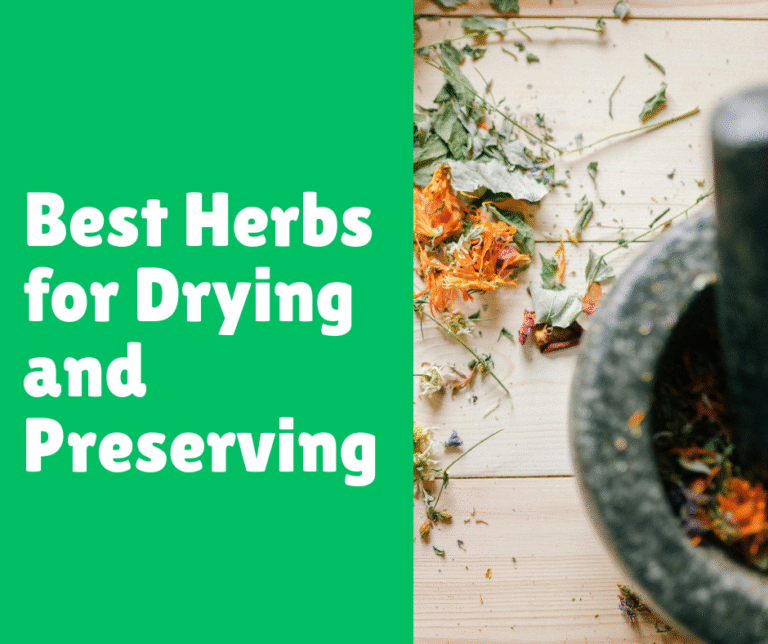
Drying Your Herbs
There are several ways to dry herbs, but the most popular methods are:
- Air Drying: Bundle your herbs and hang them upside down in a cool, dry place away from direct sunlight. This method works best for herbs like rosemary, thyme, and lavender.
- Dehydrator: If you have a food dehydrator, this is a quick and efficient way to dry herbs.
- Oven Drying: Set your oven to the lowest setting (around 100-110°F), spread the herbs out on a baking sheet, and let them dry for several hours.
Storing Your Herbs
Once dried, store your herbs in airtight containers, away from direct sunlight. Glass jars are a popular choice, and it’s best to store each herb separately to preserve its unique properties.
Conclusion
Growing medicinal herbs can be a rewarding and therapeutic hobby. By choosing the right plants, nurturing them properly, and avoiding common mistakes, you can cultivate a thriving herbal garden that provides natural remedies for years to come.
I encourage you to start small, experiment, and see which herbs work best in your garden. And don’t forget to share your gardening stories with others there’s always something new to learn!
What herbs are you excited to grow? Drop a comment below, and let’s chat about it!
FAQs
1. Can I grow medicinal herbs indoors?
Yes! Many medicinal herbs, like mint, basil, and oregano, can be successfully grown indoors in pots or containers.
2. How long does it take for medicinal herbs to grow?
Most medicinal herbs take about 2-3 months to mature. However, some herbs like chamomile may take a little longer, while others like basil grow quickly.
3. Can I use medicinal herbs fresh, or do they need to be dried first?
You can use both fresh and dried herbs. However, dried herbs tend to have a more concentrated flavor and medicinal properties, which makes them ideal for long-term storage.
4. What is the best time to plant medicinal herbs?
The best time to plant herbs is during the spring after the last frost. Herbs like basil and thyme thrive when planted in warmer temperatures.