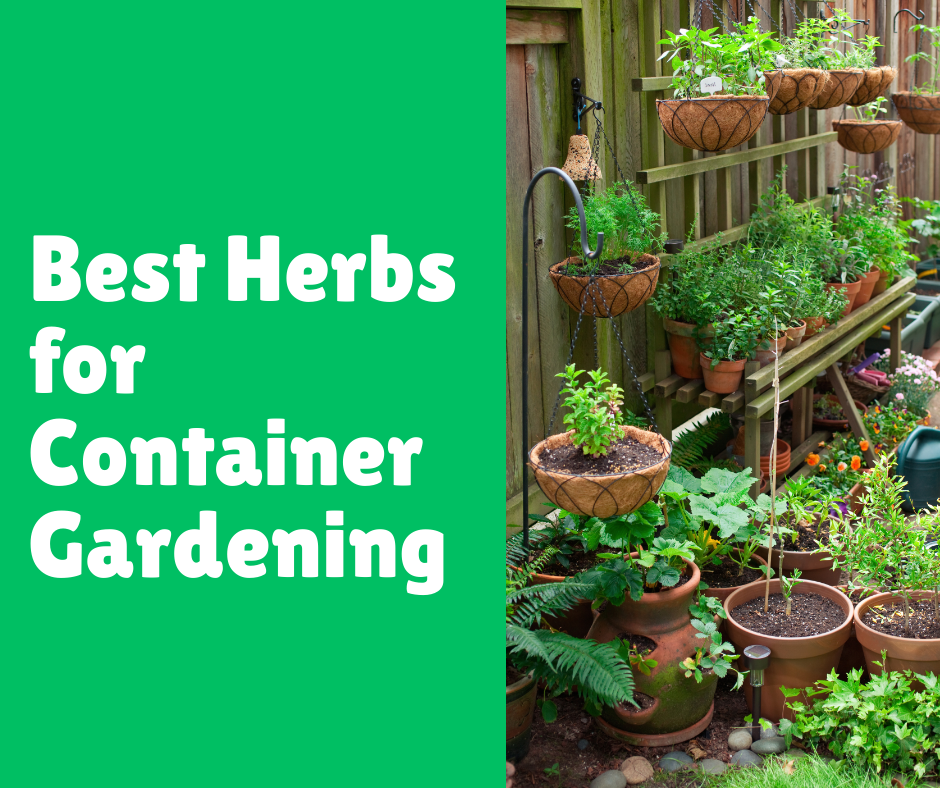
Best Herbs for Container Gardening
Post Disclaimer
Content on this site is for educational use only and not a substitute for medical advice. Herbal remedies are based on traditional knowledge and not medical recommendations. Please consult a healthcare professional before trying any herb. We do not assume responsibility for any outcomes or adverse effects resulting from the use of information provided here.
Whether you’re a seasoned gardener or just getting started, growing your own herbs can be an incredibly satisfying and rewarding experience. And what better way to start than by growing them in containers?
Container gardening offers flexibility and convenience, making it the perfect solution for those with limited space, like apartment dwellers or those without large yards. But, the question is what herbs are the best to grow in containers? Let’s dive into that today.
Have you ever found yourself standing in the kitchen, trying to decide whether you should make that last-minute dash to the store to buy fresh herbs? Or maybe you’ve thought about how nice it would be to have a small herb garden right outside your door, ready for use whenever you need it.
In this article, we will walk you through some of the best herbs to grow in containers, why they are perfect for such gardening setups, and how you can care for them.
We’ll also go over a few common mistakes that beginners often make, and I’ll share my personal insights and tips to ensure that you have the best gardening experience.
Let’s get started with choosing the right herbs for container gardening!
Why Container Gardening for Herbs?
Before diving into which herbs to grow, it’s important to understand why container gardening is an excellent choice. First off, growing herbs in containers allows you to bring nature closer, especially if you live in an apartment or have limited garden space.
You can place them on your balcony, porch, or even windowsills. The flexibility of moving your containers means your herbs will always get the best sunlight exposure, and you can control their environment more easily.
Best Herbs for Containers
Now, let’s talk about the best herbs you can grow in containers. I’ll break them down into categories to make it easier for you to choose based on your preferences and gardening needs.
a) Basil
Basil is one of the most popular herbs and is ideal for container gardening. It thrives in full sunlight and needs warm weather, so if you live in a temperate climate, basil can be grown easily in a pot. It’s also perfect for small containers, as it doesn’t require deep soil to grow. The key to basil’s success is well-drained soil and regular watering.
Tip: Prune basil regularly to prevent it from flowering, as this can reduce the flavor.
b) Mint
Mint is incredibly versatile and easy to grow, but it’s also quite invasive. Growing it in containers keeps it from taking over your entire garden. A small pot will be enough to keep it contained. Make sure the container has plenty of drainage holes, as mint prefers moist, well-drained soil.
Tip: Mint thrives in partial shade but can tolerate full sun as well. Be sure to water it consistently, especially during the summer months.
c) Rosemary
Rosemary is a hardy herb that grows well in containers, especially if you live in a hot climate. This herb thrives in well-drained soil and a sunny spot. It’s perfect for adding flavor to a variety of dishes, especially Mediterranean cuisine.
Tip: Rosemary doesn’t like overly damp soil, so be cautious not to overwater. Let the top inch of soil dry out before watering again.
d) Thyme
Thyme is another herb that loves the sun and does well in containers. It’s low maintenance and drought-resistant, which makes it perfect for beginner gardeners. A small pot with a well-draining potting mix is ideal for thyme.
Tip: Trim thyme frequently to keep it from getting leggy, and consider harvesting it often to promote more growth.
e) Chives
Chives are easy to grow in containers and don’t require much attention. A small container is all you need to get started. Chives love the sun and well-drained soil. They can even tolerate slightly colder temperatures, which makes them an excellent choice for colder regions.
Tip: Regular harvesting helps chives grow back stronger. They also produce beautiful purple flowers that are edible!
f) Parsley
Parsley can be a bit more challenging to grow than other herbs, but it’s still a fantastic option for containers. It needs a lot of sunlight to grow properly, so ensure that your container is in a sunny spot. It’s a biennial plant, which means it will grow for two years before you need to replace it.
Tip: Make sure to water parsley regularly, especially during dry spells, and keep it well-fertilized for the best flavor.
Container Size, Soil, and Drainage
Choosing the right container size, soil, and drainage is crucial for the success of your herb garden. Here’s a quick breakdown:
| Container Size | Herbs & Soil Type | Drainage Notes |
|---|---|---|
| Small (6–8 inches) | Basil, Chives, Parsley; light, well-draining mix | Essential for all herbs |
| Medium (8–12 inches) | Mint, Thyme; loamy, rich soil | Ensure drainage holes |
| Large (12–18 inches) | Rosemary, Oregano; well-drained potting soil | Crucial to prevent root rot |
Step-by-Step Guide to Choosing the Right Pot for Your Herbs
- Select a container size based on the herb: Start with smaller pots for herbs like basil and chives. Larger pots are needed for herbs like rosemary and thyme that grow bigger and require deeper soil.
- Use the right soil: For most herbs, a well-draining potting mix is ideal. You can add perlite or sand to the mix to improve drainage.
- Ensure proper drainage: Make sure your container has holes at the bottom for water to escape. Without proper drainage, the roots can become waterlogged, leading to root rot.
Caring for Your Herb Container Garden
Herbs may be relatively low-maintenance, but they do need some basic care to thrive. Here’s a simple breakdown of care requirements for growing herbs in containers:
a) Watering
Watering is one of the most common challenges gardeners face when growing herbs in containers. Since containers dry out faster than the ground, herbs in pots need more frequent watering.
- Water when the top inch of soil feels dry.
- Use a watering can with a gentle spout to avoid damaging your herbs.
- Avoid waterlogging, as it can lead to root rot.
b) Sunlight
Most herbs prefer full sun, but a few, like mint, can tolerate partial shade. Ideally, your herbs should receive at least 6 hours of direct sunlight per day.
- Place your herbs in a location where they will receive adequate sunlight.
- Rotate pots occasionally to ensure even sunlight distribution.
c) Fertilizing
Herbs in containers may require more nutrients than those grown in the ground, as pots have limited soil. Fertilize once a month during the growing season using an organic fertilizer.
- Avoid over-fertilizing, as too much fertilizer can lead to a decrease in flavor and aroma.
- Compost is a great natural fertilizer for container plants.
Common Mistakes to Avoid in Container Herb Gardening
While growing herbs in containers is relatively easy, some common mistakes can hinder your success. Here are a few to watch out for:
a) Overwatering
Herbs in containers are prone to overwatering because containers hold less water than the ground. Always check if the top layer of soil is dry before watering.
b) Choosing the Wrong Container
Make sure you choose the appropriate size container for each herb. Too small of a container can limit the growth of the plant, while too large of a container can cause the soil to stay too wet for too long.
c) Underestimating Sunlight Needs
Most herbs need plenty of sunlight to thrive. Make sure to place them in a sunny spot, and if you live in a particularly hot climate, be prepared to water them more frequently.
Conclusion
Growing herbs in containers is a fantastic way to enjoy fresh, home-grown herbs right at your doorstep. Whether you’re adding a dash of basil to your pasta or garnishing your dishes with thyme, these herbs can elevate your meals in ways you never thought possible. From basil to chives, each herb offers something unique for your cooking and gardening experience.
Key Takeaways:
- Choose the right container size, soil, and drainage to promote healthy growth.
- Water and sun requirements vary, but most herbs thrive in full sunlight and well-drained soil.
- Be mindful of common mistakes, such as overwatering and underestimating sunlight needs.
Now it’s time for you to start your own container herb garden. Have you ever grown herbs in containers before? What are your favorite herbs to grow? Share your thoughts and experiences in the comments below, or try out some of the tips I’ve shared and let me know how they worked for you!
FAQs
Q1: Can I grow herbs in small pots?
Yes! Many herbs, such as basil and parsley, can thrive in small pots. Just ensure the pot has good drainage and is large enough for the root system to grow comfortably.
Q2: How often should I fertilize my container herbs?
Herbs in containers should be fertilized about once a month using a balanced organic fertilizer. Avoid over-fertilizing, as this can affect the flavor and aroma of your herbs.
Q3: Can I grow herbs indoors in containers?
Absolutely! Many herbs, such as basil, mint, and thyme, grow well indoors as long as they receive sufficient sunlight. A sunny windowsill or a grow light will work wonders.