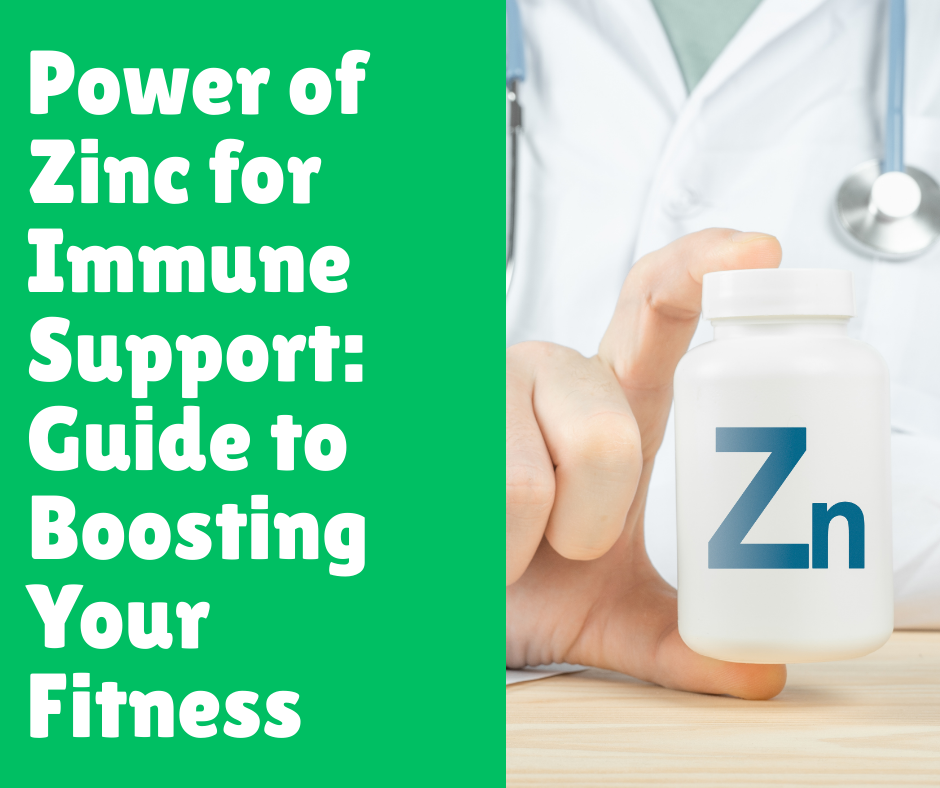
Power of Zinc for Immune Support: Guide to Boosting Your Fitness
Post Disclaimer
Content on this site is for educational use only and not a substitute for medical advice. Herbal remedies are based on traditional knowledge and not medical recommendations. Please consult a healthcare professional before trying any herb. We do not assume responsibility for any outcomes or adverse effects resulting from the use of information provided here.
Have you ever caught yourself wondering why some people seem to stay healthy while others fall ill at the slightest change in weather? Well, one secret might lie in a tiny but mighty mineral zinc.
It’s easy to overlook the importance of minerals like zinc in our daily lives, but they play an essential role in keeping our immune system strong and fighting off illness. So, why not take a closer look at this powerhouse mineral?
In this blog post, I’ll walk you through everything you need to know about zinc and its incredible benefits for immune support.
We’ll explore why zinc is so vital for your health, how it can help bolster your immune system, and how to ensure you’re getting enough of it.
By the end of this article, you’ll be well-equipped with the knowledge to take charge of your health and optimize your zinc intake for better immunity.
Why Zinc is Essential for Immune Support
Zinc is one of those minerals that doesn’t get nearly enough attention, despite its importance in many bodily functions.
This essential mineral is crucial for maintaining a healthy immune system, as it plays a pivotal role in regulating the activity of immune cells.
Zinc also aids in wound healing, DNA synthesis, and the production of proteins necessary for cellular repair. But when it comes to immunity, zinc works in multiple ways:
- Enhancing Immune Cell Function: Zinc is vital for the development and function of T-cells, which are responsible for detecting and destroying infected cells in your body. It also helps maintain the function of other immune cells, like neutrophils and macrophages, that fight off harmful pathogens.
- Acting as an Antioxidant: Zinc has antioxidant properties that help reduce oxidative stress, which can weaken the immune system and make you more susceptible to illness.
- Supporting Inflammatory Response: Zinc plays a role in regulating inflammation, which is essential for fighting off infections and injuries. It helps ensure that the body doesn’t overreact to threats, which could result in chronic inflammation and associated health problems.
Now that you know why zinc is important, let’s take a closer look at how you can ensure you’re getting enough.
Top Sources of Zinc: From Food to Supplements
The best way to get zinc is through a balanced diet, but some people may struggle to meet their daily zinc needs through food alone. Whether you’re a vegetarian, vegan, or simply someone who doesn’t eat zinc-rich foods regularly, it’s essential to understand the best sources of zinc to support your immune system.
Foods Rich in Zinc
Zinc is found in both animal and plant-based foods, but it’s important to note that zinc from animal sources is typically better absorbed by the body than from plant sources. Here’s a breakdown of the top foods that provide a natural boost to your zinc intake:
| Food | Zinc Content (mg/100g) | Additional Benefits |
| Oysters | 74.0 | High in protein, omega-3 fatty acids, and vitamins |
| Red Meat (beef) | 5.0 | Excellent source of protein and iron |
| Poultry (chicken) | 3.0 | Good for muscle repair and immune support |
| Pumpkin Seeds | 7.5 | Rich in antioxidants and healthy fats |
| Legumes (lentils) | 2.5 | Excellent source of fiber and plant-based protein |
| Nuts (cashews) | 5.0 | Full of healthy fats, protein, and vitamins |
| Dairy (cheese) | 4.0 | High in calcium, protein, and vitamin B12 |
| Fortified Breakfast Cereals | 15.0 | Convenient way to meet daily zinc requirements |
Zinc Supplements
If you find it difficult to consume enough zinc from food, supplements are an excellent option. Zinc supplements come in several forms, including:
- Zinc Gluconate: A common and well-absorbed form of zinc.
- Zinc Picolinate: Often considered one of the best forms of zinc for absorption.
- Zinc Citrate: Another highly bioavailable form of zinc.
- Zinc Oxide: Less bioavailable but still effective for many people.
The recommended daily intake (RDI) for zinc varies based on age, gender, and life stage. For most adults, the RDI is about 8-11 mg per day. However, pregnant or breastfeeding women, as well as those with certain health conditions, may need higher doses.
Zinc Deficiency and Its Effects on the Immune System
Although zinc is abundant in many foods, deficiencies are relatively common. The effects of zinc deficiency can be subtle but have a significant impact on your immune function. Some of the symptoms of zinc deficiency include:
- Frequent Infections: A weakened immune response can make it difficult for the body to fend off infections, leading to more frequent colds, flu, and other illnesses.
- Slow Wound Healing: Zinc is essential for tissue repair and regeneration, so a lack of zinc can delay the healing of cuts, scrapes, and injuries.
- Hair Loss: Zinc plays a role in hair follicle health, and deficiency can lead to thinning hair or hair loss.
- Impaired Growth: Children who are zinc deficient may experience stunted growth and delayed development.
- Skin Problems: Acne, eczema, and other skin issues can be exacerbated by insufficient zinc levels.
Zinc deficiency can occur for various reasons, including poor diet, malabsorption issues, or increased need (as seen in pregnancy or during illness).
If you suspect a deficiency, it’s best to consult a healthcare provider who can conduct tests to confirm the deficiency and recommend the appropriate treatment.
How to Maximize Zinc Absorption
Taking zinc supplements or eating zinc-rich foods is only half the battle. To fully benefit from the zinc you consume, your body needs to absorb it properly. Here are some tips to help you maximize zinc absorption:
- Avoid Excessive Iron: High doses of iron can interfere with zinc absorption. If you take an iron supplement, try to take it at a different time of day from your zinc supplement.
- Limit Calcium Intake During Zinc Supplementation: While calcium is crucial for bone health, it can inhibit zinc absorption when taken in large quantities. Again, spacing out the timing of calcium and zinc supplements is a good idea.
- Balance with Copper: Zinc and copper work together in the body, so an imbalance (such as taking too much zinc without enough copper) can lead to deficiencies. Always aim for a balanced intake of both minerals.
- Take Zinc with Food: Zinc supplements can cause stomach upset for some people. Taking them with food can reduce this risk and enhance absorption.
- Avoid Phytates: Phytates, found in whole grains, legumes, and seeds, can bind to zinc and reduce its absorption. Soaking or fermenting these foods can help reduce their phytate content.
Common Mistakes to Avoid When Boosting Zinc Intake
While zinc is vital for immune support, it’s easy to make some common mistakes when trying to boost your zinc intake. Here are some pitfalls to avoid:
- Relying Too Heavily on Supplements: While zinc supplements are helpful, it’s always best to get your nutrients from whole foods when possible. Supplements should only be used as a backup if your diet falls short.
- Taking Too Much Zinc: More is not always better. High doses of zinc (especially over 40 mg per day) can lead to side effects like nausea, vomiting, and copper deficiency. Stick to the recommended daily intake unless advised otherwise by your doctor.
- Ignoring Other Immune Boosters: Zinc is just one piece of the immune puzzle. Make sure to also focus on other essential nutrients like vitamin C, vitamin D, and probiotics to support your immune system fully.
Conclusion
Zinc plays an essential role in supporting a healthy immune system, and ensuring you get enough of it can have a profound impact on your overall health.
By including zinc-rich foods in your diet or taking supplements if necessary, you can bolster your immune response, improve wound healing, and keep your body in top condition.
Incorporate these tips, avoid common mistakes, and monitor your intake to ensure you’re maximizing the benefits of zinc.
If you’re unsure whether you’re getting enough zinc or have concerns about your health, don’t hesitate to reach out to a healthcare professional.
Key Takeaways:
- Zinc is vital for immune health, wound healing, and cellular repair.
- You can find zinc in animal-based and plant-based foods, with supplements available for those who need extra support.
- Zinc deficiencies can lead to frequent infections, slow healing, and other health issues.
- Maximize zinc absorption by balancing it with copper, avoiding high doses of iron and calcium, and taking zinc with food.
So, now that you know how essential zinc is for your immune health, what steps will you take to make sure you’re getting enough? Let me know in the comments below, or share this article with someone who could use a zinc boost!
FAQs
- How much zinc should I take daily?
The recommended daily intake of zinc for adults is 8-11 mg. Pregnant or breastfeeding women may need more. Always follow your healthcare provider’s advice. - Can I get too much zinc from food?
It’s unlikely to get too much zinc from food alone, but excessive supplementation can lead to toxicity. Always stay within the recommended dosage unless advised otherwise by a doctor. - Are there any side effects of zinc supplements?
Excessive zinc intake can lead to nausea, vomiting, and interference with copper absorption. Always follow dosage recommendations. - Can zinc help with common colds?
Some studies suggest that zinc may help reduce the duration and severity of the common cold, particularly if taken within the first 24 hours of symptoms appearing.