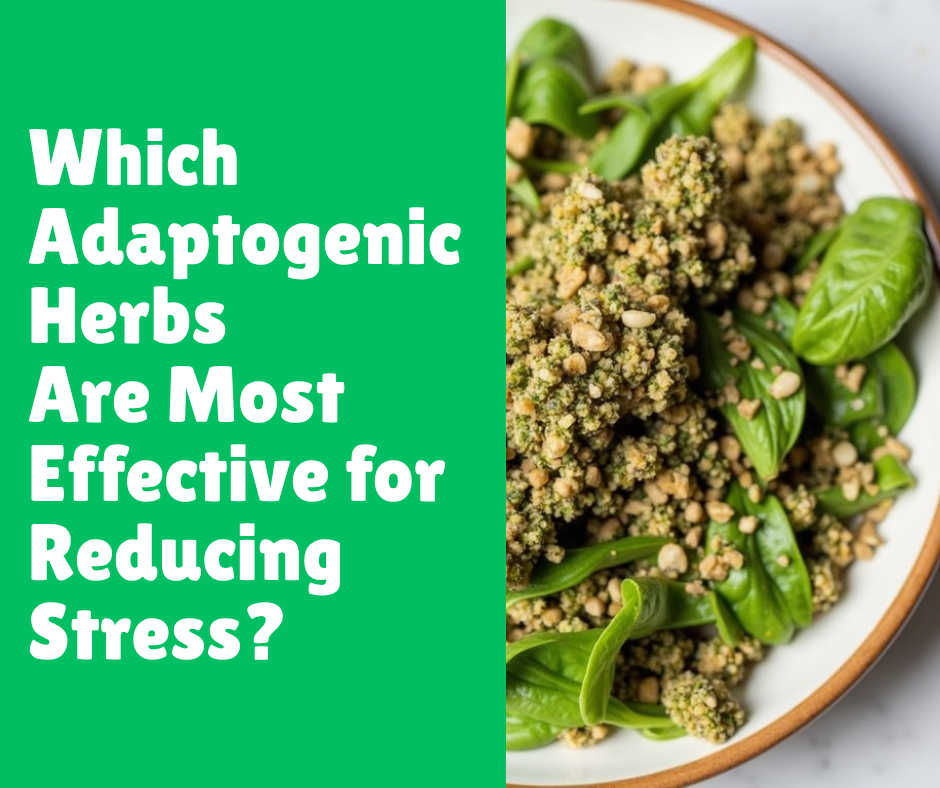
Which Adaptogenic Herbs Are Most Effective for Reducing Stress?
Post Disclaimer
Content on this site is for educational use only and not a substitute for medical advice. Herbal remedies are based on traditional knowledge and not medical recommendations. Please consult a healthcare professional before trying any herb. We do not assume responsibility for any outcomes or adverse effects resulting from the use of information provided here.
Stress is something almost all of us deal with regularly. Whether it’s work pressures, personal challenges, or the constant juggle of responsibilities, stress seems to be an inevitable part of life. But the good news is, nature provides us with some incredible solutions to help us cope better. One such natural remedy is adaptogenic herbs.
These herbs are known to help the body adapt to stress, regulate stress hormones, and support overall mental and physical well-being.
In this post, we’ll dive deep into the world of adaptogens, highlighting the best herbs that can help manage stress effectively. We’ll also explore their benefits, how they work, and how you can incorporate them into your routine.
What Are Adaptogenic Herbs?
Adaptogens are natural substances, usually herbs, that help the body deal with physical, emotional, and environmental stress.
They’re believed to work by balancing the body’s stress response systems and supporting the adrenal glands, which are responsible for releasing stress hormones like cortisol.
By helping the body adapt to stress, adaptogens promote resilience, improve energy levels, and even enhance cognitive function.
Adaptogenic herbs are not just for times of stress—they’re also known for their ability to improve overall health and well-being. They work gradually, helping to increase the body’s overall capacity to handle daily challenges.
Why Stress Management Is Crucial for Your Health
Before we dive into the herbs themselves, it’s worth mentioning just why stress management is so important. Chronic stress can have a significant impact on both physical and mental health, contributing to issues such as:
- Weakened immune system: Stress suppresses immune function, making you more susceptible to infections and illness.
- Mental health problems: Anxiety, depression, and burnout are common outcomes of prolonged stress.
- Sleep disturbances: Stress can interfere with sleep patterns, leading to insomnia or restless nights.
- Digestive issues: Stress can affect your gut, leading to discomfort, bloating, and even more serious conditions like irritable bowel syndrome (IBS).
- Heart health: Chronic stress is a major risk factor for cardiovascular disease, as it can contribute to high blood pressure and heart disease.
Incorporating adaptogens into your routine is a proactive way to counteract these negative effects and restore balance to your body.
Ashwagandha: The Ultimate Stress Buster
Ashwagandha is one of the most popular and well-researched adaptogens in the world. Native to India, this herb has been used for centuries in Ayurvedic medicine to reduce stress and promote mental clarity.
Benefits of Ashwagandha for Stress:
- Reduces cortisol levels:Ashwagandha is known to lower cortisol, the primary stress hormone. High levels of cortisol over time can lead to fatigue, anxiety, and other health problems. By lowering cortisol levels, ashwagandha helps the body respond better to stress.
- Improves sleep quality: Many people find that ashwagandha helps them sleep better by promoting relaxation.
- Boosts energy: While it calms the mind, ashwagandha also helps restore energy, preventing the fatigue that often accompanies stress.
How to Use Ashwagandha:
- Powder form: You can mix 1 teaspoon of ashwagandha powder into your smoothie or warm milk before bedtime.
- Capsules: If you prefer a more convenient option, ashwagandha capsules are available in most health stores. A typical dose ranges from 300 to 500 mg per day.
- Tincture: A few drops of ashwagandha tincture can be added to a glass of water or tea.
I’ve personally tried ashwagandha during periods of high stress, and I’ve found that it helps me feel more grounded and less overwhelmed. I’ve noticed better sleep quality and less anxiety, which are always welcome benefits.
RhodiolaRosea: The Adaptogen for Mental Clarity
RhodiolaRosea is another powerful adaptogen known for its ability to enhance mental clarity, improve mood, and reduce the effects of stress. It grows in the cold regions of Europe and Asia and has a long history of use in traditional medicine.
Benefits of RhodiolaRosea:
- Increases energy and stamina:Rhodiola is known to enhance physical and mental performance, making it ideal for those experiencing fatigue from stress.
- Supports mental focus: It helps improve concentration and cognitive function, which can be especially helpful when stress is affecting your ability to focus.
- Balances mood:Rhodiola helps to balance serotonin and dopamine levels, which can alleviate feelings of anxiety and depression.
How to Use RhodiolaRosea:
- Capsules/Tablets: A standard dose is 200-400 mg daily, usually taken in the morning or early afternoon.
- Tincture: You can take 10-15 drops of rhodiola tincture in water or tea.
Rhodiola is one of my go-to adaptogens when I’m feeling mentally foggy and stressed. It’s not too stimulating, but it gives me just the right amount of focus and clarity to tackle my tasks without feeling jittery.
Holy Basil (Tulsi): A Sacred Herb for Stress Relief
Holy basil, also known as Tulsi, is considered a sacred herb in Ayurvedic medicine and has long been used to combat stress and promote longevity. Known for its calming properties, holy basil can be especially helpful for those experiencing emotional stress.
Benefits of Holy Basil:
- Reduces anxiety: Holy basil helps reduce anxiety by lowering cortisol levels and promoting a sense of calm.
- Supports immune health: Holy basil strengthens the immune system, helping the body recover from the physical effects of stress.
- Balances blood sugar: Stress can elevate blood sugar levels, and holy basil can help balance them, making it a good choice for people dealing with stress-related blood sugar spikes.
How to Use Holy Basil:
- Tea: One of the best ways to consume holy basil is in tea form. Simply steep a few fresh or dried leaves in hot water for 5-10 minutes.
- Capsules:Tulsi supplements are widely available in capsule form, with dosages typically ranging from 300-600 mg per day.
I love drinking holy basil tea when I feel stressed out. It’s soothing, has a mild flavor, and helps me unwind after a long day. It’s one of my favorite stress-busting rituals.
Ginseng: The Energy-Boosting Adaptogen
Ginseng is another classic adaptogen that has been used for centuries to increase energy, fight fatigue, and reduce stress. There are two primary types of ginseng: Panax ginseng and Siberian ginseng. Panax ginseng is more commonly used for its adaptogenic properties.
Benefits of Ginseng:
- Increases physical endurance: Ginseng is known to enhance stamina, making it ideal for those dealing with physical stress.
- Improves cognitive function: It helps improve mental clarity and reduces the mental fatigue that can accompany stress.
- Boosts the immune system: Ginseng strengthens the immune system, helping to protect the body against stress-related illness.
How to Use Ginseng:
- Tea: You can brew ginseng tea using dried root or buy pre-packaged ginseng tea bags.
- Capsules: Ginseng is available in capsule form, with a typical daily dose ranging from 200-400 mg.
Licorice Root: The Herb for Hormonal Balance
Licorice root, often used in traditional Chinese medicine, is an adaptogen known for its ability to balance hormones and support the adrenal glands during times of stress.
Benefits of Licorice Root:
- Supports adrenal function: Licorice helps support the adrenal glands, which produce cortisol and other hormones involved in the stress response.
- Balances blood sugar: Licorice root helps stabilize blood sugar, preventing the spikes and crashes that can contribute to stress.
- Anti-inflammatory: It has anti-inflammatory properties that help reduce the physical discomfort caused by stress.
How to Use Licorice Root:
- Tea: You can brew licorice root tea, which is often combined with other herbs like ginger and peppermint for a more balanced flavor.
- Tincture: A few drops of licorice root tincture can be added to water or tea.
Table: Comparison of the Best Adaptogenic Herbs for Stress
| Herb | Key Benefits | Ideal Use |
| Ashwagandha | Reduces cortisol, improves sleep, boosts energy | Powder, Capsules, Tincture |
| RhodiolaRosea | Enhances energy, mental clarity, balances mood | Capsules, Tincture |
| Holy Basil | Reduces anxiety, supports immune health, balances blood sugar | Tea, Capsules |
| Ginseng | Increases endurance, improves cognitive function, boosts immunity | Tea, Capsules |
| Licorice Root | Supports adrenal function, balances blood sugar, anti-inflammatory | Tea, Tincture |
Common Mistakes to Avoid When Using Adaptogens
Not being consistent:Adaptogens work gradually, so consistency is key. If you’re hoping for instant results, you might be disappointed. Stick with the herb for a few weeks to notice the full effects.
Overdoing it: More isn’t always better. Taking too much of an adaptogen can sometimes lead to unwanted side effects like insomnia or digestive issues. Stick to the recommended dosage.
Not considering individual reactions: Everyone reacts to adaptogens differently. It’s important to pay attention to how your body responds and adjust accordingly.
Relying solely on adaptogens: While adaptogens can be powerful allies in stress management, they should complement other healthy practices like a balanced diet, regular exercise, and adequate sleep, not replace them.
Conclusion: Embrace Nature’s Stress-Busting Gifts
Adaptogenic herbs are a fantastic natural option for managing stress. They can support your body’s resilience and help you navigate the challenges of everyday life with more ease. From ashwagandha to licorice root, there’s a wide variety of adaptogens that can help you feel more grounded, energized, and focused.
- Adaptogens like Ashwagandha, RhodiolaRosea, and Holy Basil are proven to help manage stress.
- Each herb has unique benefits that can target different aspects of stress, from sleep to mental clarity to immunity.
- Be consistent with your adaptogen usage, but also be mindful of dosage and your body’s responses.
If you’ve ever felt overwhelmed by stress, trying adaptogens might be the boost you need. I highly recommend starting with one herb, incorporating it into your routine, and seeing how it works for you.
Have you tried adaptogenic herbs before? I’d love to hear about your experiences. Leave a comment below and share your thoughts. If you found this guide helpful, don’t forget to share it with someone who might benefit from it too!
FAQs
Can adaptogens be taken long-term?
Yes, adaptogens are generally safe for long-term use. However, it’s always a good idea to take breaks occasionally and consult with a healthcare provider.
Are there any side effects of adaptogens?
Most adaptogens are safe, but some people may experience mild side effects like digestive discomfort or insomnia. Always start with a low dose and monitor your body’s response.
Can adaptogens be combined?
Yes, many people combine adaptogens to target multiple areas of stress. For example, combining RhodiolaRosea and Ashwagandha can help balance energy levels and reduce anxiety.
How long does it take for adaptogens to work?
It varies, but typically, you’ll start seeing benefits after about 2–4 weeks of consistent use.