
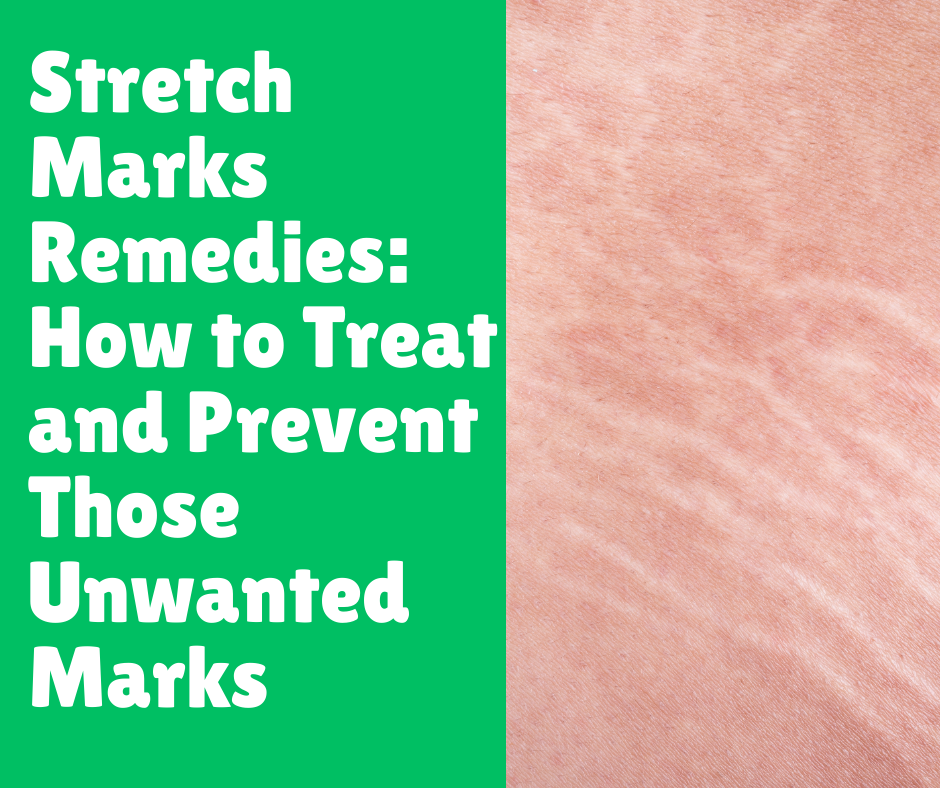
Stretch Marks Remedies: How to Treat and Prevent Those Unwanted Marks
Post Disclaimer
Content on this site is for educational use only and not a substitute for medical advice. Herbal remedies are based on traditional knowledge and not medical recommendations. Please consult a healthcare professional before trying any herb. We do not assume responsibility for any outcomes or adverse effects resulting from the use of information provided here.
Stretch marks we’ve all heard of them, and most of us have experienced them in some form. Whether it’s due to pregnancy, rapid weight gain or loss, or puberty, those little lines on our skin can feel like a constant reminder of our body’s changes.
For many, they’re a cosmetic concern. But here’s the thing: stretch marks are a normal part of life. They don’t define us, but that doesn’t mean we don’t want to minimize their appearance.
If you’ve been Googling how to reduce or remove stretch marks, you might be feeling overwhelmed by the sheer volume of options out there.
Should you try a cream, go for a laser treatment, or just embrace them as part of your journey? You’re not alone.
In this post, I’ll be diving deep into the topic of stretch marks, offering you practical remedies, tips, and insights on how to treat them.
From natural methods to clinical options, you’ll find something for every preference and budget.
Whether you’re dealing with your first stretch mark or are trying to improve the appearance of old ones, I’ve got you covered.
Let’s explore how you can reduce stretch marks and feel confident in your skin again.
What Exactly Are Stretch Marks?
Before diving into the remedies, it’s important to understand what stretch marks are. Stretch marks, also known as striae, occur when the skin stretches or shrinks rapidly, causing the collagen and elastin in the skin to break.
This leads to the appearance of lines or streaks, often red, purple, or dark brown at first, and then they fade to a lighter shade over time.
Although stretch marks are not harmful to your health, they can be frustrating for those who wish to smooth out the appearance of their skin. The most common causes include:
- Pregnancy: Stretch marks commonly appear on the belly, breasts, and thighs as the body changes to accommodate the growing baby.
- Weight fluctuations: Whether from weight gain or loss, rapid changes in size can stress the skin.
- Puberty: Growth spurts and hormonal changes often trigger the formation of stretch marks in teenagers.
- Medical conditions: Certain conditions, like Cushing’s syndrome, can lead to stretch marks.
Stretch marks are common for both men and women, and their formation can happen anywhere on the body, although they are most frequently seen on the abdomen, thighs, hips, buttocks, and breasts.
Natural Remedies for Stretch Marks
There’s something comforting about knowing you don’t need to turn to chemical-laden products to reduce stretch marks.
Many natural remedies can help reduce their appearance by boosting skin elasticity, promoting collagen production, and improving overall skin health. Here are a few that I’ve tried personally and seen results with:
Aloe Vera
Aloe vera has been used for centuries for its soothing and healing properties. It’s known for helping reduce inflammation and encouraging skin repair. Using aloe vera gel directly from the plant can promote healing of damaged skin.
How to Use:
- Simply cut open an aloe vera leaf and extract the gel.
- Apply it directly to the stretch marks.
- Leave it on for 20-30 minutes before washing it off with warm water.
Coconut Oil
Coconut oil is another natural remedy that has gained a lot of attention for its moisturizing and healing properties. It’s packed with antioxidants and fatty acids, which help in the healing process of stretch marks. It can also keep the skin hydrated, which may prevent future stretch marks from forming.
How to Use:
- Apply warm coconut oil directly onto the stretch marks.
- Massage it in circular motions for a few minutes.
- Leave it on overnight and wash off in the morning.
Vitamin E Oil
Vitamin E is often touted for its skin-healing properties. Studies have shown that applying vitamin E can improve skin elasticity, reducing the appearance of stretch marks.
How to Use:
- Apply vitamin E oil or a cream rich in vitamin E to your stretch marks daily.
- Massaging the area will improve circulation and help the skin absorb the oil better.
Topical Treatments: Creams, Oils, and Gels
When natural remedies don’t provide quick enough results, turning to specialized creams, oils, and gels designed for stretch marks can make a difference. I personally used a few over-the-counter products, and I’ve seen positive results. Here’s a breakdown of the best products that have shown effectiveness:
Retinoid Creams
Retinoids, derived from Vitamin A, are one of the most popular ingredients for improving skin texture and elasticity. They stimulate collagen production, which helps reduce the appearance of stretch marks over time.
How to Use:
- Apply a retinoid cream to the affected areas after showering.
- It’s best to use these creams at night as they can make your skin more sensitive to sunlight.
Important Tip: If you’re pregnant or breastfeeding, avoid using retinoid creams, as they can potentially harm your baby.
Hyaluronic Acid
Hyaluronic acid is another powerful ingredient that helps retain moisture in the skin, making it more plump and elastic. It can also speed up the healing process of stretch marks.
How to Use:
- Apply hyaluronic acid serum twice a day, massaging it into the skin in the affected area.
- It works best when applied to damp skin to lock in moisture.
Professional Treatments and Procedures
For those who want faster or more significant results, professional treatments might be the way to go. These procedures are done by dermatologists or licensed professionals and can help reduce the appearance of stretch marks more dramatically. Some of the most common options are:
Laser Therapy
Laser therapy works by stimulating collagen production in the skin, which helps smooth out the stretch marks. It can be highly effective for stubborn or old stretch marks.
How it Works:
- During the procedure, a dermatologist will use a laser to target the stretch marks.
- The laser works by breaking down the scar tissue and promoting collagen and elastin production.
Microdermabrasion
This treatment uses a specialized device to exfoliate the skin and remove dead skin cells. It can help with the discoloration of stretch marks and improve skin texture.
How it Works:
- Microdermabrasion works by sloughing off the outer layer of skin, allowing newer skin cells to rise to the surface.
- It’s less invasive and requires little downtime.
Microneedling
Microneedling involves tiny needles that create micro-injuries in the skin, stimulating collagen production. This method is particularly effective for stretch marks that are red or purple in color.
How it Works:
- A trained professional will use a dermaroller or dermapen to create controlled micro-injuries in the skin.
- The process encourages your skin to repair and rebuild itself.
Prevention Tips for Stretch Marks
Preventing stretch marks is not always possible, but there are steps you can take to minimize your risk:
Maintain a Healthy Weight
Rapid weight gain or loss is one of the leading causes of stretch marks. Keeping a steady, healthy weight can help reduce the chances of developing them.
Stay Hydrated
Drinking enough water keeps your skin hydrated and elastic, which can help prevent stretch marks from forming.
Use Moisturizers Regularly
Keep your skin moisturized with oils or creams that help maintain skin elasticity, particularly during periods of rapid growth (like pregnancy or puberty).
Common Mistakes to Avoid
While trying to reduce stretch marks, there are a few common mistakes that can slow down your progress or even make things worse. Here’s what to avoid:
Relying Only on Over-the-Counter Products
While topical creams and oils can help, they may not be enough on their own, especially for older stretch marks. Combining them with other treatments, such as natural remedies or professional procedures, will likely yield better results.
Skipping the Sunscreen
Stretch marks can become more noticeable when exposed to the sun, so it’s essential to apply sunscreen regularly to prevent further discoloration.
Being Impatient
Stretch marks don’t disappear overnight, and it’s important to be patient. Treating stretch marks takes time, so don’t get discouraged if you don’t see immediate results.
Conclusion
In conclusion, while stretch marks are a common skin condition, they don’t have to be permanent.
Whether you opt for natural remedies, topical treatments, or professional procedures, there are numerous ways to reduce their appearance.
Remember, consistency is key. Whether you’re using aloe vera or retinoid creams, stay dedicated to your routine and give your skin the time it needs to heal.
Ultimately, the most important thing is that you feel comfortable in your skin. Stretch marks are just one of the many changes your body goes through, and they don’t define your beauty or worth.
FAQ
- Can stretch marks ever fully go away?
While it’s difficult to remove stretch marks completely, treatments can significantly reduce their appearance, making them less noticeable. - Is it too late to treat old stretch marks?
No, even old stretch marks can improve with the right treatments like laser therapy or microneedling. - Are there any risks with professional treatments?
While generally safe, there are risks, such as scarring or pigmentation changes. Always consult with a professional to determine what’s best for your skin type. - Can men get stretch marks?
Yes, men can get stretch marks, especially those who undergo significant weight changes or growth spurts.