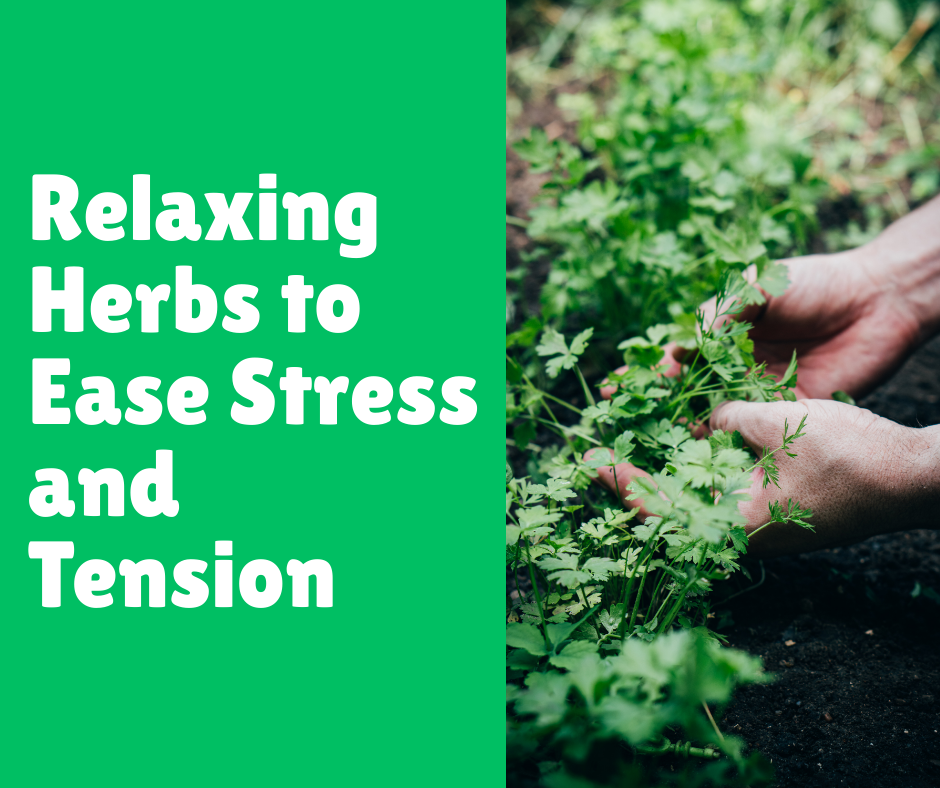
Relaxing Herbs to Ease Stress and Tension
Post Disclaimer
Content on this site is for educational use only and not a substitute for medical advice. Herbal remedies are based on traditional knowledge and not medical recommendations. Please consult a healthcare professional before trying any herb. We do not assume responsibility for any outcomes or adverse effects resulting from the use of information provided here.
In today’s fast-paced world, relaxation often seems like a luxury we can’t afford. With the constant demands of work, family, and social obligations, it’s easy to feel overwhelmed and stressed.
But what if there was a simple, natural way to soothe your mind and body, promoting relaxation without the need for prescription medications or expensive spa treatments?
Herbal remedies have been used for centuries to help calm the mind, alleviate stress, and support overall well-being.
In this blog post, I’ll dive deep into the world of relaxation herbs, exploring the ones that stand out for their ability to help you unwind naturally.
Whether you’re new to herbs or just looking to enhance your wellness routine, this article will provide you with a comprehensive guide to the best herbs for relaxation, how they work, and how you can use them to foster a peaceful, balanced life.
Have You Ever Found Yourself Struggling to Relax?
We’ve all been there. You finish a hectic day and think to yourself, “I just need a moment to breathe.” But no matter how hard you try, your mind won’t quiet, your body remains tense, and the stress seems to linger.
Whether it’s the chaos of modern life or the endless to-do lists that keep piling up, relaxation can feel out of reach.
I can’t count how many times I’ve felt overwhelmed after a busy day. That feeling of wanting to unwind but not knowing where to start it’s frustrating, isn’t it?
But I’ve found a secret weapon in the form of natural herbs, which have helped me discover a simple, gentle way to relax.
In this article, I’ll cover everything from the top herbs that can help promote relaxation to practical ways of incorporating them into your routine.
Plus, I’ll give you helpful tips, share common mistakes to avoid, and provide answers to frequently asked questions. So, let’s get started on your journey to relaxation.
The Best Herbs for Relaxation
Herbs have been trusted for centuries as natural remedies to promote health and well-being. Many of them have calming properties that can help soothe the mind, reduce anxiety, and enhance sleep. Let’s take a closer look at some of the best herbs known for their relaxation benefits.
1. Lavender (Lavandulaangustifolia)
Lavender is perhaps the most well-known herb when it comes to relaxation. Its calming aroma is often associated with restfulness, and its benefits go far beyond just a pleasant scent.
Lavender is often used in aromatherapy to reduce stress and anxiety. It’s also commonly found in teas, essential oils, and even skincare products designed to promote relaxation.
How it works:
Lavender has natural compounds that help activate the parasympathetic nervous system the part of your body responsible for relaxation. By calming the body’s response to stress, it can help you feel more at ease, whether you’re dealing with daily stress or struggling to fall asleep.
How to use it:
- Lavender Tea: Simply steep dried lavender flowers in hot water for 5-10 minutes. Sip slowly before bed for a peaceful night’s rest.
- Aromatherapy: Use a diffuser with a few drops of lavender essential oil. Alternatively, add a few drops to a cotton ball and keep it near your pillow.
- Bath Soak: Add a few drops of lavender essential oil or some dried lavender flowers to a warm bath for full-body relaxation.
2. Chamomile (Matricariachamomilla)
Chamomile is widely known for its calming effects, particularly when it comes to sleep. It’s a common ingredient in many bedtime teas and is often recommended for those struggling with insomnia.
How it works:
Chamomile contains apigenin, an antioxidant that binds to specific receptors in your brain, helping to reduce anxiety and promote sleepiness. It can calm the nervous system and provide gentle relief from stress.
How to use it:
- Chamomile Tea: Brew chamomile tea using dried flowers or tea bags. Drink a cup 30 minutes to an hour before bed to support your sleep cycle.
- Chamomile Oil: Add a few drops of chamomile oil to a diffuser for a soothing atmosphere or massage it into your temples.
3. Lemon Balm (Melissa officinalis)
Lemon balm, a member of the mint family, is known for its ability to reduce anxiety and promote relaxation without causing drowsiness. It has a light, refreshing lemon scent and a gentle calming effect.
How it works:
Lemon balm contains rosmarinic acid, a compound that helps regulate the neurotransmitter GABA (gamma-aminobutyric acid), which is responsible for calming the brain and nervous system. This results in a mild, calming effect that can help reduce feelings of stress and anxiety.
How to use it:
- Lemon Balm Tea: Steep dried lemon balm leaves in hot water for 5-10 minutes, and sip throughout the day for mild relaxation.
- Lemon Balm Tincture: A few drops of lemon balm tincture can be added to water for an added calming effect.
4. Valerian Root (Valerianaofficinalis)
Valerian root is often used as a natural remedy for insomnia and anxiety. It has a long history of use in traditional medicine to promote restful sleep and reduce nervous tension.
How it works:
Valerian root works by increasing the amount of GABA in the brain, which helps calm the nervous system. This makes it effective in treating insomnia, anxiety, and general restlessness.
How to use it:
- Valerian Root Tea: Brew valerian root tea, but note that it has a strong, earthy taste. If it’s too strong, you can mix it with other herbs like chamomile.
- Valerian Tincture or Capsules: For faster results, you can use valerian root tincture or capsules, especially if you’re struggling with sleeplessness.
5. Ashwagandha (Withaniasomnifera)
Ashwagandha, often called “Indian ginseng,” is a powerful adaptogen that helps the body manage stress. It’s commonly used in Ayurvedic medicine to promote relaxation, improve sleep, and boost overall energy levels.
How it works:
Ashwagandha helps to lower cortisol levels, the stress hormone, in the body. By reducing the physical impact of stress, it can promote a sense of calm and help you better cope with daily challenges.
How to use it:
- Ashwagandha Tea: You can find ashwagandha powder and mix it with warm milk or water to create a calming drink.
- Ashwagandha Capsules:Ashwagandha is also available in capsule form, which is an easy option for those who prefer a more concentrated dose.
Table: Benefits and Usage of Relaxation Herbs
| Herb | Benefits | Use & Forms |
| Lavender | Stress relief, sleep support | Tea, oils, bath soak. Forms: dried flowers, essential oil. |
| Chamomile | Calms nerves, aids sleep | Tea, oil. Forms: dried flowers, tea bags. |
| Lemon Balm | Reduces anxiety, promotes calm | Tea, tincture, oil. Forms: dried leaves, tincture. |
| Valerian Root | Improves sleep, eases anxiety | Tea, tincture, capsules. Forms: root, capsules, tincture. |
| Ashwagandha | Stress relief, energy boost | Tea, capsules, powder. Forms: capsules, powder. |
Step-by-Step Guide: How to Make Relaxing Herbal Tea at Home
Making herbal tea is one of the easiest and most effective ways to unwind at the end of a long day. Here’s a simple step-by-step guide on how to create a calming cup of tea using the herbs we’ve discussed:
- Choose Your Herb(s): Pick from the herbs mentioned above, such as lavender, chamomile, lemon balm, or valerian root. You can also mix herbs for a more complex flavor and effect.
- Boil Water: Bring fresh water to a boil. You’ll need about one cup of water per tea bag or tablespoon of dried herbs.
- Steep the Herbs: Add your herb(s) to the hot water. Use a tea infuser, tea bag, or simply place the dried herbs directly into the water. Let them steep for 5-10 minutes.
- Strain and Serve: If you used loose herbs, strain them out before drinking. If you used a tea bag, remove it. Pour the tea into your favorite mug.
- Optional Add-ins: You can add honey, lemon, or cinnamon for extra flavor. You may also wish to add a splash of milk for a creamier texture.
- Sip Slowly: Take your time to enjoy your tea. Deep breathing while sipping can enhance its calming effect.
Common Mistakes to Avoid When Using Relaxation Herbs
While herbal remedies are generally safe, there are a few common mistakes that people often make when using them for relaxation. Let’s take a look at how to avoid these pitfalls:
1. Overuse of Certain Herbs
While it’s tempting to increase the dosage to achieve faster or stronger results, overusing herbs like valerian root or ashwagandha can cause unwanted side effects like drowsiness, digestive issues, or headaches. Always follow the recommended dosage.
2. Ignoring Possible Interactions with Medications
If you are on prescription medication, particularly for anxiety or sleep disorders, it’s essential to consult with a healthcare professional before adding herbs to your routine. Some herbs, like lavender or valerian, may interact with sedatives or antidepressants.
3. Expecting Immediate Results
Herbs work gradually, so it’s important to be patient. Don’t expect instant relief. It may take several days or even weeks for you to notice the full benefits of a particular herb.
Conclusion
Incorporating herbs into your relaxation routine can offer a simple, natural way to reduce stress and promote a sense of well-being. From the calming effects of lavender to the deep relaxation offered by valerian root, these herbs can be powerful allies in your journey to a more peaceful life.
Remember, everyone’s body is different, so what works for one person may not work for another. Start slow, experiment with different herbs, and find what works best for you. By making these herbs a regular part of your wellness routine, you can unlock the tranquility you’ve been longing for.
If you’ve tried any of these herbs, I’d love to hear about your experience. Share your thoughts in the comments below and let’s start a conversation about natural ways to relax. Also, feel free to share this article with anyone who could benefit from a little extra calm in their life!
FAQs
1. Can I mix different relaxation herbs together?
Yes, you can mix herbs like chamomile, lavender, and lemon balm for a calming blend. Just be mindful of the strength of each herb and how your body reacts to them.
2. Are there any side effects to using relaxation herbs?
In general, these herbs are safe when used as directed. However, overuse or mixing with certain medications may cause side effects. Always check with a healthcare professional if you’re unsure.
3. How often should I use these herbs for relaxation?
You can enjoy herbal teas or tinctures daily, but it’s important to listen to your body. If you’re using them for sleep, avoid them during the day unless you’re specifically looking to manage anxiety.
4. Are these herbs safe for children?
Some herbs like chamomile and lavender are safe for children in moderation but always consult with a pediatrician before introducing new herbs to a child’s routine.