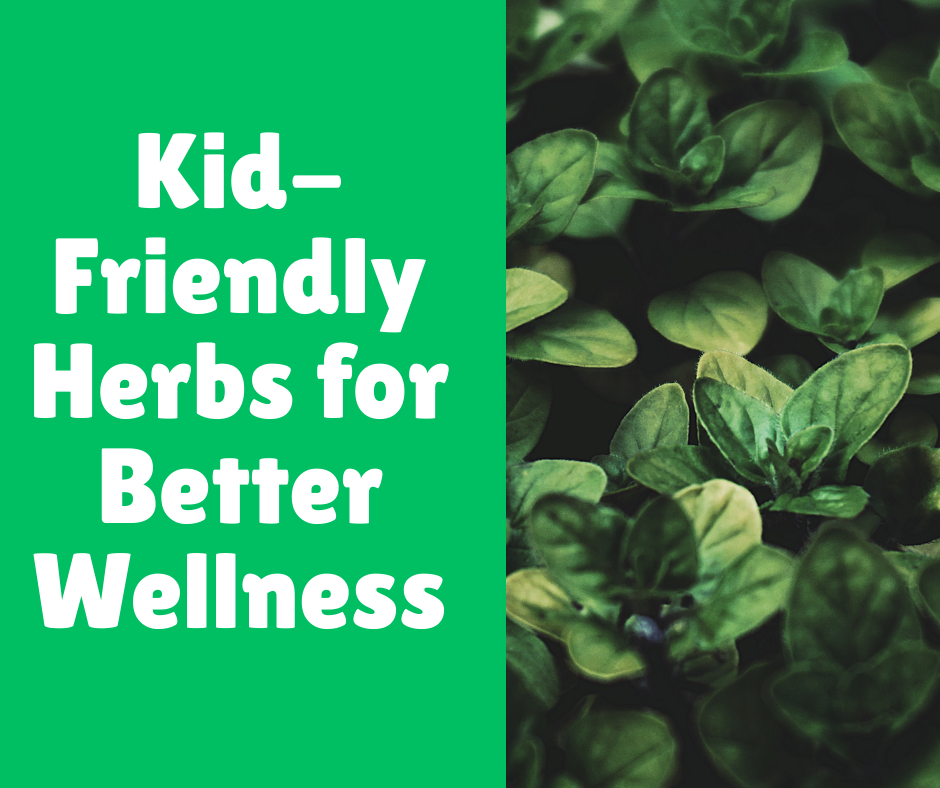
Kid-Friendly Herbs for Better Wellness
Post Disclaimer
Content on this site is for educational use only and not a substitute for medical advice. Herbal remedies are based on traditional knowledge and not medical recommendations. Please consult a healthcare professional before trying any herb. We do not assume responsibility for any outcomes or adverse effects resulting from the use of information provided here.
As parents, we always want the best for our children, especially when it comes to their health. With the increasing focus on natural remedies, many of us are turning to herbs to support the well-being of our little ones.
But is it safe? And more importantly, which herbs should we consider incorporating into their daily lives?
In this article, we will explore the world of herbs for kids’ health, offering insight into the benefits, safe usage, and practical applications.
From immune-boosting herbs to those that support mental clarity and digestive health, we will cover it all. So, if you’ve been looking for natural, plant-based ways to enhance your child’s health, you’re in the right place.
The Power of Herbs: An Ancient Solution for Modern Health Problems
Imagine this: your child comes home from school feeling sluggish and has trouble focusing on homework. Perhaps they are dealing with seasonal allergies or have stomach troubles. You want to help but don’t want to resort to heavy medications that may come with side effects.
This scenario is more common than we’d like to admit. In today’s fast-paced world, it’s easy to overlook the benefits of nature’s simple solutions. The answer? Herbs.
Herbs have been used for centuries in cultures around the world for their medicinal properties. They are not only natural, but many are also safe and effective for kids when used correctly.
By incorporating herbs into your child’s health routine, you can help them fight off illnesses, improve their digestion, boost their immune system, and even calm their nerves.
But which herbs are best for children’s health? That’s exactly what we’ll dive into today.
Top Herbs for Kids’ Health
Let’s start by discussing the top herbs that can support your child’s health in various ways. These herbs can be used to address common issues like colds, allergies, digestive problems, and anxiety.
Echinacea: Strengthening Immunity
Echinacea is well-known for its immune-boosting properties. It can help reduce the duration and severity of colds, making it a perfect herbal ally during flu season. Studies show that Echinacea may reduce the frequency of upper respiratory infections, which are quite common among children.
How to Use:
- Echinacea Tea: You can brew a mild tea using Echinacea root or leaves. It’s easy to prepare and usually well-tolerated by children.
- Echinacea Extract: Available in liquid form, this can be added to your child’s water or juice. Make sure the dosage is appropriate for your child’s age.
Tip: Make sure to start using Echinacea at the first sign of a cold to get the best results.
Chamomile: Calming the Nerves and Digestive System
Chamomile is one of the safest herbs for children and has been used for centuries to promote relaxation and calmness. It’s also fantastic for digestive issues like upset stomachs and constipation. Chamomile tea can help ease anxiety, promote better sleep, and even soothe teething pain in babies.
How to Use:
- Chamomile Tea: A cup of chamomile tea, cooled to room temperature, can be a calming drink before bedtime.
- Chamomile Bath: Adding chamomile to a warm bath can help your child unwind after a long day.
Peppermint: A Gentle Stomach Soother
Peppermint is another herb that’s gentle yet effective for kids. It helps soothe nausea, indigestion, and bloating. Peppermint tea is often recommended for children experiencing an upset stomach or digestive discomfort.
How to Use:
- Peppermint Tea: Brew a mild tea using fresh peppermint leaves. This is a simple and effective way to aid digestion.
- Peppermint Oil: A diluted peppermint oil massage on the stomach area can also be soothing.
Warning: Peppermint oil should always be diluted properly, as concentrated oils can cause irritation.
Lavender: Easing Stress and Anxiety
Lavender is well-known for its relaxing properties. It’s a fantastic herb for kids dealing with stress, anxiety, or sleeplessness. Its soothing scent can help promote calmness, especially before bedtime.
How to Use:
- Lavender Tea: A cup of lavender tea can work wonders for your child’s relaxation before bed.
- Lavender Oil: Use a diffuser to fill your child’s room with the calming scent of lavender. You can also dilute it and massage it onto their feet.
Ginger: A Powerful Digestive Aid
Ginger is not only delicious but also an effective herb for improving digestion and relieving nausea. It’s often recommended for children who experience motion sickness or nausea after meals.
How to Use:
- Ginger Tea: Fresh ginger root can be steeped in hot water to make a soothing tea.
- Ginger Snacks: Ginger-flavored candies or biscuits can also provide a mild but effective dose of ginger for kids.
How to Use Herbs Safely for Children
Using herbs with children requires some caution. Just because something is natural doesn’t mean it’s always safe for kids, so here are some guidelines to keep in mind when incorporating herbs into your child’s health routine.
Start Small
Always start with a small amount, especially when introducing a new herb. Observe your child for any adverse reactions like rashes, stomach upset, or unusual behavior. If any of these occur, discontinue use and consult with a healthcare provider.
Dosage Matters
Herbal dosages for children are different from adults, so it’s essential to follow guidelines or consult with an herbalist or pediatrician for advice. Too much of an herb can lead to unintended side effects.
Consult Your Pediatrician
Before using herbs with children, it’s always a good idea to consult your pediatrician, particularly if your child has pre-existing health conditions or is taking other medications. Some herbs can interact with prescription drugs.
Avoid Certain Herbs for Young Children
While many herbs are safe for kids, some should be avoided for children under the age of two, including but not limited to:
- Honey (for babies under 1 year): Can contain botulism spores.
- Licorice Root: Can cause high blood pressure in children.
- Kava Kava: Not recommended for children due to its potential impact on the liver.
Common Mistakes to Avoid When Using Herbs for Kids’ Health
While herbs can be incredibly beneficial, there are common mistakes parents often make. Here are a few to avoid:
Overestimating the Effectiveness of Herbs
Herbs are wonderful additions to a healthy lifestyle, but they’re not a cure-all. It’s essential to combine herbal remedies with good nutrition, regular exercise, and plenty of rest for optimal health.
Not Researching the Herb’s Safety
Not all herbs are safe for all children. Some herbs can cause allergic reactions or interact with medications. Always do your research or ask a healthcare provider for advice before introducing a new herb.
Ignoring the Importance of Quality
Not all herbal products are created equal. It’s important to choose high-quality, organic herbs and avoid products that contain additives or synthetic chemicals.
Table: Herbal Remedies and Their Benefits
| Herb | Main Benefits & Age Recommendations | How to Use |
| Echinacea | Boosts immune system, fights colds. Safe for ages 2 years and older. | Tea, extract, capsules |
| Chamomile | Calms nerves, aids digestion. Safe for 6 months and older. | Tea, calming bath, chamomile oil |
| Peppermint | Soothes stomach, reduces nausea. Safe for 1 year and older. | Tea, peppermint oil, chewing gum |
| Lavender | Reduces anxiety, promotes sleep. Safe for 2 years and older. | Tea, essential oil, diffuser |
| Ginger | Aids digestion, relieves nausea. Safe for 2 years and older. | Ginger tea, snacks, ginger oil |
FAQs on Herbal Remedies for Kids’ Health
Q1: Are herbs safe for babies?
Herbs can be safe for babies, but you need to be cautious. Always consult with a pediatrician before using any herbs on infants, and avoid giving herbs like honey to children under 1 year old.
Q2: Can I give my child herbal supplements?
Yes, herbal supplements are available, but make sure to choose age-appropriate supplements and follow the recommended dosages. Always consult your pediatrician before giving supplements.
Q3: How can I know if my child is allergic to a herb?
Start with a small dose and monitor for any allergic reactions, such as rashes, difficulty breathing, or swelling. If you notice any of these symptoms, stop using the herb and seek medical attention.
Conclusion
Herbs can be a powerful tool in supporting your child’s health, offering natural remedies for everything from colds and digestion to anxiety and sleep issues.
By understanding the proper usage, starting with small amounts, and consulting with a healthcare provider, you can safely incorporate these plants into your child’s health routine.
Remember, no herb is a substitute for a healthy lifestyle. Combine herbs with a balanced diet, proper rest, and regular exercise for the best results.