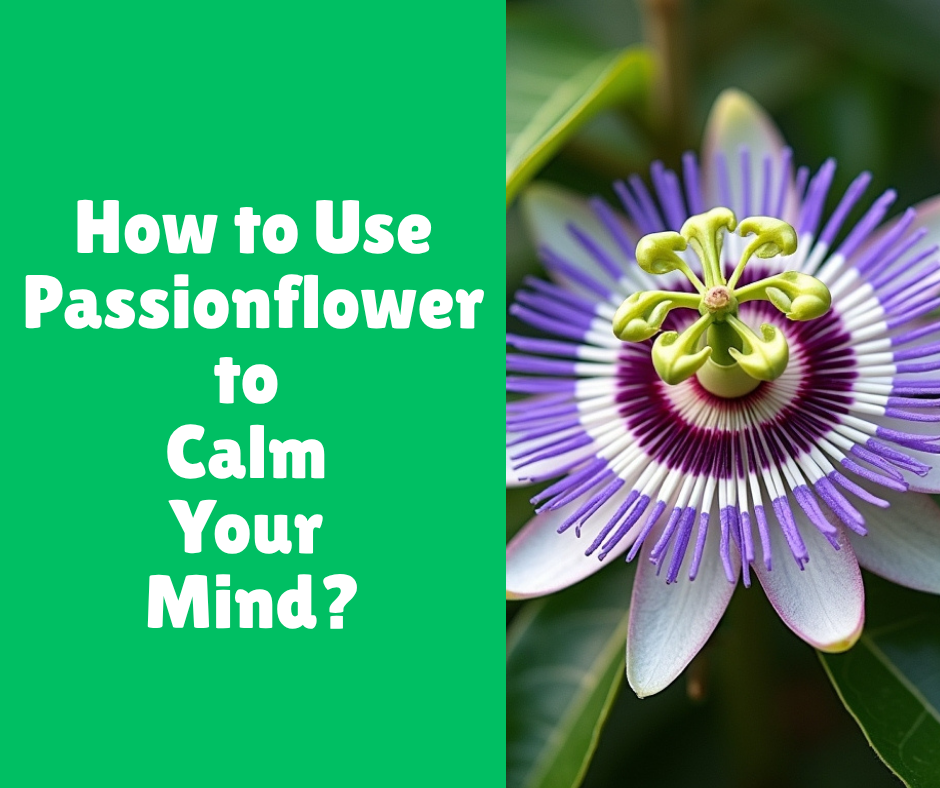
How to Use Passionflower to Calm Your Mind?
Post Disclaimer
Content on this site is for educational use only and not a substitute for medical advice. Herbal remedies are based on traditional knowledge and not medical recommendations. Please consult a healthcare professional before trying any herb. We do not assume responsibility for any outcomes or adverse effects resulting from the use of information provided here.
If you’re anything like me, life can sometimes feel like it’s moving at breakneck speed. Between work, personal obligations, and everything in between, it’s easy to feel overwhelmed and stressed out. Over time, this stress can affect our mental and physical well-being.
But what if there was a natural remedy that could help calm your mind and bring some peace back into your life? That’s where passionflower comes in.
In this blog post, we’re going to explore how passionflower, a beautiful and calming herb, can help reduce stress, improve sleep, and restore your emotional balance.
From its history to how you can incorporate it into your daily routine, we’ll cover everything you need to know about using passionflower to calm your mind.
What Is Passionflower?
Passionflower (Passifloraincarnata) is a climbing vine native to North and South America, known for its striking flowers that resemble intricate, colorful bursts of petals.
But beyond its beauty, passionflower has been used for centuries as a natural remedy to soothe the nervous system. Historically, Native Americans used passionflower to treat conditions like insomnia, anxiety, and restlessness.
The plant contains compounds like flavonoids, alkaloids, and glycosides, which are believed to have calming effects on the brain and body.
These compounds work by increasing the production of gamma-aminobutyric acid (GABA), a neurotransmitter that helps reduce brain activity, resulting in relaxation and a sense of calm.
Today, passionflower is commonly consumed in various forms, such as teas, tinctures, capsules, and extracts, making it an accessible and versatile option for managing stress and anxiety.
The Benefits of Passionflower for Your Mental Health
Before we jump into how you can use passionflower, let’s take a closer look at the main benefits it offers for mental well-being.
Reduces Anxiety
One of the primary reasons people turn to passionflower is for its ability to ease anxiety. Research suggests that passionflower can help reduce feelings of nervousness and worry by increasing GABA levels in the brain.
A study published in Phytotherapy Research found that passionflower was just as effective as benzodiazepines (a class of drugs used to treat anxiety) in reducing anxiety levels without the associated side effects.
Improves Sleep
If anxiety is preventing you from getting restful sleep, passionflower could be the answer. Its calming properties promote relaxation, making it easier to fall asleep and stay asleep throughout the night.
Studies have shown that passionflower can help improve sleep quality and reduce the time it takes to fall asleep, making it an ideal natural alternative to sleeping pills.
Supports Stress Management
Passionflower can also help with stress. In times of heightened stress, the body produces excess cortisol, which can lead to fatigue and burnout.
Passionflower helps balance cortisol levels and provides a sense of calm, which is essential when you’re dealing with high-stress situations.
Boosts Mood
Not only can passionflower help reduce anxiety and stress, but it can also improve overall mood. The calming effects of the plant help regulate emotional responses, making it a helpful tool in managing mood swings and promoting emotional stability.
How to Use Passionflower for a Calm Mind
Now that we know how passionflower benefits mental health, let’s dive into practical ways you can incorporate this herb into your daily routine.
Passionflower Tea
One of the easiest and most popular ways to enjoy passionflower is in the form of tea. You can find pre-made passionflower tea bags at most health food stores, or you can purchase dried passionflower leaves and flowers to brew your own.
Step-by-Step Instructions for Making Passionflower Tea:
- Boil water (about 8 oz).
- Place 1–2 teaspoons of dried passionflower in a tea infuser or directly in your cup.
- Pour the hot water over the dried herbs.
- Let it steep for about 5–10 minutes.
- Strain the herbs, and your tea is ready to enjoy.
You can drink this tea in the evening, especially if you’re winding down after a long day or preparing for sleep.
Passionflower Tincture
Passionflower tinctures are concentrated extracts of the plant, often available in liquid form. Tinctures are easy to use and can be added to water or other beverages. They typically have a stronger effect than tea, so be sure to follow the recommended dosage on the packaging.
How to Use Passionflower Tincture:
- Start with 10–20 drops (depending on your tolerance) and dilute in a glass of water.
- Drink this 2–3 times a day or as needed to reduce anxiety and stress.
If you’re new to tinctures, it’s best to start with a lower dosage to see how your body reacts.
Passionflower Capsules
For those who prefer a more convenient option, passionflower capsules are an excellent choice. They’re pre-measured, so you don’t need to worry about brewing tea or mixing tinctures. Capsules are especially useful when you’re on the go and need a quick way to calm your mind.
How to Take Passionflower Capsules:
- Follow the dosage instructions on the bottle (typically 1–2 capsules 2–3 times a day).
- Take with water and, ideally, after meals to avoid any stomach irritation.
Passionflower Extract
Passionflower extract is a potent form of the herb, often used in supplements. You can find extracts that combine passionflower with other calming herbs, such as valerian root or chamomile, for an enhanced effect. Passionflower extract can also be applied topically in creams to help calm skin irritations, but for mental calm, internal use is typically more effective.
How to Use Passionflower Extract:
- Add a few drops to your drink, or take it directly under your tongue, depending on the product’s instructions.
| Form of Passionflower | How to Use It | Benefits |
| Passionflower Tea | Steep 1-2 teaspoons of dried passionflower in hot water for 5-10 minutes. | Calms the mind and helps with sleep. |
| Passionflower Tincture | Add 10-20 drops to a glass of water or drink 2-3 times a day. | Quick calming effect, reduces anxiety. |
| Passionflower Capsules | Take 1-2 capsules 2-3 times a day with water. | Convenient and portable for daily use. |
| Passionflower Extract | Add a few drops to a drink or take under the tongue. | More concentrated, helps with stress relief. |
Common Mistakes to Avoid When Using Passionflower
While passionflower is generally safe for most people, there are a few common mistakes that can limit its effectiveness or cause unnecessary side effects. Here are a few things to watch out for:
Using Too Much at Once
More is not always better. While passionflower is a calming herb, taking too much can lead to drowsiness or stomach upset. Always follow the recommended dosage, and if you’re unsure, start with a smaller amount and gradually increase it.
Mixing with Other Sedatives
Passionflower has strong calming properties, so avoid combining it with other sedatives or medications that can cause drowsiness. This includes sleep medications, certain antidepressants, or anti-anxiety drugs. It’s always a good idea to consult with a healthcare professional before combining supplements or medications.
Expecting Immediate Results
While passionflower is effective for most people, it’s not an instant fix. It may take a few days of regular use before you begin to notice a difference in your anxiety levels or sleep quality. Be patient, and allow the herb to work its magic gradually.
Not Listening to Your Body
Everyone’s body reacts differently to herbs and supplements. If you notice any unusual side effects like dizziness, headaches, or nausea, discontinue use and consult with a healthcare provider.
Conclusion: Finding Calm with Passionflower
Incorporating passionflower into your routine can be a gentle yet powerful way to calm your mind, reduce anxiety, and improve your overall well-being.
Whether you prefer a soothing cup of tea, a convenient tincture, or capsules, passionflower offers a natural way to unwind without relying on pharmaceuticals or synthetic substances.
By using passionflower responsibly and paying attention to your body’s needs, you can enjoy the many benefits of this beautiful herb. Remember to be patient with the process and give your body time to adjust.
- Passionflower is a natural herb that can help reduce anxiety, improve sleep, and manage stress.
- You can use passionflower in various forms, including tea, tinctures, capsules, and extracts.
- Always follow recommended dosages and avoid combining passionflower with other sedatives.
- Be patient and listen to your body as you incorporate passionflower into your routine.
Have you tried passionflower before? What’s your favorite way to use it? I’d love to hear about your experiences in the comments below!
If you found this article helpful, don’t forget to share it with a friend who might benefit from a little extra calm in their life.
Frequently Asked Questions (FAQs) about Passionflower
Is passionflower safe to use every day?
Yes, passionflower is generally safe for most people when used as directed. However, if you are pregnant, nursing, or taking other medications, it’s a good idea to consult your doctor first.
How long does it take for passionflower to work?
It can take a few days to a week of regular use to notice significant changes in anxiety levels or sleep quality. Be consistent and give it time.
Can I take passionflower with other herbs?
Many people combine passionflower with other calming herbs like valerian root or chamomile for enhanced effects. Just be mindful not to overdo it, as it could lead to excessive sedation.