6 Best Herbs to Help Manage Asthma Symptoms
Post Disclaimer
Content on this site is for educational use only and not a substitute for medical advice. Herbal remedies are based on traditional knowledge and not medical recommendations. Please consult a healthcare professional before trying any herb. We do not assume responsibility for any outcomes or adverse effects resulting from the use of information provided here.
For millions of people around the world, asthma can feel like an ongoing battle. From the tightness in your chest to the wheezing sounds with every breath, it’s a constant reminder of how something as essential as breathing can sometimes be difficult.
While asthma medications and inhalers are widely used, many people are turning towards natural remedies, including herbs, for relief.
But what if there’s a way to support your lungs naturally with herbs that have been used for centuries?
In this article, we’ll explore the best herbs for asthma, their healing properties, how to use them, and what common mistakes to avoid when incorporating them into your routine. So, whether you’ve been living with asthma for years or are looking for alternative ways to manage your symptoms, you’re in the right place.
The Healing Power of Herbs: Why Consider Them for Asthma Relief?
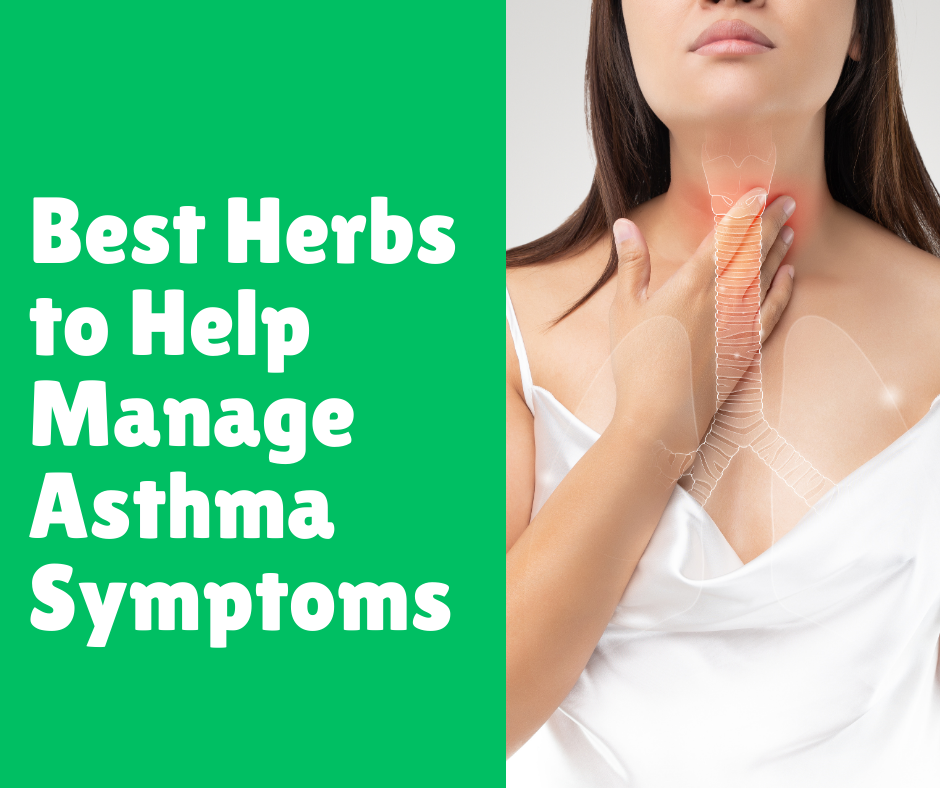
Asthma, a condition that inflames and narrows the airways in your lungs, can lead to difficulty breathing, wheezing, coughing, and chest tightness.
For many, managing asthma symptoms requires ongoing treatment plans, but with the rise of holistic health practices, herbs have gained popularity as a natural remedy to support the lungs.
But why herbs?
Herbs have long been used in traditional medicine across the globe. From the ancient Chinese system to Ayurvedic treatments in India, plants have been recognized for their healing properties.
The anti-inflammatory, antioxidant, and bronchodilator properties of certain herbs can help reduce the severity of asthma attacks, soothe irritated airways, and support overall lung health.
Incorporating herbs into your asthma care routine can be a valuable addition to existing treatments.
However, it’s essential to understand that herbs should complement, not replace, conventional asthma management strategies unless specifically advised by a healthcare professional.
The Top Herbs for Asthma Relief
In this section, we’ll discuss the best herbs known to aid in asthma relief and how they can be used.
1.1 Ginger (Zingiberofficinale)
Ginger is not just a spice for your food but also a powerful medicinal herb. Known for its anti-inflammatory properties, ginger can help reduce inflammation in the airways, which is a key issue in asthma. It also has bronchodilator effects, meaning it can help open up the airways and make breathing easier.
How to Use Ginger:
- Fresh ginger tea: Steep a few slices of fresh ginger in hot water for 5-10 minutes.
- Ginger powder: Mix with honey and consume it directly or add it to your smoothies.
Personal Tip: I personally prefer fresh ginger tea. It’s soothing, especially during allergy season, when asthma symptoms tend to flare up more.
1.2 Licorice Root (Glycyrrhizaglabra)
Licorice root has been a go-to herb in traditional medicine for many centuries. It acts as a natural expectorant, helping to clear mucus from the respiratory system. It also has anti-inflammatory properties that can reduce irritation in the airways.
How to Use Licorice Root:
- Herbal tea: Steep licorice root in hot water for a soothing tea.
- Capsules or powder: Available in most health stores.
Caution: Prolonged use of licorice root should be avoided as it can raise blood pressure. Always consult with your doctor before using it regularly.
1.3 Thyme (Thymus vulgaris)
Thyme is not only a great herb for cooking but also for respiratory health. It contains thymol, which has been shown to help relax the muscles around the airways and act as an expectorant, making it easier to expel mucus.
How to Use Thyme:
- Thyme tea: Boil fresh or dried thyme in water for 5 minutes and strain.
- Essential oil: Add a few drops to a diffuser or use in a steam inhalation.
Other Helpful Herbs for Asthma
While ginger, licorice root, and thyme are powerful herbs, there are many others that can help manage asthma symptoms.
2.1 Eucalyptus (Eucalyptus globulus)
Eucalyptus is widely known for its ability to open up the airways. Its active ingredient, eucalyptol, is known to have strong anti-inflammatory properties. It can help reduce asthma symptoms by making it easier to breathe.
How to Use Eucalyptus:
- Steam inhalation: Add a few drops of eucalyptus oil to a bowl of hot water and inhale the steam.
- Diffuser: Use in a diffuser for continuous relief.
2.2 Oregano (Origanumvulgare)
Oregano isn’t just great for Italian dishes it’s also excellent for your lungs. It contains compounds that can help relax the airway muscles and reduce inflammation in the respiratory system.
How to Use Oregano:
- Oregano tea: Steep dried oregano leaves in hot water for 5-10 minutes.
- Oregano oil: A few drops diluted with a carrier oil can be rubbed onto the chest to open up the airways.
2.3 Mullein (Verbascumthapsus)
Mullein is a fantastic herb known for its ability to soothe and relieve irritation in the lungs and respiratory tract. It acts as an expectorant, helping to clear mucus and improve airflow.
How to Use Mullein:
- Mullein tea: Steep dried mullein flowers or leaves in hot water for 10 minutes.
- Mullein tincture: Can be used under the guidance of a herbalist for more concentrated use.
How to Incorporate Herbs into Your Daily Routine
Incorporating herbs into your daily asthma care plan is easier than it sounds. Here are some simple and effective ways to integrate them into your lifestyle.
3.1 Herbal Teas and Infusions
Herbal teas are one of the easiest and most enjoyable ways to incorporate herbs into your daily routine. Whether you sip on ginger, thyme, or licorice root tea, it can help soothe the airways and keep your symptoms at bay.
Step-by-Step Tea Recipe:
- Boil water.
- Add your choice of herb (fresh or dried).
- Steep for 5-10 minutes.
- Strain and enjoy!
3.2 Essential Oils
Essential oils can be a great addition to your asthma management routine. Eucalyptus, peppermint, and thyme oils are great for inhalation therapy and can help clear your airways.
How to Use Essential Oils:
- Add a few drops to a bowl of hot water.
- Inhale the steam for 5-10 minutes.
- Alternatively, use a diffuser to disperse the oil in your home.
3.3 Capsules and Supplements
If you’re not fond of teas, capsules or powders containing these herbs are also available. Just make sure to choose high-quality, reputable brands that ensure proper dosages and safe use.
Apologies for missing the table! Here’s a table that summarizes the herbs mentioned, their benefits, and how to use them for asthma relief:
| Herb | Key Benefits & How to Use | Caution / Notes |
| Ginger | Anti-inflammatory, bronchodilator. Use fresh ginger tea, powder with honey, or in smoothies. | May cause heartburn; avoid if you have a sensitive stomach. |
| Licorice Root | Expectorant, soothes respiratory tract. Use in herbal tea, capsules, or powder. | Avoid long-term use; may raise blood pressure. |
| Thyme | Relaxes airway muscles, expectorant. Drink thyme tea or use essential oil in steam/diffuser. | Not suitable for thyroid conditions or certain medications. |
| Eucalyptus | Opens airways, relieves congestion. Use in steam inhalation or diffuser. | Avoid if allergic or have respiratory sensitivities. |
| Oregano | Relieves tension, anti-inflammatory. Drink tea or apply diluted oil as chest rub/inhalation. | Can irritate skin; always dilute essential oils. |
| Mullein | Soothes lungs, supports function. Use in tea or tincture (with professional guidance). | Consult healthcare provider if pregnant or breastfeeding. |
Common Mistakes to Avoid When Using Herbs for Asthma
While herbs can be a powerful tool in managing asthma, there are several common mistakes people make. Here’s what to avoid:
4.1 Relying Solely on Herbs
Herbs should complement, not replace, your regular asthma medication. Never stop taking prescribed medications without consulting your healthcare provider.
4.2 Overuse of Certain Herbs
While herbs like licorice root are powerful, overusing them can lead to side effects. Always follow recommended dosages and consult a doctor if you have any concerns.
4.3 Not Considering Allergies
Some herbs, such as eucalyptus or thyme, can trigger allergic reactions in sensitive individuals. Always do a patch test or start with small doses to see how your body reacts.
Conclusion: Breathing Easier with Herbs
Managing asthma doesn’t always have to mean relying on pharmaceutical drugs alone. By incorporating herbs like ginger, licorice root, and thyme into your daily routine, you can enjoy better control over your asthma symptoms and breathe easier.
Remember, herbs work best when used alongside traditional asthma treatments. Always consult with your healthcare provider before introducing new herbs into your routine to ensure they don’t interfere with your current medication or condition.
FAQs:
- Can herbs completely replace my asthma medication?
No, herbs should only be used as a complementary treatment. Always follow your doctor’s recommendations for managing asthma. - Are there any herbs I should avoid if I have asthma?
Some herbs, like peppermint, can irritate the airways in certain people. It’s important to do a patch test or consult with a doctor before using any new herb. - How often should I consume herbal remedies for asthma?
It depends on the herb and the form you are using. Generally, a few cups of herbal tea per day or daily use of supplements is sufficient, but always check with a healthcare provider for personalized advice. - Can I use herbal oils if I have asthma?
Yes, essential oils like eucalyptus and thyme can be helpful, but use them in moderation and avoid direct application to the skin without proper dilution.