
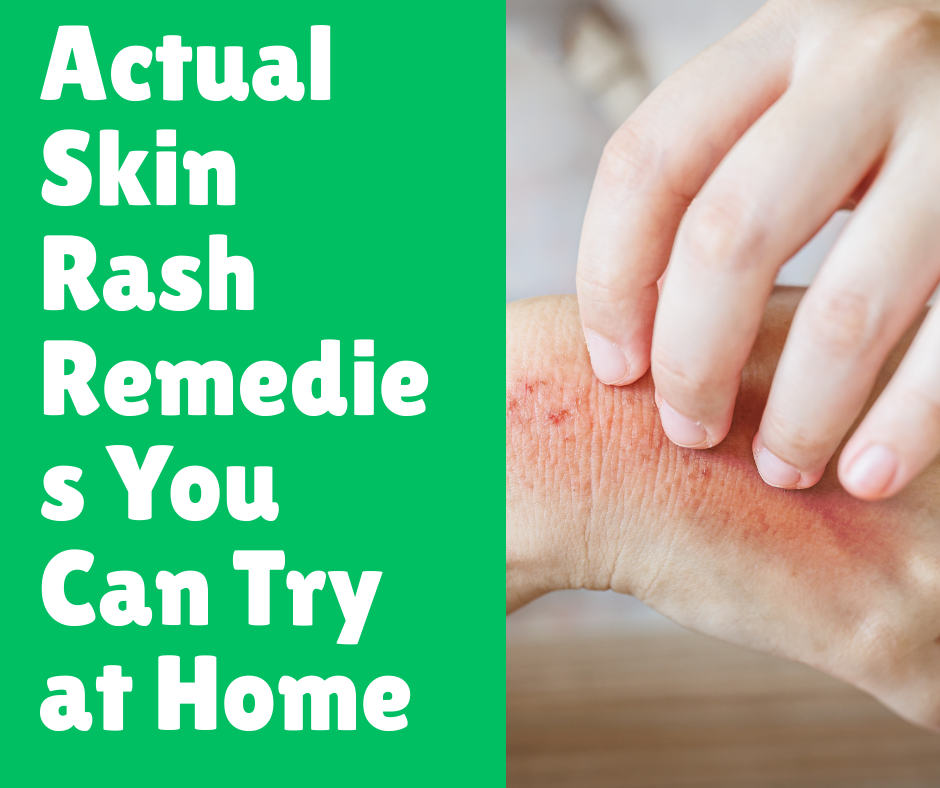
Actual Skin Rash Remedies You Can Try at Home
Post Disclaimer
Content on this site is for educational use only and not a substitute for medical advice. Herbal remedies are based on traditional knowledge and not medical recommendations. Please consult a healthcare professional before trying any herb. We do not assume responsibility for any outcomes or adverse effects resulting from the use of information provided here.
Have you ever experienced the discomfort and irritation of a skin rash? Whether it’s a mysterious itch, redness, or blistering, skin rashes can be a nuisance that disrupts your daily routine.
And the worst part? It’s not always clear where they come from or how to get rid of them. Many of us have been there scratching endlessly, trying every cream or lotion we can find, only to feel like we’re making little progress. If you’ve been dealing with a stubborn skin rash, you’re not alone.
But what if I told you that there are effective, natural remedies that can help soothe your skin and relieve that maddening itch?
In this post, I’ll be walking you through several home remedies and practical tips for managing skin rashes.
From tried-and-true household ingredients to self-care habits that can promote faster healing, this guide has you covered.
You’ll also find actionable advice on what to do (and what not to do) when you’re dealing with skin rashes.
Whether it’s a mild irritation or something more persistent, by the end of this article, you’ll have a range of strategies to help manage your rash and get back to feeling comfortable in your own skin.
Understanding Skin Rashes: What Are They?
Before diving into remedies, it’s essential to understand what skin rashes are. A rash is a change in the texture, appearance, or color of your skin, typically in the form of bumps, patches, or redness.
Rashes can appear suddenly or develop over time, and they can vary widely in severity, from mild irritation to something that causes extreme discomfort.
There are countless reasons why rashes may appear, including:
- Allergic reactions to food, medication, or environmental factors
- Infections like fungal, viral, or bacterial
- Chronic skin conditions such as eczema or psoriasis
- Contact with irritants like poison ivy, harsh chemicals, or certain fabrics
- Heat rashes caused by sweating or hot weather
- Autoimmune diseases where the body attacks healthy skin cells
This variety of causes means that treatment must be tailored to the type of rash you have. However, some remedies can provide universal relief for common skin rash symptoms, which we’ll explore shortly.
Natural Skin Rash Remedies: What Works?
Now that we’ve covered the basics, let’s look at the remedies you can try at home to soothe skin rashes. Remember, while these remedies are generally safe, it’s always a good idea to patch-test a small area of skin first to ensure you don’t have an allergic reaction to any ingredient.
1. Aloe Vera: The Ultimate Skin Soother
Aloe vera is often called the “miracle plant” because of its powerful anti-inflammatory and hydrating properties. When it comes to rashes, aloe vera can reduce redness, calm irritation, and speed up the healing process.
How to use aloe vera for skin rashes:
- Step 1: Cut open an aloe vera leaf and extract the gel from the inside.
- Step 2: Gently apply the gel directly to the affected area.
- Step 3: Let it sit for 15-20 minutes, then rinse off with cool water.
- Step 4: Repeat 2-3 times daily until the rash improves.
Personal insight: I’ve personally used aloe vera to treat sunburns, and it has also helped with minor rashes from allergic reactions. It’s cooling and calming, and I find that it really reduces inflammation.
2. Oatmeal Baths: A Gentle, Calming Remedy
Oatmeal baths have long been used as a natural remedy for irritated skin. The colloidal properties of oatmeal help to form a barrier on the skin that can trap moisture and protect against irritation. This is particularly useful for conditions like eczema, poison ivy, or heat rash.
How to use an oatmeal bath:
- Step 1: Take a cup of finely ground oatmeal (colloidal oatmeal) and add it to warm water in your bathtub.
- Step 2: Soak in the water for 15-20 minutes, allowing the oatmeal to settle and soothe the rash.
- Step 3: Pat your skin dry with a towel afterward (don’t rub), and apply a moisturizer to lock in hydration.
Personal insight: Oatmeal baths are incredibly soothing and provide almost immediate relief from itching. Whenever I’ve had a rash caused by heat or an allergic reaction, this is my go-to method for calming down my skin.
3. Apple Cider Vinegar: A Powerful Antiseptic
Apple cider vinegar (ACV) is widely used for its antimicrobial and anti-inflammatory properties. It can help balance the skin’s pH levels and act as a natural disinfectant, which can be helpful for rashes caused by bacterial or fungal infections.
How to use apple cider vinegar for rashes:
- Step 1: Mix one part apple cider vinegar with one part water to dilute it.
- Step 2: Use a cotton ball or clean cloth to gently apply the solution to the rash.
- Step 3: Leave it on for a few minutes before rinsing with cool water.
- Step 4: Repeat 1-2 times a day until symptoms subside.
Caution: Avoid using apple cider vinegar on broken skin or open wounds, as it may sting.
4. Coconut Oil: Deep Moisturization and Healing
Coconut oil is rich in fatty acids and has potent antimicrobial properties that can help prevent infection while soothing the skin. It’s especially useful for dry, flaky skin associated with rashes like eczema or psoriasis.
How to use coconut oil for rashes:
- Step 1: Scoop out a small amount of virgin coconut oil and gently rub it onto the affected area.
- Step 2: Massage it into the skin until fully absorbed.
- Step 3: Leave it on overnight or for several hours for the best results.
- Step 4: Apply 1-2 times daily as needed.
Personal insight: I swear by coconut oil for everything from dry skin to minor cuts and burns. It’s incredibly moisturizing and can help prevent the skin from getting too dry during a rash episode.
Table: Comparing Home Remedies for Skin Rashes
| Remedy | Benefits | How to Use |
| Aloe Vera | Reduces inflammation, cools and hydrates, promotes faster healing | Apply fresh gel directly to the rash, leave for 15-20 minutes |
| Oatmeal Baths | Soothes irritation, provides moisture, calms itchy skin | Add colloidal oatmeal to warm bathwater, soak for 15-20 minutes |
| Apple Cider Vinegar | Antiseptic, balances pH, reduces inflammation | Dilute with water, apply with a cotton ball, leave for a few minutes |
| Coconut Oil | Moisturizes skin, antimicrobial, speeds up healing | Apply virgin coconut oil to rash, massage in, leave on overnight |
Common Mistakes to Avoid When Treating Skin Rashes
While natural remedies can work wonders for many people, there are some mistakes to avoid during your rash treatment journey:
- Over-scratching: Scratching the rash can worsen irritation and lead to infection. It’s essential to keep your hands off the rash as much as possible. If the itch is unbearable, try using an anti-itch lotion or aloe vera instead.
- Ignoring medical advice: If your rash doesn’t improve after trying home remedies, or if it worsens, seek medical attention. Some rashes can signal a deeper health issue or require prescription medication.
- Using harsh chemicals: Avoid using products with fragrances, alcohol, or harsh chemicals, as they can aggravate the rash. Stick to natural remedies or fragrance-free products to minimize irritation.
- Using the wrong remedy for your rash type: Not every rash responds to the same treatment. For example, apple cider vinegar may not be suitable for eczema or extremely dry skin, while coconut oil might not be ideal for oily, acne-prone skin.
Conclusion: Relief Is Within Reach
Dealing with a skin rash can be frustrating, but the good news is that there are plenty of home remedies that can help provide relief. From soothing aloe vera to healing coconut oil, nature has provided us with numerous solutions to combat skin irritation.
If you’re dealing with a persistent rash, don’t hesitate to visit a healthcare professional to rule out any underlying conditions. But for everyday skin irritations, these simple and effective remedies may be all you need to feel better fast.
Remember, consistency is key. Be patient and give these remedies time to work. Over time, your skin will thank you!
FAQs about Skin Rash Remedies
1. Can I use these remedies for any type of skin rash?
While many of these remedies can help with common rashes, it’s important to identify the type of rash you have before choosing a remedy. For example, fungal infections may require antifungal treatments, while eczema may need specific moisturizers or prescription medications.
2. How long does it take for these remedies to work?
The effectiveness and speed of these remedies can vary based on the type of rash and its severity. In general, you should notice some relief within a few days, but it may take a week or more for the rash to fully heal.
3. Should I avoid seeing a doctor for a rash?
If your rash is severe, persistent, or accompanied by other symptoms like fever or swelling, it’s best to consult a healthcare professional. They can help diagnose the underlying cause and recommend appropriate treatment.