
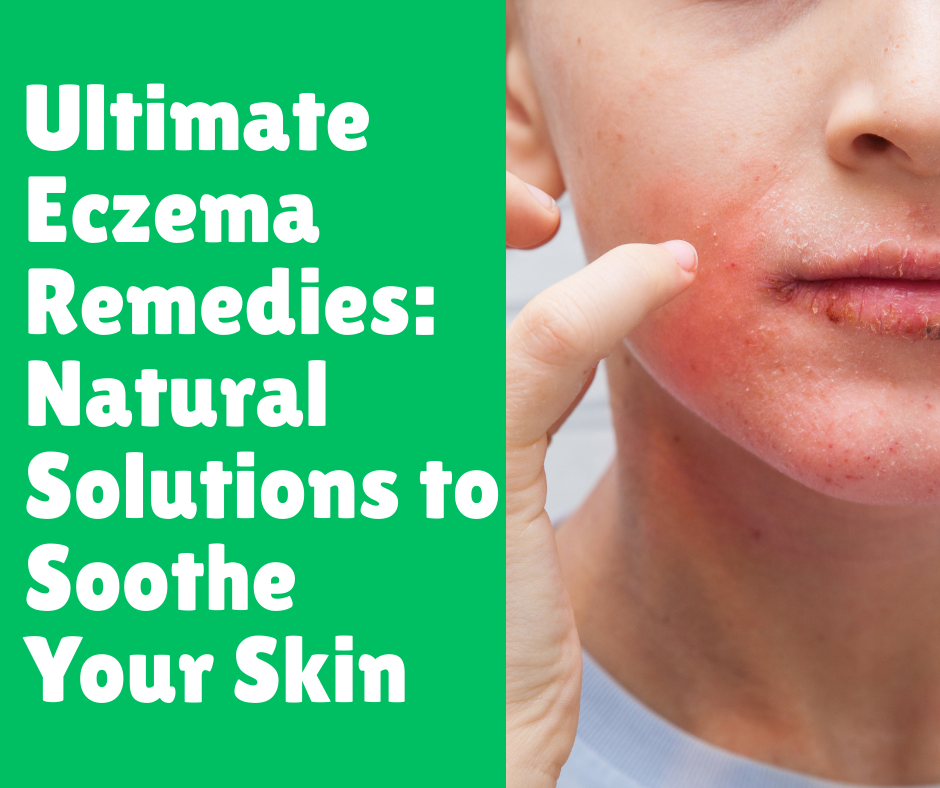
Ultimate Eczema Remedies: Natural Solutions to Soothe Your Skin
Post Disclaimer
Content on this site is for educational use only and not a substitute for medical advice. Herbal remedies are based on traditional knowledge and not medical recommendations. Please consult a healthcare professional before trying any herb. We do not assume responsibility for any outcomes or adverse effects resulting from the use of information provided here.
If you’ve ever struggled with eczema, you know how challenging it can be to find relief. The constant itching, dryness, and red patches can make daily life uncomfortable and, at times, overwhelming.
If you’re anything like me, you’ve probably tried everything from prescription creams to over-the-counter lotions, only to end up feeling disappointed or frustrated when the results aren’t what you hoped for.
But what if there’s another way? What if you could find eczema remedies that actually work without relying on chemical-heavy treatments or products that make things worse?
In this article, I’m going to take you through the best eczema remedies that I’ve personally found helpful and that could make a difference in your skincare routine.
I’ll also share my personal experiences, common mistakes people make when trying to treat eczema, and how you can avoid them.
By the end of this post, you’ll have a toolkit of eczema remedies that you can experiment with to find what works best for your unique skin. So, grab a cup of tea, get comfortable, and let’s dive into these tried-and-true solutions for managing eczema.
What is Eczema?
Before we get into the remedies, let’s take a quick look at what eczema is. Eczema, or atopic dermatitis, is a chronic skin condition that causes inflammation, redness, and itching. It can affect anyone but is most common in children.
While the exact cause is still not fully understood, eczema is believed to be a result of a combination of genetics and environmental factors.
It occurs when the skin’s natural barrier is weakened, allowing irritants and allergens to penetrate, leading to inflammation.
If you’ve ever had a flare-up, you’re all too familiar with the discomfort: inflamed, cracked skin that seems to have a life of its own.
In severe cases, it can be hard to keep your hands off the affected area, which only makes things worse. But there is hope. With the right eczema remedies, you can keep flare-ups under control and minimize discomfort.
Moisturizing: The Key to Healthy Skin
Moisturization is the first and most important step in managing eczema. When your skin becomes dry, it’s more likely to crack and itch, which opens the door for further irritation. A good moisturizer works like a protective barrier, sealing in moisture and preventing the skin from becoming dehydrated.
Step-by-Step: How to Moisturize Effectively
- Choose the right moisturizer: Look for products that are fragrance-free and designed for sensitive skin. Opt for thick creams or ointments over lotions, as they provide better hydration.
- Apply right after a shower: After bathing, while your skin is still slightly damp, apply your moisturizer. This helps lock in moisture and keep your skin hydrated for longer periods.
- Reapply throughout the day: Aim to moisturize at least twice a day, or more often if your skin feels dry. This will help maintain the skin’s barrier and prevent flare-ups.
Best Moisturizers for Eczema
| Brand/Product | Key Ingredients | Why It’s Effective |
| CeraVe Moisturizing Cream | Ceramides, Hyaluronic Acid | Restores the skin’s natural barrier, non-irritating |
| Aquaphor Healing Ointment | Petrolatum, Panthenol | Provides long-lasting hydration and soothes irritated skin |
| Eucerin Eczema Relief | Colloidal Oatmeal, Ceramides | Calms itching and irritation, ideal for sensitive skin |
| Vanicream Moisturizing Cream | Glycerin, Dimethicone | Free from dyes, fragrances, and parabens, reduces skin irritation |
Natural Remedies: Harnessing the Power of Plants
Many people find that incorporating natural remedies into their skincare routine can help soothe and heal eczema. I know it sounds like a buzzword, but I’ve personally seen benefits from using plant-based ingredients like aloe vera, coconut oil, and chamomile.
These ingredients have anti-inflammatory properties that can help reduce redness, calm itching, and hydrate the skin.
Step-by-Step: Using Natural Ingredients for Eczema
- Aloe Vera: Aloe vera is well known for its skin-healing properties. It can soothe irritated skin, reduce inflammation, and help moisturize. You can apply aloe vera gel directly to the affected areas or look for lotions containing aloe vera.
- Coconut Oil: Coconut oil is rich in healthy fats and antioxidants, which can help to moisturize and protect your skin. Apply a thin layer of coconut oil after moisturizing to seal in hydration.
- Chamomile: Chamomile has anti-inflammatory and calming effects, which can relieve itching and irritation. You can use chamomile tea bags as a compress or look for skin care products that contain chamomile extract.
- Oatmeal Baths: Colloidal oatmeal is often recommended by dermatologists to help soothe the skin. It can help relieve itching and reduce inflammation. You can add oatmeal to a warm bath and soak for 15-20 minutes for best results.
Personal Experience: Natural Remedies
I’ve been using coconut oil for years now, especially when I feel an eczema flare-up coming on. I rub it into my skin right after a shower to lock in moisture, and it often helps calm down any redness. While it doesn’t cure eczema, it’s an essential part of my routine.
Diet: The Role of Nutrition in Eczema Management
Believe it or not, what you eat can affect your eczema. Food allergies and sensitivities are known to trigger flare-ups in some people. Common culprits include dairy, gluten, nuts, and soy, but it varies from person to person. While there’s no one-size-fits-all approach, keeping track of what you eat and how it affects your skin can lead to valuable insights.
Step-by-Step: Adjusting Your Diet for Eczema
- Eliminate potential triggers: Start by eliminating common allergens like dairy, eggs, gluten, and nuts for a few weeks. Keep a food journal and track any changes in your skin’s condition.
- Introduce anti-inflammatory foods: Foods rich in omega-3 fatty acids, such as salmon, chia seeds, and walnuts, may help reduce inflammation. Similarly, foods like turmeric, ginger, and green leafy vegetables can provide anti-inflammatory benefits.
- Consider probiotics: Some studies suggest that probiotics may help with eczema by supporting the gut’s microbiome, which plays a role in the body’s immune response. Consider adding foods like yogurt, kefir, or a probiotic supplement to your diet.
Common Dietary Mistakes to Avoid
- Ignoring food sensitivities: If you suspect certain foods are triggering your eczema, it’s essential to avoid them rather than hoping it will get better.
- Relying solely on supplements: While omega-3s and probiotics are great additions to your diet, they shouldn’t replace a balanced, nutrient-rich diet.
Topical Treatments: Over-the-Counter Options
If natural remedies and diet alone aren’t enough, there are a variety of over-the-counter (OTC) topical treatments that can provide relief for eczema symptoms. These products are often recommended when you need extra help managing flare-ups.
Step-by-Step: Using OTC Treatments
- Hydrocortisone Cream: A mild steroid cream can help reduce inflammation and itching. If your eczema is particularly stubborn, you can use a 1% hydrocortisone cream (available OTC) for short-term relief.
- Anti-itch Creams: Look for creams containing ingredients like calamine, hydrocortisone, or pramoxine hydrochloride to help manage the itchiness that comes with eczema.
- Barrier Creams: Products that restore the skin’s natural barrier, such as petroleum jelly or ceramide-based creams, can provide much-needed protection from further irritation.
Personal Experience with OTC Treatments
I’ve found hydrocortisone creams to be really effective when a flare-up is particularly stubborn. However, I try not to rely on them long-term because of the potential for thinning skin. Instead, I use them sparingly during intense flare-ups and focus more on the natural remedies for long-term management.
Lifestyle Changes: Managing Stress and Eczema
Did you know that stress can actually trigger eczema flare-ups? It’s true. Stress and anxiety can weaken the immune system, which can make eczema worse.
That’s why lifestyle changes especially in managing stress are crucial for eczema management.
Step-by-Step: Managing Stress for Better Skin
- Practice relaxation techniques: Techniques like yoga, meditation, and deep breathing can help reduce stress and promote relaxation. These methods can be helpful in managing eczema, especially if stress seems to trigger flare-ups.
- Regular exercise: Engaging in physical activity is not only good for your overall health but can also help reduce stress levels. Just make sure to shower immediately after working out to avoid sweat sitting on your skin.
- Sleep hygiene: Poor sleep can increase stress and inflammation in the body. Establishing a relaxing bedtime routine, like reading a book or taking a warm bath, can improve the quality of your sleep and potentially reduce eczema flare-ups.
Common Mistakes to Avoid
While treating eczema, it’s easy to make mistakes that can make things worse. Here are some common mistakes people make when managing eczema:
- Over-scratching: While it may be tempting to scratch, it can lead to broken skin and infections. Try to distract yourself or use anti-itch creams to prevent the urge.
- Using harsh products: Strong soaps, fragrances, and even hot showers can irritate eczema-prone skin. Stick to gentle, fragrance-free products to avoid aggravating the condition.
- Ignoring flare-ups: Don’t wait for a flare-up to get out of control. The sooner you address irritation, the better.
Conclusion
Living with eczema doesn’t have to mean endless discomfort. By incorporating the right eczema remedies into your skincare routine whether they be moisturizing, using natural remedies, adjusting your diet, or managing stress you can take control of your skin’s health and find long-term relief.
Remember, it’s all about finding what works for you. What helps me might not be the answer for you, but the key is to try different approaches, track what makes a difference, and stick with what works.
Key Takeaways:
- Moisturizing is crucial to managing eczema.
- Natural remedies like coconut oil, aloe vera, and oatmeal baths can provide relief.
- Dietary changes and stress management can also play a role in reducing flare-ups.
- Always be mindful of common mistakes, like over-scratching and using harsh products.
If you’ve tried any of these eczema remedies or have any of your own tips, I’d love to hear about it! Share your thoughts in the comments below and let’s continue this conversation.