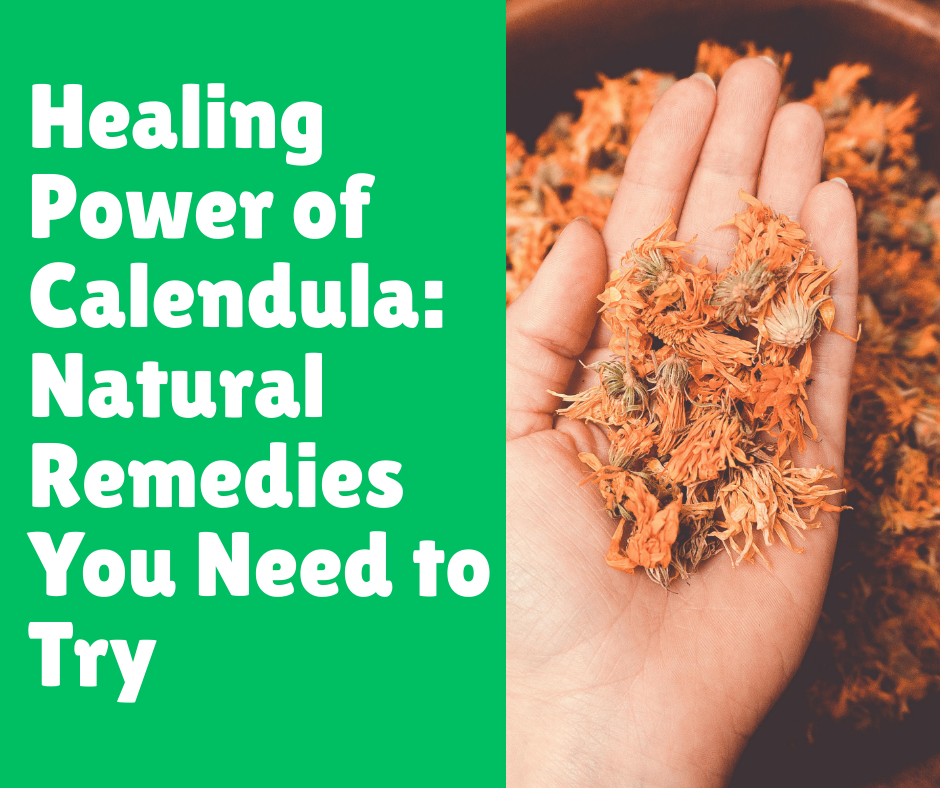
Healing Power of Calendula: Natural Remedies You Need to Try
Post Disclaimer
Content on this site is for educational use only and not a substitute for medical advice. Herbal remedies are based on traditional knowledge and not medical recommendations. Please consult a healthcare professional before trying any herb. We do not assume responsibility for any outcomes or adverse effects resulting from the use of information provided here.
If you’ve ever experienced dry, irritated skin, a minor burn, or even a mild infection, you may have reached for a remedy that promises to soothe and heal.
But what if I told you that one of the most effective natural remedies for a range of ailments is right in your garden?
Calendula, often referred to as “pot marigold,” is a bright, cheerful flower with a long history of use in herbal medicine.
From soothing cuts to relieving skin conditions, calendula offers an abundance of benefits that are easy to access.
In this article, I’m going to walk you through the many ways calendula can be used to promote skin health and overall well-being.
I’ll share my personal experiences with this healing plant, give you step-by-step instructions on how to make calendula-based remedies at home, and help you avoid common mistakes people make when using this powerful herb.
Why Calendula? A Natural Wonder for Your Skin and Health
Calendula is more than just a beautiful garden flower it’s a versatile, natural remedy with properties that help in healing wounds, soothing skin irritations, and even acting as an anti-inflammatory.
The healing properties of calendula have been used for centuries, and its popularity continues to rise as people turn back to natural solutions for everyday health issues.
But you might wonder what exactly makes calendula so special? Well, let’s take a deeper look at what calendula can do.
The Benefits of Calendula Remedies
Calendula contains essential oils, flavonoids, and carotenoids, all of which contribute to its medicinal properties. These components give calendula its anti-inflammatory, antibacterial, antifungal, and antioxidant qualities. In fact, research shows that calendula can be effective in treating a variety of skin conditions, reducing inflammation, and speeding up the healing process of minor injuries.
Here are some of the most common calendula remedies and their benefits:
- Calendula for Skin Irritations:
Calendula is often used to soothe various skin irritations like rashes, eczema, and psoriasis. It helps to reduce redness, calm inflammation, and promote the regeneration of skin cells. - Calendula for Wound Healing:
Whether it’s a minor cut, scrape, or burn, calendula can help to speed up healing by stimulating the production of new skin cells and preventing infections. - Calendula for Acne:
Thanks to its antimicrobial properties, calendula is an effective natural remedy for acne. It works by reducing inflammation, preventing bacteria buildup, and soothing angry, inflamed skin. - Calendula for Soothing Burns:
If you’ve ever gotten a sunburn or a minor kitchen burn, calendula may be your best friend. It can help to reduce pain, redness, and swelling, and promote faster healing. - Calendula as an Antifungal:
Calendula’s antifungal properties make it a great remedy for fungal infections like athlete’s foot or ringworm.
Making Calendula Remedies at Home: A Step-by-Step Guide
Now that you understand the incredible benefits of calendula, let’s move on to how you can incorporate it into your wellness routine.
Making your own calendula remedies at home is easy and empowering. Here’s how you can create three simple yet effective calendula-based treatments: calendula oil, calendula salve, and calendula tea.
Calendula Infused Oil: A Simple Skin Soother
Calendula oil is one of the easiest remedies to make at home. It’s perfect for moisturizing and soothing dry or irritated skin, and you can use it as a base for other skincare products.
What You’ll Need:
- Dried calendula flowers (about 1 cup)
- Carrier oil (such as olive oil, coconut oil, or jojoba oil)
- A clean glass jar with a lid
- Cheesecloth or a fine strainer
Step-by-Step Instructions:
- Start by filling your glass jar about halfway with dried calendula flowers.
- Pour your carrier oil over the flowers until they are completely covered, leaving some space at the top of the jar.
- Seal the jar tightly and place it in a warm, sunny spot for about 2–3 weeks. Shake it gently every day to mix the flowers with the oil.
- After 2–3 weeks, strain the oil through cheesecloth or a fine strainer to remove the flowers. Pour the infused oil into a clean bottle or jar for use.
- Store your calendula-infused oil in a cool, dark place, and apply it to your skin as needed for soothing and hydration.
Calendula Salve: Perfect for Healing and Protection
A calendula salve is great for treating wounds, cuts, and scrapes. It’s thicker than oil, so it forms a protective layer over the skin while still allowing it to breathe.
What You’ll Need:
- 1/2 cup of calendula-infused oil (made from the previous recipe)
- 1/4 cup of beeswax
- 10–15 drops of lavender or tea tree essential oil (optional for added healing properties)
- A small container or tin to store the salve
Step-by-Step Instructions:
- In a double boiler, combine the calendula-infused oil and beeswax. Stir frequently until the beeswax is fully melted.
- Once the wax is melted, remove the mixture from heat. If you’d like to add essential oils, do so now.
- Pour the mixture into a small container or tin and let it cool and solidify.
- Once cooled, your calendula salve is ready for use. Apply it to cuts, scrapes, or dry patches of skin for healing and protection.
Calendula Tea: A Healing Drink for Your Body
Calendula tea is a gentle yet effective way to incorporate this herb into your wellness routine. Not only does it provide internal benefits like boosting your immune system, but it’s also a soothing, calming beverage that can help with digestion.
What You’ll Need:
- 1–2 teaspoons of dried calendula flowers
- 1 cup of boiling water
- Honey or lemon (optional for taste)
Step-by-Step Instructions:
- Place the dried calendula flowers in a tea infuser or directly into your cup.
- Pour boiling water over the flowers and let it steep for about 5–10 minutes.
- Strain the flowers if needed and add honey or lemon to taste.
- Sip slowly and enjoy the calming effects.
Common Mistakes to Avoid When Using Calendula Remedies
While calendula is a wonderful plant, there are a few common mistakes that people often make when using it for medicinal purposes. Here are some things to keep in mind:
- Not Using High-Quality Ingredients:
When making your own calendula remedies, make sure to use organic, high-quality dried calendula flowers. Poor-quality flowers can contain pesticides or other chemicals that may do more harm than good. - Not Straining the Oil Properly:
If you’re making infused oil, be sure to strain it properly. Any leftover flowers or plant matter can cause the oil to spoil more quickly. - Overusing Calendula Tea:
Calendula tea is wonderful, but like any herbal remedy, it’s best to consume it in moderation. Drinking too much may lead to stomach upset or other minor side effects. - Ignoring Allergic Reactions:
While calendula is generally considered safe for most people, it can cause allergic reactions in some, particularly those who are sensitive to plants in the Asteraceae family. Always do a patch test before using any calendula remedy on your skin.
Calendula for Skin Care: Why It’s Worth the Hype
In my own experience, calendula has been a game-changer for my skincare routine. I started using it for its ability to heal minor burns and cuts, but soon found it to be effective for calming my dry skin during the colder months.
The infused oil is incredibly hydrating, and the salve works wonders for those rough patches that need extra love. Plus, it’s an all-natural alternative to store-bought creams and lotions, which often contain harsh chemicals.
Calendula is also great for those with sensitive skin. It’s gentle, soothing, and doesn’t irritate like some commercial skincare products.
Whether you’re using it to address a skin issue or simply to keep your skin hydrated, calendula is a must-have in your wellness arsenal.
Conclusion: The Healing Potential of Calendula
Calendula is truly a wonder herb that deserves a place in every home. Whether you’re looking to heal a wound, calm a rash, or simply add a natural touch to your skincare routine, calendula has proven its worth time and again.
By following the simple steps above, you can create your own healing remedies that are both effective and gentle on your skin.
Key Takeaways:
- Calendula offers a wide range of benefits for skin health, including anti-inflammatory, antimicrobial, and healing properties.
- You can make your own calendula oil, salve, and tea at home using simple ingredients.
- Always be mindful of common mistakes, such as overusing remedies or choosing low-quality flowers.
Now that you know how to harness the power of calendula, I encourage you to give it a try. Whether you’re making your own remedies or simply adding a bit of calendula to your routine, the results speak for themselves.
What calendula remedy will you try first? Let me know in the comments below!
FAQs
1. Can I use fresh calendula flowers instead of dried ones?
Yes, fresh calendula flowers can be used, but they tend to have higher water content, which could affect the shelf life of your oil or salve. If you choose to use fresh flowers, be sure to allow them to wilt for a day or two before using them in oil infusions.
2. Is calendula safe for children?
Calendula is generally safe for children, especially when used topically for minor cuts and scrapes. However, if you’re using it on babies or young children, it’s always best to consult with a healthcare professional first.
3. Can I use calendula oil for my hair?
Yes! Calendula oil can be used to soothe a dry scalp or treat dandruff. Simply massage it into your scalp before shampooing and let it sit for 20 minutes before rinsing.