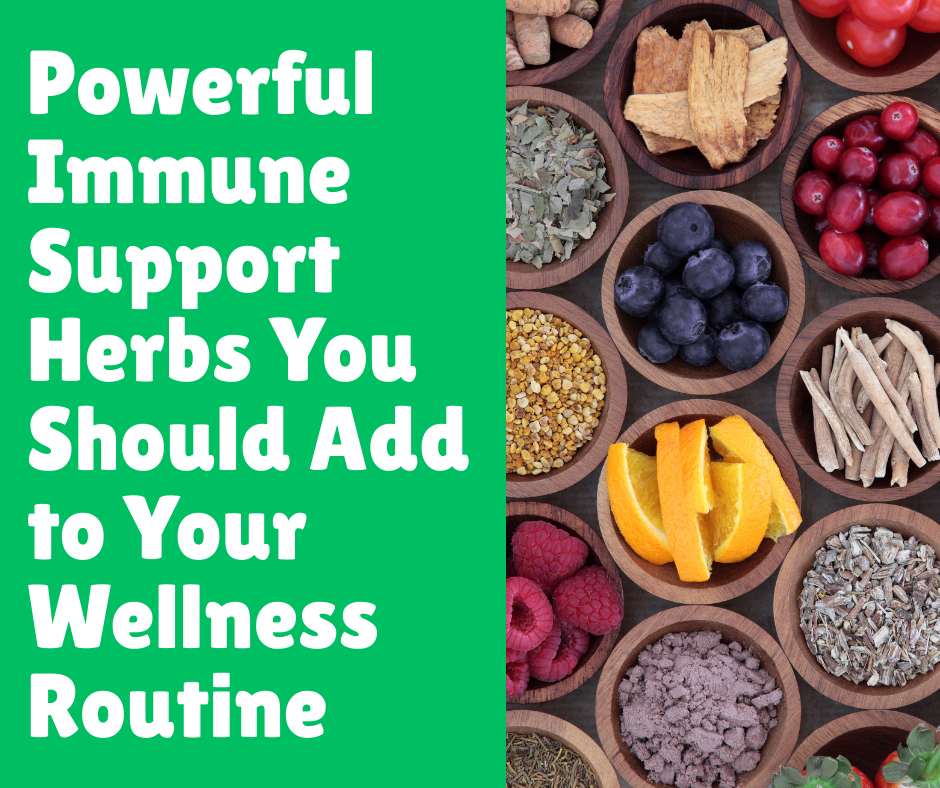
10 Powerful Immune Support Herbs You Should Add to Your Wellness Routine
Post Disclaimer
Content on this site is for educational use only and not a substitute for medical advice. Herbal remedies are based on traditional knowledge and not medical recommendations. Please consult a healthcare professional before trying any herb. We do not assume responsibility for any outcomes or adverse effects resulting from the use of information provided here.
We’ve all been there those days when you wake up with a scratchy throat, or when the weather changes and you start feeling a little run down.
It’s during these moments that we wish we could just boost our immune systems naturally.
Luckily, nature has provided us with a variety of powerful herbs that can help keep our bodies strong and healthy. But which ones are truly effective? That’s exactly what I’ll be diving into today.
In this article, I’ll explore some of the best immune-supporting herbs that I personally trust and recommend.
I’ll also share tips on how to incorporate them into your daily routine and give you a deeper understanding of how these herbs work to keep your immune system functioning at its best.
Whether you’re looking to strengthen your immune system for the long term or need a little extra support during flu season, this guide will provide you with the knowledge and tools you need to make informed decisions about your health.
Immune Support Herbs: Why They Work
Herbs have been used for centuries in traditional medicine across cultures for their healing properties.
When it comes to immune support, herbs play a vital role due to their active compounds that interact with the body’s immune response.
These natural compounds often include antioxidants, vitamins, minerals, and bioactive molecules, all of which help reduce inflammation, fight off infections, and improve overall health.
Herbs not only work as immune boosters, but many also support various systems in the body, such as digestion, circulation, and the nervous system, which can have a positive impact on immune health.
The best part? Most of these herbs are easy to incorporate into your diet, whether in tea, tinctures, or as a supplement.
1. Echinacea (Echinacea purpurea)
Echinacea is probably one of the most well-known immune-support herbs, and for good reason. It’s been shown to help prevent colds and reduce the severity of their symptoms. This herb contains active compounds that boost the production of white blood cells, which are essential for fighting off infections. It’s also rich in antioxidants that help combat free radicals and reduce inflammation.
How to Use It:
- Echinacea Tea: Steep 1-2 teaspoons of dried echinacea in boiling water for 10 minutes. Drink 1-2 times a day during cold season.
- Echinacea Supplements: Available in capsule or tincture form, with recommended doses varying based on the brand. Follow package instructions.
2. Elderberry (Sambucus nigra)
Elderberry has been gaining popularity as a go-to remedy for immune health. Its berries are packed with antioxidants and vitamins A, C, and E, all of which contribute to immune defense. Elderberry is particularly known for its ability to reduce the severity and duration of colds and flu, making it a must-have during the winter months.
How to Use It:
- Elderberry Syrup: Take 1 tablespoon of elderberry syrup 1-2 times a day.
- Elderberry Tea: Use dried elderberries to make tea by steeping them in hot water.
3. Astragalus (Astragalus membranaceus)
This herb has been used in traditional Chinese medicine for centuries. Astragalus is great for long-term immune support because it helps stimulate the production of immune cells and improves the body’s ability to resist infections. It is especially helpful for chronic conditions and can also help support cardiovascular and respiratory health.
How to Use It:
- Astragalus Root Powder: Add a teaspoon of astragalus powder to smoothies or soups.
- Astragalus Tea: Boil the root in water for 10-15 minutes.
4. Ginger (Zingiber officinale)
Ginger is a powerful anti-inflammatory herb that can help to support the immune system by improving circulation and digestion. Its active compound, gingerol, is known to fight viruses and bacteria, making it a great addition to your daily routine, especially during cold and flu season.
How to Use It:
- Fresh Ginger Tea: Slice fresh ginger root and steep it in hot water for 5-10 minutes. Add honey for sweetness.
- Ginger in Cooking: Use fresh or ground ginger in soups, smoothies, and stir-fries.
5. Garlic (Allium sativum)
Garlic is often referred to as a “natural antibiotic” because of its ability to fight off bacteria, viruses, and fungi. It’s also a powerful antioxidant that helps to reduce inflammation and oxidative stress, which can weaken the immune system. Consuming garlic regularly can help maintain immune function and promote overall health.
How to Use It:
- Raw Garlic: Crush or chop raw garlic and let it sit for a few minutes to activate its immune-boosting compounds. Add it to salads or eat it on its own.
- Garlic Supplements: Available in pill form if you don’t enjoy the taste of raw garlic.
6. Turmeric (Curcuma longa)
Turmeric, known for its vibrant yellow color, contains curcumin, a compound with strong anti-inflammatory and antioxidant properties. It’s known to support immune health by fighting inflammation and supporting the liver, which plays a crucial role in detoxifying the body.
How to Use It:
- Turmeric Latte (Golden Milk): Combine turmeric powder with warm milk (or dairy-free alternatives), honey, and black pepper.
- Turmeric Capsules: Follow the dosage instructions on the supplement label.
7. Andrographis (Andrographis paniculata)
Known as the “King of Bitters,” andrographis is a powerful herb used in traditional Ayurvedic medicine. It has been shown to help fight off infections, reduce inflammation, and boost immune function. Andrographis is particularly effective at reducing the symptoms of the common cold.
How to Use It:
- Andrographis Tincture: Take 1-2 teaspoons of tincture daily during illness.
- Andrographis Capsules: Follow the dosage instructions on the supplement packaging.
8. Reishi Mushroom (Ganoderma lucidum)
Reishi mushrooms are not technically herbs, but they’re widely used in herbal medicine for immune support. These mushrooms contain compounds called beta-glucans, which help stimulate the immune system and increase the body’s ability to fight off infections.
How to Use It:
- Reishi Mushroom Tea: Steep dried reishi mushrooms in hot water for 20 minutes.
- Reishi Extract: Take 1-2 teaspoons of reishi extract daily, as recommended by the product label.
9. Oregano (Origanum vulgare)
Oregano is more than just a flavorful herb for cooking, it’s also a powerful immune-boosting herb. Oregano oil is rich in antioxidants and antimicrobial compounds, which can help support your immune system and combat infections.
How to Use It:
- Oregano Oil: Take 1-2 drops of oregano oil (diluted in water or coconut oil) for immune support.
- Fresh Oregano: Add fresh oregano leaves to your meals.
10. Lemon Balm (Melissa officinalis)
Lemon balm, a member of the mint family, is known for its calming properties, but it also supports the immune system. It contains compounds that can help to fight off viruses, reduce stress (which weakens immunity), and improve sleep quality.
How to Use It:
- Lemon Balm Tea: Steep lemon balm leaves in hot water for 5-10 minutes.
- Lemon Balm Tincture: Follow the dosage instructions on the bottle.
Immune Support Herbs: Common Mistakes to Avoid
When incorporating herbs into your routine, it’s important to avoid some common pitfalls. Here are a few things I’ve learned along the way:
- Overdoing It: While herbs can be powerful, using them in excessive amounts can have the opposite effect. Always stick to recommended dosages.
- Ignoring Potential Interactions: Some herbs can interact with medications, especially those that affect blood sugar, blood pressure, or blood clotting. Be sure to consult with your healthcare provider before using them if you’re on any medication.
- Expecting Instant Results: Herbal remedies often take time to show their effects. Consistency is key, so give it time and incorporate herbs into your daily routine.
Conclusion:
Immune support herbs are an amazing gift from nature, and adding them to your wellness routine can help you stay healthy year-round.
From Echinacea to Lemon Balm, these herbs provide powerful immune-boosting properties that can make a real difference in your health.
Whether you’re fighting off a cold or just want to maintain strong immunity, these herbs are a fantastic addition to your lifestyle.
Remember, the key to success is consistency. Add these herbs to your routine, pay attention to your body, and don’t forget to consult with your healthcare provider if you have any concerns.
FAQs
Q1: Can I combine multiple immune-support herbs in one day?
Yes, many people successfully combine different herbs. Just be mindful of dosage and avoid combining too many herbs with similar effects at once.
Q2: How long does it take for these herbs to work?
It depends on the herb and your body. Some herbs, like elderberry, may provide relief within a few days, while others, like astragalus, require long-term use for the best effects.
Q3: Are these herbs safe for children?
Some herbs, like ginger and garlic, are generally safe for children in small amounts. However, always check with a healthcare provider before giving herbs to young children.