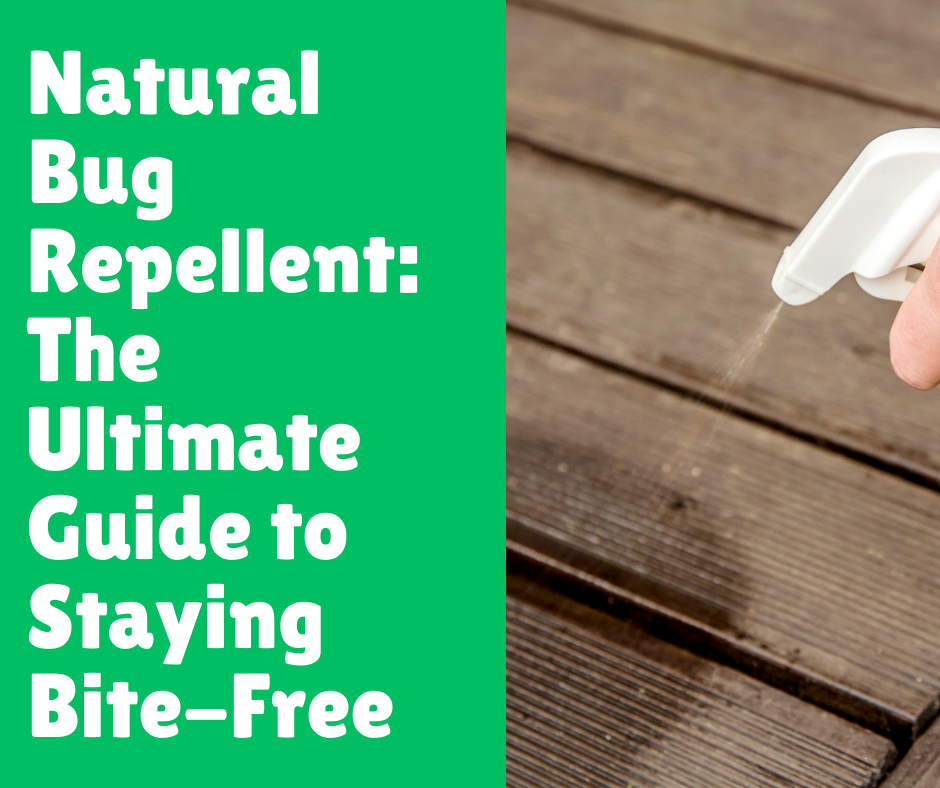
Natural Bug Repellent: The Ultimate Guide to Staying Bite-Free
Post Disclaimer
Content on this site is for educational use only and not a substitute for medical advice. Herbal remedies are based on traditional knowledge and not medical recommendations. Please consult a healthcare professional before trying any herb. We do not assume responsibility for any outcomes or adverse effects resulting from the use of information provided here.
When the summer sun shines brightly and the outdoors beckon, there’s nothing quite as enjoyable as spending time outside whether it’s gardening, hiking, or simply lounging in the backyard.
However, as much as we love the outdoors, bugs seem to love us back just as much, especially in the warmer months.
Mosquitoes, flies, and ticks can turn a peaceful outdoor experience into an itchy nightmare. If you’ve ever found yourself swatting away mosquitoes while trying to relax, you know the struggle.
This is where natural bug repellents come into play. Rather than reaching for harsh chemical sprays, many people are now looking for natural alternatives to keep those pesky insects at bay.
In this post, I’ll dive into everything you need to know about natural bug repellents: what they are, how they work, and how you can make your own at home.
Why Choose Natural Bug Repellents?
With so many chemical repellents available, you may wonder why you should consider switching to natural alternatives. Let’s start with some important reasons.
1. Healthier for You and Your Family
Traditional bug repellents, especially those containing DEET, can have side effects. Prolonged exposure to DEET has been linked to skin irritation, and in some cases, more severe reactions. Children and pets are particularly vulnerable to these chemicals.
By choosing natural repellents, you’re reducing your exposure to these harmful substances and choosing safer alternatives.
2. Environmentally Friendly
The environment benefits from the use of natural bug repellents as well. Chemicals like DEET can harm wildlife, especially when they enter bodies of water.
In contrast, natural oils and ingredients used in homemade repellents are biodegradable, ensuring that they don’t leave behind harmful residues in the environment.
3. No Synthetic Fragrances
Many commercial bug sprays contain synthetic fragrances that are not only unpleasant but can also trigger allergic reactions.
Natural repellents, on the other hand, often have a fresh, earthy scent that is much more pleasant and they’re better for your skin and health in the long run.
Common Ingredients in Natural Bug Repellents
Now, let’s talk about the powerhouse ingredients that make natural bug repellents so effective. Each of these ingredients works in its own unique way to ward off bugs and provide you with a bite-free experience.
| Ingredient | Bug It Repels | How It Works |
| Citronella | Mosquitoes, flies | Has a strong, citrus-like smell that masks scents attractive to mosquitoes. |
| Lavender | Mosquitoes, moths | Has a floral scent that mosquitoes and other bugs find unappealing. |
| Peppermint Oil | Mosquitoes, ants, ticks | Acts as a natural repellent by emitting a strong, refreshing scent. |
| Lemon Eucalyptus Oil | Mosquitoes, ticks | Contains compounds that are known to block mosquito attraction. |
| Tea Tree Oil | Mosquitoes, lice | Its strong scent deters insects and provides anti-inflammatory properties. |
| Neem Oil | Mosquitoes, flies | Acts as a natural insecticide by disrupting the insect’s nervous system. |
How to Make Your Own Natural Bug Repellent
Making your own bug repellent is easier than you might think. In fact, I find that it’s one of the most satisfying things to do because I know exactly what’s going onto my skin.
Ingredients You’ll Need:
- 10-15 drops of essential oils (Lavender, citronella, peppermint, or eucalyptus)
- 1 tablespoon of witch hazel or vodka (helps the oil mix with water)
- 2 tablespoons of water (distilled water is best)
- 1 tablespoon of aloe vera gel (optional, for added moisture)
- A spray bottle
Instructions:
- Add the essential oils: Begin by adding your essential oils to the spray bottle. If you’re using lavender, citronella, or any of the oils mentioned above, aim for about 10-15 drops.
- Add witch hazel or vodka: These ingredients act as the solvent that will help your oils mix with water. Add a tablespoon of witch hazel or vodka.
- Add water: Fill the remainder of the bottle with distilled water, leaving enough room for the other ingredients.
- Shake well: Close the bottle tightly and shake it up to mix all the ingredients. You’re all set!
- Apply: When you’re ready to head outdoors, spray it generously on exposed skin and clothing.
Tips for Using Homemade Natural Bug Repellents
- Reapply every 2 hours: Natural repellents are often less potent than commercial ones, so you’ll need to reapply every couple of hours, especially in areas with a lot of bugs.
- Test for skin sensitivity: Before using your homemade spray all over your body, apply it to a small patch of skin to ensure you don’t have any allergic reactions.
- Use it with other precautions: If you’re going to be in an area with a lot of mosquitoes or ticks, consider wearing long sleeves and pants for added protection.
Common Mistakes to Avoid When Using Natural Bug Repellents
While natural repellents are an excellent choice, there are a few common mistakes that many people make. Here’s what you should avoid:
- Not Using Enough Repellent
A common mistake is not using enough bug repellent. Natural repellents often need to be applied generously to be effective. Don’t be shy—cover yourself! - Assuming Natural Repellents Work Like DEET
Natural oils, although effective, don’t always work as long as DEET-based products. Make sure to reapply every couple of hours, especially in heavily infested areas. - Ignoring Sensitive Skin
While most essential oils are safe for most people, some may cause irritation, especially if you have sensitive skin. Always test the product on a small patch of skin first. - Not Properly Storing Homemade Repellents
Essential oils lose their effectiveness over time, especially when exposed to sunlight or heat. Store your homemade repellent in a cool, dark place to maintain its potency.
Conclusion
As we’ve learned, natural bug repellents are an effective and safer alternative to chemical-laden products.
By using essential oils like citronella, lavender, and peppermint, you can keep bugs at bay without harming your health or the environment. Plus, making your own bug repellent at home is easy, cost-effective, and rewarding.
Incorporating these natural solutions into your outdoor routine will not only protect you from pesky insects but also give you peace of mind knowing that you’re using non-toxic, eco-friendly products.
So, next time you head outdoors, try out a homemade repellent and let me know how it works for you! I’d love to hear your feedback or any tweaks you’ve made to the recipe. And don’t forget to share this post with friends who could use a little bug-busting magic!
FAQs
Q1: Can natural bug repellents work as effectively as chemical ones?
Yes, natural repellents can be very effective, but they often require reapplication more frequently. The oils used in these repellents create a barrier that repels bugs, but they don’t kill them.
Q2: Are natural bug repellents safe for kids?
Most natural bug repellents are safe for kids when used correctly. However, always do a patch test before applying any product, and for younger children, dilute the oils more or avoid oils like peppermint that might be too strong.
Q3: Can I use these natural repellents on my pets?
Some natural ingredients like lavender and citronella are safe for pets, but always check with your vet before using any product on your animals, especially if they have sensitive skin or allergies.
Q4: How long will a homemade bug repellent last?
Homemade natural repellents are best used within 1-2 weeks for maximum effectiveness. Always store them in a cool, dark place to extend their shelf life.