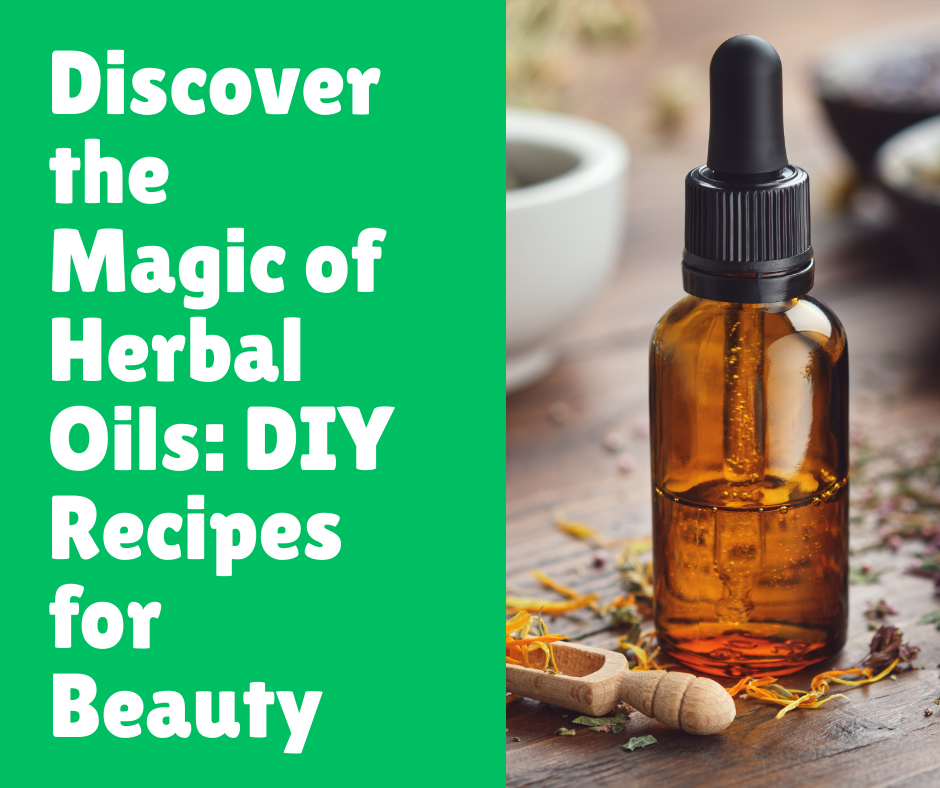
Discover the Magic of Herbal Oils: DIY Recipes for Beauty
Post Disclaimer
Content on this site is for educational use only and not a substitute for medical advice. Herbal remedies are based on traditional knowledge and not medical recommendations. Please consult a healthcare professional before trying any herb. We do not assume responsibility for any outcomes or adverse effects resulting from the use of information provided here.
Have you ever walked through a garden and been captivated by the soothing fragrance of fresh herbs? Imagine that sensation bottled up in an oil easy to use, natural, and effective.
Herbal oils have been cherished for centuries, not just for their delightful scents but for their potent healing properties.
From relieving stress and anxiety to improving skin health, herbal oils are a holistic way to care for your body and mind.
But did you know that making your own herbal oils at home can be simple and rewarding? If you’ve been curious about creating your own DIY herbal oils, you’re in the right place.
In this guide, I’ll walk you through everything you need to know, from the basics of herbal oils to step-by-step instructions on how to make them yourself.
By the end of this article, you’ll be inspired to try your hand at making your very own natural remedies.
What Are Herbal Oils and Why Should You Care?
Herbal oils are plant-based oils infused with the essential properties of various herbs. These oils are packed with nutrients, antioxidants, and therapeutic compounds that can benefit both your health and beauty routine.
They’re typically used for skincare, haircare, relaxation, and even as part of aromatherapy practices.
Why should you care about making herbal oils?
- Natural Healing: Herbal oils can help you address common ailments naturally. Whether you’re struggling with dry skin, muscle pain, or sleep problems, there’s an herbal oil for you.
- Customizable: When you create your own herbal oils, you can tailor them to your unique needs and preferences. From selecting the herbs you love to choosing the oil carrier that suits your skin, you control the outcome.
- Cost-Effective: Store-bought herbal oils can be expensive, but making them yourself can save you a lot of money in the long run.
Getting Started – What You Need to Make Herbal Oils
Before diving into the recipe section, let’s go over some essential tools and ingredients you’ll need to make your herbal oils.
Tools:
- Glass jars or containers: These are essential for infusing the herbs. Always use glass, as it preserves the oil better than plastic.
- Strainer or cheesecloth: To filter out the herbs from the oil once the infusion is complete.
- Funnel: For easy pouring of the oil into storage containers.
- Labels: It’s important to label your jars with the date and contents for easy identification.
- A small pot or double boiler: For warming the oil (if using the heat infusion method).
Ingredients:
- Carrier oil: This is the base oil that will carry the essential nutrients of the herbs. Popular options include olive oil, coconut oil, jojoba oil, or almond oil.
- Herbs: You can use fresh or dried herbs depending on what benefits you’re after. Some common herbs include lavender, peppermint, rosemary, chamomile, and calendula.
Step-by-Step Guide to Making Herbal Oils
Now that we have our supplies, let’s dive into the process of making herbal oils. There are two main methods of infusion: cold infusion and heat infusion. Both are simple, but each has its own benefits. I’ll walk you through both methods.
Cold Infusion Method (Best for preserving the herbal benefits)
- Step 1: Prepare your herbs. If you’re using fresh herbs, make sure to wash and dry them thoroughly to avoid introducing any moisture into the oil.
- Step 2: Chop or crush the herbs to release their essential oils.
- Step 3: Fill a glass jar about halfway with your herbs.
- Step 4: Pour the carrier oil over the herbs, making sure the herbs are fully submerged.
- Step 5: Seal the jar tightly and place it in a cool, dark place for 2 to 3 weeks. Shake the jar every few days to help the infusion process.
- Step 6: After 2-3 weeks, strain the oil using a fine mesh strainer or cheesecloth to remove the herbs.
- Step 7: Pour the infused oil into a clean bottle, label it, and store it in a cool, dark place.
Heat Infusion Method (Faster but can alter the potency of the herbs)
- Step 1: Prepare your herbs the same way as you would for the cold infusion method.
- Step 2: Add the carrier oil and herbs to a double boiler or small pot.
- Step 3: Heat the mixture gently on low heat for 2 to 4 hours, making sure the oil doesn’t overheat. Stir occasionally.
- Step 4: Once the oil has absorbed the herbal properties, strain the mixture through a cheesecloth or fine mesh strainer.
- Step 5: Store the infused oil in a clean glass bottle.
Popular Herbs and Their Benefits
Herbal oils are only as effective as the herbs you choose. Below is a table that highlights some popular herbs and their corresponding benefits.
| Herb | Benefits | Best For |
| Lavender | Calming, anti-inflammatory | Skin irritation, anxiety, sleep |
| Peppermint | Cooling, invigorating | Headaches, fatigue, muscle pain |
| Chamomile | Soothing, anti-inflammatory | Skin conditions, stress, insomnia |
| Rosemary | Stimulating, antioxidant-rich | Hair growth, mental clarity, pain |
| Calendula | Healing, anti-inflammatory | Skin cuts, burns, dry skin |
Personal Insight: Personally, I love using lavender and chamomile for their calming effects, especially before bedtime. These herbs are perfect for relaxing your mind and getting a peaceful night’s sleep.
Common Mistakes to Avoid
Making herbal oils sounds simple, but there are a few common pitfalls you should be aware of. Here are some mistakes to avoid:
- Using too many herbs: While it’s tempting to pack your jar with as many herbs as possible, more isn’t always better. Too many herbs can result in an oil that’s overpowering in scent and less effective. Stick to a few herbs that complement each other.
- Not straining properly: If you don’t strain the herbs thoroughly, you may end up with pieces of plant matter in your oil. This can lead to contamination or spoilage over time.
- Overheating the oil: If you’re using the heat infusion method, make sure the oil doesn’t get too hot. Overheating can degrade the essential oils, reducing their potency.
- Ignoring the shelf life: Herbal oils are best used within a few months to a year. Make sure to label your jars with the date you made them so you can keep track of their freshness.
Conclusion
Herbal oils are a wonderful and natural way to support your health and beauty routine. Whether you’re looking to soothe sore muscles, promote healthy hair, or calm your mind, there’s a DIY herbal oil for every need. The best part? You can easily make these oils in your own kitchen with a few simple ingredients and tools.
To get started, choose your favorite herbs, follow the steps I’ve outlined, and enjoy the process of creating something that’s not only beneficial but also personal.
I’d love to hear about your experiences with making herbal oils let me know what herbs you’ve chosen and how they’ve worked for you in the comments below.
FAQs
1. Can I use fresh herbs to make herbal oils?
Yes, you can use fresh herbs, but make sure they are thoroughly dried before use to prevent any moisture from being introduced into the oil.
2. How long do homemade herbal oils last?
Homemade herbal oils can last anywhere from 6 months to 1 year if stored in a cool, dark place. Make sure to label your oils with the date of creation.
3. Can I use any type of oil as a carrier oil?
Yes, but some oils work better for specific skin types or purposes. For example, coconut oil is great for skin and hair, while jojoba oil is ideal for sensitive skin.