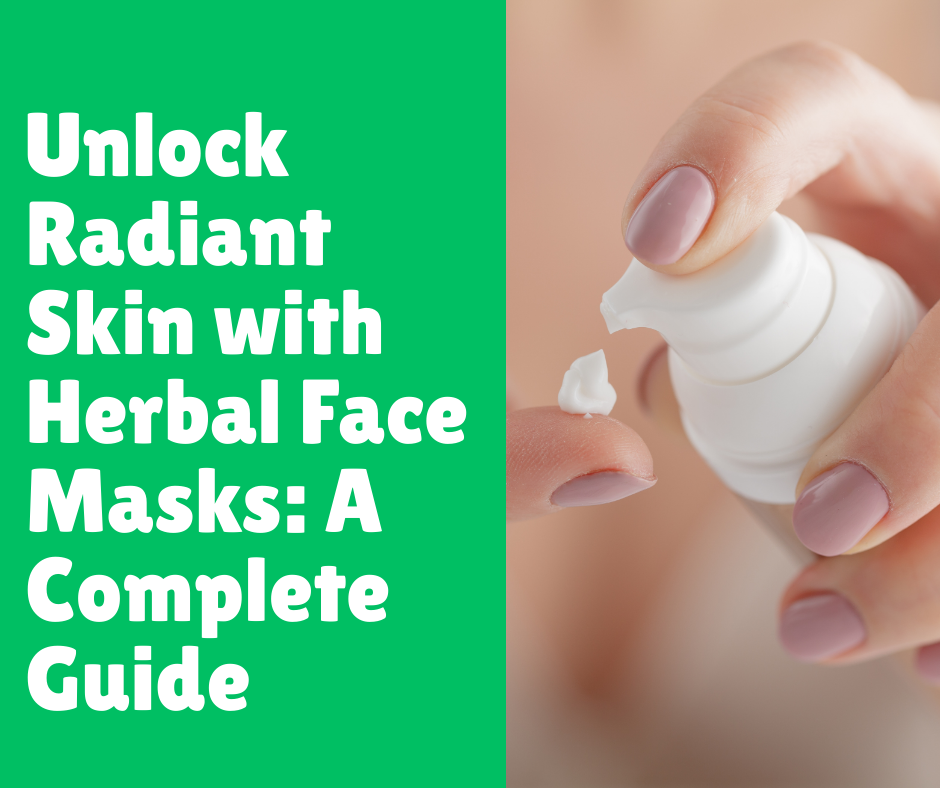
Unlock Radiant Skin with Herbal Face Masks: A Complete Guide
Post Disclaimer
Content on this site is for educational use only and not a substitute for medical advice. Herbal remedies are based on traditional knowledge and not medical recommendations. Please consult a healthcare professional before trying any herb. We do not assume responsibility for any outcomes or adverse effects resulting from the use of information provided here.
Have you ever thought about how nature’s beauty secrets can work wonders on your skin? Herbal face masks have been used for centuries, offering a natural, gentle way to nourish and rejuvenate your skin.
As we navigate through a world filled with chemical-laden beauty products, herbal face masks provide a refreshing and eco-friendly alternative to treat your skin with the care it deserves.
This blog post will delve into the world of herbal face masks. I’ll walk you through the numerous benefits of using herbal ingredients, the best masks for different skin types, and how to easily create your own herbal face masks at home.
Whether you’re a skincare enthusiast or a newbie looking for healthier alternatives, you’ll find everything you need to know to start incorporating herbal face masks into your skincare routine.
Why Herbal Face Masks?
Before we dive into the specifics of creating herbal face masks, let’s take a moment to understand why herbal ingredients are so beneficial for our skin.
Herbal ingredients are rich in antioxidants, vitamins, and minerals that help fight skin problems like acne, dryness, and aging.
Unlike synthetic chemicals found in many commercial skincare products, herbs nourish your skin in the most natural way possible.
For example, ingredients like aloe vera, turmeric, and lavender have soothing, anti-inflammatory properties that can calm irritated skin, reduce redness, and give your skin a healthy glow.
Whether you’re dealing with acne, dark spots, or simply want to maintain your skin’s overall health, herbal face masks can be your go-to solution.
Now, let’s get into the details and see how you can harness the power of herbs to create the perfect herbal face mask for yourself.
Benefits of Herbal Face Masks
Herbal face masks are packed with essential nutrients that are absorbed directly by your skin. Here are some of the top benefits of using herbal face masks regularly:
- Natural Nourishment: Herbs like neem, chamomile, and mint offer essential vitamins and antioxidants that help repair damaged skin cells, promote new cell growth, and keep your skin youthful.
- Hydration and Moisturization: Many herbal ingredients such as aloe vera and honey have natural hydrating properties that help lock in moisture. This is especially important for people with dry skin who often struggle with moisture retention.
- Detoxification: Herbal masks help detoxify your skin by drawing out impurities and toxins. Ingredients like activated charcoal, green tea, and turmeric have excellent detoxifying properties that can give your skin a fresh, clear appearance.
- Anti-Aging Properties: Herbs like rosemary and lavender are known for their anti-aging properties, helping to reduce fine lines, wrinkles, and sagging. These herbs contain natural compounds that protect the skin from premature aging caused by free radicals.
- Calming and Soothing: If you have sensitive skin, herbal masks can be incredibly soothing. Ingredients such as calendula and chamomile can calm redness and irritation, reducing inflammation and providing relief to inflamed skin.
Popular Herbal Ingredients and Their Benefits
In this section, let’s explore the top herbs that can be used in face masks and the specific benefits they offer:
| Herb | Benefits | Best for |
| Aloe Vera | Moisturizing, soothing, anti-inflammatory. | Dry, irritated, and sensitive skin. |
| Turmeric | Anti-inflammatory, brightening, reduces acne scars. | Acne-prone, dull, and hyperpigmented skin. |
| Lavender | Calming, anti-aging, antibacterial. | Oily, acne-prone, and aging skin. |
| Rosemary | Improves circulation, tightens skin, anti-aging. | Mature skin or for firming. |
| Chamomile | Calming, reduces redness, anti-inflammatory. | Sensitive, inflamed skin. |
| Green Tea | Antioxidant-rich, detoxifying, anti-aging. | Dull and tired skin. |
| Neem | Antibacterial, antifungal, detoxifying. | Acne-prone and oily skin. |
| Honey | Moisturizing, antibacterial, helps in wound healing. | Dry and acne-prone skin. |
Each of these herbs can work wonders on your skin, but the key is choosing the right one for your unique skin concerns. I always suggest starting with a simple face mask that combines just one or two ingredients to see how your skin reacts.
How to Make Your Own Herbal Face Masks
Creating your own herbal face masks is easier than you think, and the best part is, you can customize them to suit your exact skincare needs. Below, I’ve put together a few easy herbal face mask recipes that you can whip up in the comfort of your home:
- Turmeric and Honey Mask (For Brightening and Acne Prevention)
Ingredients:- 1 tsp turmeric powder
- 1 tbsp honey
- 1 tbsp yogurt (optional)
Instructions: - Mix the turmeric powder and honey together in a small bowl.
- Add yogurt if desired, as it can help with moisturizing.
- Apply the mixture to your face, focusing on areas with acne or dullness.
- Leave it on for 10-15 minutes, then rinse off with lukewarm water.
Why it works: Turmeric brightens the skin and reduces acne-causing bacteria, while honey moisturizes and helps heal acne scars.
- Aloe Vera and Lavender Mask (For Soothing Sensitive Skin)
Ingredients:- 2 tbsp fresh aloe vera gel
- 3-4 drops lavender essential oil
Instructions: - Extract the aloe vera gel from a fresh leaf or use store-bought gel.
- Add the lavender oil and mix well.
- Apply to your face and leave it on for 15 minutes.
- Rinse off with cold water.
Why it works: Aloe vera soothes and hydrates sensitive skin, while lavender helps calm inflammation and irritation.
- Green Tea and Honey Mask (For Detoxification)
Ingredients:- 1 tbsp brewed green tea (cooled)
- 1 tbsp honey
- 1 tsp lemon juice (optional)
Instructions: - Mix the brewed green tea and honey together.
- Add lemon juice if you want to enhance the mask’s brightening effect.
- Apply the mixture to your skin and leave it on for 10 minutes.
- Rinse with lukewarm water.
Why it works: Green tea detoxifies and prevents aging, while honey moisturizes and helps to combat acne.
Common Mistakes to Avoid When Using Herbal Face Masks
While herbal face masks are great for your skin, there are a few common mistakes that can make them less effective or even harm your skin:
- Overuse of Strong Ingredients: While ingredients like turmeric and lemon are powerful, using them too frequently can irritate your skin. Always use a patch test before applying any mask to your entire face.
- Not Adjusting for Your Skin Type: Not all herbs are suitable for all skin types. For example, turmeric may work wonders for acne, but it might irritate sensitive skin. Make sure you choose the right ingredients based on your skin concerns.
- Leaving the Mask On Too Long: It’s tempting to keep a face mask on for longer, but leaving it on for too long can sometimes dry out your skin or lead to irritation. Stick to the recommended time for each mask.
- Not Moisturizing After: Always follow up with a good moisturizer after using a face mask. Herbal ingredients are often hydrating, but applying a moisturizer locks in the benefits.
Conclusion
Herbal face masks are a fantastic way to pamper your skin using natural, nourishing ingredients. They offer a plethora of benefits, from hydration and brightening to anti-aging and soothing, depending on your needs.
The best part is, you can easily make your own at home using simple ingredients from your kitchen.
I hope this guide has inspired you to try making your own herbal face masks and embrace the natural beauty that herbs provide. If you’ve used any herbal masks before or have a favorite recipe, I’d love to hear from you!
Share your thoughts in the comments below, and don’t forget to share this post with anyone looking to enhance their skincare routine with herbal goodness.
FAQ
- How often should I use herbal face masks?
It depends on your skin type and the mask you’re using, but generally, once or twice a week is enough for most people. - Can I use herbal masks if I have sensitive skin?
Absolutely! Just be sure to choose ingredients that are known for being soothing and gentle, such as chamomile or aloe vera. - How can I make my herbal face mask more effective?
Try steaming your face before applying the mask to open up your pores, which helps the ingredients penetrate deeper into your skin. - Can herbal face masks help with acne?
Yes! Masks containing turmeric, neem, and honey are especially great for acne-prone skin. They help reduce inflammation and fight bacteria. - Are there any side effects to using herbal masks?
Side effects are rare, but always perform a patch test before using any new mask to ensure you’re not allergic to any of the ingredients.