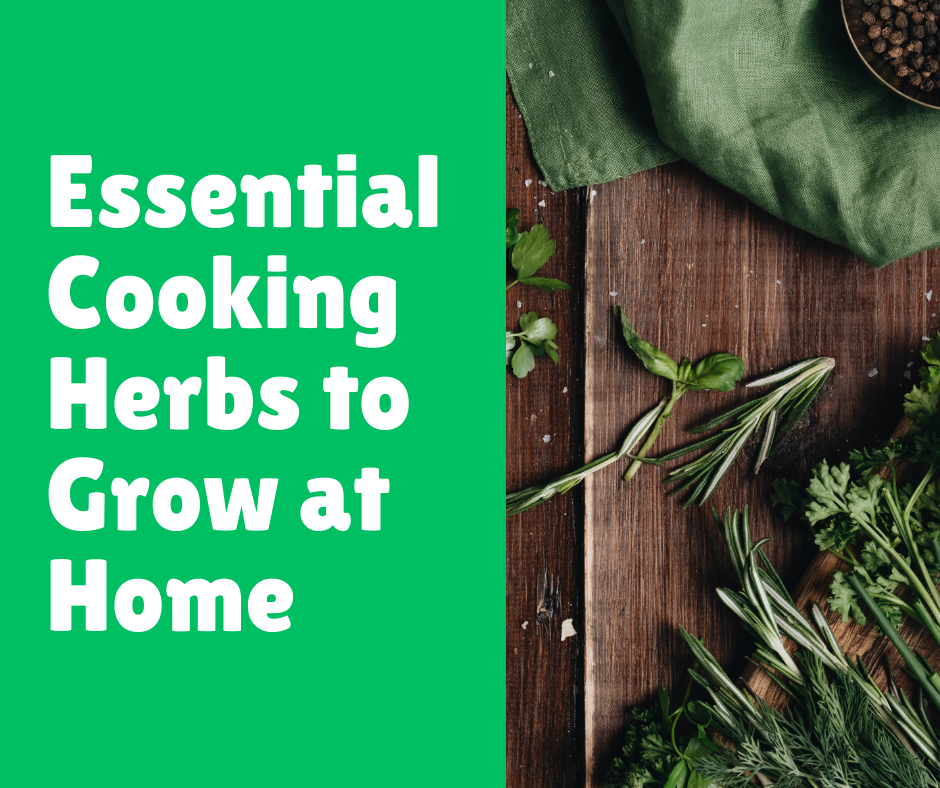
Essential Cooking Herbs to Grow at Home
Post Disclaimer
Content on this site is for educational use only and not a substitute for medical advice. Herbal remedies are based on traditional knowledge and not medical recommendations. Please consult a healthcare professional before trying any herb. We do not assume responsibility for any outcomes or adverse effects resulting from the use of information provided here.
Imagine stepping into your kitchen, surrounded by the fragrant aroma of fresh herbs. The bright green leaves of basil, the vibrant purple of rosemary, and the earthy tones of thyme each herb offering a unique flavor that can elevate any dish.
Whether you’re a novice cook or a seasoned chef, growing your own herbs for cooking is a rewarding experience.
Not only will you enjoy the satisfaction of using fresh, homegrown ingredients, but you’ll also have a variety of flavors at your fingertips that are impossible to replicate with store-bought options.
Have you ever thought about growing your own herbs, but weren’t sure where to start? Or maybe you’ve tried in the past and struggled to keep your plants alive?
Don’t worry this guide will walk you through the best herbs to grow for cooking, offering tips, tricks, and a bit of personal insight to help you create a thriving herb garden in your own backyard or kitchen.
1. Basil: The Queen of Herbs
Basil is a must-have for any herb garden. It’s incredibly versatile and is the star ingredient in dishes like pasta, pizza, and salads.
With its fresh, sweet flavor, basil pairs well with tomatoes, garlic, and olive oil, making it the perfect addition to Mediterranean-inspired dishes.
How to Grow Basil:
- Sunlight: Basil thrives in full sun, so choose a spot that gets at least 6-8 hours of direct sunlight per day.
- Soil: Well-draining, slightly acidic soil is ideal. You can easily grow basil in pots, raised beds, or directly in the ground.
- Watering: Keep the soil moist, but not soggy. Water when the top inch of soil feels dry.
- Harvesting: Pinch off the leaves regularly to encourage new growth. Don’t let it flower, as this will reduce the flavor.
Common Uses for Basil:
- Pesto: Blend basil with garlic, pine nuts, Parmesan cheese, and olive oil for a classic pesto sauce.
- Caprese Salad: Pair basil with fresh mozzarella, tomatoes, and balsamic vinegar.
- Pizza Topping: Add fresh basil to your pizza just before serving for a burst of flavor.
2. Rosemary: The Fragrant Herb
Rosemary is a fragrant, needle-like herb that brings a savory, piney flavor to roasted meats, potatoes, and bread. It’s perfect for adding depth to hearty dishes.
How to Grow Rosemary:
- Sunlight: Rosemary loves the sun, so make sure it gets plenty of light (at least 6-8 hours per day).
- Soil: It prefers well-draining, slightly alkaline soil. A sandy or loamy soil mix works best.
- Watering: Water when the soil is dry to the touch. Rosemary doesn’t like too much moisture, so make sure the pot or soil drains well.
- Pruning: Trim rosemary regularly to keep it bushy and healthy. Prune after flowering to maintain its shape.
Common Uses for Rosemary:
- Roast Meats: Add sprigs of rosemary to your roast chicken, lamb, or pork.
- Potatoes: Toss rosemary leaves with olive oil and roasted potatoes for a delicious side dish.
- Bread: Rosemary adds an aromatic touch to homemade bread or focaccia.
3. Thyme: The Versatile Kitchen Herb
Thyme is another essential herb to grow. It’s not only easy to cultivate but also pairs well with almost anything vegetables, meats, soups, and stews. Its subtle, earthy flavor adds depth to dishes without overwhelming them.
How to Grow Thyme:
- Sunlight: Thyme loves sunny spots with at least 6 hours of direct sunlight.
- Soil: Well-draining soil with a neutral to slightly alkaline pH is ideal. Thyme tolerates drought better than most herbs.
- Watering: Water thoroughly but infrequently. Allow the soil to dry out between waterings.
- Harvesting: Snip thyme sprigs regularly. It’s best to harvest in the morning before the heat of the day for maximum flavor.
Common Uses for Thyme:
- Soups & Stews: Add thyme to your favorite soups and stews for an earthy, savory note.
- Meat Dishes: Use thyme to season meats like chicken, beef, and lamb.
- Herb Butter: Mix thyme with softened butter and use it to top steaks, chicken, or vegetables.
4. Parsley: A Fresh & Bright Herb
Parsley is a favorite for garnishing dishes, but its mild flavor can also elevate salads, sauces, and more. It’s one of the easiest herbs to grow, making it perfect for beginners.
How to Grow Parsley:
- Sunlight: Parsley grows best in partial sunlight but can tolerate full sun in cooler climates.
- Soil: Loamy, well-draining soil is best. Parsley can thrive in pots or garden beds.
- Watering: Keep the soil consistently moist but not waterlogged.
- Harvesting: Snip the outer leaves regularly to encourage new growth. You can also harvest the entire plant when it’s fully grown.
Common Uses for Parsley:
- Garnish: Sprinkle fresh parsley on soups, stews, and salads for a burst of color and freshness.
- Tabbouleh: Make a delicious Middle Eastern salad with parsley, tomatoes, bulgur, and lemon juice.
- Chimichurri: Parsley is a key ingredient in chimichurri sauce, a perfect accompaniment to grilled meats.
5. Mint: The Cool & Refreshing Herb
Mint is a refreshing herb that adds a cool, sweet flavor to both savory and sweet dishes. It’s also an essential ingredient for drinks like mojitos and mint juleps.
How to Grow Mint:
- Sunlight: Mint prefers partial sunlight but can also grow well in full sun.
- Soil: It thrives in moist, well-draining soil. Mint is invasive, so it’s best to grow it in a container to prevent it from taking over your garden.
- Watering: Keep the soil consistently moist, but be careful not to let it become soggy.
- Harvesting: Snip off the top few inches of the plant regularly to promote growth and prevent it from becoming leggy.
Common Uses for Mint:
- Mint Tea: Steep fresh mint leaves in hot water for a refreshing herbal tea.
- Salads: Add fresh mint to fruit salads, tabbouleh, or even yogurt-based dips.
- Desserts: Mint is a great addition to chocolate desserts, ice cream, and even cocktails.
Herb Care Table:
| Herb | Light, Water & Soil Needs | Harvesting Tips |
|---|---|---|
| Basil | Full sun (6–8 hrs); keep soil moist; well-draining, slightly acidic | Pinch off leaves regularly to encourage growth |
| Rosemary | Full sun (6–8 hrs); water when dry; well-draining, slightly alkaline | Trim regularly to maintain bushy shape |
| Thyme | Full sun (6+ hrs); water when dry; neutral to alkaline soil | Snip regularly; best harvested in the morning |
| Parsley | Partial sun; keep soil moist; loamy, well-draining | Snip outer leaves regularly to promote new growth |
| Mint | Partial or full sun; keep soil moist; moist, well-draining | Snip top leaves regularly to control spread |
Mistakes to Avoid When Growing Herbs
- Overwatering: Many herbs, especially rosemary and thyme, don’t like overly moist soil. Overwatering can lead to root rot, so be sure to let the soil dry between waterings.
- Not Pruning Regularly: Failing to prune herbs can lead to leggy, unhealthy plants. Regular harvesting encourages growth and keeps the plants looking lush.
- Planting in Poor Soil: Herbs need well-draining soil to thrive. Avoid heavy, clay-based soil that retains too much water.
- Not Using Proper Containers: Some herbs, like mint, can spread quickly. If growing in pots, make sure they have drainage holes to prevent waterlogged roots.
Conclusion
Growing your own herbs for cooking is an incredibly satisfying and rewarding experience. With the right knowledge and care, you can have a thriving herb garden that enhances your meals with fresh, flavorful ingredients.
Basil, rosemary, thyme, parsley, and mint are just a few of the best herbs to grow for cooking, and each one brings its own unique flavor profile to your dishes.
Remember, gardening is a journey, and with a little patience and attention, you’ll soon be enjoying the fruits (or rather, the herbs) of your labor. So why not get started today?
Choose your favorite herbs, gather your supplies, and begin growing your very own kitchen garden. You’ll be amazed at how these simple herbs can transform your cooking!
FAQs
1. Can I grow herbs indoors?
Yes, many herbs, such as basil, parsley, and mint, can be successfully grown indoors as long as they receive enough sunlight. A sunny windowsill is often the best spot.
2. How can I preserve my herbs for later use?
You can dry or freeze herbs to preserve them. For drying, hang them upside down in a dry, cool place. To freeze, chop the herbs and place them in ice cube trays with a bit of water or olive oil.
3. What are some beginner-friendly herbs to grow?
Basil, parsley, and mint are all great options for beginners. They’re easy to grow and require minimal maintenance, making them perfect for new gardeners.
4. How often should I harvest my herbs?
It’s best to harvest herbs regularly, but don’t take too much from one plant at a time. Aim to harvest about one-third of the plant at a time to encourage healthy growth.