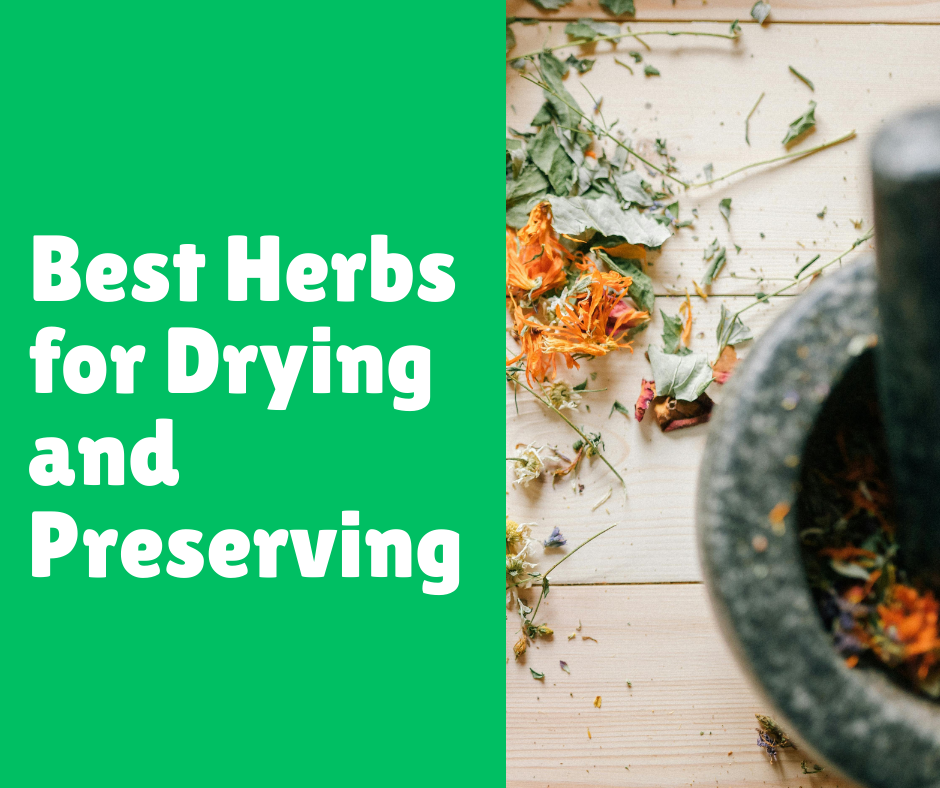
Best Herbs for Drying and Preserving
Post Disclaimer
Content on this site is for educational use only and not a substitute for medical advice. Herbal remedies are based on traditional knowledge and not medical recommendations. Please consult a healthcare professional before trying any herb. We do not assume responsibility for any outcomes or adverse effects resulting from the use of information provided here.
If you’re like me, you’ve probably found yourself standing in your kitchen, staring at a handful of fresh herbs, wondering how you can enjoy their flavor and benefits long after the growing season has ended.
Whether you’re a seasoned gardener or a beginner, growing herbs in your backyard can be a satisfying and rewarding experience. But what if you could extend that satisfaction throughout the year by drying your herbs?
In this article, we’ll explore the best herbs to grow and dry for a year-round supply of fresh flavors, natural remedies, and culinary goodness.
From basil to thyme, we’ll walk through how to grow, harvest, and properly dry these herbs so you can make the most out of your garden.
The Best Herbs to Grow and Dry for Flavor
Herbs add flavor and depth to dishes in ways that salt and spices can’t match. Growing and drying your own herbs means you can have these amazing flavors on hand whenever you need them. Here’s a list of some of the best herbs to grow and dry for the kitchen:
- Basil: A must-have herb for Italian cooking, basil is incredibly versatile. It dries well, retaining much of its flavor, though it can become a bit more potent when dried. Use it in sauces, soups, and pasta dishes.
- Oregano: This herb is one of the most common in Mediterranean cuisine and is perfect for drying. It adds an earthy, slightly bitter flavor to tomato-based dishes, pizzas, and salads.
- Thyme: With its earthy aroma and warm flavor, thyme is one of those herbs that adds a complexity to dishes. Dried thyme works just as well as fresh and can be used in a variety of savory recipes, including stews and roasts.
- Rosemary: A hearty herb that stands the test of time, rosemary is perfect for drying and storing. The dried leaves are perfect for flavoring meats, especially lamb and chicken, or even for making fragrant homemade candles or oils.
- Sage: Known for its medicinal properties, sage is a great herb to dry. It retains its flavor and aroma very well when dried and works wonderfully in poultry dishes, stuffing, and roasted vegetables.
How to Grow and Harvest Herbs
Step 1: Choose the Right Location
Most herbs need full sunlight to thrive, so choose a sunny spot in your garden or on your windowsill. If you’re growing herbs indoors, ensure they get at least 4-6 hours of direct sunlight a day. Herbs such as basil and rosemary thrive in a warm environment, so be mindful of temperature changes.
Step 2: Prepare the Soil
Most herbs prefer well-draining, slightly acidic soil. You can improve your soil by adding organic compost or other amendments. For potted herbs, make sure the pot has drainage holes to prevent water from stagnating at the bottom.
Step 3: Watering
Herbs don’t require too much water. Overwatering can lead to root rot, so let the soil dry out between watering. A good rule of thumb is to water when the top inch of soil feels dry to the touch.
Step 4: Harvesting
Harvest herbs in the morning when their essential oils are most concentrated. Use clean scissors or pruning shears to cut stems, always leaving enough of the plant to keep growing. For basil, remove the flower buds to encourage further growth.
Drying Herbs: The Right Way
Step 1: Harvesting Your Herbs Properly
When it’s time to harvest your herbs, don’t wait too long. Herbs should be dried before they start to flower. Cut the stems at the base, leaving some for regrowth.
Always try to cut in the morning, after the dew has dried but before the midday heat reduces the potency of the oils.
Step 2: How to Dry Herbs
Here are the most common methods to dry your herbs:
- Air Drying: The most common method, especially for herbs like thyme, rosemary, and oregano. Tie them in small bundles and hang them upside down in a warm, dry, and well-ventilated area. Avoid direct sunlight as this can diminish the herb’s flavor. It can take a week or more to dry completely.
- Oven Drying: If you need a faster drying method, the oven can work well. Lay herbs on a baking sheet in a single layer and set the oven to its lowest temperature (around 100-110°F or 38-43°C). Leave the oven door slightly ajar to allow moisture to escape. Check on them every 30 minutes.
- Dehydrator Drying: A food dehydrator is the most efficient way to dry herbs. It provides consistent temperature control and reduces drying time, especially for bulk drying.
Step 3: Storage
Once your herbs are fully dry, store them in airtight containers in a cool, dark place. Glass jars work well, and be sure to label each jar with the herb’s name and date. Dried herbs can last anywhere from 6 months to a year, depending on the herb and storage conditions.
Creative Ways to Use Dried Herbs
Dried herbs are incredibly versatile and can be used in many ways:
- Herb Blends: Combine dried basil, oregano, and thyme to create an Italian seasoning blend. You can make your own curry powder, taco seasoning, or herbal tea blends using dried herbs.
- Homemade Potpourri: Use dried rosemary, lavender, or sage to make potpourri. Simply combine them in a bowl and enjoy their natural scent throughout your home.
- Herbal Teas: Many herbs like mint, chamomile, and lemon balm dry wonderfully for tea. Simply steep the dried leaves in hot water for a refreshing and soothing beverage.
- Herbal Oil or Vinegar: Infuse olive oil or vinegar with herbs like rosemary, thyme, or basil for a flavorful addition to salads or pasta.
Common Mistakes to Avoid When Drying Herbs
While drying herbs is simple, there are a few mistakes that even experienced gardeners make. Let’s go over some common ones:
- Harvesting Too Late: Waiting too long to harvest your herbs can cause them to lose flavor and aroma. Always harvest them at their peak, before they start flowering.
- Over-drying: Leaving herbs to dry for too long can cause them to become brittle and lose their fragrance. Keep an eye on them and check for dryness by gently squeezing the leaves; they should feel crisp but not crumble to dust.
- Storing Herbs in Direct Sunlight: Always store your dried herbs in a dark place. Sunlight will cause the herbs to lose their color and potency much faster.
Conclusion:
Growing and drying your own herbs is an incredibly rewarding experience, and it doesn’t have to be difficult. Whether you want to enhance your meals, create beautiful natural decor, or make your own remedies, the process is straightforward and worth the effort.
So, if you haven’t yet, go ahead and plant your first herb garden, and try your hand at drying your herbs for a flavorful, year-round supply.
Key Takeaways:
- Basil, thyme, rosemary, and oregano are some of the best herbs to grow and dry.
- Use methods like air drying, oven drying, or a dehydrator to preserve your herbs.
- Store dried herbs in airtight containers and use them creatively in your cooking and wellness routines.
Now it’s time for you to try this out! Get your herb garden started, dry your favorite herbs, and feel free to share your experience with me in the comments. If you enjoyed this post, don’t forget to share it with your friends who might also want to try growing their own herbs at home!
FAQs:
1. How long does it take to dry herbs?
It typically takes about 1-2 weeks to air dry herbs, but using an oven or food dehydrator can speed up the process to just a few hours.
2. Can I dry all herbs the same way?
No, different herbs have different moisture contents. While rosemary and thyme dry easily, herbs like basil and mint may require faster drying methods like dehydrators to preserve their flavor.
3. How do I know when my herbs are fully dried?
Your herbs should feel crumbly to the touch and easily break into pieces. If the leaves are still pliable or feel soft, they need more time to dry.
4. How can I tell if my dried herbs have lost their potency?
If your dried herbs don’t have much scent when you rub them between your fingers, they’ve likely lost their potency. Always try to use herbs within 6 months to a year for the best flavor.