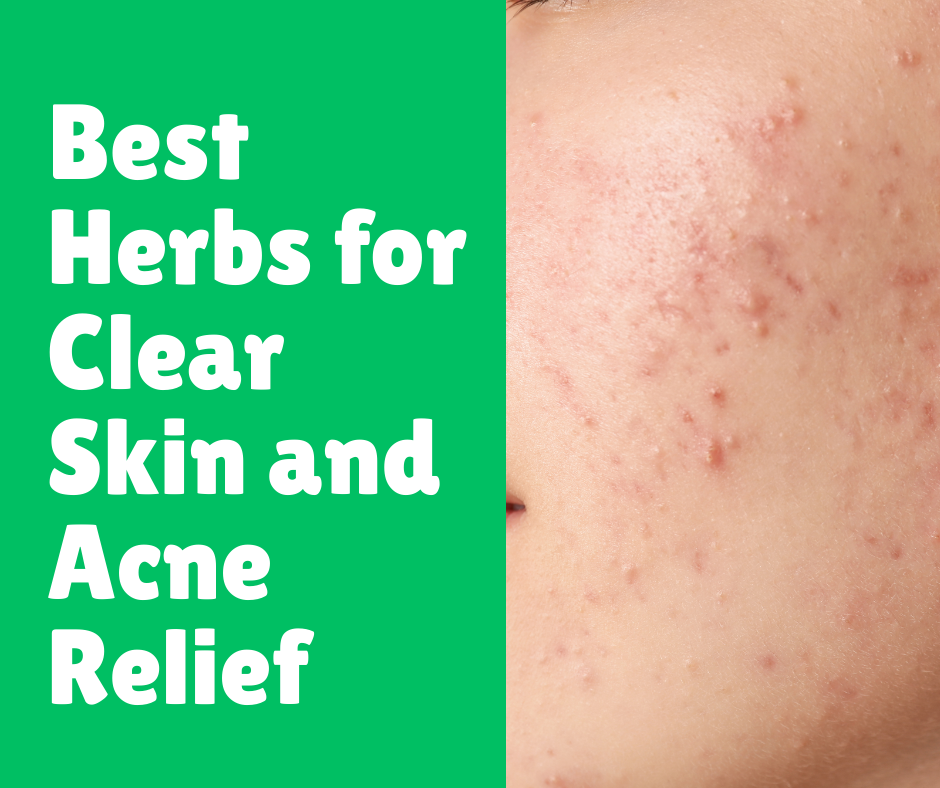
Best Herbs for Clear Skin and Acne Relief
Post Disclaimer
Content on this site is for educational use only and not a substitute for medical advice. Herbal remedies are based on traditional knowledge and not medical recommendations. Please consult a healthcare professional before trying any herb. We do not assume responsibility for any outcomes or adverse effects resulting from the use of information provided here.
Acne, the skin condition that affects millions worldwide, can be frustrating and sometimes even demoralizing. Whether it’s the occasional pimple or persistent breakouts, finding an effective treatment can be an ongoing battle.
While there are countless over-the-counter treatments available, many people are now turning to a more natural solution: herbs.
These ancient plant-based remedies have stood the test of time and are known for their anti-inflammatory, antibacterial, and soothing properties.
But, what if I told you that the solution to your acne might already be growing in your garden or nearby health food store?
The right herbs can help calm your skin, reduce inflammation, and even promote faster healing, all without the harsh chemicals and side effects that often come with commercial treatments.
In this article, we’ll explore the best herbs for acne, how they work, and how you can use them to clear up your skin naturally. Let’s dive into the world of herbal skincare and discover how nature’s power can help transform your complexion.
Understanding Acne: What’s Really Going on With Your Skin?
Before we jump into the herbs, it’s important to understand what’s causing your acne. Acne typically develops when hair follicles become clogged with excess oil, dead skin cells, and bacteria. This creates the perfect environment for inflammation and infection, leading to pimples, blackheads, and cysts.
There are several factors that contribute to acne:
- Hormones: These are often the biggest culprits, particularly during puberty, menstruation, or pregnancy.
- Diet: Certain foods, especially those high in refined sugars and dairy, can trigger acne flare-ups.
- Stress: Stress hormones can increase oil production in the skin.
- Poor Skincare Habits: Not properly cleansing the skin or using harsh products can lead to breakouts.
Now that we have a better understanding of acne, let’s dive into how herbs can help.
The Power of Herbs for Acne: Why Nature’s Remedies Work
Herbs have been used for centuries in various cultures for their medicinal properties. When it comes to acne, herbs offer natural anti-inflammatory, antibacterial, and soothing effects that help heal and protect the skin. Here’s why herbs work:
- Anti-inflammatory properties: Herbs like chamomile and turmeric help reduce redness and swelling, which are common symptoms of acne.
- Antibacterial effects: Herbs like tea tree oil and neem fight the bacteria responsible for acne, preventing new breakouts from forming.
- Rich in antioxidants: Herbs like aloe vera and lavender are packed with antioxidants that help repair damaged skin and promote healing.
- Soothing and cooling: Some herbs, like peppermint, provide a cooling effect that can soothe irritated skin.
Best Herbs for Acne: A Detailed Guide
Let’s take a look at some of the best herbs for acne and how you can use them effectively.
Aloe Vera
Aloe vera is well-known for its soothing properties, making it ideal for calming inflamed skin. It also has antibacterial and anti-inflammatory effects that help treat acne and prevent future breakouts. Aloe vera gel can be applied directly to the skin for a cooling sensation and to reduce redness.
- How to use: Apply fresh aloe vera gel to the affected areas, leave it on for 15-20 minutes, and rinse off with lukewarm water. Repeat this process twice daily for the best results.
Tea Tree Oil
Tea tree oil is one of the most popular herbal remedies for acne. It contains powerful antibacterial compounds that target the bacteria that cause acne. Tea tree oil also has anti-inflammatory properties that help reduce swelling and redness.
- How to use: Dilute tea tree oil with a carrier oil (such as coconut oil or jojoba oil) before applying it to your skin. Apply the diluted oil to affected areas using a cotton swab. Do not use undiluted tea tree oil directly on your skin as it can be too harsh.
Turmeric
Turmeric is often used in traditional medicine for its powerful anti-inflammatory and antioxidant properties. The active compound in turmeric, curcumin, helps reduce inflammation, which is a major contributor to acne flare-ups.
- How to use: Mix turmeric powder with a little water or honey to form a paste. Apply the paste to the affected area, leave it on for 10-15 minutes, and rinse off with lukewarm water. You can also consume turmeric in your diet to help reduce internal inflammation.
Chamomile
Chamomile is a gentle herb known for its calming properties. It helps soothe irritated skin, reduce redness, and alleviate inflammation. Chamomile is especially beneficial for sensitive skin that’s prone to acne.
- How to use: Brew chamomile tea and let it cool. Soak a cotton ball in the tea and apply it to your face for a soothing, cooling effect. You can also apply chamomile extract directly to the skin for similar benefits.
Neem
Neem is a powerful herb used in Ayurvedic medicine for treating acne. It has antibacterial, antifungal, and anti-inflammatory properties that make it effective at reducing acne-causing bacteria and soothing irritated skin.
- How to use: Neem oil can be diluted and applied to acne-prone areas, or you can make a paste from neem powder and water and apply it as a mask for 10-15 minutes.
How to Use Herbs Effectively: Step-by-Step Guide
While using herbs for acne can be highly effective, it’s essential to use them correctly to achieve the best results. Here’s a step-by-step guide to incorporating herbs into your acne skincare routine:
- Patch Test First: Before applying any herb to your skin, it’s important to patch test on a small area to ensure you don’t have an allergic reaction.
- Cleanse Your Skin: Always start with a gentle cleanser to remove dirt, oil, and makeup. This will allow the herbs to penetrate your skin more effectively.
- Apply Herbal Treatment: Choose the herbal remedy that best suits your needs. Apply it to the affected area, whether it’s a face mask, essential oil, or aloe vera gel.
- Leave it on for the Recommended Time: Depending on the herb, you may need to leave it on for a specific amount of time before rinsing it off. Always follow the instructions for the best results.
- Moisturize: After using the herbs, apply a gentle, hydrating moisturizer to keep your skin soft and nourished.
- Consistency is Key: For the best results, use the herbs consistently. It may take a few weeks to see significant improvements, so be patient.
Common Mistakes to Avoid When Using Herbs for Acne
While herbs are a natural and effective way to treat acne, there are a few common mistakes that people often make. Here’s what to avoid:
- Not Diluting Essential Oils: Essential oils like tea tree oil and lavender can be too potent when applied directly to the skin. Always dilute essential oils with a carrier oil to avoid irritation.
- Overusing Herbs: More isn’t always better. Using herbal treatments too frequently or leaving them on for too long can irritate your skin and cause dryness.
- Ignoring Your Diet: While herbs can help clear up acne, they work best when combined with a healthy diet. Avoid processed foods, excess sugar, and dairy to see the best results.
- Being Too Harsh on Your Skin: Over-scrubbing or using abrasive products can worsen acne. Always treat your skin gently, especially when using herbal remedies.
Table: Best Herbs for Acne and Their Benefits
| Herb | Key Benefits & How to Use | Recommended Frequency |
| Aloe Vera | Anti-inflammatory and soothing. Apply fresh gel directly to the skin. | Twice daily |
| Tea Tree Oil | Antibacterial, reduces inflammation. Dilute with carrier oil and apply. | Once or twice daily |
| Turmeric | Anti-inflammatory and antioxidant. Make a paste and use as a face mask. | 2–3 times a week |
| Chamomile | Calming and reduces redness. Apply cooled chamomile tea with a cotton ball. | 2–3 times a week |
| Neem | Antibacterial and anti-inflammatory. Apply neem oil or paste to affected areas. | Once a day |
Conclusion
Herbs for acne are a natural, effective alternative to harsh chemicals and expensive treatments. From aloe vera to turmeric, there’s an herb for every skin type and concern. Remember to use these remedies consistently, avoid common mistakes, and be patient as your skin heals.
The best part? By using herbs, you’re not only treating your acne but also nourishing and protecting your skin with nature’s goodness.
If you’re ready to give herbs a try, start by adding one or two of these remedies to your skincare routine. Be sure to let me know your results in the comments below I’d love to hear about your experiences with herbal skincare!
FAQs about Herbs for Acne
1. Can herbs completely cure acne?
Herbs can help reduce acne, calm inflammation, and prevent new breakouts, but they may not completely eliminate severe acne on their own. A holistic approach including diet, stress management, and a good skincare routine is best.
2. How long does it take to see results from herbal acne treatments?
It can take anywhere from a few weeks to a couple of months to see noticeable results from herbal treatments. Consistency is key!
3. Are there any side effects of using herbs for acne?
While herbs are generally safe, some people may experience allergic reactions. Always do a patch test before using a new herb.
4. Can I use herbal treatments alongside other acne treatments?
Yes, but be cautious about mixing herbs with chemical treatments, as they may interact. Always consult with a dermatologist before combining treatments.
5. Which herb is the most effective for acne?
It depends on your skin type, but tea tree oil and aloe vera are among the most popular and effective herbs for acne treatment.