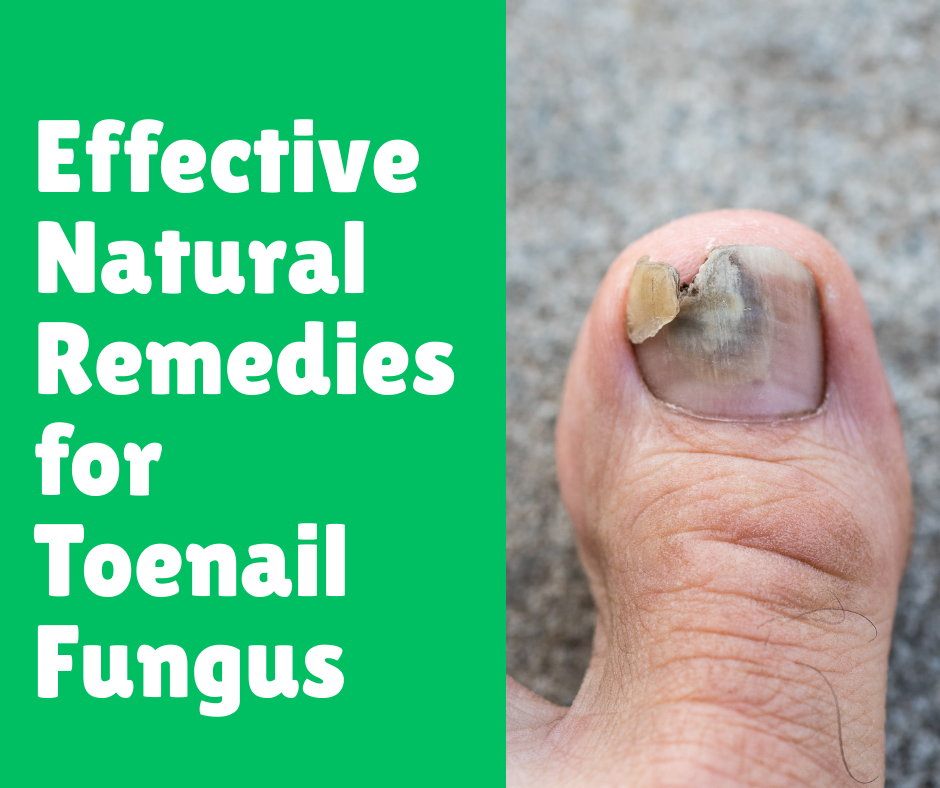
Effective Natural Remedies for Toenail Fungus
Post Disclaimer
Content on this site is for educational use only and not a substitute for medical advice. Herbal remedies are based on traditional knowledge and not medical recommendations. Please consult a healthcare professional before trying any herb. We do not assume responsibility for any outcomes or adverse effects resulting from the use of information provided here.
Toenail fungus might not be a topic people often discuss, but it’s a common issue that many of us have to deal with at some point.
The good news is, you don’t always have to resort to prescription treatments or harsh chemicals. Natural remedies can be surprisingly effective in treating toenail fungus, and they come with the added benefit of being gentle on your skin and body.
In this blog post, I’ll walk you through some of the best natural remedies for toenail fungus that are backed by research and personal experience.
Whether you’re just starting to notice the signs of toenail fungus or have been dealing with it for a while, this guide will provide you with practical, step-by-step solutions that can help you manage and treat the condition naturally.
The Struggle with Toenail Fungus: A Common but Frustrating Issue
Toenail fungus isn’t exactly the most glamorous of problems. It often starts with a little discoloration or thickening of the nail, but over time, it can lead to discomfort, bad odor, and even a complete degradation of the nail.
If you’ve ever had toenail fungus, you probably understand how frustrating it can be to try to get rid of it. Not only does it take time, but it also requires consistency, as fungus tends to grow slowly and is tricky to eradicate.
The good news is that you don’t always need to turn to antifungal medications or expensive treatments.
There are many natural remedies available that you can try at home, which can be both effective and cost-efficient.
1. Tea Tree Oil: A Powerful Antifungal Agent
Tea tree oil is one of the most well-known natural remedies for toenail fungus. It has strong antifungal and antiseptic properties that make it an ideal choice for treating fungal infections on the skin and nails.
In fact, research has shown that tea tree oil can be as effective as some pharmaceutical treatments for toenail fungus, without the harsh side effects.
How to Use Tea Tree Oil for Toenail Fungus:
- Step 1: Clean the affected area thoroughly with soap and water. Dry your foot completely.
- Step 2: Dilute the tea tree oil with a carrier oil (like coconut oil or olive oil) in a 1:1 ratio. Applying undiluted tea tree oil can sometimes irritate the skin.
- Step 3: Use a cotton ball or clean brush to apply the diluted tea tree oil directly to the affected nail and surrounding skin.
- Step 4: Let it dry and leave it on overnight.
- Step 5: Repeat this process twice a day for at least 4–6 weeks, or until the fungus starts to clear up.
I personally love using tea tree oil for toenail fungus. It’s simple, effective, and doesn’t come with the chemical smell or potential side effects of pharmaceutical antifungal treatments. However, I’ve noticed that it can take time to work, so patience is key.
2. Apple Cider Vinegar: A Gentle Antifungal Soak
Apple cider vinegar (ACV) has antifungal and antibacterial properties that can help balance the pH of your skin and create an environment where fungus is less likely to thrive. While ACV may not kill the fungus on its own, it helps to inhibit its growth, making it a great addition to a treatment plan.
How to Use Apple Cider Vinegar for Toenail Fungus:
- Step 1: Mix one part apple cider vinegar with one part warm water in a basin or foot soak.
- Step 2: Soak your feet in the solution for about 15–20 minutes, once or twice a day.
- Step 3: After soaking, dry your feet thoroughly, as moisture can encourage fungal growth.
- Step 4: Repeat this for a few weeks until you start seeing improvements.
ACV is an easy and accessible remedy. I’ve used it myself for minor fungal issues and found it very effective when used consistently. Just be mindful that if you have sensitive skin, you may need to dilute the vinegar more to avoid irritation.
3. Garlic: A Natural Fungicide
Garlic is a powerhouse when it comes to natural remedies. It has antifungal, antimicrobial, and anti-inflammatory properties, making it a great option for treating toenail fungus. Studies have shown that allicin, a compound found in garlic, can inhibit the growth of fungi, including the ones responsible for toenail infections.
How to Use Garlic for Toenail Fungus:
- Step 1: Crush or chop a few cloves of fresh garlic.
- Step 2: Apply the crushed garlic directly to the affected nail and let it sit for about 30 minutes.
- Step 3: Wash the area thoroughly after the application to remove the garlic.
- Step 4: Repeat this process once or twice a day for several weeks.
If you’re not a fan of the garlic smell, another option is to use garlic oil, which can be massaged into the infected nail. I love garlic for many things, including treating fungal infections. Its strong smell can be a bit overwhelming, but it works well if you can tolerate it.
4. Oregano Oil: A Potent Antifungal and Antibacterial Oil
Oregano oil is another essential oil that has powerful antifungal properties. The compound carvacrol, found in oregano oil, has been shown to have strong antifungal and antibacterial effects, making it a great choice for treating toenail fungus.
How to Use Oregano Oil for Toenail Fungus:
- Step 1: Mix a few drops of oregano oil with a carrier oil (such as coconut oil) in a 1:1 ratio.
- Step 2: Apply the diluted mixture to the affected toenail and surrounding skin.
- Step 3: Leave it on for a few hours or overnight.
- Step 4: Repeat daily for several weeks.
I’ve used oregano oil before, and it works quite well. It’s strong, though, so be sure to dilute it properly to avoid irritation. The scent can also be potent, so it’s best to apply it before bed.
5. Coconut Oil: Natural Moisturizer and Fungal Fighter
Coconut oil is known for its moisturizing properties, but it also has antifungal properties due to the presence of lauric acid. This makes it a great option for treating toenail fungus, especially if you’re looking for something that also nourishes and hydrates the skin.
How to Use Coconut Oil for Toenail Fungus:
- Step 1: Clean and dry the affected area.
- Step 2: Apply a thin layer of coconut oil to the infected nail and surrounding skin.
- Step 3: Leave it on for a few hours or overnight.
- Step 4: Repeat the process twice a day, consistently, for several weeks.
Coconut oil is my go-to for all kinds of skin issues. It’s soothing, gentle, and effective in treating mild fungal infections. Plus, it doesn’t have a harsh smell, making it a great option for those who are sensitive to strong scents.
Overview of Natural Remedies for Toenail Fungus
| Natural Remedy | How to Use & Key Benefits | Frequency |
|---|---|---|
| Tea Tree Oil | Mix with carrier oil (1:1), apply to affected area, leave overnight. Antifungal and antiseptic. | Twice daily for 4–6 weeks |
| Apple Cider Vinegar | Mix equal parts ACV and water, soak feet for 15–20 minutes. Balances pH and inhibits fungus. | Soak daily for 15–20 minutes |
| Garlic | Crush cloves, apply to infected nail for 30 minutes, then wash off. Natural fungicide. | Once or twice daily for several weeks |
| Oregano Oil | Mix with carrier oil (1:1), apply to nail, leave on for several hours. Strong antifungal. | Apply daily until improvement is seen |
| Coconut Oil | Apply thin layer to affected area, leave on for hours or overnight. Moisturizing and gentle. | Twice daily for several weeks |
Common Mistakes to Avoid When Treating Toenail Fungus Naturally
While natural remedies can be effective, there are some common mistakes people often make that can hinder progress or worsen the infection. Here are a few things to keep in mind:
1. Not Being Consistent
Toenail fungus can be stubborn, and it can take several weeks or even months to fully clear up. One of the biggest mistakes is not sticking with the treatment long enough. Even if you start to see improvement, it’s essential to continue treatment until the infection is completely gone to prevent it from coming back.
2. Neglecting Proper Foot Hygiene
Treating toenail fungus isn’t just about applying oils and soaks. Good foot hygiene is essential. Make sure to wash and dry your feet regularly, especially after exercise or exposure to moisture. Fungus thrives in damp environments, so keeping your feet dry is key.
3. Overuse of Essential Oils
While essential oils like tea tree oil and oregano oil are effective, using too much or applying them directly without dilution can irritate your skin. Always dilute essential oils with a carrier oil and start with a patch test to ensure you don’t experience any allergic reactions or sensitivity.
Conclusion: Your Path to Healthy, Fungus-Free Toenails
Toenail fungus may be a frustrating condition, but with the right natural remedies, it’s possible to treat and even prevent it.
Whether you choose tea tree oil, apple cider vinegar, garlic, oregano oil, or coconut oil, consistency is key. Natural remedies take time, but they can be just as effective as pharmaceutical treatments without the side effects.
If you’re dealing with toenail fungus, don’t get discouraged. Try out the remedies discussed in this post, and be patient with the process. And remember, maintaining good foot hygiene and keeping your feet dry will help prevent future infections.
FAQs
1. How long does it take for natural remedies to work on toenail fungus?
Natural remedies can take anywhere from 4 to 8 weeks to show noticeable results, depending on the severity of the infection and consistency of treatment.
2. Can I use these remedies for both fingernail and toenail fungus?
Yes, these remedies can work for both toenail and fingernail fungus. Just make sure to adjust the application method for your hands or feet accordingly.
3. Is toenail fungus contagious?
Yes, toenail fungus can spread from person to person through direct contact or by sharing items like shoes, towels, or nail clippers.
4. Can I prevent toenail fungus?
Yes! Keeping your feet clean and dry, wearing breathable shoes, and avoiding walking barefoot in public places like gyms or pools can help prevent toenail fungus.