
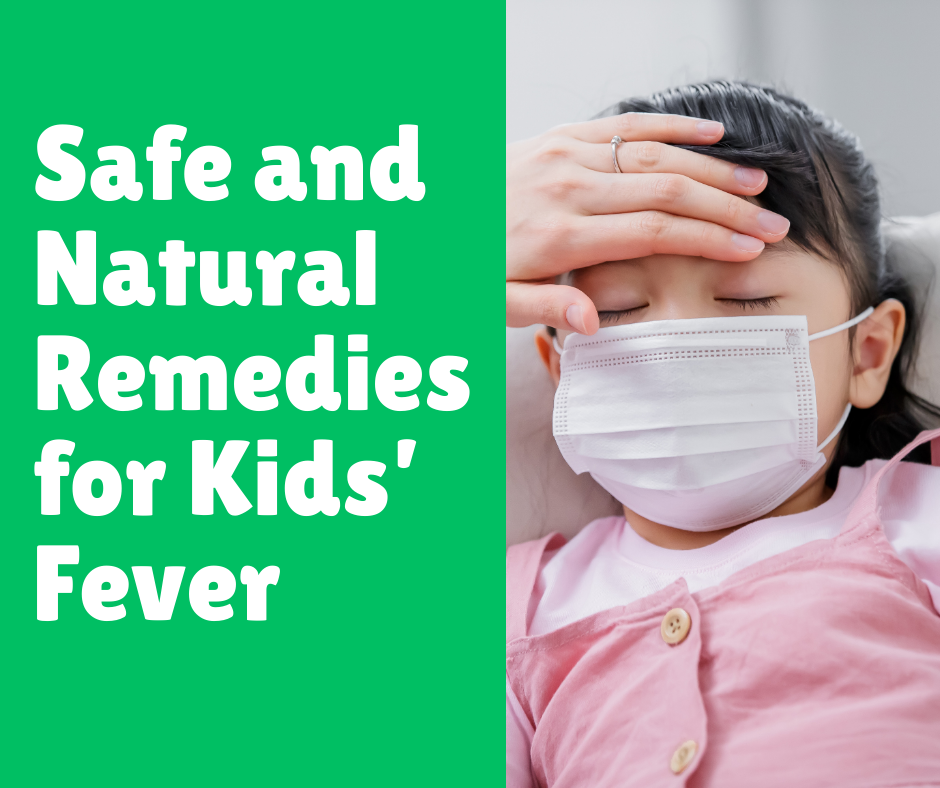
Safe and Natural Remedies for Kids Fever
Post Disclaimer
Content on this site is for educational use only and not a substitute for medical advice. Herbal remedies are based on traditional knowledge and not medical recommendations. Please consult a healthcare professional before trying any herb. We do not assume responsibility for any outcomes or adverse effects resulting from the use of information provided here.
As a parent, there are few things more unsettling than seeing your child unwell. Among the most common childhood ailments, fever often tops the list, and it’s understandable why it worries so many of us.
We want to comfort them, ease their discomfort, and, of course, do everything we can to help them get better.
But what do you do when your little one has a fever, and you prefer natural remedies over medications?
If you’ve found yourself searching for ways to manage a fever in your child without immediately reaching for over-the-counter medications, you’re not alone.
Many parents are turning to nature’s medicine cabinet, seeking out gentle yet effective remedies. Natural solutions are often seen as a safer alternative, especially when they focus on comforting your child and supporting their body’s healing process.
This article will walk you through several natural remedies for kids’ fevers, focusing on what works, what doesn’t, and how you can create a calming, healing environment for your child without relying heavily on pharmaceutical drugs.
I’ll share some tips, personal insights, and step-by-step instructions to help you navigate this common childhood challenge.
Let’s dive in and explore how to manage fever naturally and comfortably for your child.
Hydration: A Key Component in Fever Relief
The first and most important natural remedy for fever is keeping your child hydrated. When a fever hits, the body tends to lose fluids quickly, either through sweating or higher body temperatures. This can lead to dehydration, which can worsen the fever and make your child feel even more uncomfortable.
Why Hydration Matters
Hydration is critical because it helps regulate body temperature, supports the immune system, and prevents dehydration-related complications.
When your child’s body is properly hydrated, it can better regulate their temperature, allowing the fever to break more naturally and without too much distress.
How to Keep Your Child Hydrated During a Fever
- Offer Small Sips Frequently: If your child doesn’t feel like drinking a lot at once, encourage small sips of water, clear broth, or electrolyte solutions throughout the day. Avoid sugary drinks or sodas, as these can worsen dehydration.
- Homemade Electrolyte Drink: You can make a simple, natural electrolyte drink by mixing water with a pinch of sea salt, a splash of lemon juice, and a teaspoon of honey. This helps replace lost minerals and can soothe your child’s throat.
- Popsicles or Ice Chips: If your child is struggling to drink enough fluids, try giving them ice chips or homemade popsicles. They are a fun and effective way to hydrate, especially if your child is too young or too stubborn to drink regularly.
- Coconut Water: Packed with natural electrolytes, coconut water is an excellent alternative to store-bought sports drinks. It’s naturally hydrating and gentle on the stomach.
Remember, a dehydrated child can worsen their fever and become irritable, so it’s crucial to maintain a steady intake of fluids.
Cooling Measures: Helping the Body Regulate Temperature
When your child has a fever, it’s common to want to lower their temperature as quickly as possible. However, it’s important not to try to “shock” their body with extreme cooling measures. Instead, focus on gentle, natural cooling techniques that support the body’s natural process.
How to Naturally Cool a Child with a Fever
- Lukewarm Bath: One of the best ways to help your child feel more comfortable is with a lukewarm bath. Ensure the water is not too cold, as this can cause shivering and raise their temperature even more. Lukewarm water will help lower their body temperature gently.
- Cool Compresses: Apply a cool, damp washcloth to your child’s forehead, back of the neck, and wrists. These areas are particularly effective for cooling because of the many blood vessels close to the surface. You can also try placing the compress on their armpits or behind their knees.
- Wear Lightweight Clothing: Dress your child in lightweight, breathable clothes that won’t trap heat. Avoid bundling them up in too many layers, as this can raise their body temperature further.
- Keep the Room Cool and Well-Ventilated: Make sure your child’s room is well-ventilated, and if possible, use a fan to circulate the air. Avoid hot, stuffy environments that can make the fever worse. A cool room can help the body regulate temperature and provide some comfort.
Herbal Remedies and Teas: Natural Helpers
Herbal remedies have been used for centuries to help manage fevers, soothe discomfort, and support healing. Several herbs and plants have fever-reducing properties that can be effective for children, provided they are used correctly.
Top Herbal Remedies for Fever in Children
- Elderflower: Elderflower has long been used as a natural remedy to reduce fever. It contains compounds that help open up the pores and encourage sweating, which helps the body cool down naturally. Elderflower tea is gentle and safe for children and can be offered once or twice a day.
- Chamomile: Chamomile is another excellent herb for calming a feverish child. Known for its soothing and anti-inflammatory properties, chamomile can be made into a mild tea that can help reduce both fever and anxiety, promoting restful sleep.
- Lemon Balm: Lemon balm has mild sedative properties and is often used to ease restlessness. When consumed as a tea, it can help soothe your child’s body and mind, allowing them to relax and recover more easily. It also has a mild fever-reducing effect.
- Ginger Tea: Fresh ginger is known for its warming and digestive properties. When brewed as a mild tea, ginger can help promote sweating, which can naturally reduce a fever. Be cautious with ginger for younger children, as it can be potent. Use only a small amount and dilute it with honey or lemon to make it more palatable.
How to Prepare Herbal Teas for Children
- For Elderflower Tea: Add 1–2 teaspoons of dried elderflower to a cup of boiling water. Let it steep for 5–10 minutes before straining and offering it to your child. You can sweeten it with a small amount of honey for younger children over 1 year old.
- For Chamomile Tea: Steep 1 teaspoon of dried chamomile flowers in a cup of hot water for 5 minutes. Strain and serve. You can also add a dash of lemon or honey to make it more appealing.
Always consult your pediatrician before giving your child any new herb, especially if they have existing health conditions or are on medications. Use herbal remedies in moderation, and ensure that they are age-appropriate.
Overview of Natural Remedies for Kids Fever
| Remedy | Benefit & Method of Use | Common Mistakes to Avoid |
|---|---|---|
| Hydration (Water, Coconut Water, Electrolyte Drinks) | Prevents dehydration, regulates body temperature. Offer small sips throughout the day. | Avoid sugary drinks; don’t force large amounts at once. |
| Lukewarm Bath | Gently lowers body temperature. Fill tub with lukewarm water and soak for 10–15 minutes. | Avoid cold baths; may cause shivering. |
| Cool Compresses | Soothes fever and discomfort. Apply damp cloth to forehead, neck, and wrists. | Don’t leave compress on too long; may cool too quickly. |
| Elderflower Tea | Promotes sweating and temperature regulation. Steep 1–2 tsp in hot water for 5–10 mins. | Avoid overuse; check for allergies. |
| Chamomile Tea | Calming and anti-inflammatory. Steep 1 tsp in hot water for 5 minutes. | Avoid if allergic to ragweed. |
| Ginger Tea | Supports digestion and promotes sweating. Boil fresh slices for 5 minutes, serve in small amounts. | Use sparingly; may be too strong for young children. |
| Rest and Comfort | Encourages healing. Create a quiet, cozy space with soft bedding and favorite toys. | Don’t pressure sleep; allow natural rest. |
| Lemon Balm Tea | Calms fever symptoms and promotes relaxation. Steep 1 tsp in hot water for 5 minutes. | Avoid overuse in young children or those with sensitive stomachs. |
Rest and Comfort: Allowing Time to Heal
One of the most natural remedies for a child with a fever is rest. During a fever, your child’s body is working hard to fight off infection, and they need ample time to recover. Offering comfort, relaxation, and a cozy environment is key to helping them heal.
Creating a Healing Environment
- Comfortable Resting Space: Set up a comfortable spot for your child to rest. Use pillows, blankets, and their favorite stuffed animals to make them feel secure. A quiet, calm space will help them feel safe and encourage them to rest, which is essential for recovery.
- Soothing Music or Stories: Playing calming music or reading their favorite stories can help distract them from their discomfort and provide some emotional relief.
- Gentle Touch: Sometimes, a simple back rub, hand-holding, or gentle touch can offer your child the comfort they need. Physical closeness helps them feel secure and can help them relax.
- Encourage Restful Sleep: If your child is having trouble falling asleep, help them wind down by dimming the lights, using a soft voice, and ensuring their sleeping environment is cool and quiet.
Common Mistakes to Avoid
- Overcooling the Body: Avoid using ice-cold baths or extreme cooling methods that may cause your child to shiver, as this can raise their body temperature instead of lowering it.
- Ignoring Dehydration: Don’t neglect hydration. Even if your child isn’t feeling thirsty, encourage fluids throughout the day to prevent dehydration.
- Overusing Herbs: While herbs can be helpful, avoid giving your child too much of any herbal remedy. Always stick to the recommended dosage for their age and consult your pediatrician if you’re unsure.
- Rushing to Medicate: While fever-reducing medications can be helpful, they should not be the first line of defense. Allow your child’s body to fight the infection naturally and use medication only when necessary, after consulting with your healthcare provider.
Conclusion
Managing a fever in children can be an emotional and overwhelming experience, but with the right natural remedies, you can help your child feel better and support their healing process. By focusing on hydration, gentle cooling techniques, herbal remedies, and plenty of rest, you can create a comforting environment for your child to recover in.
Remember, fever is a natural defense mechanism, and in most cases, it will pass on its own. If the fever persists or if your child exhibits any concerning symptoms, always seek medical advice from your healthcare provider.
Now that you’re equipped with these natural remedies, I encourage you to try them the next time your child has a fever. Keep it simple, stay calm, and give your child the comfort they need to heal.
If you have any personal experiences or remedies that have worked for you, I’d love to hear about them in the comments! Share your thoughts, and let’s support each other in navigating the ups and downs of parenting.
FAQs
- Is it safe to use natural remedies for a high fever?
Natural remedies are safe for mild fevers but should not replace medical advice for high or persistent fevers. Always consult a healthcare provider if your child’s fever exceeds 104°F or lasts for more than a few days. - At what temperature should I be concerned about my child’s fever?
If your child’s fever reaches 104°F (40°C) or higher, it’s important to seek medical attention. Additionally, if your child is younger than three months, any fever should be taken seriously. - Can I use essential oils for fever in kids?
Some essential oils, like lavender or chamomile, can be used for relaxation and comfort, but they should be used sparingly and with care. Always dilute essential oils and consult your pediatrician first. - What should I avoid when treating a fever naturally?
Avoid cold compresses that may cause shivering, overuse of herbs, and neglecting hydration. It’s also important not to suppress the fever too quickly, as it’s a natural part of the healing process.