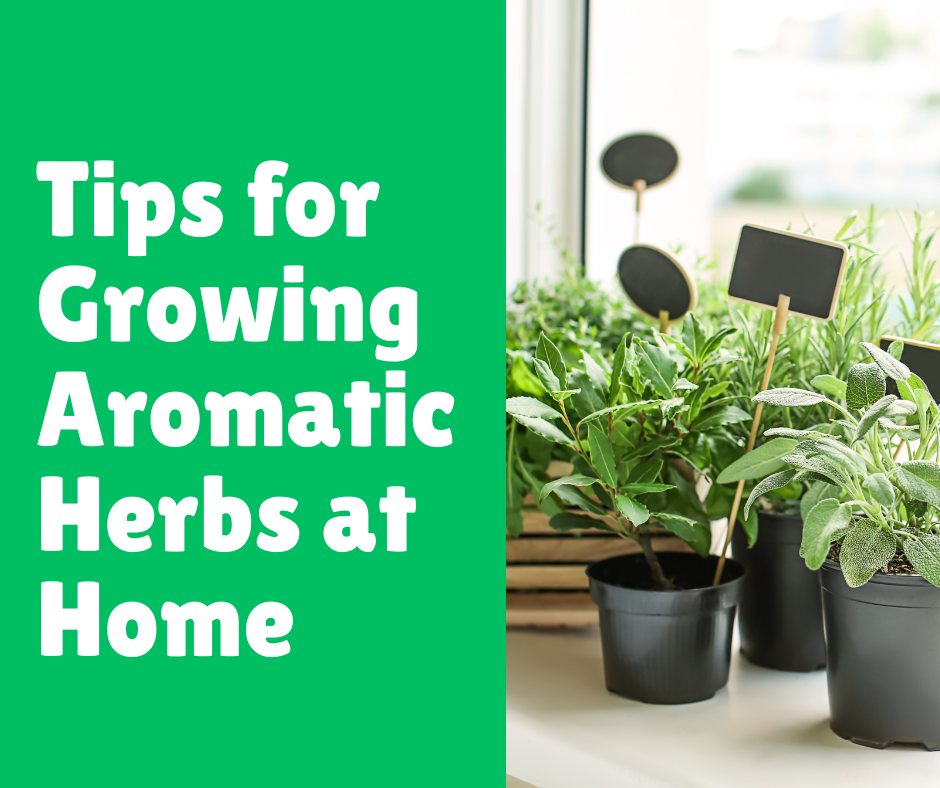
Tips for Growing Aromatic Herbs at Home
Post Disclaimer
Content on this site is for educational use only and not a substitute for medical advice. Herbal remedies are based on traditional knowledge and not medical recommendations. Please consult a healthcare professional before trying any herb. We do not assume responsibility for any outcomes or adverse effects resulting from the use of information provided here.
Imagine stepping into your garden, the air filled with the intoxicating scents of fresh rosemary, basil, and thyme.
Whether you’re an experienced gardener or just starting out, growing aromatic herbs can be a deeply satisfying and rewarding experience.
Not only do these herbs elevate your cooking, but they also add a delightful fragrance to your outdoor space. In this guide, we’ll explore how to successfully grow aromatic herbs at home.
Have You Ever Wondered How to Grow Your Own Fresh Herbs?
If you’ve ever thought about growing your own aromatic herbs but didn’t know where to start, you’re not alone!
Many people are intimidated by the idea of herb gardening, fearing they might not have a green thumb.
However, growing herbs is surprisingly easy, and with just a few simple steps, you can have fresh, aromatic herbs right at your fingertips. So, how do you begin?
In this post, I’ll take you through everything you need to know about growing aromatic herbs from choosing the right herbs for your garden to caring for them and harvesting them at their peak. Let’s dive in!
Choosing the Right Herbs for Your Garden
| Herb | Culinary & Wellness Uses | Growing Tips |
|---|---|---|
| Basil | Italian cuisine, pesto, salads, sauces | Prefers full sun and well-drained soil |
| Rosemary | Roasts, grilled meats, Mediterranean dishes | Thrives in hot, dry conditions with well-drained soil |
| Mint | Tea, desserts, cocktails, salads | Grows well in partial shade; spreads quickly |
| Thyme | Soups, roasts, stews, marinades | Prefers full sun and well-drained soil |
| Lavender | Aromatherapy, baked goods, infusions | Prefers dry, sandy soil and full sun |
| Sage | Meat dishes, soups, herbal teas | Thrives in full sun with well-drained soil |
The first step to a successful herb garden is selecting the right herbs to grow. When it comes to aromatic herbs, the options are almost endless! Below, I’ll outline some of the most popular aromatic herbs to grow, along with their unique characteristics and uses.
Popular Aromatic Herbs
Each of these herbs has its own unique growth needs, but the good news is that most of them are easy to grow and maintain. The key is to know where to plant them, how to care for them, and which herbs you’ll use most often in your kitchen.
How to Choose the Right Herbs
When selecting herbs, consider these factors:
- Climate: Does your climate suit the herb you’re planning to grow? For example, rosemary thrives in warm, dry climates, while mint is more adaptable and can even grow in partial shade.
- Space: Some herbs like mint can become invasive, so you might want to plant them in containers or designated garden beds.
- Use: Consider how often you’ll use the herbs. If you love Italian cooking, basil and oregano will be essential. If you enjoy tea, mint and chamomile are great choices.
Creating the Perfect Growing Environment
Now that you know which herbs you want to grow, the next step is creating the perfect environment for them. Aromatic herbs, while relatively easy to grow, do have some specific requirements.
Light Requirements
Most aromatic herbs need plenty of sunlight to grow strong and flavorful. Ideally, your herb garden should receive at least 6 to 8 hours of direct sunlight each day. Some herbs, like mint and parsley, can tolerate a bit of shade, but the majority prefer the sun.
Soil Preparation
Well-drained soil is essential for aromatic herbs. These herbs do not like to sit in waterlogged soil, which can cause their roots to rot. If you’re planting in garden beds, add organic matter like compost to improve the soil structure. For container gardening, use a good-quality potting mix that drains well.
Temperature and Humidity
Aromatic herbs generally prefer warm conditions. Most of them thrive in temperatures between 65°F and 75°F (18°C to 24°C). If you live in a cooler climate, you may want to grow herbs indoors or in containers that you can bring inside during the colder months.
Watering Needs
While herbs need regular watering, they don’t like to be overwatered. Let the top inch or two of soil dry out between waterings. It’s best to water deeply, ensuring the water reaches the roots, rather than watering lightly and frequently. Overwatering is a common mistake, so make sure your pots or garden beds have good drainage.
Planting and Caring for Your Herbs
Once you’ve set up the perfect environment for your herbs, it’s time to plant them! Here’s a step-by-step guide to planting and caring for your aromatic herbs:
1. Planting Seeds or Starter Plants
- Seeds: Start seeds indoors 6-8 weeks before the last frost. Follow the seed packet’s instructions on planting depth and spacing.
- Starter Plants: If you’re in a hurry or want to skip the seed-starting process, you can purchase starter plants from your local nursery. These are a great option if you’re new to gardening.
2. Spacing
Make sure to give your herbs enough space to grow. Herbs like basil and mint need more room to spread out, while others, like thyme, can be planted closer together. Check the plant label or seed packet for recommended spacing.
3. Watering and Fertilizing
- Watering: As mentioned, avoid overwatering. Keep the soil evenly moist but not soggy.
- Fertilizing: Herbs generally don’t need heavy fertilization. In fact, too much fertilizer can lead to weak growth. Use a balanced, slow-release fertilizer or organic compost if needed.
4. Pruning and Harvesting
Regular pruning encourages new growth and prevents your herbs from becoming leggy. For herbs like basil, pinch off the flowers to promote leaf growth. Harvest leaves regularly for culinary use, but never cut more than one-third of the plant at a time.
5. Pest and Disease Control
Keep an eye out for pests like aphids, slugs, and spider mites. If you spot any, treat your herbs with organic insecticidal soap or neem oil. Make sure the leaves are dry before applying any treatments, and always follow the product’s instructions.
Common Mistakes to Avoid When Growing Aromatic Herbs
While growing aromatic herbs is relatively easy, there are some common mistakes that can hinder your garden’s success. Here are a few things to watch out for:
1. Overwatering
One of the biggest mistakes I see is overwatering herbs. Herbs like rosemary and thyme thrive in dry conditions, and soggy soil can lead to root rot. Always let the soil dry out between waterings.
2. Wrong Sunlight
Not all herbs need full sun, but most do. If you plant your herbs in a shaded spot when they require more sun, they’ll grow slowly and weakly. Make sure to plant herbs like basil and rosemary in a sunny spot.
3. Under-Pruning
Pruning isn’t just about aesthetics— it’s crucial for encouraging healthy growth. Failing to prune your herbs regularly can result in leggy, unproductive plants. Make sure to pinch off the tips and harvest often.
4. Planting Invasive Herbs in the Wrong Space
Mint is an invasive herb that can spread quickly, taking over your garden. If you plant mint in your main garden bed, it will likely crowd out other plants. Consider planting it in a container or confined space.
Harvesting and Storing Aromatic Herbs
The key to enjoying fresh herbs year-round is learning how to properly harvest and store them.
1. When to Harvest
The best time to harvest most herbs is in the morning, after the dew has dried but before the sun gets too hot. This is when the oils in the leaves are at their peak.
2. How to Harvest
For herbs like basil and mint, snip off the leaves just above a leaf node. For woody herbs like rosemary, use pruning shears to cut a few sprigs at a time.
3. Storing Fresh Herbs
If you’re not using your herbs immediately, you can store them in the refrigerator. Place the stems of herbs like basil and rosemary in a glass of water (like a bouquet) and cover them loosely with a plastic bag. For others, like thyme, wrap them in a damp paper towel and store them in a plastic bag.
4. Drying Herbs
If you want to store your herbs for the long term, drying is the best method. Tie the stems of herbs like sage, thyme, and rosemary in small bundles and hang them upside down in a dry, dark place. Once dried, store them in airtight containers.
Conclusion
Growing aromatic herbs at home is not only simple but also incredibly rewarding. Whether you’re cultivating them for culinary use or simply to enjoy their fragrance, these herbs will bring a fresh, natural touch to your garden or windowsill.
By choosing the right herbs, creating the perfect growing environment, and avoiding common mistakes, you’ll be on your way to having your own thriving herb garden.
Now it’s time to get your hands dirty! Start planting your aromatic herbs today, and let me know how it goes in the comments below. What herbs will you grow in your garden?
FAQs
Q: Can I grow herbs indoors?
Yes, many herbs like basil, mint, and parsley can be grown indoors, especially if you have a sunny windowsill. Just make sure they get plenty of light.
Q: How often should I water my herbs?
Water your herbs when the top inch of soil feels dry. Be careful not to overwater, as this can lead to root rot.
Q: Can I grow herbs from seeds or should I buy starter plants? Both options are valid! Growing from seed takes more time and effort, but it’s a rewarding process. Starter plants give you a head start if you want quicker results.