
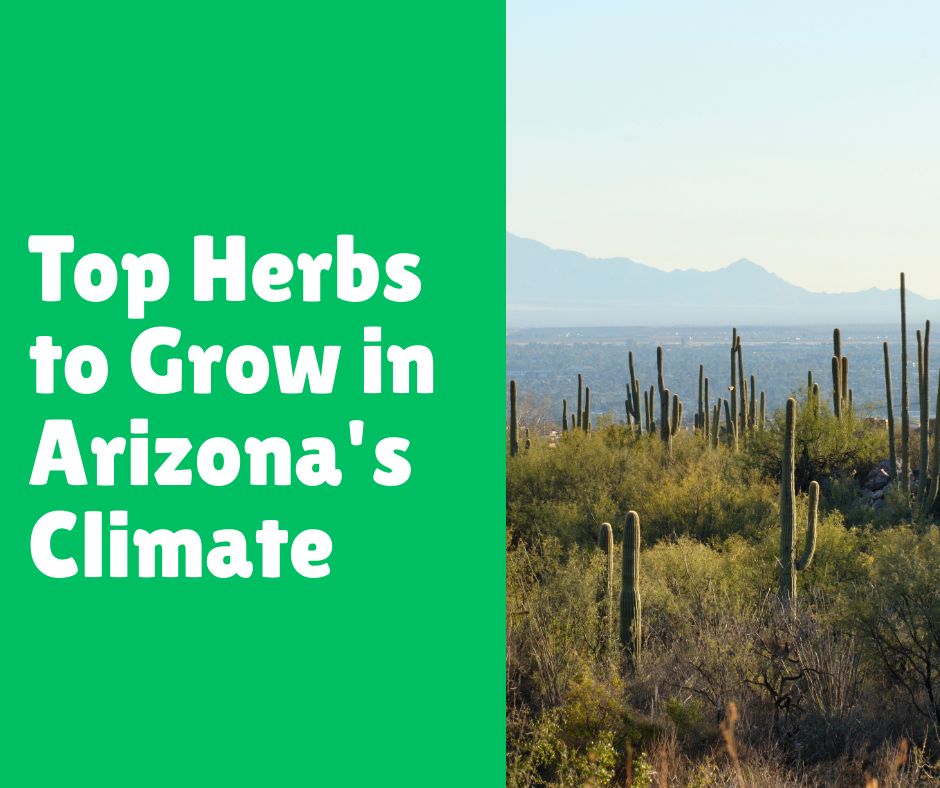
Top Herbs to Grow in Arizona’s Climate
Post Disclaimer
Content on this site is for educational use only and not a substitute for medical advice. Herbal remedies are based on traditional knowledge and not medical recommendations. Please consult a healthcare professional before trying any herb. We do not assume responsibility for any outcomes or adverse effects resulting from the use of information provided here.
Growing herbs in Arizona presents a unique challenge, but also a rewarding experience for any garden enthusiast.
If you’ve ever tried growing herbs in the desert heat, you might have found yourself frustrated by wilted leaves, dry soil, and a lack of success with traditional gardening methods.
But here’s the thing: Arizona’s climate is not a barrier to growing herbs it’s a chance to get creative and find the right plants that thrive in these conditions.
Have you ever wondered which herbs would thrive in Arizona’s extreme temperatures and dry environment? You’re not alone.
Whether you’re a seasoned gardener or just starting out, finding the best herbs to grow in this arid environment can be both exciting and challenging.
In this guide, I’ll share the top herbs that will flourish in Arizona’s heat, along with tips on how to successfully grow them, common mistakes to avoid, and much more.
Best Herbs to Grow in Arizona
Arizona’s climate is hot, dry, and sunny, but there are plenty of herbs that thrive in these conditions. Here’s a list of some of the most reliable herbs you can grow in Arizona’s garden-friendly climate:
1. Basil
Basil is a fan favorite in kitchens everywhere and it’s no surprise it thrives in Arizona. Known for its fragrant leaves and culinary versatility, basil does best in full sun and well-draining soil. Arizona’s intense sunlight actually benefits basil, as long as it’s watered properly.
Growing Tip: Plant basil in a spot that gets at least 6-8 hours of direct sunlight a day. Water it consistently, but avoid over-watering as basil doesn’t like sitting in soggy soil.
2. Thyme
Thyme is a hardy herb that’s well-suited to Arizona’s climate. It requires minimal maintenance, which makes it perfect for beginners. Thyme’s woody, aromatic leaves are a great addition to many dishes, and its drought tolerance makes it a favorite for dry, desert climates.
Growing Tip: Choose a location with well-draining soil and full sun. Water thyme moderately, ensuring the soil dries out between watering.
3. Oregano
Oregano is another herb that loves Arizona’s hot summers. This perennial herb can tolerate the dry desert heat and still flourish with a little care. Oregano is also a wonderful addition to any garden, especially for those who enjoy Mediterranean cuisine.
Growing Tip: Oregano grows best in full sun and well-drained soil. Once established, it’s quite drought-tolerant, but make sure to water it regularly until it’s established.
4. Rosemary
Rosemary is a Mediterranean herb that thrives in Arizona’s hot climate. It’s known for its fragrant, evergreen leaves that can be used in a variety of dishes. Rosemary also has the added benefit of being drought-resistant, making it perfect for Arizona gardeners.
Growing Tip: Rosemary needs full sun and well-drained soil. This herb prefers to dry out between watering, so avoid over-watering.
5. Sage
Sage is another herb that does incredibly well in Arizona’s climate. This herb can tolerate the extreme temperatures of summer and is resistant to drought. Its aromatic, silvery-green leaves are perfect for seasoning meats, soups, and stews.
Growing Tip: Plant sage in a spot that receives plenty of sun. Once established, it requires very little water, making it a low-maintenance herb for the desert garden.
Table: Herb Growth Requirements in Arizona
| Herb | Sunlight, Water & Soil Needs | Best Season & Success Tips |
|---|---|---|
| Basil | Full sun (6–8 hrs/day); moderate watering; well-draining, slightly acidic | Spring–Summer; provide afternoon shade in heat, water consistently |
| Thyme | Full sun; low water; well-draining sandy or loamy soil | Spring–Fall; minimal water once established, trim regularly |
| Oregano | Full sun; low water; slightly alkaline, well-draining soil | Spring–Fall; allow soil to dry, prune to prevent legginess |
| Rosemary | Full sun; low water; slightly acidic, well-draining soil | Year-round (best in spring); protect from frost, deep but rare watering |
| Sage | Full sun; low water; sandy or loamy, well-draining soil | Spring–Fall; water sparingly, trim to keep compact |
Key Factors for Growing Herbs in Arizona’s Climate
Arizona’s unique climate requires a little extra thought when planning your herb garden. While growing herbs in the desert may seem challenging, once you understand the basics, you’ll be amazed at how many herbs can thrive here. Here are some key factors to keep in mind:
1. Sunlight
Arizona is known for its intense sunlight, which can be both a blessing and a curse for gardeners. Most herbs love sunlight, but too much direct sun during the peak summer months can cause some herbs to wilt or dry out. Make sure you plant herbs that are heat-tolerant, such as basil, thyme, and rosemary.
Tip: During the hottest months, provide some afternoon shade for delicate herbs like basil and mint, especially if you live in lower elevations.
2. Soil
Arizona’s soil can be very sandy and well-draining, which is great for many herbs. However, some herbs like mint and basil prefer rich, loamy soil. To make the most of your garden, you may need to amend the soil with compost or organic matter to retain moisture and provide nutrients.
Tip: Use raised garden beds or containers to control the quality of the soil, especially in areas with poor soil.
3. Watering
One of the biggest challenges for Arizona gardeners is the intense heat and dry air. Herbs in Arizona need consistent watering, but it’s crucial not to over-water them. Many herbs, such as thyme, oregano, and rosemary, prefer to dry out between waterings. Over-watering can lead to root rot, so always check the soil before adding water.
Tip: Consider using a drip irrigation system to ensure your herbs get a steady and efficient supply of water.
4. Wind Protection
The strong winds that often accompany Arizona’s desert climate can damage delicate herbs. If your garden is exposed to wind, you may want to install some windbreaks or protective barriers to help shield your plants.
Tip: For pots or raised beds, place them near a fence or wall to protect the plants from harsh winds.
Growing Herbs in Containers vs. Garden Beds
When growing herbs in Arizona, gardeners often face the decision of whether to grow in containers or in the ground. Both methods have their benefits, but choosing the right option depends on your space, resources, and preferences.
1. Container Gardening
Growing herbs in containers is perfect for those with limited space or those who want the flexibility to move their herbs around. Arizona’s intense sun can be too much for some herbs, and with containers, you can move them to a shadier spot during the hottest part of the day.
Benefits of Container Gardening:
- Flexibility to move plants as needed.
- Less space required.
- Easier control over soil quality and watering.
Growing Tip: Make sure your containers have drainage holes to prevent water from accumulating and causing root rot.
2. Garden Beds
Growing herbs in garden beds allows them to spread and grow freely. If you have the space, garden beds provide a more natural environment for herbs to thrive, especially for those like oregano and rosemary that prefer to be left to their own devices.
Benefits of Garden Beds:
- Larger growing space for herbs to spread.
- Easier to grow multiple types of herbs together.
- More stable soil conditions.
Growing Tip: Create raised garden beds if your soil isn’t ideal. Arizona’s clay and rocky soils can be challenging for some herbs, and raised beds will help ensure your herbs thrive.
Common Mistakes to Avoid in Arizona Herb Gardening
Even experienced gardeners can make mistakes when gardening in Arizona’s hot and dry climate. Here are some common pitfalls to avoid when growing herbs in Arizona:
1. Over-watering
Many gardeners think that Arizona’s heat means plants need to be watered constantly. However, most herbs prefer their soil to dry out between waterings. Over-watering can cause root rot and lead to unhealthy plants.
Mistake to Avoid: Watering herbs daily. Instead, check the soil moisture and water only when it feels dry a few inches down.
2. Planting Inappropriate Herbs
Some herbs, like mint, may struggle to grow in Arizona’s extreme temperatures. While mint is a hardy herb, it thrives in cooler climates. Choose herbs that are suited to the desert heat, such as thyme, basil, and sage.
Mistake to Avoid: Planting delicate herbs that need cooler temperatures, such as cilantro or parsley, without taking proper care to protect them from the heat.
3. Ignoring Wind Protection
Arizona’s strong desert winds can dry out and damage delicate herbs. Always provide wind protection, whether it’s from a wall, fence, or other structures.
Mistake to Avoid: Failing to protect herbs from harsh winds, especially in more exposed areas of your garden.
Conclusion: Your Arizona Herb Garden Awaits
Growing herbs in Arizona may seem intimidating, but with the right approach and knowledge, you can create a thriving herb garden that can withstand the desert heat.
By selecting heat-tolerant herbs like basil, oregano, and rosemary, and by following the tips shared in this guide, you’ll be well on your way to enjoying fresh herbs year-round.
So, what’s stopping you from starting your herb garden today? Grab a few pots or create a garden bed, and get planting! Let us know in the comments what herbs you plan to grow, or share your gardening tips with others!
FAQs
Q1: What herbs can grow in Arizona’s low desert regions?
A1: In the low desert regions of Arizona, herbs like rosemary, thyme, oregano, basil, and sage do especially well. These herbs are drought-tolerant and thrive in Arizona’s intense sun.
Q2: How often should I water my herbs in Arizona?
A2: The key is not to over-water. Arizona’s dry climate means that most herbs need watering once the top few inches of soil feel dry. Use a drip irrigation system for efficient watering.
Q3: Can I grow herbs indoors in Arizona?
A3: Yes! Growing herbs indoors can be a great option, especially during the hottest months. Make sure they receive plenty of light, ideally from a south-facing window, and water them carefully.