
A Butterfly Buffet: Outdoor Herbs That Attract Butterflies
Post Disclaimer
Content on this site is for educational use only and not a substitute for medical advice. Herbal remedies are based on traditional knowledge and not medical recommendations. Please consult a healthcare professional before trying any herb. We do not assume responsibility for any outcomes or adverse effects resulting from the use of information provided here.
I remember the first time I saw a Monarch butterfly land on the dill in my little container garden. It felt like magic. For a moment, my cluttered apartment balcony transformed into a tiny piece of a wild meadow. I was completely hooked.
It wasn’t about having a huge, perfectly manicured lawn; it was about creating a small, living ecosystem. If you’ve ever wanted to invite these colorful, winged visitors into your yard, I have some good news: you don’t need a massive flower bed. All you need are the right herbs.
Turning your garden into a butterfly hotspot is surprisingly easy and comes with a fantastic bonus you get a supply of fresh herbs for your kitchen! It’s a true win-win. Many of the herbs we love for their scent and flavor are also irresistible to butterflies, both as a source of nectar for adults and as host plants for their caterpillars.
In this guide, I’ll walk you through everything you need to know. We’ll cover the best herbs to plant, how to create a butterfly-friendly environment, and even some common mistakes I’ve made so you can avoid them. Let’s get our hands dirty and create a garden that’s buzzing with life.
Why Butterflies Love Herbs (It’s Not Just for Garnishes)
So, what’s the big deal with herbs? Why do butterflies flock to them? It boils down to two main things: nectar for the adults and food for their young (caterpillars). A successful butterfly garden provides for the entire life cycle, and herbs are brilliant at doing just that.
Nectar: The Adult Butterfly’s Energy Drink
Adult butterflies are powered by nectar, a sugary liquid produced by flowers. They aren’t just sipping randomly; they are drawn to specific types of flowers.
- Flower Shape: Butterflies use a long, straw-like tongue called a proboscis to drink. They prefer flowers that are flat-topped or clustered, providing a convenient landing pad. Think of herbs like dill, fennel, and yarrow, which have broad, umbrella-like flower heads.
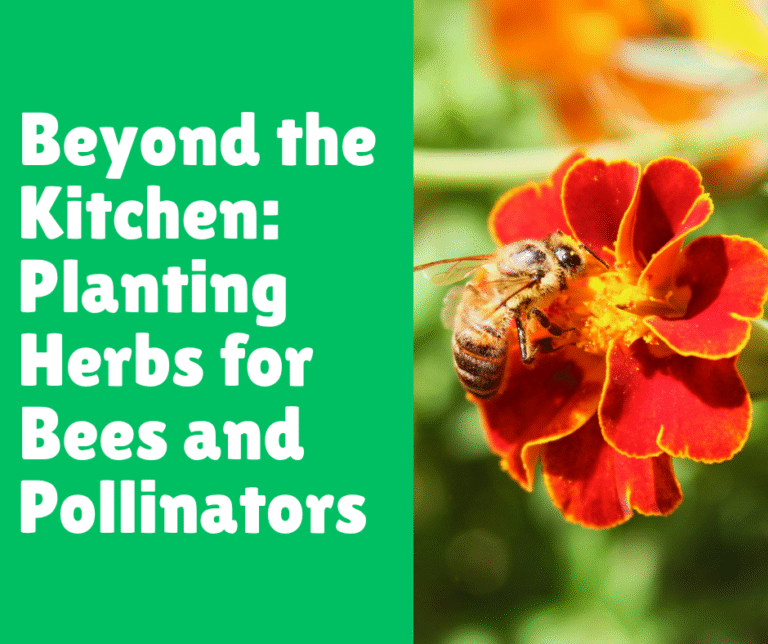
- Color Cues: Butterflies are attracted to bright colors, especially purple, pink, yellow, and orange. Many herbs, like lavender, chives, and bee balm, produce flowers in these exact shades.
- Scent: The strong, aromatic oils in herbs that we find so appealing are also a powerful signal to butterflies, guiding them to a food source from a distance.
Host Plants: A Caterpillar’s First Meal
This is the part many new gardeners overlook. Adult butterflies are actively searching for the perfect place to lay their eggs. Caterpillars are notoriously picky eaters; most species will only eat the leaves of one or a few specific types of plants. These are called host plants.
If you only plant for nectar, the butterflies will visit for a meal and then leave. But if you provide host plants, they will stick around, lay eggs, and you’ll get to witness the entire fascinating life cycle. And guess what? Many of our favorite culinary herbs are essential host plants for some of the most beautiful butterflies.
Top Herbs to Create Your Butterfly Haven
Ready to start planting? Here are my tried-and-true favorite herbs that are practically guaranteed to bring butterflies to your yard. I’ve broken them down by their primary role, but remember, many of these are fantastic dual-purpose plants.
For Nectar and Gorgeous Blooms
These herbs produce abundant, nectar-rich flowers that will have adult butterflies making a beeline for your garden.
- Bee Balm (Monarda): The name says it all! While it’s a favorite of bees, bee balm is also a butterfly magnet. Its unique, spiky flower heads in shades of red, pink, and purple are perfect for butterflies to perch on. It’s a member of the mint family, so give it some room to spread or plant it in a container. I learned that the hard way when it tried to take over my entire perennial bed one year!
- Anise Hyssop (Agastachefoeniculum): If I had to pick just one herb for attracting pollinators, this might be it. The tall spikes of purple flowers bloom for weeks on end, and they are constantly buzzing with activity. It has a lovely licorice-mint scent and is incredibly low-maintenance.
- Lavender (Lavandula): Is there any garden that doesn’t benefit from lavender? Its iconic purple spikes and calming scent are a garden classic for a reason. Butterflies, especially smaller varieties like Skippers, absolutely adore it. Just be sure to give it full sun and well-drained soil—lavender hates having wet feet.
- Chives (Allium schoenoprasum): Don’t be so quick to harvest all your chives! Let some of them flower. Those globe-like purple blossoms are a fantastic early-season nectar source. Both onion chives and garlic chives are great choices. Plus, they’re one of the first things to pop up in the spring, offering food when little else is blooming.
For Hosting the Next Generation
These herbs are the MVPs of the butterfly world, serving as critical host plants for caterpillars. Planting these is like rolling out the red carpet for butterflies to raise their families.
- Dill (Anethumgraveolens): This is the number one host plant for the Black Swallowtail butterfly. If you plant dill, they will come. You’ll find their striking green, black, and yellow striped caterpillars munching away on the fronds. My personal rule is to plant twice as much as I need: some for the kitchen, and some for the caterpillars. Trust me, it’s worth it.
- Fennel (Foeniculumvulgare): Similar to dill, fennel is another favorite of Black Swallowtails. Both the common green-leafed fennel and the gorgeous ‘Bronze’ fennel work perfectly. The bronze variety is especially stunning in the garden and its dark color makes the caterpillars easy to spot.
- Parsley (Petroselinumcrispum): That humble bunch of parsley you use as a garnish? It’s also a Black Swallowtail host plant! Both flat-leaf (Italian) and curly parsley will work. I like to tuck a few parsley plants in among my flowers just for the butterflies.
- Milkweed (Asclepias): Okay, so this one is technically a wildflower, but it’s so important I have to include it. Milkweed is the only host plant for the Monarch butterfly caterpillar. No milkweed, no Monarchs. It’s that simple. There are many varieties, like Common Milkweed, Swamp Milkweed, and the beautifully orange Butterfly Weed (Asclepiastuberosa). Planting any native milkweed is one of the single most important things you can do for this iconic species.
Step-by-Step: Designing Your Butterfly Herb Garden
You don’t need a landscape architect to design a garden that butterflies will love. A few thoughtful choices are all it takes.
Step 1: Location, Location, Location
Butterflies are cold-blooded and need the sun to warm their flight muscles.
- Choose a sunny spot: Aim for a location that gets at least 6-8 hours of direct sunlight per day.
- Provide shelter from the wind: A fence, a wall, or a line of taller shrubs can create a calm, protected area where butterflies can feed without being tossed around by the wind.
Step 2: Plant in Groups
Butterflies find flowers more easily when they are planted in large drifts or clusters. Instead of planting one lavender plant here and one dill plant there, plant a group of 3-5 of the same herb together. This creates a bigger visual target and a more concentrated scent. It looks better from a design perspective, too!
Step 3: Plan for Continuous Blooms
To keep the butterflies coming back all season, you need to provide a continuous food source.
- Spring: Chives and the first flush of parsley will be active.
- Summer: This is peak season! Bee balm, dill, fennel, lavender, and anise hyssop will all be in full swing.
- Fall: Anise hyssop and some varieties of fennel will continue to bloom late into the season, providing crucial food for migrating butterflies like Monarchs.
Step 4: Add a Puddling Spot
Have you ever seen a group of butterflies gathered on a patch of damp soil? This is called “puddling.” They are extracting salts and minerals from the mud. You can easily create a puddling station for them.
Simply fill a shallow dish or plant saucer with sand, place it in your garden, and keep it consistently damp (not full of water). You can even add a pinch of sea salt or compost to the sand to make it extra attractive. It’s a small touch that makes a huge difference.
Common Mistakes to Avoid (That I Totally Made)
We all make mistakes. It’s how we learn! Here are a few blunders I made in my early butterfly gardening days so you can skip right past them.
- Using Pesticides. This is the biggest and most important mistake to avoid. Even organic pesticides can be harmful to caterpillars and adult butterflies. A garden that’s a little bit “wild” and has a few munched leaves is a healthy, living garden. Embrace the imperfections! If you see caterpillars on your host plants, that’s a success, not a pest problem.
- “Cleaning Up” Too Much. Don’t be too quick to deadhead your host plants like dill and fennel. Once the caterpillars are done eating, they will often form their chrysalis right on the plant stems. If you tidy up too early, you could be throwing away the next generation of butterflies. Wait until you’re absolutely sure the chrysalises have emerged.
- Forgetting About Water. While herbs need good drainage, butterflies need water. A birdbath with some stones for perching or your dedicated puddling station is essential, especially during hot, dry spells. A parched garden is not an inviting garden.
- Planting Only for Looks. It’s easy to get seduced by big, showy hybrid flowers. But did you know that many of these have been bred for so many petals that butterflies can’t actually access the nectar? Stick with single-petal, heirloom, or native varieties whenever possible. When it comes to herbs, their simple, open flowers are often the best choice.
Conclusion: Your Garden’s Living Color
Creating a butterfly-friendly herb garden is one of the most rewarding gardening projects you can undertake. It connects you directly to the local ecosystem and transforms your space from just a collection of plants into a dynamic, living habitat.
Every time you see a Swallowtail caterpillar on your fennel or a Monarch sipping from your milkweed, you’ll know you’re doing something good for the world, one plant at a time.
- Think Two-Fold: Plant both nectar-rich herbs (like bee balm and lavender) for adult butterflies and host herbs (like dill, parsley, and fennel) for their caterpillars.
- Sun and Shelter: Choose a sunny, wind-protected spot for your garden.
- Plant in Groups: Clumps of the same herb are easier for butterflies to find.
- Ditch the Pesticides: A healthy butterfly garden is a pesticide-free zone. Embrace a few chewed leaves as a sign of success.
- Add Water: A simple puddling station or shallow birdbath is crucial.
Now it’s your turn. Start small! You don’t need to rip out your whole yard. Just adding a pot of dill or a clump of chives can be the start of your butterfly journey. What herb are you most excited to plant first? Let me know in the comments below!
Frequently Asked Questions (FAQs)
My herbs are in containers on a balcony. Can I still attract butterflies?
Absolutely! Butterflies are more resourceful than we give them credit for. As long as your balcony gets enough sun (6+ hours is ideal), they will find your herbs. I started my butterfly garden on a third-floor balcony.
I saw caterpillars decimate my dill plant! Is that normal?
Not only is it normal, it’s the whole point! If you’re planting host plants like dill, parsley, or fennel, the goal is for caterpillars to eat them. Think of it as a caterpillar buffet, not a plant failure. As I mentioned, my strategy is to always plant extra for them and for me.
Will attracting butterflies also attract wasps and other stinging insects?
You will likely attract a wider variety of pollinators, including different types of bees and, yes, possibly some wasps. However, it’s important to remember that these insects are there to feed, not to bother you. Unless you directly threaten them or their nest, they are perfectly content to go about their business.
Can I use dried herbs from the store to attract butterflies?
Unfortunately, no. Butterflies are attracted to the nectar and living leaves of the plants. Dried herbs won’t provide any food for them. You need to plant the living herbs in your garden or in pots to create a welcoming habitat.