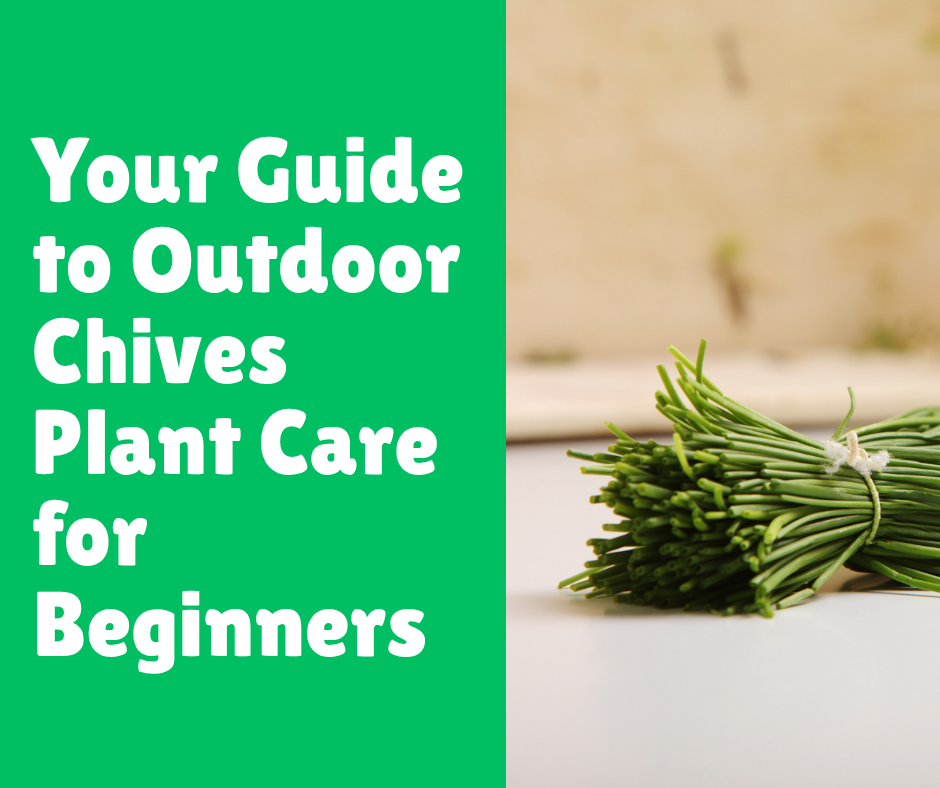
Your Guide to Outdoor Chives Plant Care for Beginners
Post Disclaimer
Content on this site is for educational use only and not a substitute for medical advice. Herbal remedies are based on traditional knowledge and not medical recommendations. Please consult a healthcare professional before trying any herb. We do not assume responsibility for any outcomes or adverse effects resulting from the use of information provided here.
I remember the first time I decided to grow herbs. I had this grand vision of a lush, fragrant garden right outside my kitchen door. But reality, as it often does, had other plans. My basil wilted, my rosemary became a sad, woody stick, and my mint staged a hostile takeover of the entire garden bed.
Then, I tried chives. And everything changed. Chives were… easy. They were forgiving. They were the confidence boost my beginner-gardener ego desperately needed.
If you’re just starting your gardening journey and want a win, chives are your answer. They are one of the most rewarding and low-maintenance herbs you can grow. Forget the complicated feeding schedules and pest control nightmares you might have heard about.
Growing chives outdoors is simple, and I’m here to walk you through every single step. We’ll cover everything from planting the seeds to harvesting those delicious, oniony blades, and I’ll share some of the hard-won lessons I learned along the way.
Getting to Know Your Chives
Before we get our hands dirty, let’s talk about what we’re actually planting. Chives, or Allium schoenoprasum, are a member of the onion family, which also includes garlic, leeks, and shallots. Think of them as the most polite member of a very pungent family. They provide a mild, fresh onion flavor without the overwhelming intensity or tear-inducing prep work.
There are a few different types of chives, but the two you’ll most likely encounter are common chives and garlic chives.
Common Chives (Allium schoenoprasum)
This is the classic variety you probably picture. They have hollow, grass-like leaves and produce beautiful, globe-shaped purple or pink flowers in the spring. Their flavor is a delicate onion kick, perfect for sprinkling over baked potatoes, eggs, or salads. When someone just says “chives,” this is usually what they mean.
Garlic Chives (Allium tuberosum)
Also known as Chinese chives, these are a little different. Their leaves are flat, not hollow, and they have a distinct, yet mild, garlic flavor.
Their flowers are white, star-shaped, and appear later in the summer. I love using these in stir-fries and dumplings. They’re just as easy to grow as common chives, so why not plant both?
Chives are hardy perennials, which is fantastic news for us. It means you plant them once, and they will come back year after year, getting bigger and better with time. My original chive plant is now a massive clump that’s going on six years old!
They are incredibly resilient and can handle a wide range of climates, from chilly northern regions to warmer southern zones.
Planting Your Chives: From Seed to Soil
Alright, let’s get down to business. You have two main options for starting your chive patch: from seeds or from a transplant (a small plant you buy from a nursery). Both work great, but they have different timelines and effort levels.
Option 1: Starting from Seed
Growing from seed is incredibly cost-effective and, in my opinion, immensely satisfying. There’s nothing quite like seeing those first tiny green shoots poke through the soil.
Step-by-Step Guide to Planting Chive Seeds:
- Timing is Everything: You can start seeds indoors about 6-8 weeks before your last expected frost date. This gives them a nice head start. Alternatively, you can sow them directly into your garden bed or container once all danger of frost has passed and the soil has warmed up a bit.
- Sowing Indoors: Fill a seed tray or small pots with a quality seed-starting mix. Lightly moisten the soil. Sprinkle a few seeds in each cell or pot—don’t worry about perfect spacing yet. Cover them with a very thin layer of soil, about ¼ inch deep. Chive seeds need darkness to germinate, so make sure they’re covered.
- Keep Them Happy: Place the tray in a warm spot. Keep the soil consistently moist but not waterlogged. I use a spray bottle to gently mist the soil, which prevents the seeds from being displaced. You should see sprouts in about 10-14 days. It feels like an eternity, I know, but be patient!
- Sowing Outdoors: Once the frost risk is gone, prepare your garden bed by loosening the soil and removing any weeds. Sprinkle the seeds over the prepared area and cover them with that same ¼ inch of soil. Water gently.
Option 2: Using Transplants
Don’t have the patience for seeds? No judgment here! Buying a small chive plant from a nursery is a fantastic shortcut. You get a well-established plant that’s ready to go.
Step-by-Step Guide to Planting Chive Transplants:
- Pick a Healthy Plant: Look for a transplant with vibrant green leaves. Avoid any that look yellow, wilted, or have signs of pests.
- Prepare the Hole: Dig a hole in your garden bed or container that is about the same depth as the pot the chive plant is in, and twice as wide.
- Gently Un-pot: Carefully squeeze the sides of the nursery pot to loosen the plant. Tip it over into your hand and gently ease it out. If the roots are tightly wound in a circle (what we call “root-bound”), gently tease them apart with your fingers to encourage them to spread out in their new home.
- Plant and Water: Place the plant in the hole, making sure the top of the root ball is level with the surrounding soil. Fill the hole back in with soil, gently firming it around the base of the plant. Give it a good, deep watering to help it settle in.
The Perfect Spot: Sun and Soil Requirements
Chives are not divas. They’re pretty adaptable, but if you want them to thrive, give them what they love.
- Sunlight: Chives prefer full sun, which means at least 6-8 hours of direct sunlight per day. However, they are quite tolerant. If you live in a very hot climate, they’ll appreciate a little afternoon shade to protect them from the scorching sun. I have one clump that gets only about 4-5 hours of direct sun, and it still does wonderfully.
- Soil: They like well-draining, moderately rich soil. What does “well-draining” mean? It just means the soil doesn’t stay soggy after it rains. If you have heavy clay soil, you can improve drainage by mixing in some compost or sand. Compost is a gardener’s best friend it adds nutrients and improves soil structure. Before I plant anything, I always work a few inches of compost into the top layer of my garden beds.
Chives are also perfect for container gardening. If you’re short on space or live in an apartment with a balcony, a pot that’s at least 8-10 inches in diameter and has drainage holes will be a perfect home for your chives.
Caring for Your Outdoor Chive Plant
You’ve planted your chives. Now what? This is the easy part. Your main jobs are watering, occasional feeding, and harvesting.
Watering: The Golden Rule
The key to watering chives (and most plants, really) is consistency. They like moist soil, but they hate “wet feet,” which can lead to root rot.
- How to Check: Don’t just look at the top of the soil. Stick your finger in about an inch deep. If it feels dry, it’s time to water. If it’s damp, wait another day or two.
- How to Water: Water deeply at the base of the plant, allowing the water to soak into the root zone. Avoid shallow, frequent watering, which encourages a weak root system.
- Container vs. Garden Bed: Plants in containers will dry out much faster than those in the ground, especially on hot, windy days. You might need to water your potted chives daily in the summer, while your garden chives might only need a good drink once or twice a week.
Feeding and Fertilizing (Or Not)
Here’s another reason to love chives: they are not heavy feeders. If you planted them in soil enriched with compost, you might not need to fertilize them at all during their first year.
For established plants, a little boost in the spring is always welcome. I top-dress my chive clumps with an inch of fresh compost each spring as the new growth emerges. That’s it. That’s my entire fertilizing routine for chives.
If your soil is poor or your plant looks like it needs a little help (e.g., pale leaves), you can give it a balanced, all-purpose liquid fertilizer once in the spring, diluted to half-strength. Don’t overdo it! Too much nitrogen can lead to lots of leafy growth with less flavor.
Harvesting for a Bushier, Healthier Plant
This is the best part! Harvesting chives isn’t just about getting ingredients for your dinner; it’s essential for the health of the plant. Regular harvesting encourages the plant to produce new, tender leaves.
How to Harvest Chives:
- Wait for Establishment: Once your plant is about 6 inches tall and looking lush, you can start harvesting.
- Use Scissors or Shears: Grab a pair of clean scissors and snip the leaves you need.
- Cut from the Outside In: Start by cutting the outer, older leaves first.
- Leave a Stub: Cut the leaves about 1-2 inches above the soil level. Don’t cut them all the way down to the ground. This little stub is where the new growth will emerge from.
- Be Bold: Don’t be shy! You can harvest up to one-third of the clump at a time. The more you cut, the more it will grow back. I give my chive patch a “haircut” several times throughout the season.
To Flower or Not to Flower?
In late spring or early summer, your chives will produce those gorgeous, puffy purple flowers. You have a choice to make.
- Letting Them Flower: The flowers are beautiful and attract pollinators like bees to your garden, which is great for any other vegetables or fruits you might be growing. Plus, the flowers are edible! They have a mild onion flavor and look stunning sprinkled over a salad.
- Deadheading (Removing Flowers): After the flower blooms, the plant will focus its energy on producing seeds. This can cause the leaves to become tough and less flavorful. To keep the plant producing tender leaves, you can “deadhead” it by snipping off the flower stalks at the base as soon as they appear.
My personal strategy? I let some flower for the bees and for my salads, and I deadhead others to keep the leaf production going strong.
Common Mistakes to Avoid (I’ve Made Them All)
We all make mistakes. It’s how we learn! Here are a few common pitfalls to watch out for with outdoor chives so you can skip the learning curve.
- Overwatering: This is the #1 killer of so many beginner plants. Enthusiasm gets the best of us, and we drown our poor herbs with love. Remember the finger test—only water when the soil is dry an inch down. Soggy soil leads to root rot, and there’s often no coming back from that.
- Harvesting Incorrectly: I’ve seen people just pluck a few leaves from the top, like they’re giving the plant a trim. This doesn’t work well. Always cut the entire leaf down to about 2 inches from the base. This signals the plant to send up a fresh, new leaf from the bulb. Snipping the tips just leaves you with a bunch of half-cut, less productive leaves.
- Not Dividing the Plant: After 3-4 years, you might notice the center of your chive clump starting to die out, and the plant might not be as vigorous as it once was. This is completely normal! It’s just getting crowded. The solution is to divide it. In the spring or fall, dig up the entire clump, and using a sharp spade or knife, slice it into 3-4 smaller sections. Make sure each section has plenty of roots. Replant one section in the original spot and find new homes for the others or give them to friends! It’s the gift that keeps on giving.
- Forgetting They’re Perennials: A friend of mine once pulled up his entire chive plant at the end of the season, thinking it was done. Don’t do this! The leaves will die back to the ground after the first hard frost, but the bulbs underground are just dormant, resting for the winter. Leave them be, and you’ll be rewarded with fresh growth next spring.
Conclusion: Your Journey with Chives has Just Begun
Growing chives outdoors is one of the simplest and most gratifying things you can do in a garden. They ask for so little a sunny spot, a bit of water, and the occasional haircut—and in return, they give you fresh, flavorful herbs for months on end, year after year.
- Choose Your Chive: Common chives for a mild onion flavor or garlic chives for a hint of garlic.
- Planting is Easy: Start from seed for satisfaction or use a transplant for a head start.
- Give Them Sun and Good Drainage: At least 6 hours of sun and soil that doesn’t stay soggy are the keys to success.
- Water Smart: Check the soil first, and water deeply but infrequently.
- Harvest Often and Correctly: Cut leaves from the outside, about 2 inches from the base, to encourage vigorous new growth.
- Don’t Fear the Flowers: Use them in salads or deadhead them to promote leaf growth.
- Divide When Crowded: Every 3-4 years, divide your clump to rejuvenate it and make more plants.
Chives were the herb that showed me I could have a green thumb. They’re resilient, forgiving, and delicious. Now it’s your turn. Go plant some chives!
I’d love to hear about your experience. Do you have any chive-growing tips of your own? Share them in the comments below!
Frequently Asked Questions (FAQs)
Do chives spread and become invasive?
Common chives spread by clumping, meaning the bunch will get wider over time, but they are not aggressive runners like mint. They are very well-behaved. However, if you let them go to seed, you may find new chive seedlings popping up nearby the following year.
Can I grow chives in the same pot as other herbs?
Absolutely! Chives make great companions in a mixed herb pot. They grow well with parsley, thyme, oregano, and marjoram, as these herbs have similar sun and water requirements.
What pests or diseases affect chives?
One of the best things about chives is that their oniony smell naturally repels many common garden pests, like aphids and Japanese beetles. They are remarkably pest-free. The main issue to watch for is root rot from overwatering.
How do I store fresh chives after harvesting?
To store them for a few days, you can wrap the cut chives in a damp paper towel and place them in a plastic bag in the refrigerator. For long-term storage, they freeze beautifully. Simply chop them up, spread them on a baking sheet to freeze individually, and then transfer them to a freezer bag.