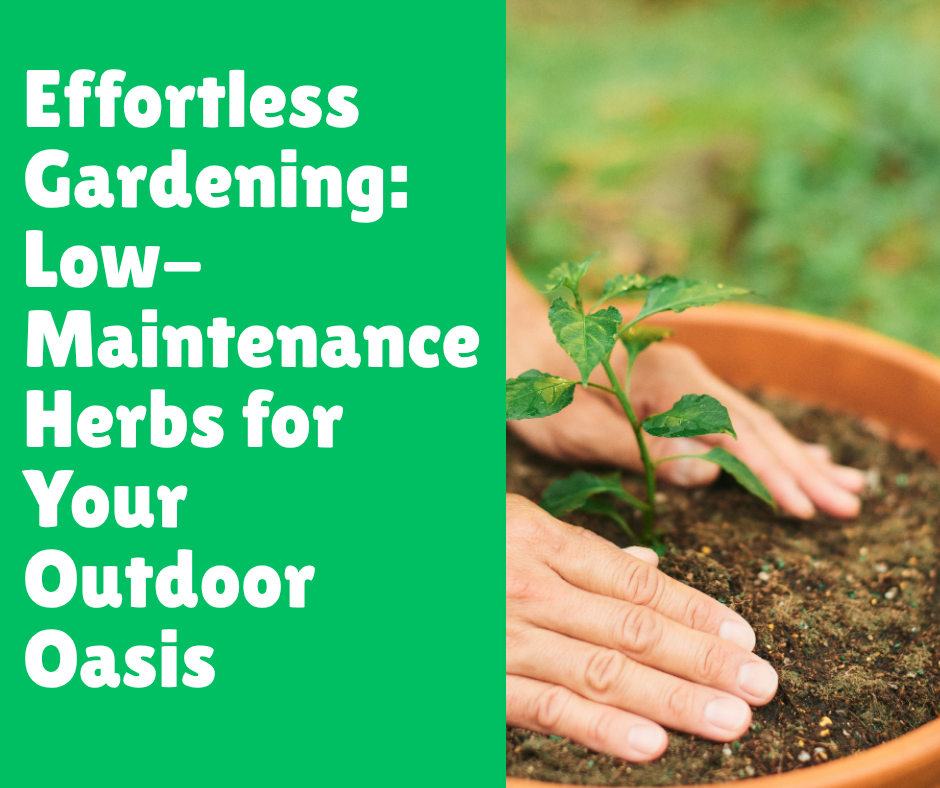
Effortless Gardening: Low-Maintenance Herbs for Your Outdoor Oasis
Post Disclaimer
Content on this site is for educational use only and not a substitute for medical advice. Herbal remedies are based on traditional knowledge and not medical recommendations. Please consult a healthcare professional before trying any herb. We do not assume responsibility for any outcomes or adverse effects resulting from the use of information provided here.
I remember the first time I tried to start an herb garden. I had visions of a lush, fragrant paradise right outside my kitchen door. I bought about a dozen different plants, fancy pots, and special soil. A month later, I was looking at a sad, brown graveyard of what I now call “The Great Herb Massacre of 2018.” I thought I just had a “black thumb” and was doomed to buy my herbs from the grocery store forever. Sound familiar?
The truth is, I wasn’t a bad gardener; I was just a new gardener who started with the wrong plants. I chose fussy, demanding herbs that needed constant attention. It was a classic rookie mistake. Once I discovered the world of low-maintenance herbs, everything changed.
I realized you don’t need to be a seasoned botanist to have a thriving, beautiful, and delicious herb garden. You just need to pick the right green buddies.
This guide is my redemption story and your shortcut to success. We’re going to walk through everything you need to know to create a fantastic outdoor herb garden that practically takes care of itself. Forget the constant watering schedules and complicated fertilizers. Let’s get our hands dirty (but not too dirty) and grow something amazing.
The Undeniable Perks of a Hands-Off Herb Garden
Before we dive into which herbs to plant, let’s talk about the why. Why bother with an herb garden at all, especially if you’re convinced you kill every plant you touch? The benefits go way beyond just having fresh basil for your pasta.
Flavor on Demand (and on a Budget)
Let’s start with the obvious: incredible flavor. The difference between fresh-picked herbs and those sad, plastic-wrapped bunches from the store is night and day. A sprig of fresh thyme in your soup or a handful of mint in your iced tea elevates the entire experience. When you have them growing just a few steps away, you’re more likely to use them.
And can we talk about the cost savings? A single small pack of fresh rosemary can cost three or four dollars. For that same price, you can buy a starter plant that will give you rosemary for years. It’s a small investment that pays delicious dividends over and over.
A Natural Pharmacy and Pest Control Team
Many herbs are more than just culinary additions; they have been used for centuries for their medicinal properties. A cup of peppermint tea can soothe an upset stomach, and the scent of lavender is renowned for its calming effects. Having these natural remedies on hand is incredibly empowering.
Plus, many of these herbs are nature’s pest repellents. Plants like rosemary, mint, and thyme produce strong essential oils that many common garden pests despise.
Planting them around your patio can help keep mosquitoes at bay, and interspersing them in your vegetable garden can protect your other plants. They’re like a fragrant, all-natural security team.
It’s Good for Your Brain (and the Bees)
There’s something deeply satisfying about nurturing a plant from a small sprout into a flourishing bush. Gardening has been shown to reduce stress, improve mood, and provide a gentle form of exercise. Even a few minutes spent watering and snipping your herbs can feel meditative.
And you’re not the only one who will love your herb garden. When you let your herbs flower, they provide a vital source of nectar for pollinators like bees and butterflies.
It’s a small way to support your local ecosystem, and watching the bees buzz happily from flower to flower is a reward in itself.
The All-Star Team: Top Low-Maintenance Herbs
Okay, it’s time to meet the stars of the show. These are the herbs that have proven to me, time and time again, that they can handle a little bit of neglect. They’re tough, they’re resilient, and they will make you feel like a gardening prodigy.
1. Mint (The Unstoppable Force)
If there’s one herb that laughs in the face of neglect, it’s mint. Seriously, the biggest problem with mint isn’t keeping it alive; it’s keeping it from taking over your entire yard. This stuff is practically indestructible.
- Why it’s easy: Mint thrives in a wide range of conditions, from full sun to partial shade. It’s not picky about soil and will grow vigorously with minimal attention.
- Best feature: Its aggressive growth means you’ll have an endless supply for mojitos, teas, and salads.
- Personal Insight: My number one rule for mint is to always plant it in a container. I once made the mistake of putting a small spearmint plant directly into my garden bed. Within a year, it had sent out runners and was popping up ten feet away in the middle of my lawn. It’s a fantastic herb, but it needs boundaries!
2. Rosemary (The Mediterranean Sun-Worshipper)
Rosemary is a beautiful, woody herb that evokes the sunny Mediterranean coast. It has a wonderful pine-like fragrance and is a perfect addition to roasted meats, potatoes, and bread.
- Why it’s easy: Rosemary loves sun and hates being overwatered. It’s incredibly drought-tolerant once established. In fact, the most common way people kill rosemary is by giving it too much love and water.
- Best feature: It’s an evergreen perennial in many climates (zones 7 and up), meaning you can have fresh rosemary all year round. Its woody stems can even be used as skewers for grilling!
- Personal Insight: Find the sunniest, driest spot in your yard, and that’s where your rosemary will be happiest. I have one planted in a terracotta pot on my blistering hot south-facing patio, and it’s never been happier. I water it maybe once every week or two in the summer, and that’s it.
3. Thyme (The Hardy Groundcover)
Thyme is a delicate-looking herb with a surprisingly tough spirit. It comes in many varieties, from the common English thyme used in cooking to creeping thymes that make a fragrant, walkable groundcover.
- Why it’s easy: Like rosemary, thyme is a drought-tolerant Mediterranean herb. It thrives in poor, rocky soil and full sun. It’s a low-growing plant that requires almost no maintenance once it’s settled in.
- Best feature: It’s incredibly versatile. Use it in stews, soups, and marinades, or plant a creeping variety between patio stones to release a lovely scent every time you walk on it.
- Personal Insight: I love using lemon thyme as an edging plant along my garden path. It looks beautiful, smells amazing, and I can easily snip a few sprigs on my way into the house to add to chicken or fish. It’s a true “set it and forget it” plant.
4. Oregano (The Pizza Herb)
A close cousin to mint, oregano shares its vigorous growth habit but is usually a bit more polite. This is the herb that gives Italian and Greek food its signature warm, peppery flavor.
- Why it’s easy: Oregano is another sun-lover that doesn’t need rich soil or a lot of water. It’s a hardy perennial that will come back bigger and better each year.
- Best feature: The flavor of fresh oregano is so much more complex and potent than the dried flakes. Plus, regular harvesting encourages the plant to become bushier and more productive.
- Personal Insight: Don’t be afraid to give your oregano a good “haircut” a few times during the growing season. It seems harsh, but it’s the best way to prevent it from getting leggy and to encourage tender new growth. I hang the cuttings to dry and have my own supply for the winter.
5. Sage (The Thanksgiving Staple)
Sage is a beautiful herb with soft, fuzzy, grayish-green leaves. While it’s famous for its role in Thanksgiving stuffing, its earthy, slightly peppery flavor is wonderful in many other dishes, especially with pork, beans, and winter squash.
- Why it’s easy: Sage is drought-tolerant and prefers full sun. It develops its best flavor in soil that isn’t too rich. It’s a semi-woody perennial that can survive for several years with minimal care.
- Best feature: The plant itself is gorgeous. The silvery foliage provides a beautiful contrast to other green plants in the garden, and it produces lovely purple flower spikes that bees adore.
- Personal Insight: I had a sage plant that I completely forgot about in a pot behind my shed for an entire summer. It got no supplemental water beyond the rain. Not only did it survive, but it was thriving. That’s when I knew sage was on my “forever” list.
6. Chives (The Easiest Allium)
Want the flavor of onions or garlic without the hassle of growing bulbs? Chives are your answer. These members of the onion family grow in clumps of slender, hollow leaves that are perfect for snipping into salads, eggs, and baked potatoes.
- Why it’s easy: Chives are incredibly resilient. They tolerate a wide range of soils, can handle full sun or part shade, and come back reliably every spring. They basically ask for nothing.
- Best feature: They produce beautiful, edible purple puffball flowers in the spring. You can toss the flowers into salads for a mild onion flavor and a pop of color.
- Personal Insight: My chive patch is the first thing to turn green in my garden every spring. It’s a happy reminder that the growing season is starting. To harvest, I just go out with scissors and give the clump a haircut, leaving about two inches behind. It regrows in no time.
Your Step-by-Step Guide to a Thriving Herb Garden
Feeling inspired? Good. Now let’s turn that inspiration into action. Planting these herbs is simple. Here’s how you do it.
Step 1: Choose Your Location
Most of the herbs on our list are Mediterranean, which gives you a huge clue about what they want: sun! Find a spot in your yard that gets at least 6-8 hours of direct sunlight per day. The more sun, the better the flavor.
You also need to think about soil drainage. These herbs hate having “wet feet.” If you have heavy clay soil that stays soggy after it rains, consider planting in raised beds or containers where you have more control over the soil composition.
Step 2: To Pot or Not to Pot?
This is a key decision. As I learned the hard way with mint, some herbs are best kept contained.
- Use pots for: Mint, and to a lesser extent, oregano. This prevents them from staging a hostile takeover of your garden. Pots are also great if you have poor soil or limited space, like on a balcony or patio.
- Plant in the ground for: Rosemary, thyme, sage, and chives. These are generally better behaved and will happily establish themselves in a garden bed.
When choosing pots, terracotta is your friend. It’s porous, which allows the soil to dry out faster between waterings—exactly what these herbs love. Make sure any pot you use has drainage holes at the bottom. This is non-negotiable!
Step 3: The Right Soil Mix
You don’t need fancy, expensive potting soil. In fact, these herbs prefer soil that’s on the leaner side. If you’re using containers or raised beds, a great, simple mix is:
- One part all-purpose potting soil
- One part perlite or coarse sand (to improve drainage)
- A small handful of compost (for a gentle nutrient boost)
Mix it all together, and you’ve got a perfect medium for happy herbs.
Step 4: Planting Your Herbs
You can start herbs from seed, but for beginners, I strongly recommend buying starter plants from a nursery. It’s an instant gratification boost and skips the tricky germination stage.
- Dig a hole that’s slightly larger than the pot the herb came in.
- Gently squeeze the sides of the nursery pot and tip the plant out. If the roots are tightly wound in a circle (root-bound), gently tease them apart with your fingers.
- Place the plant in the hole so that the top of its root ball is level with the surrounding soil.
- Backfill the hole with soil, gently firming it around the base of the plant.
- Water it well to help the soil settle and reduce transplant shock.
Step 5: The “Maintenance” Part (It’s Easy, I Promise)
This is where the “low-maintenance” magic happens.
- Watering: The golden rule is to water deeply but infrequently. Stick your finger about an inch into the soil. If it feels dry, it’s time to water. If it feels damp, wait another day or two. It’s always better to underwater these herbs than to overwater them.
- Fertilizing: Don’t. Seriously. Most of these herbs develop their most potent flavor and aroma when grown in lean soil. Fertilizing them often leads to a lot of leafy growth with very little flavor. The small amount of compost you added at planting is plenty.
- Harvesting: This is the best part! Regular harvesting is actually good for the plants. For leafy herbs like thyme, oregano, and mint, snip off the top few inches of a stem, right above a set of leaves. This encourages the plant to branch out and become bushier. For chives, just give them a haircut. For rosemary and sage, you can snip off whole sprigs as needed.
Common Mistakes to Avoid (AKA My Past Failures)
I’ve made all of these mistakes so you don’t have to. Avoiding these common pitfalls is half the battle.
- Overwatering (The Killer of All Good Things): I can’t say this enough. We feel like we’re being good plant parents by watering constantly, but for these herbs, it’s a death sentence. Soggy soil leads to root rot, the number one killer of drought-tolerant plants. When in doubt, don’t water.
- Planting Mint in the Ground: I know I already mentioned it, but it bears repeating. Unless you want a lawn made entirely of mint, keep it in a pot. A big pot.
- Choosing the Wrong Location: Planting sun-loving rosemary in a shady, damp corner of your yard is a recipe for disaster. Observe the sun patterns in your yard for a day before you decide where to plant. It’s the most important decision you’ll make.
- Fearing the Harvest: New gardeners are often afraid to cut their plants, thinking they’ll hurt them. The opposite is true! Regular trimming promotes healthy, bushy growth and prevents the plants from getting woody and sparse. Be brave and snip away!
Conclusion: Your Garden of Ease Awaits
Growing a low-maintenance herb garden isn’t about having a “green thumb.” It’s about knowledge and strategy. It’s about choosing the right plants for the right spot and then having the confidence to step back and let them do their thing.
The herbs we’ve talked about mint, rosemary, thyme, oregano, sage, and chives are the perfect starting lineup. They are forgiving, resilient, and incredibly rewarding.
You can create a beautiful, fragrant space that provides you with fresh flavors, natural remedies, and a real sense of accomplishment. You get to step outside, snip a few leaves, and instantly make your next meal a little more special. That’s a kind of everyday magic that never gets old.
So, what are you waiting for? Pick one or two herbs from this list and give it a try. Start small. A single pot of chives on your doorstep or a rosemary plant on your patio is a perfect beginning. I promise, once you experience that first taste of a truly fresh herb that you grew yourself, you’ll be hooked.
I’d love to hear about your gardening adventures! Leave a comment below and tell me which herb you’re going to try first, or share your own low-maintenance gardening tips!
Frequently Asked Questions (FAQs)
Can I grow these low-maintenance herbs together in one big container?
You can, but be strategic about it! Group herbs with similar needs. For example, the Mediterranean sun-lovers (rosemary, thyme, sage, oregano) do well together in a large pot with excellent drainage. However, keep mint in its own separate container.
My herbs are starting to flower. Should I cut the flowers off?
It depends on your goal. If you’re growing the herb primarily for its leaves (like oregano or sage), pinching off the flowers can help the plant direct its energy back into foliage production, often resulting in better flavor. However, the flowers are beautiful, edible (in many cases), and fantastic for attracting bees and other pollinators.
Do I need to bring my outdoor herbs inside for the winter?
This depends entirely on your climate zone and the specific herb. In zones 7 or warmer, hardy perennials like rosemary, thyme, sage, oregano, and chives will usually survive the winter outdoors just fine. In colder climates (zone 6 and below), you may need to provide protection or treat them as annuals. Rosemary is often the most sensitive to cold.
How much herb should I harvest at one time?
A good rule of thumb is to never harvest more than one-third of the plant at once. This ensures that the plant has enough foliage left to continue photosynthesizing and recover quickly. Regular, light harvesting is much better for the plant’s long-term health than one big, aggressive cutting.
My sage/rosemary is getting really woody at the base. What should I do?
This is a natural aging process for woody herbs like sage, rosemary, and thyme. To keep them productive and prevent them from becoming too sparse, you should practice renewal pruning. In the early spring, before new growth starts, cut back the entire plant by about one-third.