
The Ultimate Guide to Planting Basil and Rosemary Together Outdoors
Post Disclaimer
Content on this site is for educational use only and not a substitute for medical advice. Herbal remedies are based on traditional knowledge and not medical recommendations. Please consult a healthcare professional before trying any herb. We do not assume responsibility for any outcomes or adverse effects resulting from the use of information provided here.
There’s something incredibly satisfying about stepping out your back door to snip fresh herbs for dinner. I remember my first attempt at an herb garden. It was a chaotic mix of everything I could find at the local nursery, planted with more enthusiasm than knowledge.
The result? A tangled mess where some plants thrived and others… well, let’s just say they didn’t make it to the dinner plate. It was through that trial and error that I discovered one of the most dynamic duos of the herb world: basil and rosemary.
You might think planting these two together is a simple affair, and in some ways, it is. But getting it just right so both herbs flourish and provide you with a season-long harvest? That takes a bit more finesse. I’ve learned that while they make great neighbors, they’re like two friends with slightly different personalities.
They get along, but they each need their own space and care. This guide is everything I wish I knew back then. We’re going to cover how to create a thriving outdoor partnership between the sun-loving, woody rosemary and the tender, fragrant basil.
Why Plant Basil and Rosemary Together?
Before we get our hands dirty, let’s talk about why this pairing is such a winner. It’s not just about saving space, though that’s a definite perk. Planting basil and rosemary side-by-side offers some fantastic benefits that can make your garden more robust and your life a little easier.
The Power of Companion Planting
Companion planting is an age-old gardening technique that involves placing specific plants near each other to create a mutually beneficial relationship. Think of it as strategic matchmaking for your garden. So, what makes basil and rosemary such good companions?
Pest Deterrence: Rosemary has a strong, pungent aroma that many garden pests can’t stand. Its essential oils can help repel insects like aphids, spider mites, and even some types of flies that might otherwise munch on your tender basil leaves. I’ve noticed a significant decrease in pests on my basil ever since I started planting rosemary nearby. It’s like having a tiny, fragrant security guard for your garden.
Attracting Pollinators: When rosemary flowers, it produces small, beautiful blossoms that are a magnet for bees and other beneficial pollinators. More pollinators in your garden means better health for all your plants, not just the herbs. A buzzing garden is a happy garden.
Improved Flavor? Maybe!: Some gardeners swear that planting certain herbs together can enhance their flavor. While the scientific evidence on this is a bit anecdotal, many believe the aromatic oils released by rosemary can subtly influence the taste of nearby basil, making it more complex. I can’t say for sure if my basil tastes better because of its neighbor, but it certainly doesn’t hurt!
Efficient Use of Space: Let’s be practical. Most of us don’t have endless acres for our gardening dreams. Planting these two together allows you to create a concentrated “culinary corner” in your garden or on your patio. You get two of the most versatile kitchen herbs in one convenient spot.
Ultimately, companion planting is about creating a small, balanced ecosystem. It’s a smarter, more natural way to garden that reduces the need for chemical pesticides and creates a healthier environment for your plants to thrive.
Rosemary: The Mediterranean Sun-Worshipper
Imagine the hot, dry, sunny coasts of the Mediterranean. That’s rosemary’s happy place. It’s a hardy, woody perennial that is built to withstand drought and heat.
Sunlight: Rosemary needs full, direct sun. We’re talking a minimum of 6 to 8 hours of bright sunlight every day. It will tolerate a little less, but it won’t be as robust or flavorful. A leggy, sparse rosemary plant is often a sign it’s craving more light.
Water: This is the big one. Rosemary hates wet feet. It is extremely susceptible to root rot if its soil stays soggy. The rule of thumb is to let the soil dry out completely between waterings. When you do water, water deeply to encourage strong root growth.
Soil: Think sandy and well-draining. Rosemary thrives in soil that allows water to pass through quickly. It’s not picky about soil richness and actually prefers leaner soil. Standard potting mix can often be too dense and retain too much moisture, so amending it is crucial.
Basil: The Tender Annual
Now, think of basil. It’s a tender annual that loves warmth and moisture, but it’s much more delicate than rosemary. It bolts (goes to seed) when stressed and can wilt dramatically if it gets too thirsty.
Sunlight: Basil also loves the sun, but it can be sensitive to the intense, scorching afternoon sun, especially in very hot climates. It does best with about 6 hours of morning sun. A little afternoon shade can protect its tender leaves from getting burned.
Water: Unlike its drought-tolerant neighbor, basil likes its soil to be consistently moist. Not waterlogged, but never completely dry. If you let basil dry out, you’ll know it—the leaves will droop sadly. It usually perks right back up after a good drink, but consistent moisture leads to the best growth and flavor.
Soil: Basil prefers a rich, well-drained soil with plenty of organic matter. It’s a heavier feeder than rosemary and appreciates soil that can provide it with the nutrients it needs to produce lush, green leaves all season long.
So, how do we reconcile these differences? It’s all in the setup. We need to create a microenvironment where both plants can get what they need without stepping on each other’s toes.
Step-by-Step Planting Guide: Creating the Perfect Partnership
Alright, let’s get down to the fun part. Whether you’re using a large container, a raised bed, or planting directly in the ground, the principles are the same. We’ll focus on container gardening here, as it’s the easiest way to control the soil and moisture for each plant.
Step 1: Choose the Right Container
Size matters. A common mistake is choosing a pot that’s too small. Both basil and rosemary need room for their roots to grow. I recommend a container that is at least 18-24 inches wide and about 12 inches deep. A larger container gives you more space to customize the soil for each plant and provides a better buffer against drying out too quickly.
Make sure your container has plenty of drainage holes. If it doesn’t, drill some yourself. Seriously, this is non-negotiable, especially for the rosemary.
Step 2: Prepare Your Soil Blends
This is the most critical step for success. We can’t just use one type of soil and hope for the best. We need to create two distinct soil zones within the same pot.
For the Rosemary Side: You need a gritty, fast-draining mix. A great DIY recipe is to combine:
2 parts standard potting mix
1 part perlite or coarse sand
1 part compost or coconut coir
This mixture will provide some nutrients while ensuring that water drains away quickly, keeping the rosemary’s roots happy and dry.
For the Basil Side: You need a richer mix that holds a bit more moisture. For this, you can use:
2 parts high-quality potting mix (one with some fertilizer already mixed in is great)
1 part compost
A handful of perlite to ensure it doesn’t get compacted
It sounds like a hassle, but trust me, this five minutes of prep work will save you a season of headaches.
Step 3: The Planting Process
Now we assemble.
Create a Divider (Optional but Recommended): To keep the two soil types from mixing too much, you can insert a physical barrier in the middle of the pot. A piece of plastic from an old nursery pot or a thin piece of landscape fabric works well. Don’t make it a solid wall; you just want to create a gentle separation.
Fill the Pot: Fill the “rosemary side” of your container with its gritty soil mix and the “basil side” with its richer soil. Fill them up to about two-thirds full.
Position Your Plants: Plan where you want to place your herbs. Rosemary is a perennial that will grow larger over time. I like to plant it towards the back or center of the pot so it has room to spread out over the years. Basil is an annual, so you can plant a few smaller plants towards the front or sides.
Planting the Herbs: Gently remove your basil and rosemary plants from their nursery pots. Loosen the root balls slightly, especially if they are tightly bound. Place them in their designated spots in the container. The top of the root ball should be level with the top of the soil.
Backfill and Water: Fill in the rest of the pot with the appropriate soil mix for each side. Press the soil down gently around the plants to remove air pockets. Now, water them in according to their needs. Give the basil a good, thorough soak. For the rosemary, water it just enough to settle the soil.
You’ve done it! You’ve created a custom duplex for your herbs.
Care and Maintenance for a Thriving Herb Garden
Planting is just the beginning. To keep your basil and rosemary happy all season long, you’ll need to pay attention to their ongoing needs.
Watering Wisely
This continues to be the most important aspect of their care. You have two different watering schedules in one pot.
Water the Basil: Check the basil’s soil every day or two, especially in hot weather. When the top inch of soil feels dry, give it a good watering directly at its base. Try to avoid getting the leaves wet, as this can encourage fungal diseases.
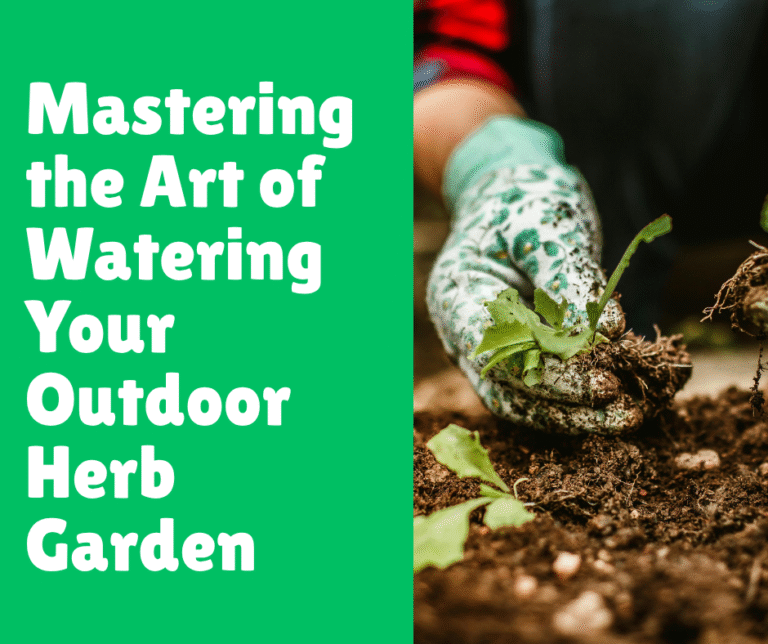
Water the Rosemary: Check the rosemary’s soil only once a week or so. Stick your finger deep into the soil. If it feels dry 2-3 inches down, it’s time to water. When you do, water it deeply until you see water running out the drainage holes. Then, leave it alone until it dries out again.
Sunlight and Placement
Place your container where it will get at least 6-8 hours of direct morning sunlight. If you live in a very hot climate, a spot that gets some light shade during the hottest part of the afternoon is ideal. This gives the rosemary all the sun it craves while protecting the more delicate basil from getting scorched.
Harvesting for Health
Harvesting isn’t just for cooking; it’s essential for keeping your plants healthy and productive. Regular trimming encourages bushier growth.
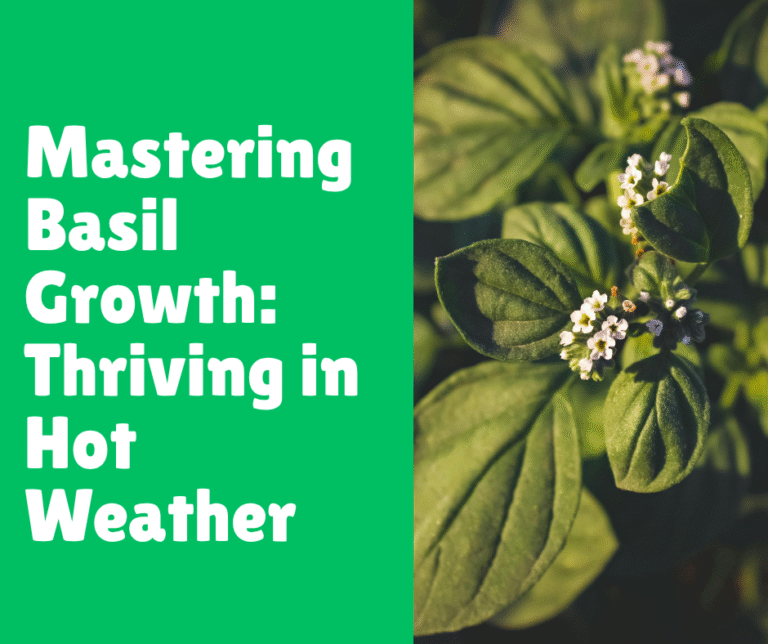
Harvesting Basil: Pinch or snip basil stems right above a set of two leaves. This will encourage the plant to branch out from that point, creating a fuller plant. Always pinch off any flower buds you see forming. Once basil flowers, it puts its energy into making seeds, and the leaf flavor deteriorates.
Harvesting Rosemary: You can snip rosemary sprigs anytime you need them. For a larger harvest, you can trim back the entire plant by about a third in the spring to encourage new, tender growth. Avoid cutting back into the old, thick wood, as it may not regrow from there.
Feeding Your Herbs
Your soil choices at planting time did most of the work, but a little boost during the growing season can help.
Feed your basil every 3-4 weeks with a balanced liquid fertilizer diluted to half-strength.
Your rosemary likely won’t need any additional fertilizer. It prefers lean conditions. Over-fertilizing can lead to weak growth and less aromatic oils.
Common Mistakes to Avoid (I’ve Made Them All)
Gardening is a journey of learning, often through failure. Here are some common pitfalls specific to the basil-rosemary partnership that you can hopefully sidestep.
Using One Soil Mix for Both: This is mistake number one. Using a standard, moisture-retentive potting mix will inevitably lead to root rot for your rosemary. Conversely, putting basil in a super gritty, fast-draining mix will mean you have to water it constantly to keep it from wilting.
Overwatering the Rosemary: It’s so tempting to water both plants at the same time. Don’t do it! People kill rosemary with kindness (and too much water) more than anything else. Remember its Mediterranean roots and let it dry out.
Incorrect Spacing: Don’t crowd your plants. Give the rosemary room to grow, as it will get much larger than the basil over time. Planting them too close together restricts airflow, which can lead to mildew and other fungal issues, especially on the basil.
Not Enough Sun: While basil can appreciate some afternoon shade, both plants need a solid 6+ hours of sun to truly thrive. Placing them in a shady spot will result in leggy, weak plants with poor flavor. Find that sunny sweet spot.
Forgetting to Harvest: This feels counterintuitive, but not harvesting your herbs is bad for them. Letting basil go to flower will end its productive life. Not trimming your herbs makes them woody and sparse. Regular haircuts keep them bushy and producing fresh, tasty leaves for you.
Conclusion: Your Culinary Garden Awaits
Planting basil and rosemary together is more than just a space-saving hack; it’s a small-scale lesson in creating a balanced ecosystem. By understanding and respecting their individual needs, you can create a beautiful, fragrant, and productive partnership that will reward you with fresh flavors all season long. It takes a little extra effort upfront to prepare the right soil environment, but the payoff is huge.
Different Needs: Rosemary loves dry, gritty soil and full sun. Basil prefers rich, moist soil and can use a little afternoon shade.
Two-Zone Potting: Create separate soil environments within the same large container to cater to each herb.
Water Individually: Water basil when the topsoil is dry. Water rosemary only when the soil is dry several inches down.
Sun is Key: Provide at least 6 hours of daily sunlight for both plants to flourish.
Harvest Often: Regular trimming encourages bushy growth and a continuous supply of fresh herbs.
Now it’s your turn. Don’t be intimidated by the different needs of these two herbs. Give it a try! There is nothing quite like the feeling of creating a meal seasoned with herbs you grew yourself.
I’d love to hear how it goes! Share your successes (or even your learning moments) in the comments below. Have you tried this pairing before? Any other tips to share?
Frequently Asked Questions (FAQs)
Can I plant mint with basil and rosemary?
I would strongly advise against it! Mint is incredibly invasive. Its runners will quickly take over the entire container, choking out both your basil and rosemary. If you want to plant mint, always give it its own separate pot. Trust me on this one.
My rosemary’s needles are turning brown. What’s wrong?
Brown needles on rosemary are most often a sign of overwatering and the beginning of root rot. Immediately stop watering and check the soil. If it’s soggy, you may need to repot the plant into a faster-draining soil mix. Make sure your pot has excellent drainage.
Why are there yellow leaves on my basil plant?
Yellowing leaves on basil can be caused by a few things. If it’s the lower leaves, it could be a sign of overwatering or poor drainage. If the whole plant is looking pale yellow, it might be hungry for nutrients and could use a dose of liquid fertilizer. It can also be a sign of not enough sunlight.
How do I care for my rosemary plant in the winter?
It depends on your climate zone. Rosemary is hardy to about zone 7. If you live in a colder climate, you’ll need to bring your container indoors for the winter. Place it in the sunniest, coolest spot you have (a south-facing window is great) and be very careful not to overwater it, as its growth will slow down dramatically.
My basil plant is getting tall and “leggy.” How can I fix it?
A “leggy” basil plant is usually reaching for more light. Try moving it to a sunnier location. Also, be more aggressive with your harvesting! Pinching the top sets of leaves off each stem will force the plant to grow bushier and fuller from the lower leaf nodes.