
The Ultimate Guide to Drying Outdoor Herbs: Sage and Thyme Made Simple
Post Disclaimer
Content on this site is for educational use only and not a substitute for medical advice. Herbal remedies are based on traditional knowledge and not medical recommendations. Please consult a healthcare professional before trying any herb. We do not assume responsibility for any outcomes or adverse effects resulting from the use of information provided here.
There’s something deeply satisfying about stepping out into your garden, snipping a few sprigs of fragrant herbs, and knowing you’ve grown them yourself. But what happens when your sage and thyme plants go absolutely wild, producing more than you can possibly use fresh? You preserve that beautiful, aromatic bounty, that’s what.
I remember my first herb garden; it was a small, slightly chaotic collection of pots on my apartment balcony. My sage plant, in particular, grew with such enthusiasm that I felt I had to do something to honor its efforts.
That’s when I first ventured into the world of drying herbs, and let me tell you, it was a game-changer. The flavor of homegrown, home-dried herbs is worlds away from the dusty little jars you buy at the store. It’s like tasting summer in the middle of winter.
So, you’ve got an abundance of sage and thyme and you’re ready to capture their essence? Perfect. You’ve come to the right place. This isn’t some stuffy, scientific manual. Think of me as your friend who’s made all the mistakes so you don’t have to. We’ll walk through everything you need to know, from the best time to harvest to the various ways you can dry these herbs to perfection.
Whether you have a fancy dehydrator or just some string and a bit of patience, I promise you can do this. By the end of this guide, you’ll be well on your way to stocking your pantry with the most flavorful dried sage and thyme you’ve ever had. Let’s get started.
Harvesting Sage and Thyme for Peak Flavor
Before we even talk about drying, we need to cover the most critical step: the harvest. When and how you cut your herbs makes a huge difference in their final potency and flavor. Timing is everything, my friend.
When to Harvest
The absolute best time to harvest most herbs, including sage and thyme, is in the mid-morning. Why then, you ask? Well, the morning dew has had a chance to evaporate from the leaves, but the sun hasn’t become so intense that it starts to bake away the essential oils. Those oils are where all the flavor and aroma are stored. Harvesting in the heat of the afternoon can lead to less potent herbs.
I learned this the hard way. One sweltering July afternoon, I decided to prune my thyme. It smelled amazing while I was cutting it, but after drying, it was disappointingly bland. Lesson learned. Now, I set a little reminder to get out there around 10 a.m. with my snips.
For the best quality, try to harvest your herbs before they start to flower. When a plant puts its energy into producing flowers and seeds, it diverts resources away from leaf and oil production. This means the leaves will have a less intense flavor.
If you see flower buds forming, that’s your signal to get harvesting ASAP. You can still dry herbs that have flowered, but they just won’t be at their absolute peak.
How to Harvest
Harvesting isn’t just hacking away at the plant (though I admit it can be tempting when your sage is threatening to take over a small corner of your yard). A little technique goes a long way in ensuring the health of your plant and the quality of your harvest.
- Tools of the Trade: All you really need is a clean, sharp pair of scissors or garden snips. A sharp cut makes a clean wound on the plant, which helps it heal quickly and reduces the risk of disease. Don’t just tear the stems off with your hands; you can damage the main plant.
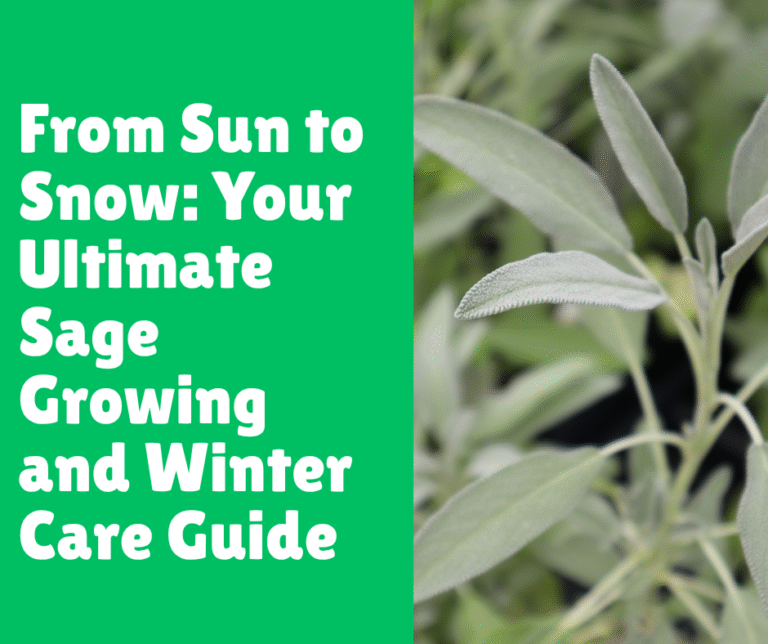
- For Sage: Sage has woody stems, especially on more mature plants. You’ll want to snip off stems that are about 6-8 inches long. I like to work from the outside of the plant, which helps maintain a nice shape and encourages bushier growth. Avoid cutting back more than one-third of the entire plant at once. This ensures it has enough foliage left to continue thriving.
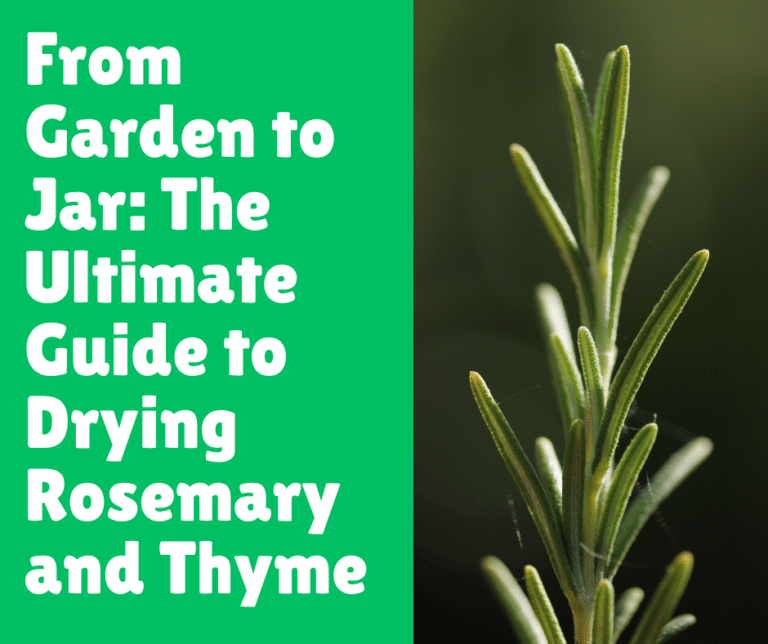
- For Thyme: Thyme grows with a mix of tender new growth and older, woodier stems. For drying, you want to snip the top 5-6 inches of the fresh, green growth. Similar to sage, cutting the plant back encourages it to branch out and become fuller. Just be sure to leave at least a few inches of growth on the plant so it can recover.
Once you have your beautiful bundles of herbs, give them a gentle shake to dislodge any dirt or little critters that might be hiding. Now, let’s get them ready for their transformation.
The Three Best Ways to Dry Your Herbs
Okay, you’ve successfully harvested your glorious sage and thyme. The next step is to choose your drying method. There are a few different ways to go about it, each with its own pros and cons.
We’ll cover the three most popular and reliable methods: classic air drying, using your oven, and firing up a food dehydrator. IMO, having a go-to method makes the whole process feel less like a chore and more like a fun project.
Method 1: Air Drying (The Old-Fashioned Way)
This is my personal favorite method. It’s simple, requires no special equipment, and there’s something wonderfully rustic about seeing bundles of herbs hanging in your kitchen. It’s slow, but it’s the most gentle method, which helps preserve the essential oils beautifully.
Step-by-Step Guide to Air Drying:
- Prep Your Herbs: First things first, you need to decide if you should wash your herbs. If they were grown organically and look clean, you can often get away with just a gentle shake. If they’re a bit dusty or you used any sprays, give them a quick rinse under cool water. The key here is to dry them completely afterward. Pat them gently with a paper towel or use a salad spinner. Any lingering moisture can lead to mold, which is the arch-nemesis of herb drying.
- Create Your Bundles: Gather 5-10 stems of sage or thyme together. Don’t make the bundles too thick! Air needs to circulate freely around all the leaves to prevent mold and ensure even drying. A thick, dense bundle is just asking for trouble.
- Tie Them Up: Secure the end of each bundle with some kitchen twine, a rubber band, or even a twist tie. I prefer twine because it looks nice and doesn’t get brittle over time like a rubber band can. Make sure the tie is snug, as the stems will shrink as they dry and can slip out.
- Find the Perfect Spot: This is crucial. You need a spot that is warm, dry, and has good air circulation, but is out of direct sunlight. Direct sun will bleach the color from your herbs and bake away their flavor. A well-ventilated pantry, a spare room, or even a corner of your kitchen away from the stove and sink can work. Some people use a paper bag with holes punched in it to cover the bundles, which protects them from dust while still allowing air to flow.
- Hang and Wait: Hang your bundles upside down. This allows the essential oils to flow down from the stems into the leaves as they dry. Now comes the hardest part: patience. Depending on the humidity and temperature, it can take anywhere from one to three weeks for the herbs to dry completely.
- Check for Doneness: You’ll know your herbs are ready when the leaves are brittle and crumble easily between your fingers. If the stems bend instead of snap, they need more time.
Method 2: Oven Drying (The Speedy Method)
Don’t have the patience for air drying? Or maybe you live somewhere super humid where air drying is a recipe for moldy disaster? The oven method is your friend. It’s much faster, but you have to be careful. It’s very easy to go from “drying” to “cooking” your herbs if you’re not paying attention.
Step-by-Step Guide to Oven Drying:
- Prep and Wash: Just like with air drying, wash your herbs only if necessary and make sure they are bone dry. This is even more important for oven drying, as you don’t want to steam them.
- Strip the Leaves: For this method, it’s best to remove the leaves from the thicker, woodier stems. You can leave thyme leaves on their more tender stems, but for sage, I recommend stripping the leaves off. Spread them in a single layer on a baking sheet lined with parchment paper. Don’t overcrowd the pan!
- Set Your Oven: This is the most critical step. Set your oven to the lowest possible temperature, usually somewhere between 150-180°F (65-82°C). If your oven runs hot or doesn’t have a setting that low, you can prop the door open slightly with a wooden spoon to allow heat and moisture to escape.
- Bake and Watch: Place the baking sheet in the oven. The drying time will vary depending on your oven and the herb, but it typically takes 1-3 hours. I recommend checking on them every 30 minutes. Gently toss the leaves around to ensure they dry evenly.
- Know When They’re Done: The herbs are ready when they are dry and crumbly. Let them cool completely on the pan before you even think about storing them. They will become even crispier as they cool.
Method 3: Using a Food Dehydrator (The Most Consistent Method)
If you’re serious about food preservation, a dehydrator is a fantastic investment. It provides a controlled environment with consistent temperature and air circulation, making it the most foolproof method for drying herbs. It combines the gentleness of low heat with the efficiency of constant airflow.
Step-by-Step Guide to Dehydrator Drying:
- Prep Your Herbs: Rinse and thoroughly dry your herbs. Again, no damp leaves allowed!
- Arrange on Trays: Strip the leaves from the woody stems and arrange them in a single layer on the dehydrator trays. Make sure there’s plenty of space between the leaves for air to move around. Don’t let them overlap.
- Set the Temperature: For delicate herbs like sage and thyme, set your dehydrator to a low temperature, typically between 95-115°F (35-46°C). Higher temperatures can cook the herbs and diminish their flavor.
- Let It Run: The drying time will depend on your machine, the humidity, and the type of herb. It can take anywhere from 2 to 6 hours. The great thing about a dehydrator is that you can mostly set it and forget it, though I still like to check on them after a couple of hours.
- Check for Crispiness: Just like the other methods, your herbs are done when they are completely dry and crumble easily. Let them cool down before storing.
Common Mistakes to Avoid (Trust Me, I’ve Made Them)
Drying herbs is simple, but there are a few common pitfalls that can ruin your hard work. Here are some of the biggest mistakes I’ve made over the years, so you can learn from my cautionary tales.
- Mistake 1: Being Impatient with Drying. I cannot stress this enough: make sure your herbs are 100% dry before storing them. Even a tiny bit of moisture can lead to mold, and you’ll have to throw out your entire jar. If a stem bends, it’s not ready. It must snap cleanly.
- Mistake 2: Drying in a Humid or Damp Place. If you choose to air dry, your environment is key. I once tried to hang herbs in my kitchen, right next to the sink where I do dishes. It was a humid, steamy mess, and so were my herbs. They turned a sad, brownish color and smelled musty. Find a spot with good airflow that stays consistently dry.
- Mistake 3: Using Too Much Heat. Whether you’re using an oven or a dehydrator, cranking up the heat to speed things up is a huge no-no. You’re not cooking them; you’re gently removing the water content. Too much heat will destroy the delicate essential oils, leaving you with tasteless, brown flakes. Low and slow is the way to go.
- Mistake 4: Forgetting to Label Your Jars. This sounds obvious, but you’d be surprised. You might think you’ll remember which jar is which, but a few months down the line, dried oregano can look a lot like dried marjoram. Do yourself a favor and label everything with the name of the herb and the date you dried it. FYI, this will save you from culinary confusion later.
- Mistake 5: Grinding Them Too Soon. It’s tempting to crush all your beautiful dried leaves into a fine powder right away. Don’t do it! Herbs retain their flavor and aroma much longer when stored whole. The oils are released when the leaves are crushed. For the best flavor, store the leaves whole and crush them right before you use them.
Conclusion: Enjoying Your Harvest All Year Long
You did it! You’ve taken fresh, vibrant herbs from your garden and transformed them into a flavorful pantry staple that will last for months. Whether you chose the slow, romantic path of air drying or the fast and efficient route of the oven or dehydrator, you’ve successfully preserved the taste of summer. Storing your dried sage and thyme in airtight jars away from light and heat will ensure they stay potent and delicious for up to a year.
The best part is incorporating them into your cooking. Imagine the satisfaction of sprinkling your own dried thyme into a winter stew or rubbing a roast chicken with sage that you grew and dried yourself. It connects you to your food in a really special way.
Now it’s your turn. I encourage you to give it a try. Start small with just one or two bundles. See which method works best for you and your space. I’d love to hear about your herb-drying adventures! Drop a comment below and share your experiences, successes, or even your funny mishaps.
Frequently Asked Questions (FAQs)
Can I dry herbs in the microwave?
Technically, yes, but I really don’t recommend it. It’s incredibly fast, which also means it’s incredibly easy to scorch your herbs. The process involves placing herbs between paper towels and microwaving in short bursts, but the results are often uneven, and you risk losing a lot of flavor. For the best quality, stick to air, oven, or dehydrator drying.
How do I store my dried herbs for maximum freshness?
The key to long-lasting flavor is proper storage. Once your herbs are completely cool and dry, store them in airtight containers. Glass jars with tight-fitting lids are perfect. Keep them in a cool, dark, and dry place, like a pantry or a cupboard. Light and heat are the enemies of dried herbs, as they will degrade the essential oils and fade the color.
What’s the difference between storing leaves whole versus crushed?
Storing the leaves whole is by far the better option. The moment you crush or grind an herb, you dramatically increase its surface area, which causes the volatile essential oils (the source of flavor and aroma) to dissipate much more quickly.
My dried sage lost its bright green color. Is it still good?
It’s normal for herbs to lose some of their vibrant color during the drying process. Air-dried herbs tend to retain their color better than oven-dried ones. As long as your sage hasn’t turned brown or black and still smells fragrant when you crush a leaf, it’s perfectly fine to use.
Can I mix different herbs, like sage and thyme, in the same drying bundle or dehydrator tray?
You can, but it’s generally better to keep them separate. Different herbs have different moisture levels and leaf densities, which means they will dry at different rates. Thyme, with its tiny leaves, will often dry much faster than the broader leaves of sage. Drying them separately allows you to remove each herb when it’s perfectly done, ensuring neither gets under-dried or over-dried.