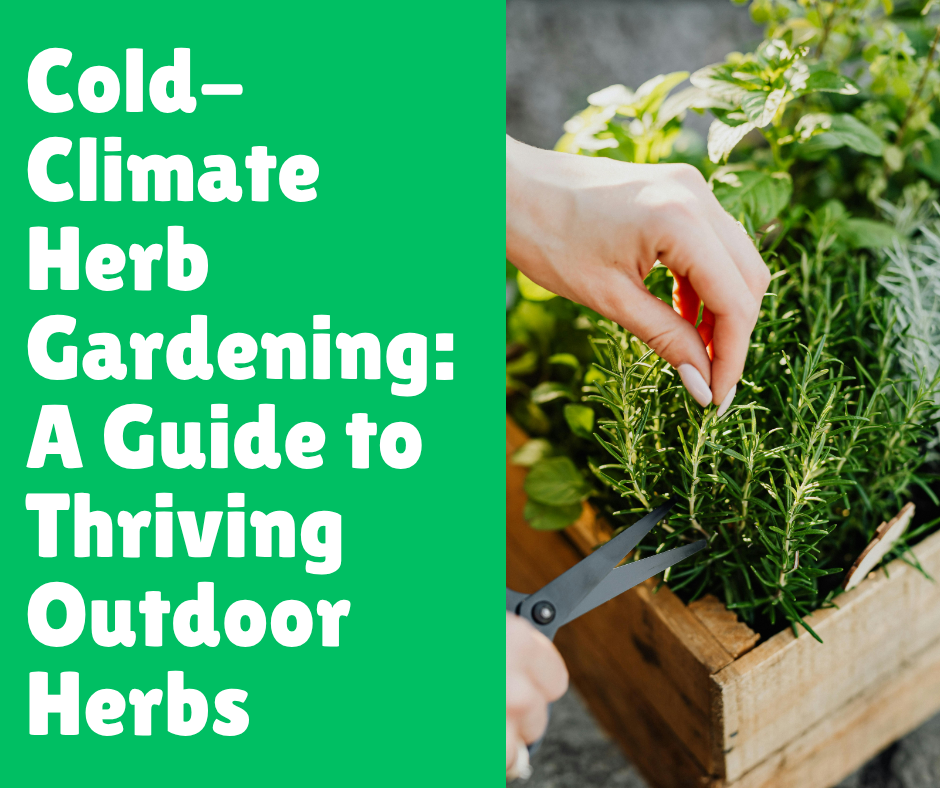
Cold-Climate Herb Gardening: A Guide to Thriving Outdoor Herbs
Post Disclaimer
Content on this site is for educational use only and not a substitute for medical advice. Herbal remedies are based on traditional knowledge and not medical recommendations. Please consult a healthcare professional before trying any herb. We do not assume responsibility for any outcomes or adverse effects resulting from the use of information provided here.
Ever look out your window at a frosty landscape and think your gardening dreams have to be put on ice until spring? I’ve been there. For years, I assumed that living in a place where winter means business meant my herb garden was destined for a sad, seasonal existence. I pictured sad, frozen little plant skeletons and resigned myself to buying overpriced, plastic-clad herbs from the grocery store for six months of the year.
Then I discovered something amazing: some herbs are total badasses. They don’t just tolerate the cold; a few of them actually seem to enjoy it, getting even more flavorful after a light frost. So, if you’ve been putting off your herb garden dreams because you think your climate is too harsh, I’m here to tell you to grab your gardening gloves.
We’re about to turn that chilly patch of dirt into a fragrant, year-round paradise. It’s totally possible, and honestly, it’s easier than you think.
The Toughest Herbs on the Block: Best Picks for Cold Climates
Not all herbs are created equal when it comes to braving the cold. While your delicate basil plant will throw in the towel at the first hint of frost, others will stand tall and defiant. The key is choosing perennial herbs native to colder, mountainous regions. These guys have winter survival built into their DNA.
Perennial Powerhouses That Laugh at Winter
These are the herbs you can plant once and enjoy for years to come. They’ll die back in the deepest parts of winter but will re-emerge with vigor in the spring.
Thyme (Especially German and English varieties): Thyme is the undisputed champion of the cold-hardy herb world. It’s a low-growing, woody perennial that originates from the Mediterranean mountains, so it knows a thing or two about tough conditions. It’s incredibly resilient and can often be harvested even when there’s a bit of snow on the ground. IMO, the flavor of winter thyme is more intense and earthy.
Why it works: Its woody stems and small leaves minimize water loss and damage from frost. It’s also drought-tolerant, which helps when the ground is frozen.
Best varieties: German Winter Thyme, English Thyme, and Creeping Thyme.
Sage (Salvia officinalis): When you think of cozy winter meals, you probably think of sage. This herb is a semi-woody perennial with beautiful, fuzzy, grey-green leaves. It can withstand surprisingly low temperatures, especially once it’s well-established. A little frost can even enhance its pungent, savory flavor.
Why it works: The fuzzy leaves offer a bit of insulation, and its semi-woody nature makes it tough.
Personal tip: I find that garden sage holds up better than some of the fancier purple or variegated types, so stick with the classic for maximum hardiness.
Mint (Mentha species): Is there anything that can stop mint? Probably not. This stuff is notoriously vigorous and will survive just about anything you throw at it, including a deep freeze. The top growth will die back completely, but the runners underground are practically indestructible and will send up new shoots as soon as the soil thaws.
Why it works: Its survival strategy is all underground. The root system is so aggressive and hardy that it’s nearly impossible to kill.
Word of caution: Plant mint in a container unless you want it to take over your entire garden, your neighbor’s garden, and possibly the world.
Chives (Allium schoenoprasum): Chives are a member of the onion family and are one of the first herbs to pop up in the spring, sometimes while there’s still snow on the ground. They are incredibly cold-tolerant. The green tops will die back after a hard freeze, but the underground bulbs will lie dormant and return reliably every year.
Why it works: Like mint, its survival mechanism is its bulbous root system, which safely hibernates underground.
Biennials and Self-Seeders for Effortless Regrowth
These herbs complete their life cycle in two years or are so good at self-seeding that they act like perennials, reappearing each year without any effort on your part.
Parsley (Petroselinumcrispum): Parsley is a biennial, meaning it grows leaves the first year and flowers the second. In many cold climates, it will survive the winter and you can continue harvesting from it. The flat-leaf (Italian) variety is generally considered hardier than its curly-leafed cousin. Even if it doesn’t survive, it often self-seeds.
Why it works: It has a deep taproot that helps it anchor in and survive moderate freezes.
Chamomile (Matricariarecutita): Specifically German Chamomile. This delicate-looking flower is surprisingly tough. It’s an annual that self-seeds so prolifically that it will come back year after year. You plant it once, and you’ll likely have a steady supply for soothing winter teas forever.
Why it works: Its genius lies in its sheer volume of seeds. It ensures its survival by dropping thousands of seeds that will sprout the following spring.
Prepping Your Garden for the Big Chill
Success in cold-climate herb gardening is all about preparation. You can’t just stick a plant in the ground and hope for the best when a polar vortex is on the horizon. Giving your herbs a little TLC before winter sets in is the secret to a thriving garden.
Step 1: Choose the Right Location
Sunlight is a precious commodity in the winter. Choose a spot for your herb garden that gets the maximum amount of sun, even if it’s only for a few hours a day. A south-facing wall is ideal, as the wall will absorb heat during the day and radiate it back out at night, creating a slightly warmer microclimate.
Also, consider wind protection. A relentless winter wind can dry out and kill even the hardiest plants. Planting near a fence, wall, or a row of evergreen shrubs can provide a much-needed windbreak.
Step 2: Get Your Soil in Shape
Healthy soil is the foundation of a healthy garden. In cold climates, good drainage is non-negotiable. Soil that stays wet and frozen will lead to root rot, which is a death sentence for most herbs.
Amend Your Soil: Before planting, work in plenty of organic matter like compost or well-rotted manure. This improves soil structure, which helps with drainage while also retaining just the right amount of moisture.
Consider Raised Beds: If you have heavy clay soil that stays soggy, I highly recommend building raised beds. This is probably the single best change I made to my own cold-climate garden. Raised beds allow you to control the soil composition completely and ensure perfect drainage. They also warm up faster in the spring!
Step 3: The Magic of Mulch
Mulch is your best friend in a winter garden. It’s like a cozy blanket for your plant’s roots. A thick layer of mulch (about 2-4 inches) helps in several ways:
Insulates the Soil: It keeps the soil temperature more stable, protecting roots from the damaging freeze-thaw cycles that can heave plants right out of the ground.
Retains Moisture: Winter air can be very dry, and mulch helps prevent the soil from drying out completely.
Suppresses Weeds: It keeps opportunistic winter weeds from competing with your herbs.
What to use for mulch? Shredded leaves, straw, pine needles, or wood chips all work great. Apply it in late fall after the first hard frost but before the ground freezes solid. Be sure to leave a little space around the base of the plant stems to prevent rot.
Planting and Caring for Herbs in Winter
Gardening in the cold requires a slightly different approach than in the summer. Your main goals are protection and maintenance, not aggressive growth.
Planting Your Cold-Hardy Herbs
The best time to plant perennial herbs is in the spring or early summer. This gives them a full growing season to establish a strong root system before their first winter. If you’re planting in the fall, make sure to do it at least 6-8 weeks before your first expected frost date.
Watering: Less is More
This is where many gardeners go wrong. It’s easy to overwater in the winter. Plants grow much more slowly in the cold and don’t need nearly as much water.
Check the Soil: Before you even think about watering, stick your finger an inch or two into the soil. If it feels damp, leave it alone.
Water Deeply, Infrequently: When you do water, do it in the morning on a milder day so the water has time to soak in before temperatures drop at night. A deep watering once every few weeks is often plenty for dormant plants.
Avoid Icy Leaves: Try to water the soil directly and avoid getting the leaves wet, as this can encourage fungal diseases or lead to ice forming on the foliage.
Pruning for Winter Health
Pruning is another area where the rules change for winter.
Don’t Prune Heavily in Late Fall: Pruning encourages new growth. Tender new leaves are extremely vulnerable to frost damage. Any major pruning should be done in late summer.
Leave the Old Growth: For herbs like sage and thyme, leaving the old, woody growth on over the winter can actually help protect the plant. It acts as a natural windbreak and snow-catcher, which provides insulation.
Harvest Lightly: You can still harvest your herbs during the winter, but do it sparingly. Never take more than a third of the plant at a time. The plant needs its leaves for photosynthesis, however limited, to survive.
Creative Uses for Your Winter Herb Harvest
Having fresh herbs in the middle of winter feels like a superpower. The flavor of fresh-from-the-garden herbs is so much brighter and more complex than the dried stuff.
Here are a few of my favorite ways to use them:
Hearty Winter Soups and Stews: A few sprigs of fresh thyme and some chopped sage can completely transform a simple beef stew or chicken noodle soup.
Herb-Infused Oils and Vinegars: Gently warm some olive oil or white wine vinegar and add a few sprigs of thyme or sage. Let it infuse for a week, then strain. It makes an amazing base for salad dressings or a dip for crusty bread.
Soothing Herbal Teas: There is nothing better on a cold night than a cup of tea made from your own garden. Fresh mint tea is a classic, but have you tried fresh chamomile or even thyme tea? Thyme tea is a traditional remedy for coughs and sore throats.
Compound Butters: Finely chop some chives and parsley, then mix them into softened butter with a little salt and pepper. Roll it into a log, wrap it in parchment paper, and freeze it. You can slice off a pat to melt over steak, fish, or steamed vegetables.
Common Mistakes to Avoid (I’ve Made Them All)
Learning to garden in the cold involves some trial and error. FYI, I’ve definitely killed my fair share of plants along the way. Here are some common blunders to help you skip the heartbreak.
Choosing the Wrong Herbs: Falling in love with a picture of a rosemary standard or a lush basil plant and trying to force it to survive a Zone 4 winter outdoors is a recipe for disappointment. Stick to the proven cold-hardy list to start.
Overwatering: This is the #1 killer. Frozen, soggy soil equals dead roots. Remember that dormant plants are just sleeping, not running a marathon. They need very little water.
Pruning at the Wrong Time: That late-autumn urge to “tidy up” the garden can be fatal. Cutting back your herbs right before a frost encourages weak new growth that will immediately get zapped by the cold, stressing the whole plant. Save the major haircut for spring.
Forgetting to Mulch: Skipping the mulch is like sending your plants out into a blizzard without a coat. That protective layer is crucial for insulating the roots from the extreme temperature swings that happen in winter.
Poor Drainage: This goes back to the soil prep. If your herbs are sitting in a puddle of icy water all winter, it doesn’t matter how cold-hardy they are. Their roots will rot. Ensure your soil or raised bed drains freely.
Conclusion: Embrace the Chill
Growing herbs in a cold climate isn’t just possible; it’s incredibly rewarding. There’s a special kind of satisfaction that comes from snipping fresh parsley for your soup while snowflakes are falling outside. It connects you to the seasons in a new way and makes you appreciate the resilience of nature.
The key takeaways are simple: choose the right plants, give them a well-drained, sunny spot, and tuck them in for the winter with a thick layer of mulch. Avoid the temptation to over-love them with too much water or ill-timed pruning.
By focusing on these basics, you can build an herb garden that doesn’t just survive but truly thrives through the coldest months.
So what are you waiting for? Give it a try this year! Start with one or two tough herbs like thyme or sage. I promise you’ll be amazed at what they can handle. Let me know in the comments which herbs you’re planning to grow or if you have any cold-climate gardening tips to share!
Frequently Asked Questions (FAQs)
Can I grow cold-hardy herbs in containers through the winter?
Absolutely! Growing in containers is a great option, but there are a few things to keep in mind. Pots freeze much faster than the ground, so the roots are more exposed. Choose a large, frost-proof container (terracotta can crack) and consider wrapping it in burlap or bubble wrap for extra insulation.
My sage leaves look a little limp and grey after a hard frost. Is it dead?
Probably not! It’s normal for perennial herbs like sage to look a little rough after a deep freeze. The leaves might get a bit wilted or discolored. The real test is the stem and roots. As long as the base of the plant is firm and the roots are healthy, it will bounce back with new growth in the spring. Don’t be too quick to pull it out.
Do I need to fertilize my herbs during the winter?
Nope, you can put the fertilizer away. Fertilizing encourages new growth, which is exactly what you don’t want during the winter. The tender new shoots are highly susceptible to frost damage, and forcing growth when the plant is naturally trying to go dormant will only stress it.
What’s the difference between “frost-tolerant” and “cold-hardy”?
Great question! “Frost-tolerant” usually means a plant can handle a few light frosts (temperatures dipping to around 32°F / 0°C) without major damage. “Cold-hardy,” on the other hand, means a plant can survive a hard freeze and sustained cold temperatures well below freezing, often because it goes dormant.
How do I harvest herbs if they’re covered in snow?
Gently! If there’s just a light dusting of snow, you can carefully brush it off the leaves of sturdy herbs like thyme and sage and snip what you need. If the snow is heavy, it’s actually acting as a fantastic insulator. In that case, it might be best to wait for it to melt a bit.