Top Outdoor Herbs That Thrive in Full Sun
Post Disclaimer
Content on this site is for educational use only and not a substitute for medical advice. Herbal remedies are based on traditional knowledge and not medical recommendations. Please consult a healthcare professional before trying any herb. We do not assume responsibility for any outcomes or adverse effects resulting from the use of information provided here.
There’s something truly special about stepping out your back door and snipping fresh herbs for your evening meal. The scent that fills the air, the vibrant green in your garden, and the burst of flavor in your food it’s a simple pleasure that connects us to the earth.
I’ve always found that the sunniest spot in my yard is the most eager to produce, but it requires picking the right plants. If you have a patch of ground that gets blasted by the sun all day, don’t see it as a challenge. See it as the perfect home for a thriving, fragrant, and delicious herb garden.
Growing herbs in full sun isn’t just possible; for many of the most popular culinary herbs, it’s essential. These sun-worshipping plants concentrate their essential oils under the intense rays, resulting in more potent flavors and aromas than their shade-grown counterparts.
Think of the Mediterranean hillsides covered in rosemary and thyme that’s the environment we’re looking to replicate.
In this guide, I’m going to walk you through everything you need to know to create your own sun-drenched herb paradise. We’ll dive into the best herbs that absolutely love basking in the light, from planting the first seed to harvesting your fragrant bounty.
I’ll share my personal experiences, step-by-step instructions, and some common pitfalls I’ve learned to avoid over the years. Let’s get our hands dirty and grow something amazing together.
The Sun Worshippers: My Favorite Full-Sun Herbs
Not all herbs are created equal when it comes to sun exposure. While delicate herbs like mint and parsley prefer a bit of afternoon shade, the ones we’re focusing on here are true sunbathers. These are the robust, flavorful herbs that form the backbone of so many cuisines. Let’s explore some of my top picks that will flourish in at least six to eight hours of direct sunlight each day.
1. Rosemary: The Evergreen Sentinel
If I could only plant one herb in a sunny spot, it would be rosemary. This woody, perennial herb is as beautiful as it is useful, with its needle-like leaves and delicate blue flowers. It’s incredibly drought-tolerant once established and releases a wonderful piney scent whenever you brush past it.
I have a large rosemary bush near my patio, and it’s my go-to for everything from roasted potatoes to marinades for grilled chicken.
Step-by-Step Guide to Growing Rosemary:
- Planting: Rosemary can be tricky to start from seed, so I highly recommend buying a small starter plant from a nursery. This gives you a huge head start. Look for a plant with healthy, green foliage and no signs of yellowing.
- Soil and Location: The absolute most important thing for rosemary is drainage. It despises “wet feet.” Plant it in a spot with sandy, well-draining soil. If you have heavy clay soil like I do, you’ll need to amend it. I dig a hole twice as wide as the root ball and mix in a generous amount of sand and compost to improve its structure. Raised beds or containers are also fantastic options. And, of course, pick the sunniest spot you have.
- Watering: When you first plant your rosemary, water it regularly to help it get established. For the first few weeks, this might mean every couple of days. Once you see new growth, you can scale back. A mature rosemary plant is remarkably drought-resistant. I typically water mine deeply only once every week or two during the hottest parts of summer, letting the soil dry out completely between waterings.
- Caring: Rosemary doesn’t need much fertilizer. In fact, too much can dilute its flavor. A light feeding with a balanced, all-purpose fertilizer in the spring is usually plenty. Pruning is key to keeping the plant bushy and preventing it from becoming woody and sparse. I prune mine back by about a third in the spring after the last frost to encourage tender new growth.
- Harvesting: You can harvest rosemary anytime you need it. Simply snip off a few sprigs with scissors or pruning shears. The new growth is the most tender and flavorful, but the older, woodier stems are great for infusing oils or tossing on the grill to create an aromatic smoke.
My first attempt at growing rosemary ended in failure because I over-loved it. I put it in rich, dense soil and watered it constantly. The poor thing rotted from the roots up. It was a hard lesson, but it taught me that sometimes the best thing you can do for a plant is to understand its natural habitat and leave it alone.
2. Basil: The King of Summer Herbs
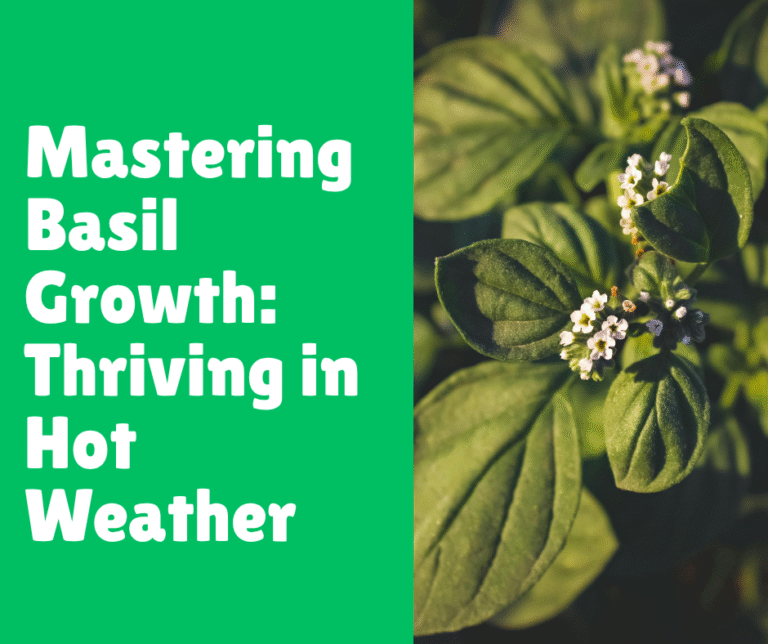
No summer garden is complete without basil. The sweet, slightly peppery aroma is the scent of the season. From pesto to Caprese salads to a simple garnish on pasta, basil is a culinary workhorse. Unlike rosemary, most common basil varieties are annuals, meaning you’ll need to replant them each year. But their fast growth and abundant leaves make it well worth the effort.
Step-by-Step Guide to Growing Basil:
- Planting: Basil is easy to grow from seed, but like with rosemary, starter plants give you a quicker harvest. You can plant it outdoors after all danger of frost has passed and the soil has warmed up. Basil is very sensitive to cold.
- Soil and Location: Basil thrives in rich, moist, but well-drained soil. It needs a lot of energy to produce all those leaves! I always amend my basil patch with plenty of compost before planting. It needs at least six hours of direct sun, but in brutally hot climates (like Texas or Arizona), a little bit of afternoon shade can prevent the leaves from scorching.
- Watering: Consistent moisture is the secret to happy basil. The soil should feel like a wrung-out sponge not soggy, but not bone dry. I check my basil plants daily in the heat of summer. A layer of mulch around the base of the plant can help retain soil moisture and keep the roots cool.
- Caring: This is the most important tip for basil: pinch it back! As soon as your plant has a few sets of leaves, pinch off the top set. This encourages the plant to branch out and become bushy. If you let it grow straight up, it will focus its energy on producing flowers (a process called “bolting”). Once basil flowers, the leaf production slows down, and the flavor can become bitter. Regularly pinching back the growing tips, especially any flower buds you see, will keep your harvest going all summer long.
- Harvesting: Harvest basil often to encourage more growth. Snip stems just above a pair of leaves. This is where new branches will form. I try to harvest from the top of the plant to keep it compact and productive. You can use the leaves fresh or freeze them in ice cube trays with a little olive oil for use in the winter.
One summer, I dedicated a 4×4 foot raised bed just to Genovese basil. I was diligent about pinching and watering. By mid-July, I was harvesting massive bunches every few days. I made so much pesto that I had to give it away to friends and neighbors.
It was a testament to how productive this herb can be when given the right conditions: lots of sun, consistent water, and regular pruning.
3. Thyme: The Resilient Groundcover
Thyme is one of the most versatile and low-maintenance herbs you can grow. It comes in many varieties, from the common English thyme used in cooking to the creeping lemon thyme that makes a fragrant and beautiful groundcover.
It’s a hardy perennial that can handle heat, sun, and even a bit of neglect. Its tiny leaves pack a huge, earthy flavor that is essential in stocks, stews, and roasts.
Step-by-Step Guide to Growing Thyme:
- Planting: Like rosemary, thyme is best started from a small plant. It can be slow to germinate from seed. Plant it in the spring or fall.
- Soil and Location: Thyme demands excellent drainage. It’s a Mediterranean native that is accustomed to rocky, lean soil. It will rot quickly in heavy, wet soil. It’s a perfect choice for rock gardens, the edges of pathways, or spilling over the side of a container. Full, unrelenting sun is what it craves.
- Watering: Water newly planted thyme until it is established. After that, it is extremely drought-tolerant. I water my established thyme plants maybe once every few weeks in the summer, if at all. It truly thrives on neglect.
- Caring: Thyme needs very little care. No fertilizer is necessary. The main task is to prune it back each spring. After the harshness of winter, it can look a bit scraggly. I use shears to trim off the top few inches of growth, which encourages it to produce fresh, tender stems. For creeping varieties, this also keeps them dense and prevents them from getting patchy.
- Harvesting: You can snip thyme sprigs any time of year. The flavor is most intense right before the plant flowers in early summer. To dry it, simply bundle the stems together and hang them in a cool, dark place. The leaves will crumble off easily once dry.
I use creeping thyme as a “living mulch” around some of my larger plants, like my tomatoes. It forms a dense mat that helps suppress weeds and retain soil moisture, all while adding a lovely scent to the garden. It’s a functional and beautiful addition that works hard without asking for much in return.
4. Oregano: The Pizza Herb
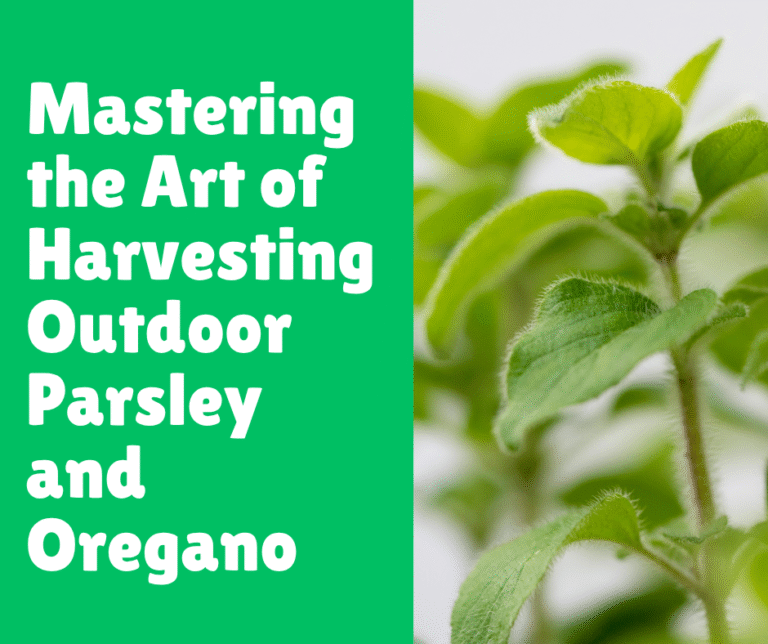
A close cousin to marjoram, oregano has a more pungent, peppery flavor that we all associate with Italian and Greek cuisine. It’s an incredibly vigorous and hardy perennial that will happily spread to fill whatever space you give it. A single plant can quickly become a large patch, providing you with more than enough for all your culinary needs.
Step-by-Step Guide to Growing Oregano:
- Planting: You can easily start oregano from seed, cuttings, or a starter plant. Be warned: it spreads via underground runners, so you may want to plant it in a container or a bed with defined borders to keep it from taking over your garden.
- Soil and Location: Oregano isn’t picky about soil, as long as it’s well-drained. It prefers a lighter soil and, like the other Mediterranean herbs, thrives in full sun. The more sun it gets, the more concentrated and potent its flavor will be.
- Watering: Water it regularly when young. Once established, oregano is very drought-tolerant and only needs occasional watering during prolonged dry spells. Overwatering can lead to root rot and less flavorful leaves.
- Caring: To encourage a bushier plant, pinch back the growing tips frequently. This is especially important before the plant flowers. If you let it go to seed, the plant’s energy will shift, and the leaf quality will decline. I trim my oregano patch back hard a few times during the growing season to force a flush of new, tender growth.
- Harvesting: Harvest leaves as needed. The flavor is best just before the plant flowers. For a large harvest for drying, cut the stems back to about two inches from the ground. You can do this two or three times in a season. The plant will grow back quickly.
My oregano plant is now about five years old and has become a massive, sprawling mound. I once made the mistake of planting it next to some more delicate flowers. The oregano quickly outcompeted them.
Now, it has its own dedicated corner of the garden where it can spread freely. It’s a lesson in understanding a plant’s growth habit before you decide where to place it.
Common Mistakes to Avoid with Sun-Loving Herbs
Growing these herbs is relatively straightforward, but I’ve seen a few common missteps trip up even experienced gardeners. Avoiding these simple mistakes will set you up for a successful and abundant harvest.
1. The Sin of Overwatering: This is, without a doubt, the number one killer of Mediterranean herbs like rosemary, thyme, and oregano. We’re often conditioned to think that plants need constant moisture, especially in the sun. But these herbs have evolved in arid, rocky climates. Their roots are highly susceptible to rot in soggy soil.
- How to Avoid It: Always check the soil before you water. Stick your finger an inch or two into the soil. If it feels damp, wait. Let the soil dry out between waterings. And above all, ensure your planting location whether in the ground or a pot has excellent drainage.
2. Forgetting the Haircut (Lack of Pruning): Many gardeners are afraid to prune their plants, fearing they will harm them. With herbs, the opposite is true. Regular pruning is a signal to the plant to become bushier and produce more of what you want: the leaves.
- How to Avoid It: Don’t be shy! For herbs like basil, regularly pinching off the top leaves is essential. For woody herbs like rosemary and thyme, an annual prune keeps them from becoming sparse and leggy. Think of harvesting as a form of productive pruning. The more you use your herbs, the better they will grow.
3. Ignoring Your Soil Type: You can give a plant all the sun in the world, but if it’s sitting in soil that it hates, it will never thrive. Planting drought-loving rosemary in heavy, water-retentive clay is a recipe for disaster. Planting leaf-heavy basil in nutrient-poor sand will result in a weak, yellowing plant.
- How to Avoid It: Take a little time to understand your native soil and amend it accordingly. If you have heavy clay, add compost and sand or perlite to improve drainage. If you have very sandy soil, add compost and peat moss to help it retain some moisture and nutrients. Raised beds are a great shortcut, as they allow you to create the perfect soil mix from scratch.
4. Planting in a Pot That’s Too Small: While many herbs do wonderfully in containers, a small pot can cause a lot of problems in a full-sun location. The soil will dry out extremely quickly, stressing the plant. It can also become root-bound, stunting its growth.
- How to Avoid It: Choose a pot that gives the plant room to grow. A larger volume of soil holds moisture longer and provides more space for roots. I prefer terracotta pots for Mediterranean herbs because they are porous and allow the soil to breathe, but in the hottest sun, they can dry out very fast. A light-colored plastic or glazed ceramic pot can be a better choice for retaining moisture on a hot patio.
Conclusion: Your Sunny Herb Garden Awaits
There is immense satisfaction in cultivating your own herbs. It’s a simple act that yields incredible rewards, from the money you save at the grocery store to the fresh, vibrant flavors you can add to your cooking. By choosing the right herbs for your sunniest spots—plants like rosemary, basil, thyme, and oregano you are setting yourself up for a season of aromatic and culinary delight.
We’ve covered how these sun-worshippers thrive on light, prefer well-drained soil, and benefit greatly from regular pruning. Remember that the key to success often lies in mimicking their native Mediterranean environment: plenty of sun, not too much water, and lean soil.
More than just a set of instructions, I hope this guide has given you the confidence to start your own sunny herb garden. Don’t be afraid to experiment, to get your hands dirty, and even to make a few mistakes along the way. That’s how we learn and grow as gardeners.
Now it’s your turn. What herbs are you excited to plant in your sunny spots? Do you have any personal tips or favorite sun-loving herbs that I didn’t mention? Share your thoughts and experiences in the comments below I’d love to hear from you!
Frequently Asked Questions (FAQs)
Can I grow these herbs indoors in a sunny window?
Yes, you can, but with a caveat. An indoor “sunny window” rarely provides the same intensity or duration of light as six to eight hours of direct outdoor sun. Your plants will likely be less robust and flavorful. If you want to try, a south-facing window is your best bet.
My basil leaves are turning yellow. What am I doing wrong?
Yellowing leaves on basil can be a sign of a few things. The most common culprits are either overwatering (which leads to root rot) or a nutrient deficiency. First, check your soil moisture. If it’s soggy, let it dry out. If the soil seems fine, your plant might be hungry. Basil is a heavy feeder. Try giving it a dose of a balanced liquid fertilizer.
How do I overwinter perennial herbs like rosemary and thyme in a cold climate?
This depends on your specific climate zone. In zones 7 and warmer, most varieties of rosemary and thyme will overwinter just fine in the ground. A layer of mulch can provide extra protection. In colder zones (6 and below), you have two options. You can either treat them as annuals or bring them indoors.
My oregano has no flavor. Why?
This is a surprisingly common issue! The two most likely reasons are not enough sun or too much fertilizer and water. Oregano develops its pungent flavor compounds as a stress response to intense sun and lean conditions.
Can I plant all these herbs together in one container?
You can, but you need to be strategic. This is called companion planting. A great combination would be rosemary, thyme, and oregano in one large pot, as they all have very similar needs: full sun, excellent drainage, and tolerance for dry conditions. Basil, however, has different needs. It prefers more consistent moisture and richer soil.