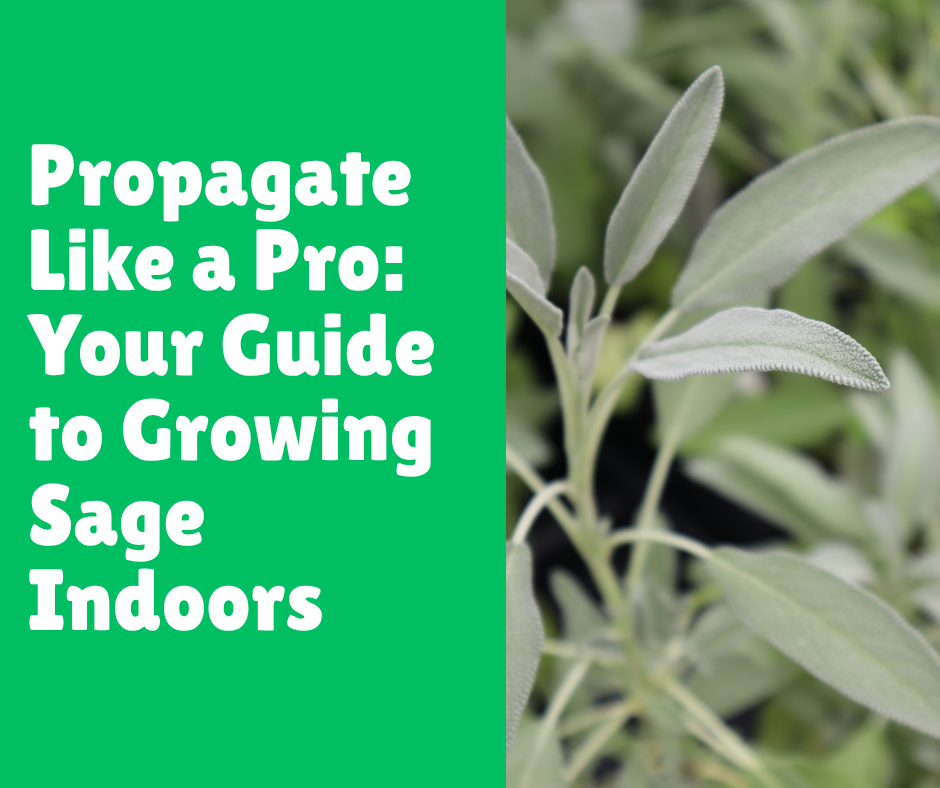
Propagate Like a Pro: Your Guide to Growing Sage Indoors
Post Disclaimer
Content on this site is for educational use only and not a substitute for medical advice. Herbal remedies are based on traditional knowledge and not medical recommendations. Please consult a healthcare professional before trying any herb. We do not assume responsibility for any outcomes or adverse effects resulting from the use of information provided here.
I remember the first time I successfully propagated a plant. It felt like I had discovered some ancient, magical secret. I took a small piece of a leggy houseplant, stuck it in water, and weeks later, tiny white roots appeared. It was a game-changer.
If you’ve ever wanted to feel that same sense of accomplishment, I’ve got the perfect project for you: growing sage from cuttings indoors. It’s easier than you think, incredibly rewarding, and will supply you with fresh, aromatic sage year-round.
Forget buying new plants every season. Propagation is the ultimate gardening hack. It’s sustainable, saves you money, and honestly, it’s just plain cool to create a new plant from an existing one.
Whether you have a favorite sage plant in your garden you want to bring indoors for the winter, or a friend with a plant you admire, this guide will walk you through every single step. We’re going to cover everything from taking the perfect cutting to potting your new, thriving sage plant. Ready to get your hands a little dirty?
Getting Started: Everything You Need for Sage Success
Before we start snipping away, let’s gather our tools. Prepping your materials beforehand makes the whole process smoother and, dare I say, more enjoyable.
Think of it as your mise en place for gardening. There’s nothing worse than having a delicate cutting in your hand while you frantically search for a clean jar.
Your Propagation Toolkit
You don’t need a fancy, high-tech lab to do this. Most of these items are probably already lying around your house.
- A Healthy “Mother” Sage Plant: The success of your new plant starts with the health of the original. Look for a mature, well-established sage plant that is free of pests and disease. You want vibrant, strong stems, not wimpy, sad-looking ones.
- Sharp, Clean Pruners or Scissors: This is non-negotiable. Dull blades can crush the stem, making it harder for the cutting to absorb water and develop roots. I always wipe my scissor blades with rubbing alcohol before and after each use to prevent spreading any potential plant cooties.
- A Clean Jar or Glass: This will be the temporary home for your cuttings while they root. Any small glass, jar, or vase will do, as long as it’s clean. You want to be able to see the root development, which is half the fun!
- Water: Simple tap water is usually fine. If you have very hard or heavily treated water, you can let it sit out for 24 hours to allow some of the chlorine to evaporate.
- Small Pots with Drainage Holes: Once your cuttings have roots, they’ll need a proper home. I recommend 3-4 inch pots to start. Drainage is critical for sage, which hates having “wet feet.”
- Well-Draining Potting Mix: This is another crucial element. Sage is a Mediterranean herb, meaning it thrives in soil that doesn’t retain too much moisture. A standard potting mix amended with perlite or coarse sand is perfect. You could also buy a cactus or succulent mix, which works wonders.
Having all these items ready will set you up for a stress-free propagation session. Trust me, your future self will thank you.
The Main Event: From Cutting to Rooting
Alright, you’ve got your gear. Now for the exciting part! This is where you actually create your new baby sage plants. We’ll break it down into a simple, step-by-step process.
Step 1: Taking the Perfect Cutting
Timing and technique are everything here. The best time to take cuttings is in the late spring or early summer when the plant is in a period of active growth. This is when the stems are “softwood,” meaning they are flexible and eager to root.
- Select Your Stem: Look for a healthy, non-flowering stem. A stem that’s trying to produce flowers is putting its energy into reproduction, not root growth. You want a piece that is about 4-6 inches long.
- Make the Cut: Using your clean, sharp scissors, make a clean cut just below a leaf node. A leaf node is the little bump on the stem where leaves emerge. This area is packed with hormones that encourage rooting.
- Strip the Lower Leaves: Gently remove the leaves from the bottom half of the cutting. You want to have at least two inches of bare stem. Any leaves left submerged in water will rot, creating a funky, bacteria-filled mess that can kill your cutting. You should have a few sets of leaves remaining at the top of the stem.
- A Little Extra Boost (Optional): If you want to increase your odds of success, you can dip the cut end of the stem into a rooting hormone powder. I’ve had plenty of success without it, but it can definitely speed things up and encourage stronger root growth. FYI, it’s a good investment if you plan on propagating more plants in the future.
Now you have your perfect little cutting, ready for its temporary home. How easy was that?
Step 2: The Water-Rooting Method
This is my favorite method because it’s so visual. You get a front-row seat to the magic of root development.
- Place Cuttings in Water: Put your prepared cuttings into your clean jar of water. Make sure the bare part of the stem is fully submerged but that the remaining leaves are well above the water line.
- Find a Bright, Indirect Light Spot: Your cuttings need light to photosynthesize and create the energy for root growth, but direct sunlight is too intense. It can scorch the leaves and heat the water, encouraging algae growth. A spot near a window that gets bright, filtered light is ideal. A north or east-facing window is often perfect.
- Change the Water Regularly: This is the most important part of this step. Change the water every 2-3 days. Fresh water provides oxygen and prevents the buildup of bacteria and algae. If the water looks cloudy, change it immediately.
- Be Patient! This is where you just have to wait. You should start to see tiny white roots emerging from the stem in about 2-4 weeks. Some cuttings might be faster, others slower. It’s a bit of a test of patience, but so worth it when you see those first roots appear. It’s a real “heck yeah!” moment.
Transitioning to Soil: The Final Frontier
Seeing roots is a major victory, but the job isn’t done yet. Your new plant needs to transition from its watery home to a more permanent residence in soil. This can be a bit of a shock to the plant’s system, so we need to be gentle.
Step 1: Knowing When to Pot
Don’t be too hasty to move your cuttings to soil. You want to wait until the roots are well-established.
- Look for Strong Roots: Wait until the roots are at least 1-2 inches long. You don’t just want one or two spindly roots; look for a nice little network of them. This ensures the plant has a good system to start absorbing nutrients and water from the soil.
- Prepare Your Pots: Fill your small pots with your well-draining potting mix. I like to pre-moisten the soil slightly so it’s damp but not soaking wet. Use a pencil or your finger to make a small hole in the center of the soil.
Step 2: The Potting Process
- Gently Place the Cutting: Carefully take your rooted cutting out of the water. Be very gentle with the new roots, as they are fragile. Place the rooted end into the hole you created in the soil.
- Backfill and Secure: Gently push the soil around the stem, firming it down lightly to ensure the cutting is stable and the roots are in good contact with the soil. Don’t pack it down too tightly!
- Water Thoroughly: Give your newly potted plant a good, thorough watering. Let the excess water drain completely from the bottom of the pot. This helps the soil settle around the roots.
- The “Greenhouse” Trick: For the first week or so, the plant is adjusting from a 100% humidity environment (water) to a much drier one (soil and air). To ease this transition, you can create a mini greenhouse. Simply place a clear plastic bag over the pot. This traps humidity and helps the plant avoid transplant shock. Just make sure to open the bag for an hour or so each day to allow for air circulation. After a week, you can remove it completely.
Step 3: Caring for Your New Sage Plant
Congratulations, you are now the proud parent of a new sage plant! Now, how do you keep it happy indoors?
- Light: Sage loves sun. Place your pot in the sunniest window you have, ideally one that gets at least 6-8 hours of direct sunlight per day. A south-facing window is prime real estate for a sage plant.
- Watering: This is where many people go wrong. Let the soil dry out completely between waterings. Stick your finger about an inch into the soil; if it feels dry, it’s time to water. Water thoroughly until it runs out the bottom, then dump the excess from the saucer. Overwatering is the #1 killer of indoor sage.
- Harvesting: Once your plant is established and has put on some new growth, you can start harvesting. Snip off leaves as needed, but never take more than one-third of the plant at a time. Regular harvesting actually encourages the plant to become bushier and more productive.
Common Mistakes I’ve Made (So You Don’t Have To)
I’ve killed my fair share of cuttings over the years. It happens! But learning from those mistakes is what makes you a better gardener. Here are some of the most common pitfalls to avoid.
- Using a Dull Blade: I mentioned this before, but it bears repeating. I once tried using a pair of old, dull craft scissors and wondered why my cuttings kept turning to mush. A clean cut is a healthy cut.
- Forgetting to Change the Water: Life gets busy, I get it. But leaving cuttings in stagnant, cloudy water is a death sentence. Set a reminder on your phone if you have to. It makes a huge difference.
- Moving to Soil Too Soon: In my early, impatient days, I’d get so excited by the first sign of a root that I’d immediately pot it up. The poor, underdeveloped root system couldn’t handle the transition and the cutting would wilt and die. Patience, my friend, is a gardener’s best virtue.
- Overwatering the Potted Plant: This is the classic rookie mistake, especially for herbs like sage. I used to think all plants needed to be kept constantly moist. Wrong! Sage would much rather be a little too dry than a little too wet. When in doubt, wait another day to water.
- Not Enough Light: I once tried to keep a sage plant in a medium-light corner of my living room because it “looked nice there.” The plant slowly became pale, stretched out, and eventually gave up the ghost. Sage isn’t a low-light plant; it needs that sunshine to thrive and produce those amazing, flavorful oils.
Your Turn to Grow!
There you have it everything you need to know to fill your home with the wonderful aroma and flavor of fresh sage. It’s a simple, deeply satisfying project that connects you to the lifecycle of your plants in a really special way. You’re not just a plant owner; you’re a plant creator!
So go ahead, find a healthy sage plant and take a few cuttings. In a few weeks, you’ll have a windowsill full of new life that you grew yourself. There’s nothing quite like snipping a few leaves from a plant you propagated to add to your dinner.
I’d love to hear how it goes for you! Share your successes (or even your learning experiences) in the comments below. Happy propagating
Frequently Asked Questions (FAQs)
Can I just put a sage cutting directly into soil?
You absolutely can! This is called “direct sticking.” It skips the water-rooting phase. To do this, dip the cut end in rooting hormone and plant it directly into moist soil. The trick is to keep the soil consistently moist (but not soggy) and maintain high humidity with a plastic bag cover until roots form, which takes about 4-6 weeks.
My sage cutting’s leaves are turning yellow in the water. What’s wrong?
A lower leaf or two turning yellow is often normal as the cutting redirects its energy to root production. However, if multiple leaves are yellowing, it could be a sign that the water needs to be changed more frequently, or that the cutting isn’t getting enough light.
How long will my indoor sage plant live?
With proper care lots of sun, infrequent watering, and occasional pruning an indoor sage plant can live for several years! They do tend to get woody over time, but the great news is you can just take cuttings from it and start the whole process over again. It’s the plant that keeps on giving.
My cutting is growing roots, but the leaves are wilting after I potted it. Can I save it?
This sounds like transplant shock. The roots aren’t yet efficient enough at drawing water from the soil to support the leaves. Immediately place a plastic bag over the pot to increase humidity. This should help the leaves perk back up in a day or two while the roots get established.